Expert commentary on facial recognition, biometrics, and AI technology.
Facial recognition breakthroughs, OSINT strategies, and investigation technology — delivered to your inbox every morning.
No spam. Unsubscribe anytime. We respect your inbox.
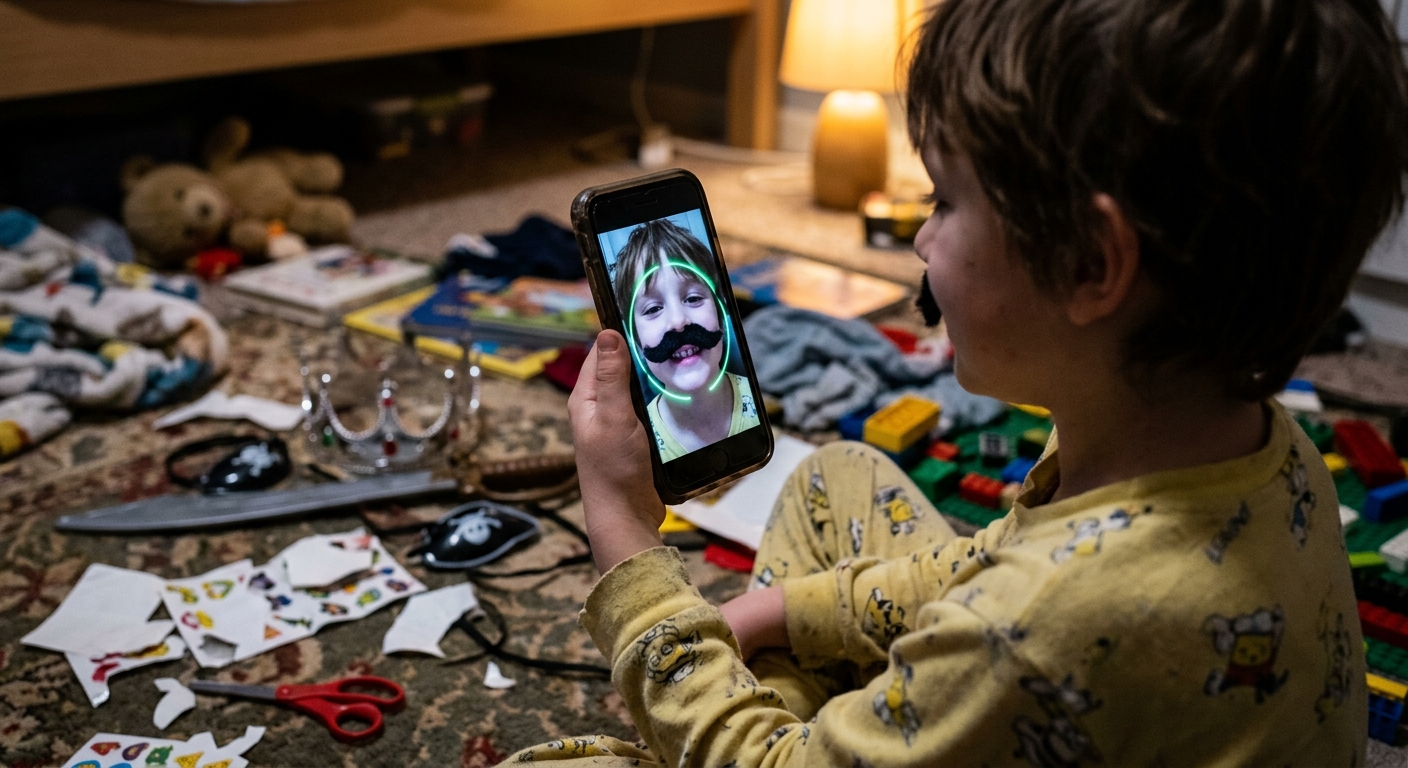
A study found kids are bypassing age verification systems with fake moustaches and video game characters. If that sounds absurd, it should, and here's why it's

Illinois just passed a landmark AI law requiring independent audits and human accountability. If AI helps make a decision about your life, someone now has to ex
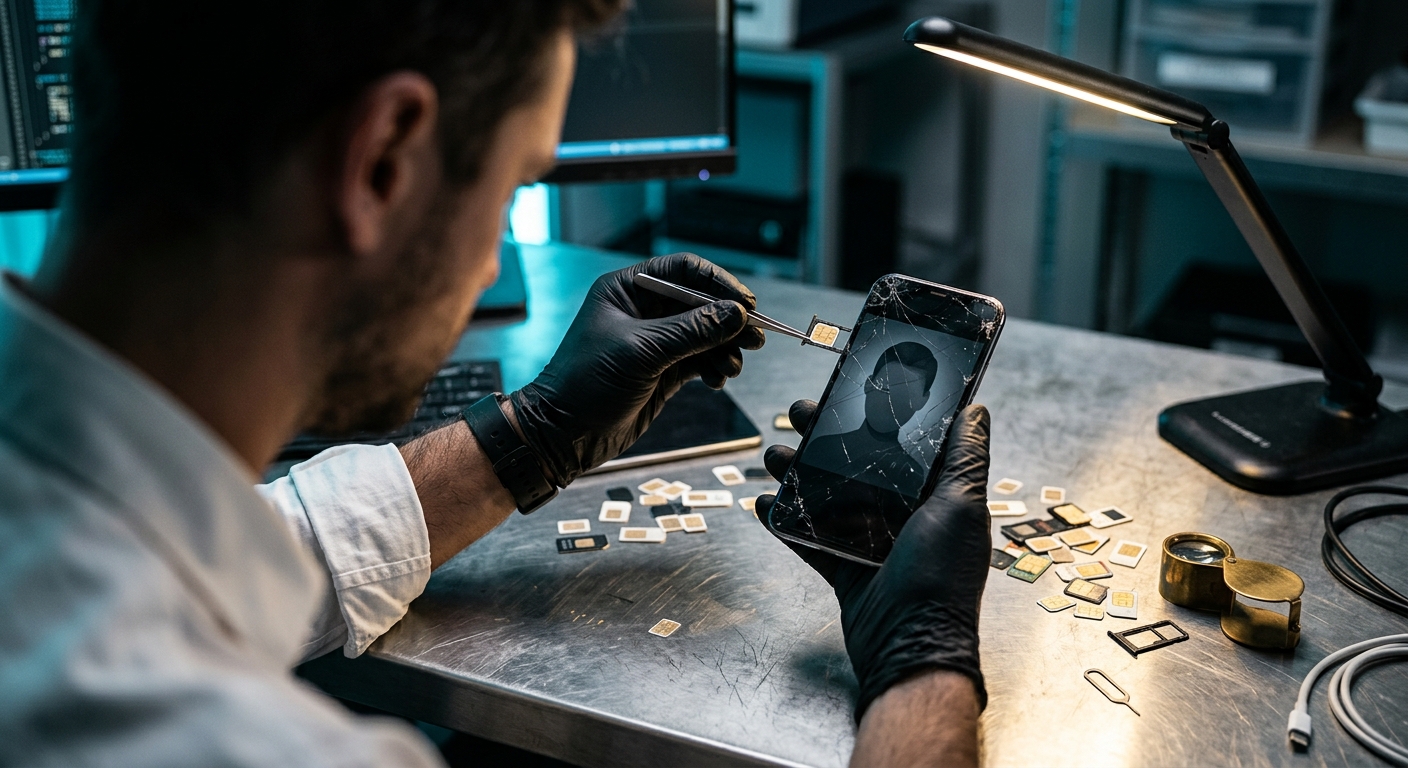
India just severed 50 million fraudulent mobile connections using face-scanning AI, and it's a preview of what's coming to phone networks everywhere. Your phone
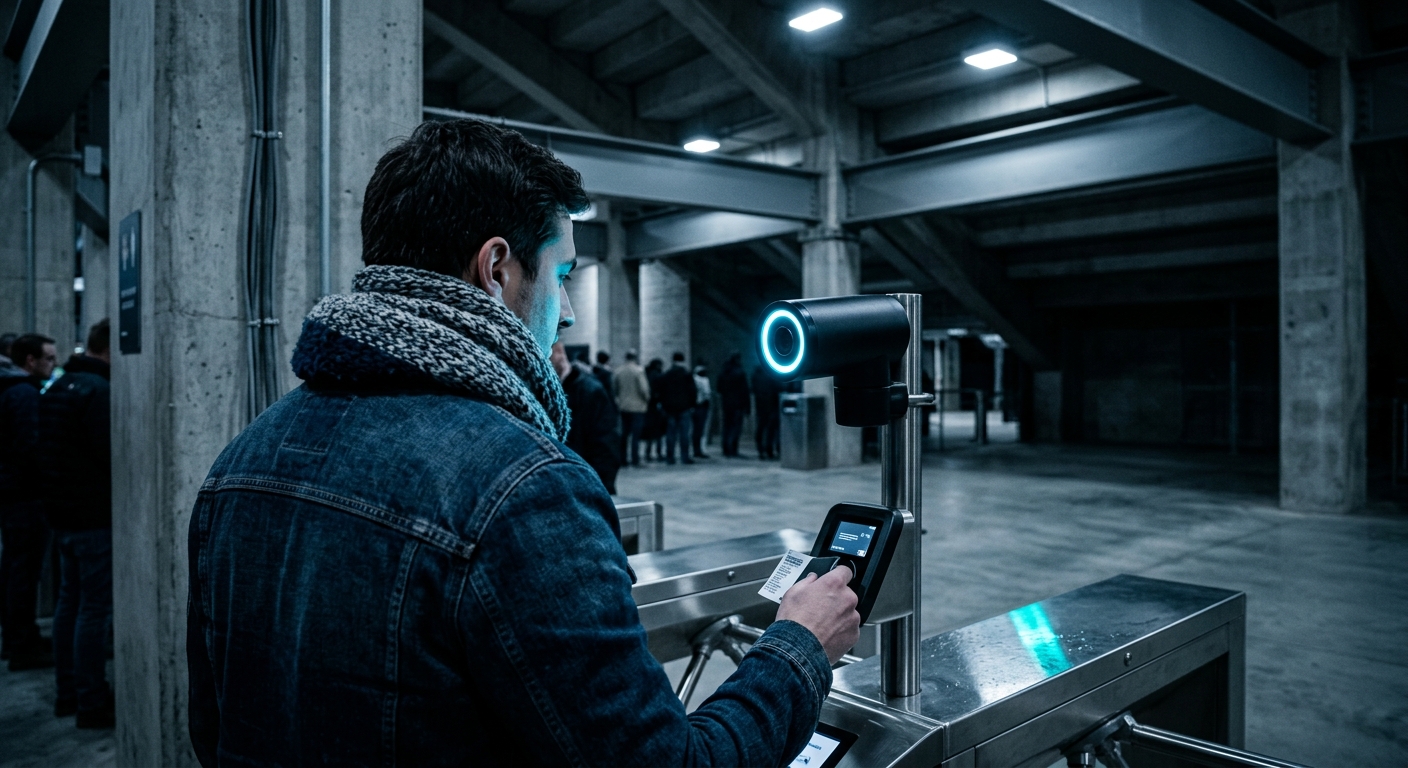
The 2026 FIFA World Cup is rolling out facial recognition entry across 16 venues in three countries. It's convenient, but here's what they're not telling you ab
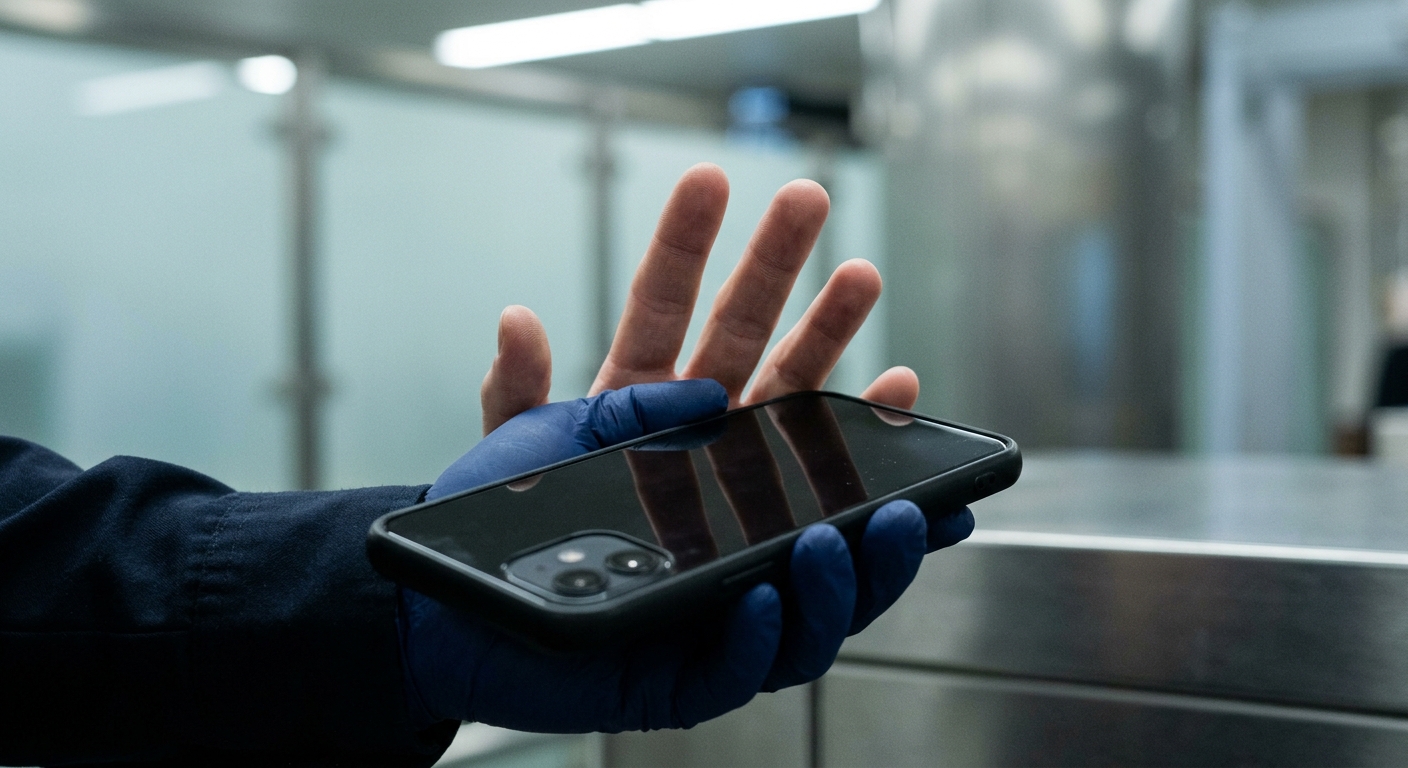
Austria just showed off a working touchless fingerprint ID system at the UN, and it's already made arrests. The technology is real, it's spreading, and it may n
A court in India just ordered the removal of deepfake content from 275 websites. That sounds like a win, until you realize the damage happens long before any ju
Digital wallets are becoming ID systems. The World Bank just released a 56-page roadmap, and the rules about who sees your data aren't written yet. That gap mat
The UN just certified face-check technology for 70,000+ pensioners' payments. If a selfie can unlock money, deepfake protection isn't optional anymore, and scam
AI face-matching has quietly moved into home doorbell cameras, and new lawsuits are asking who owns your face when you ring someone's bell. The rules don't exis
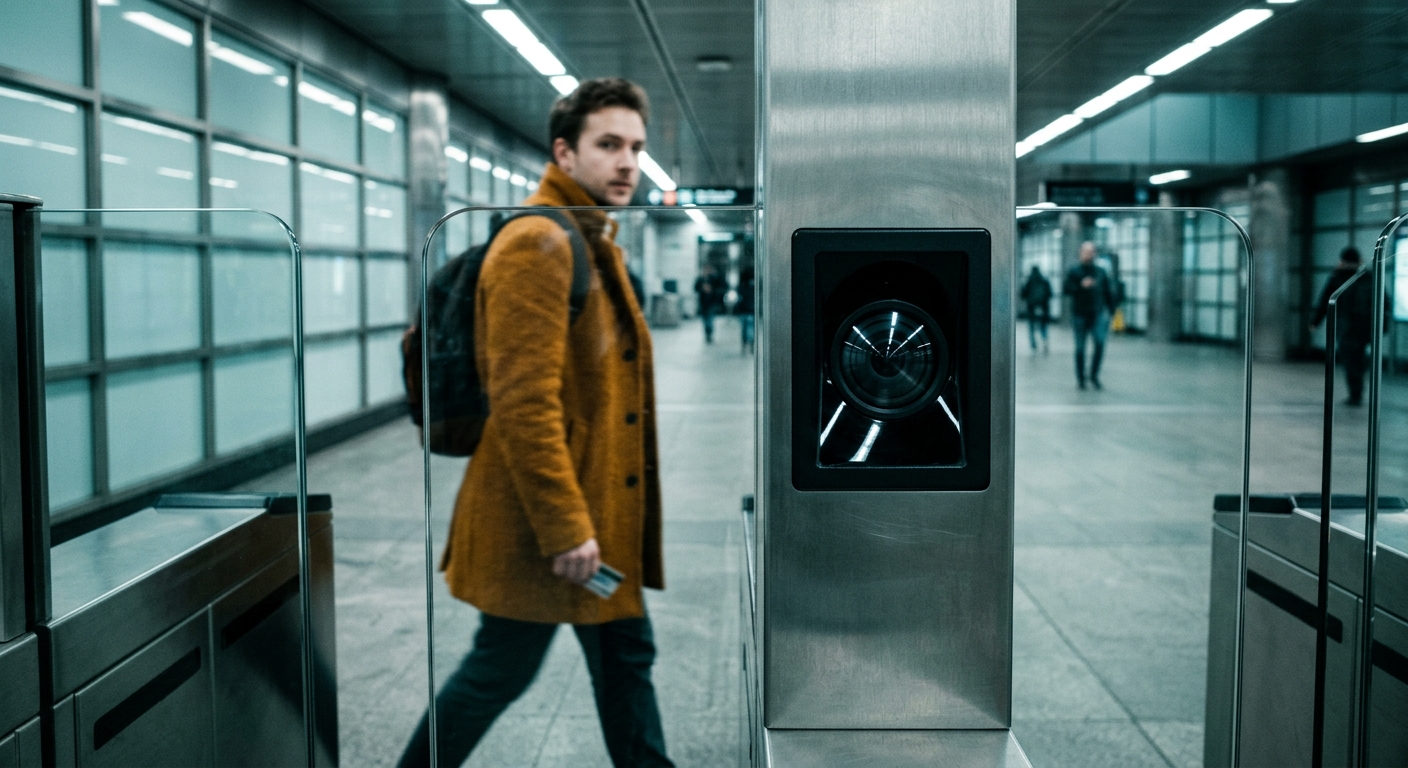
Facial recognition just moved from airports and border control into the everyday train stations of Japan, and the real question isn't whether this is coming, it
Your bank has MFA turned on. Great. But a new report found only 28% of that protection can actually resist a phishing attack, and most banks don't realize the d
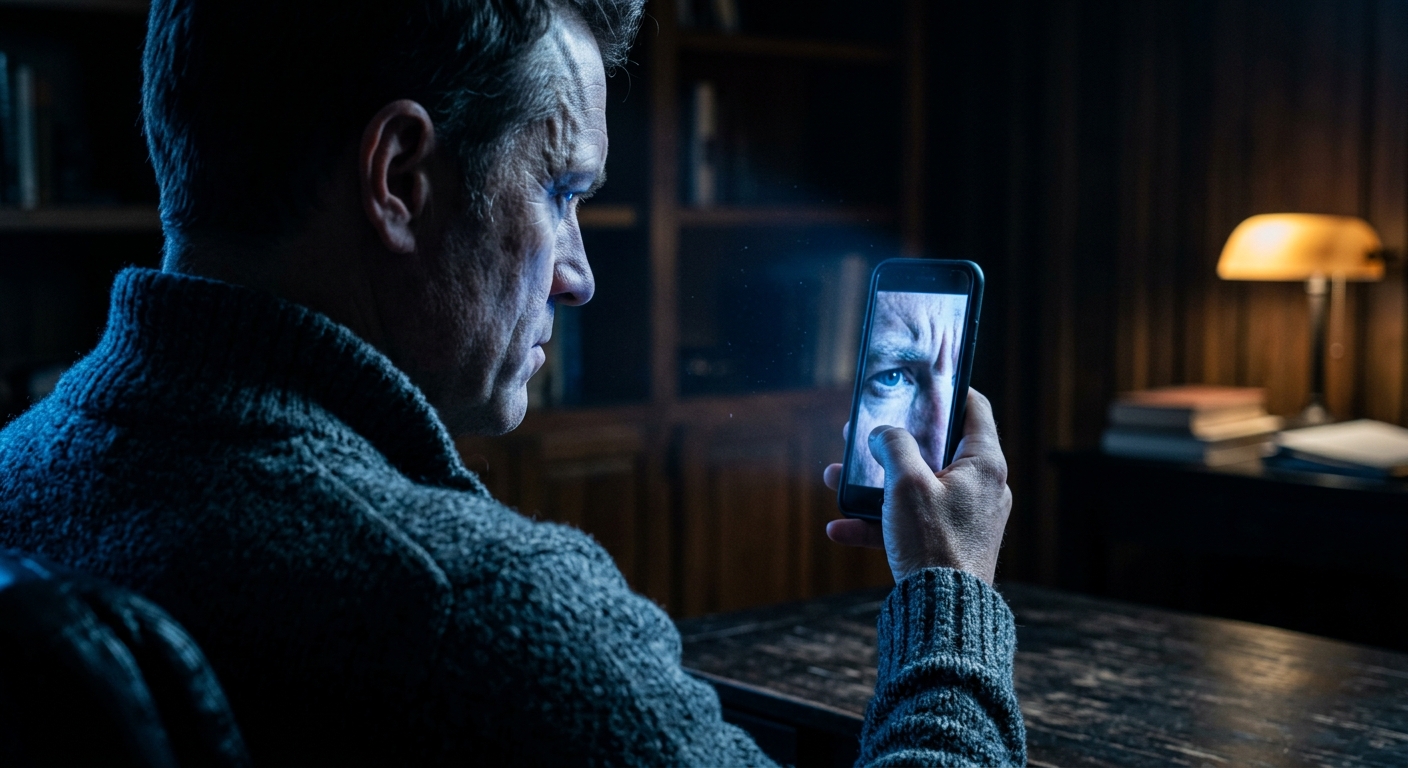
A new wave of mobile malware doesn't want your password. It wants your face, and criminals are using it to build deepfakes that fool your bank. Here's the part
