Expert commentary on facial recognition, biometrics, and AI technology.
Facial recognition breakthroughs, OSINT strategies, and investigation technology — delivered to your inbox every morning.
No spam. Unsubscribe anytime. We respect your inbox.
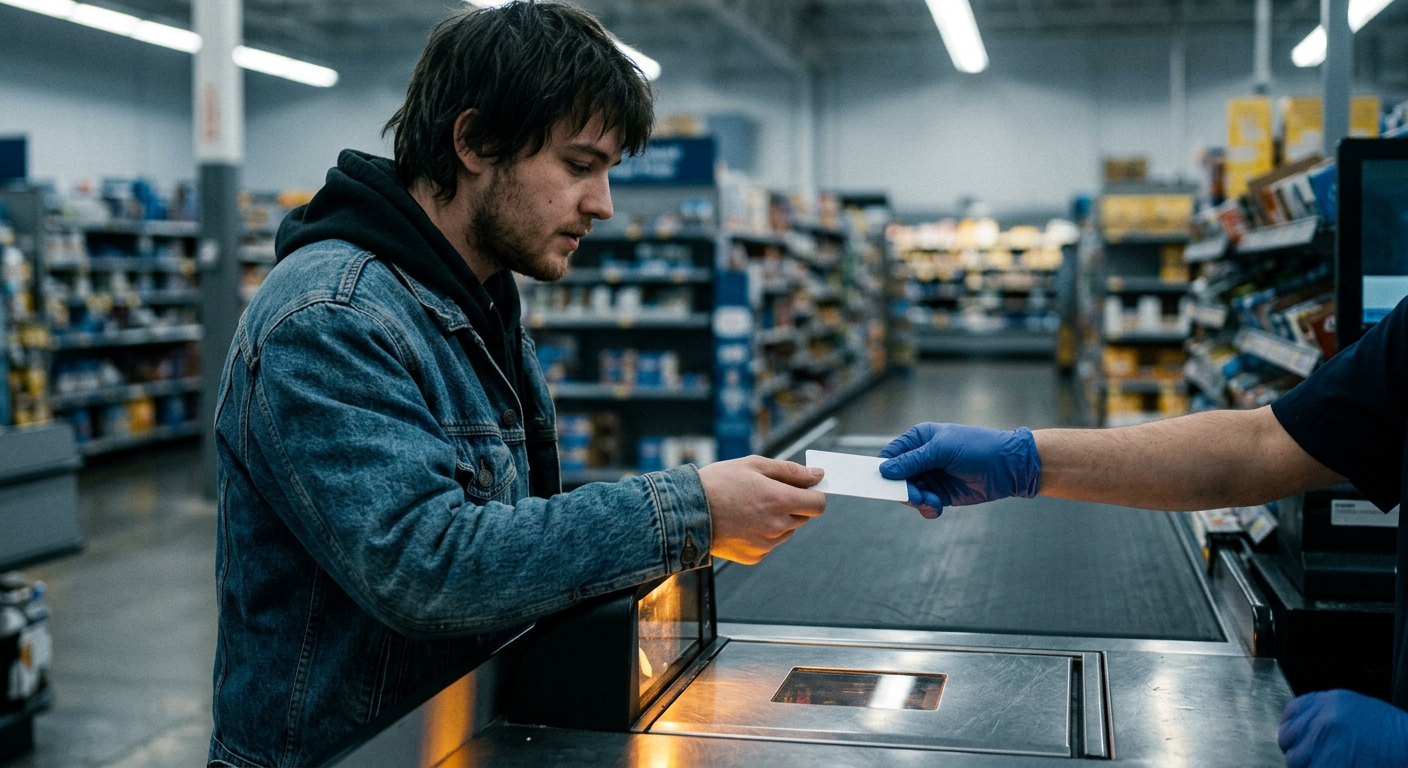
A new 97% pass rate in retail age checks isn't just a good report card, it's a preview of how often you'll be asked for ID at checkout from now on.
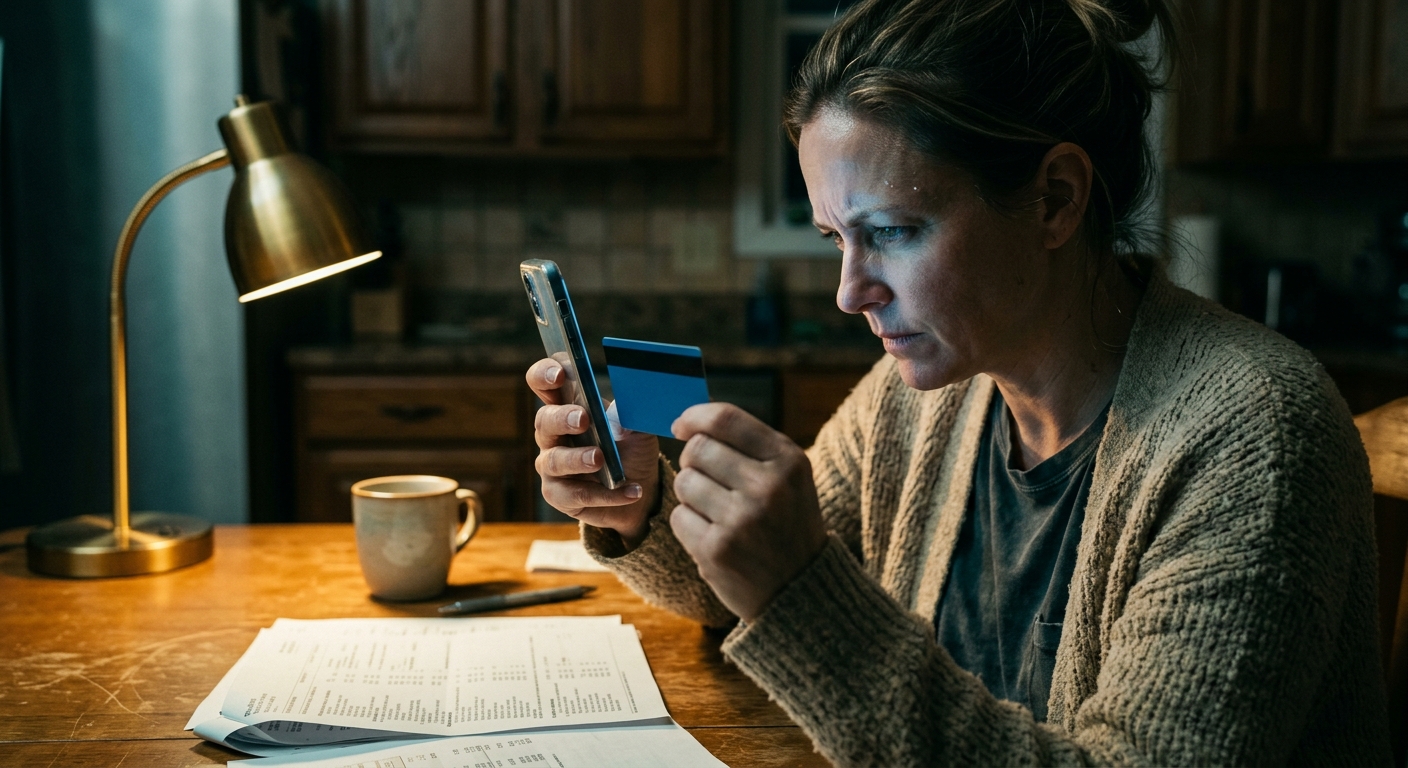
The government's own watchdog just admitted fraudsters got past its identity checks, and the fix headed your way isn't as simple as "verify more." Here's what t
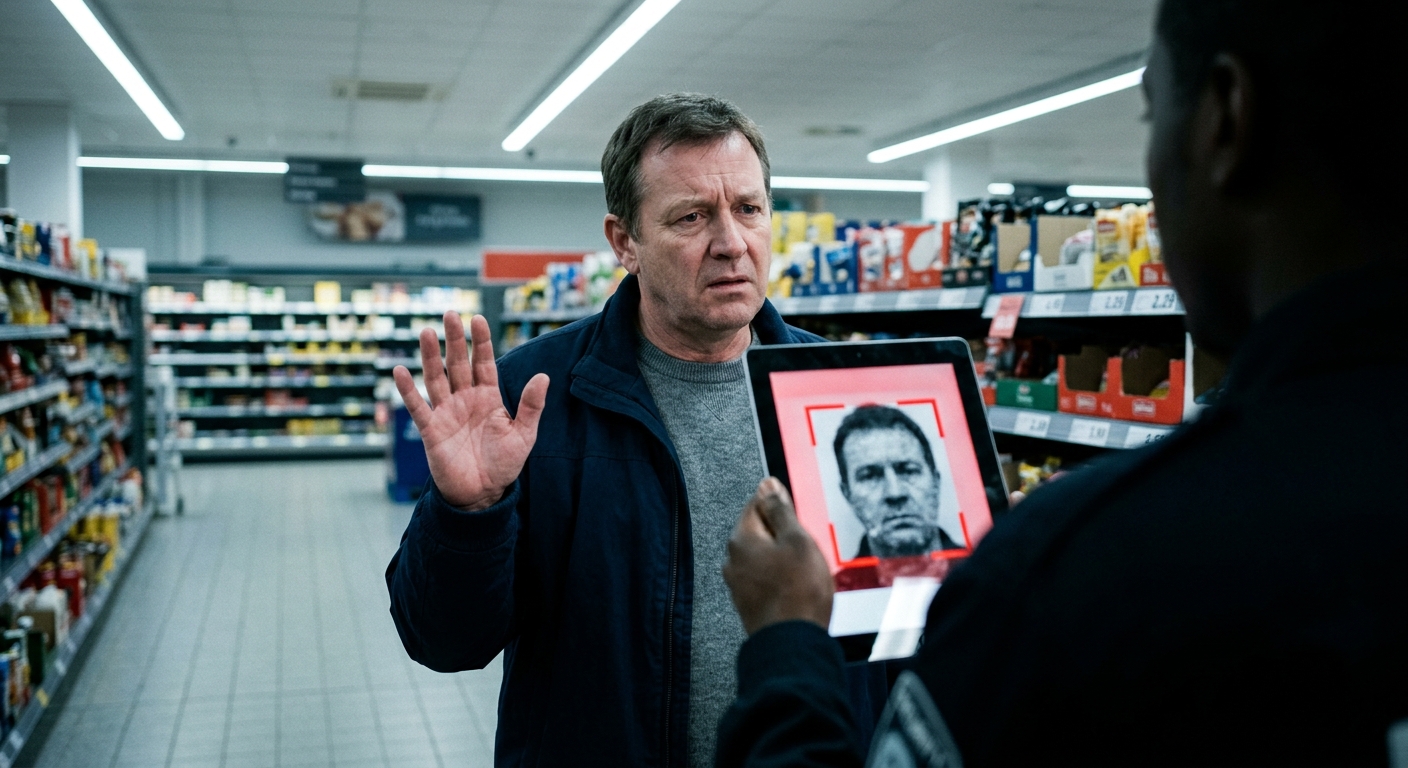
A facial recognition alert flagged the wrong man at a Sainsbury's, the second time this year. Here's why the algorithm isn't really the problem, and what to exp
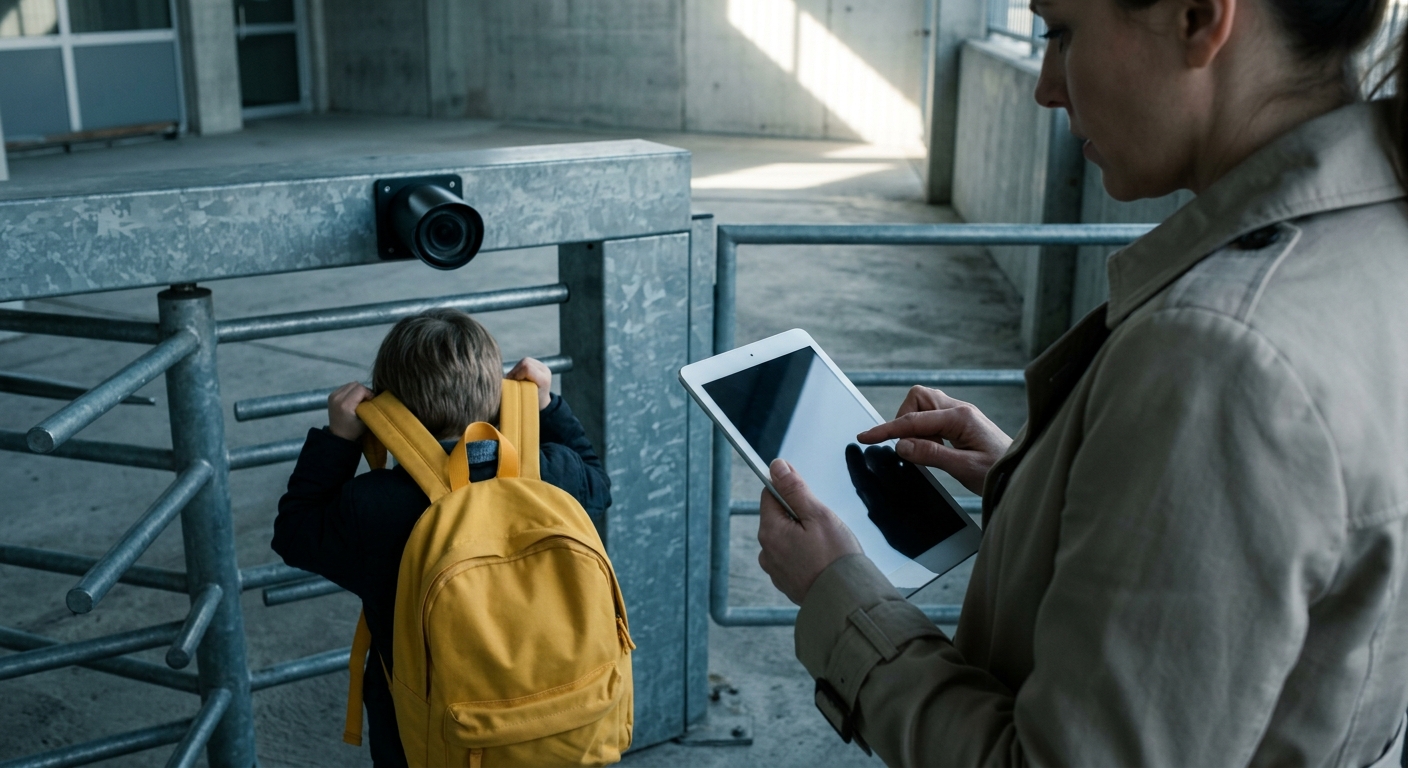
Brazil's privacy watchdog just hit pause on facial recognition in schools, and it's a preview of the questions every parent is about to start asking.
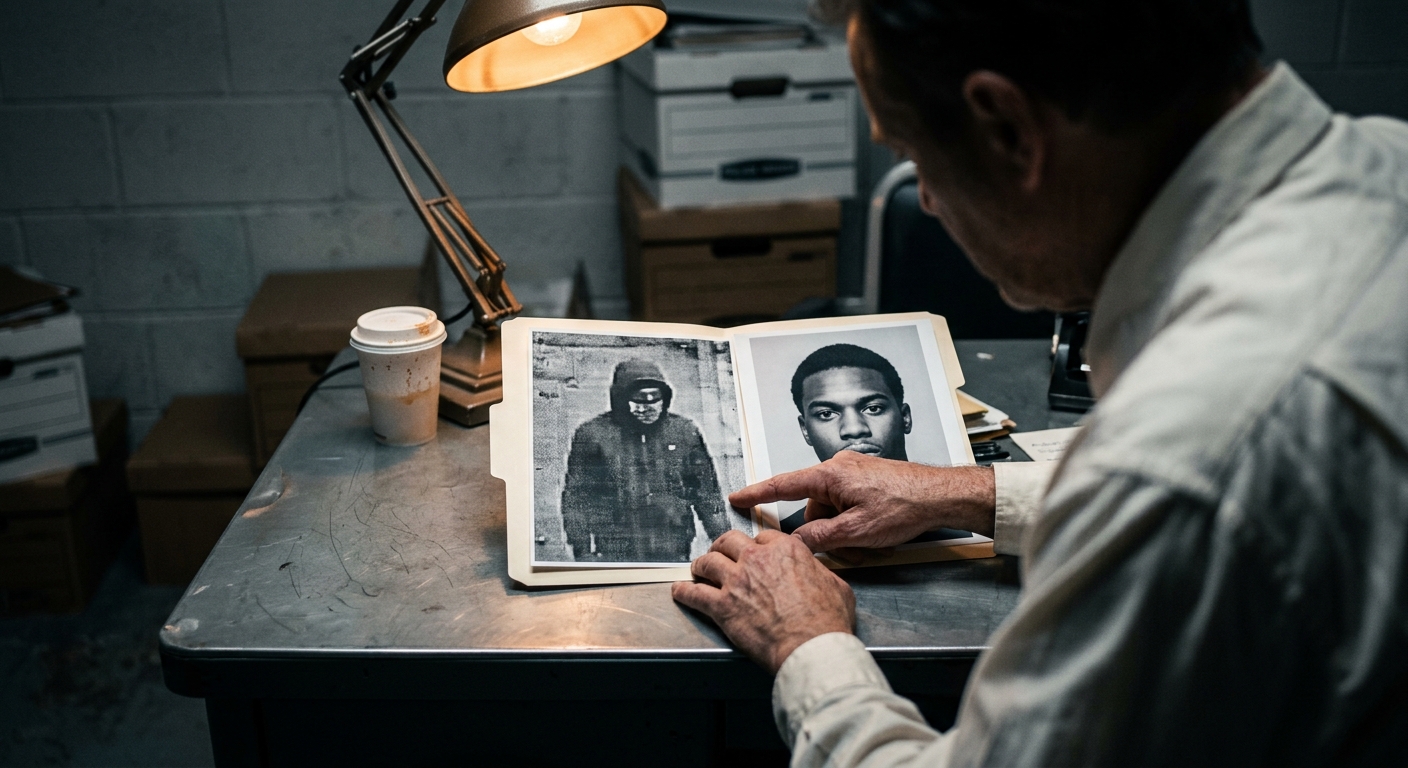
A St. Louis man's 17-month nightmare shows what happens when a computer's guess gets treated like a fact. Here's what a "match" actually means, and what to dema
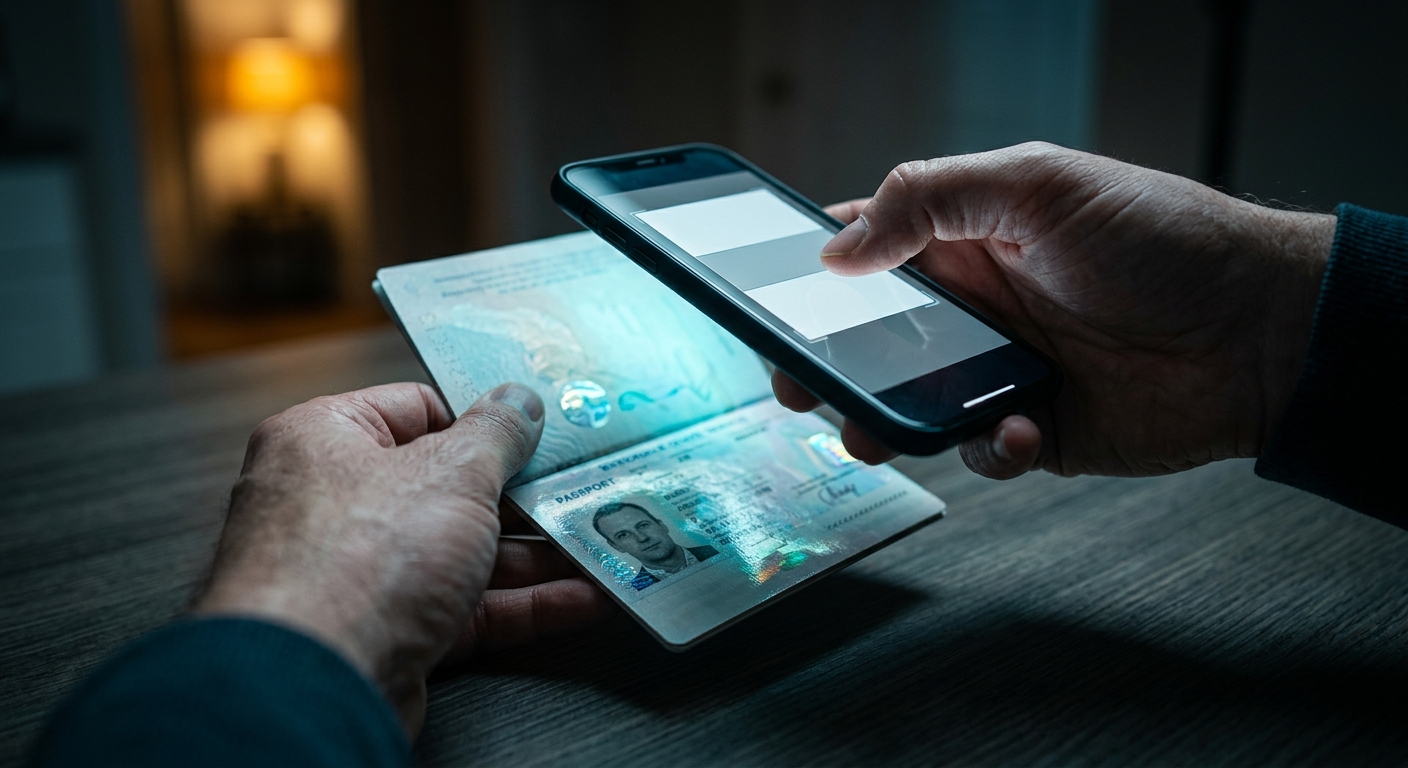
Europe's new age-verification app is designed to protect your privacy. But once "prove your age" becomes normal online, copycats will use that same trust to ste
A federal judge just ruled that a company must produce its private insurance documents in a biometric data lawsuit. The real story? The "boring paperwork", cons
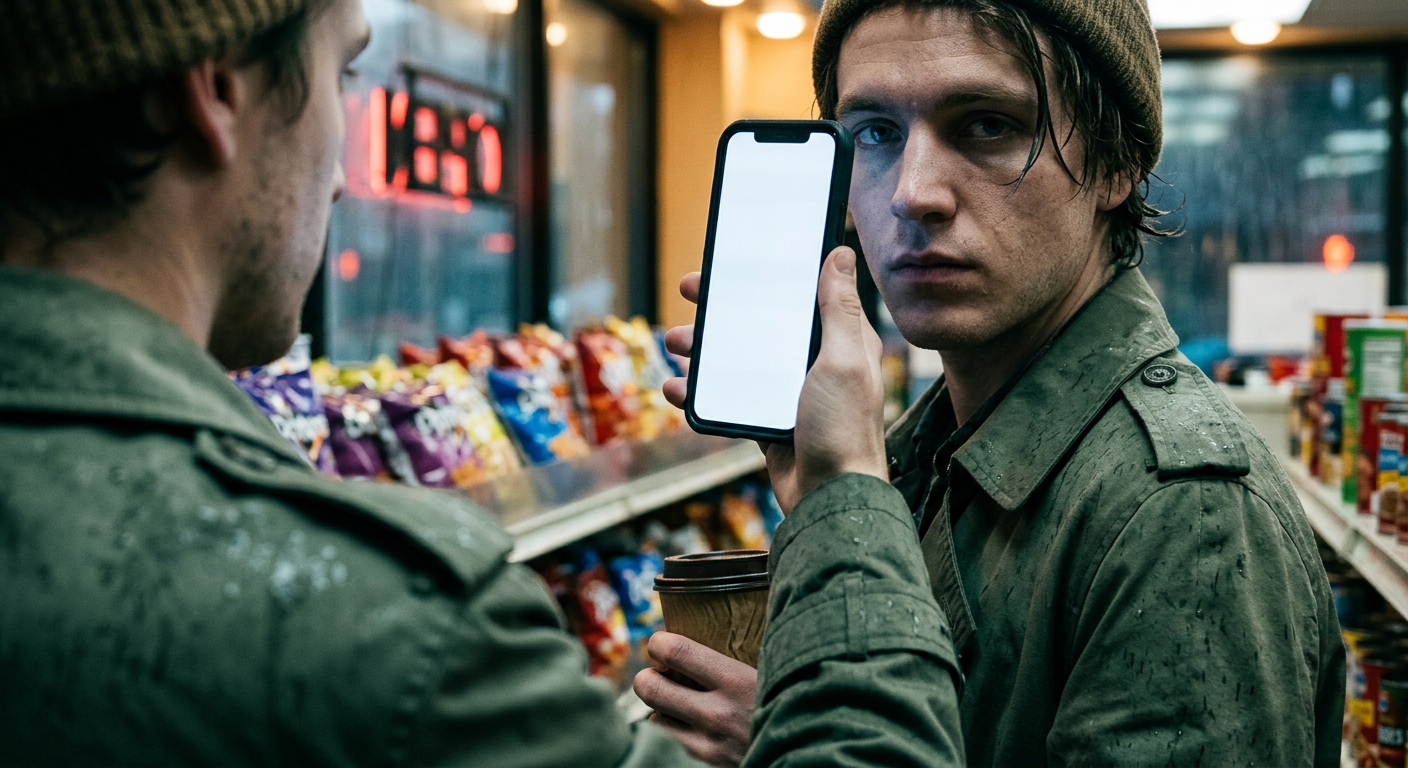
A 74-million-user payment app in Japan just made identity verification the price of admission for earning rewards. It's a quiet shift with big implications for
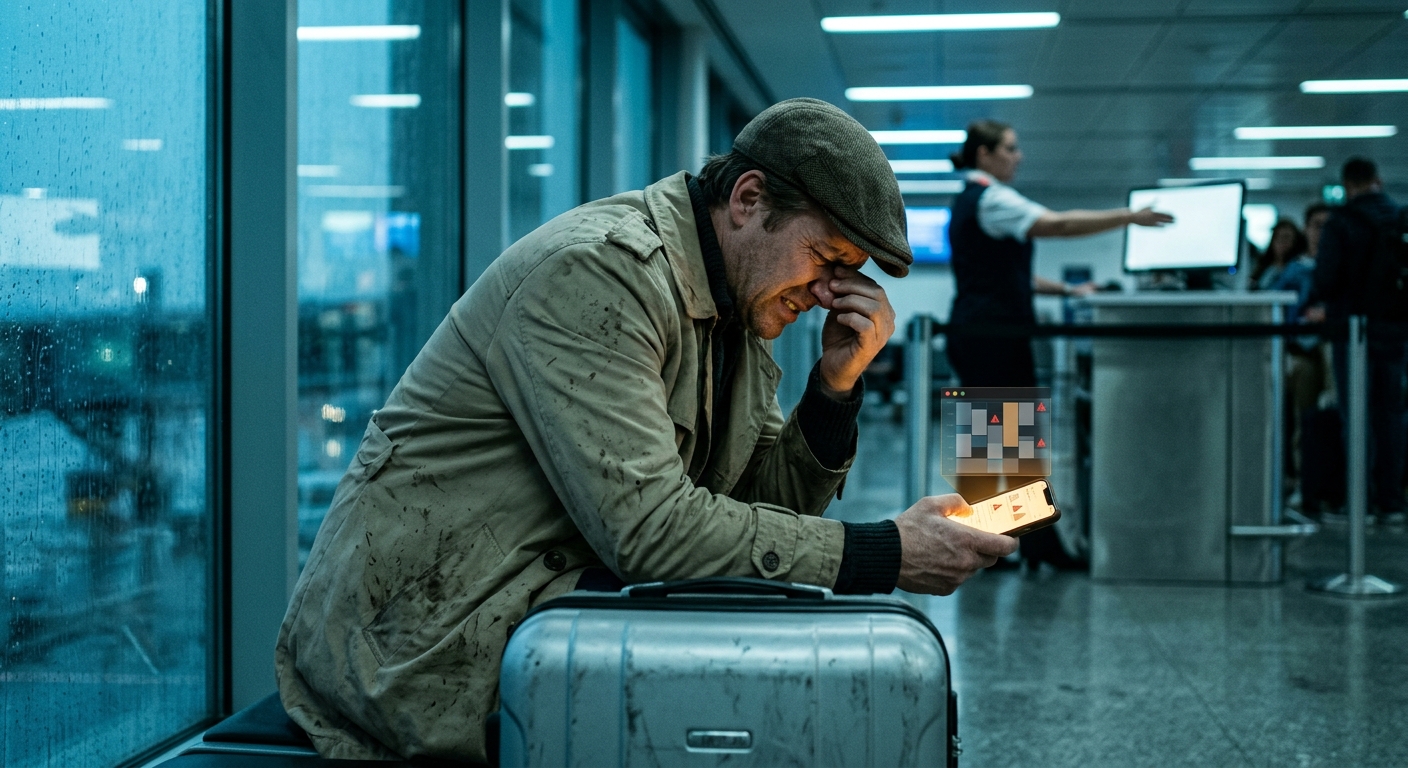
AI has been quietly making travel decisions for years. Now there are rules, and for the first time, you have the right to challenge a bad one. Here's what chang
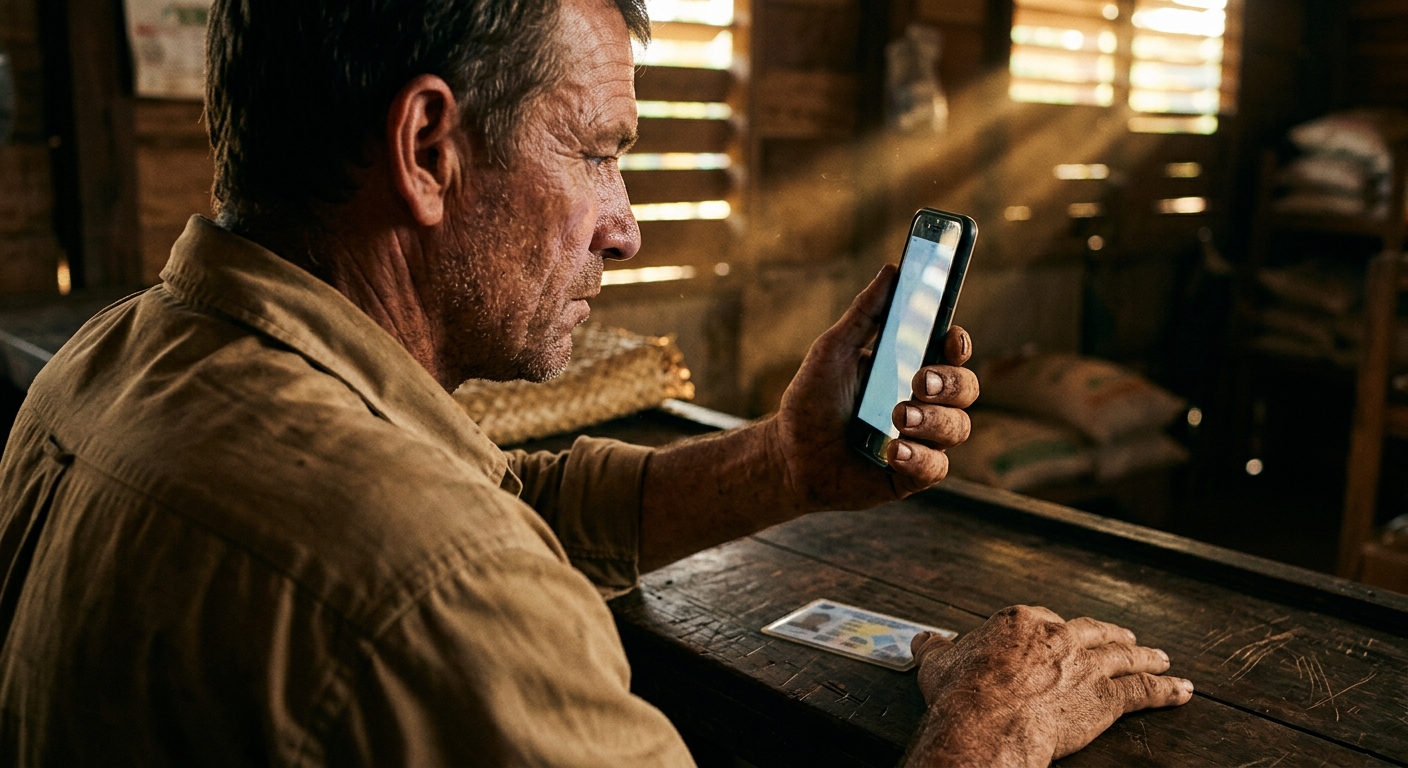
The Philippines just turned its national ID into the gatekeeper for financial access, and what happens there won't stay there. Here's what this shift means for
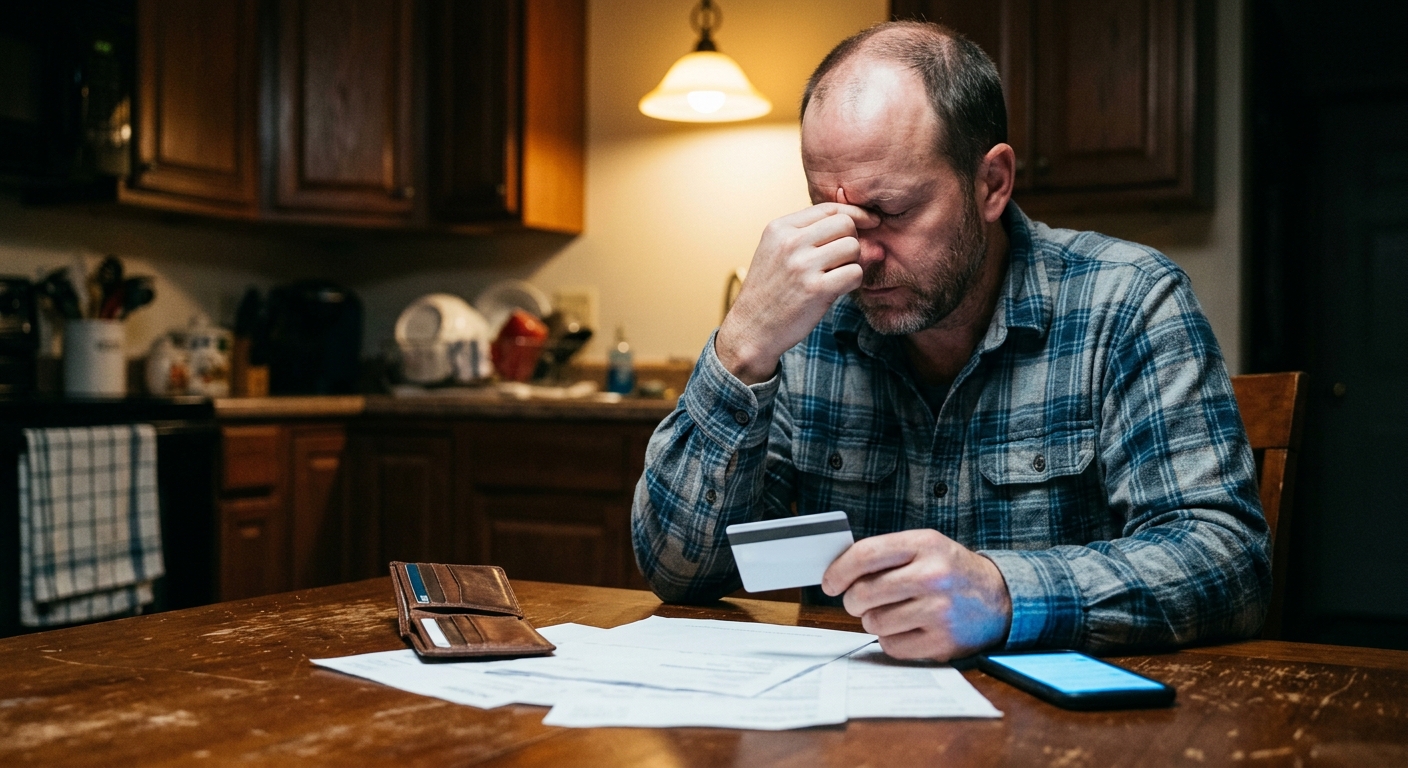
The UK Gambling Commission says gambling platforms can't reliably prove who's behind an account. That's not just a regulator headache, it's a money, family, and
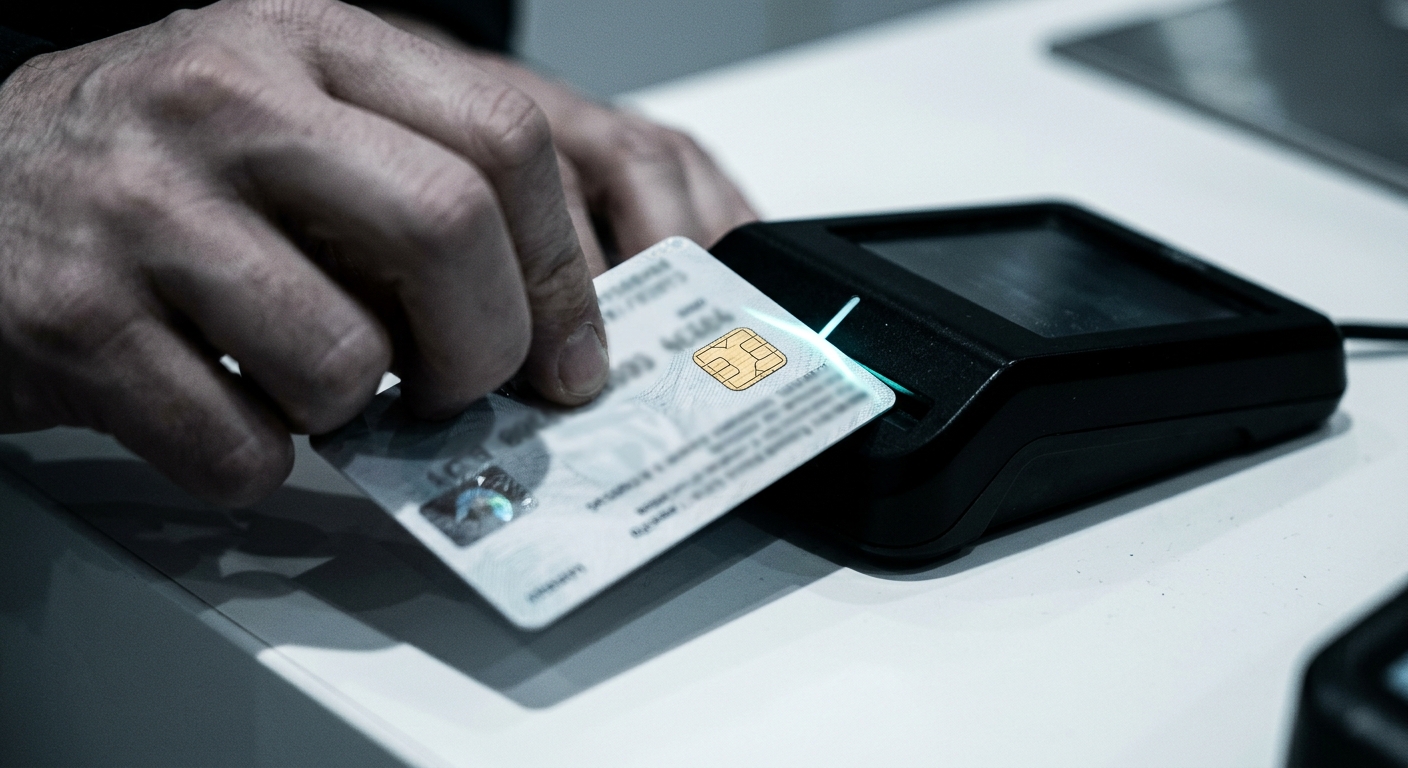
Someone could walk into a phone store today, pretend to be you, and walk out with control of your number. Japan's biggest carrier just made that a lot harder, b
