Expert commentary on facial recognition, biometrics, and AI technology.
Facial recognition breakthroughs, OSINT strategies, and investigation technology — delivered to your inbox every morning.
No spam. Unsubscribe anytime. We respect your inbox.
Google just made it easier to scrub your ID and explicit images from search results. But your leaked data is already fueling deepfake scams elsewhere, here's th
PlayStation just started asking Australian gamers to prove their age with a face scan or ID upload before buying R18+ games. Here's what that actually means for
Brazil is putting 376 million people's faces and fingerprints into one national system. It's not a scam story, it's a bigger question about what happens when yo
The Gambling Commission just admitted that betting platforms can take your money without really knowing who you are. Here's what that gap means for you.
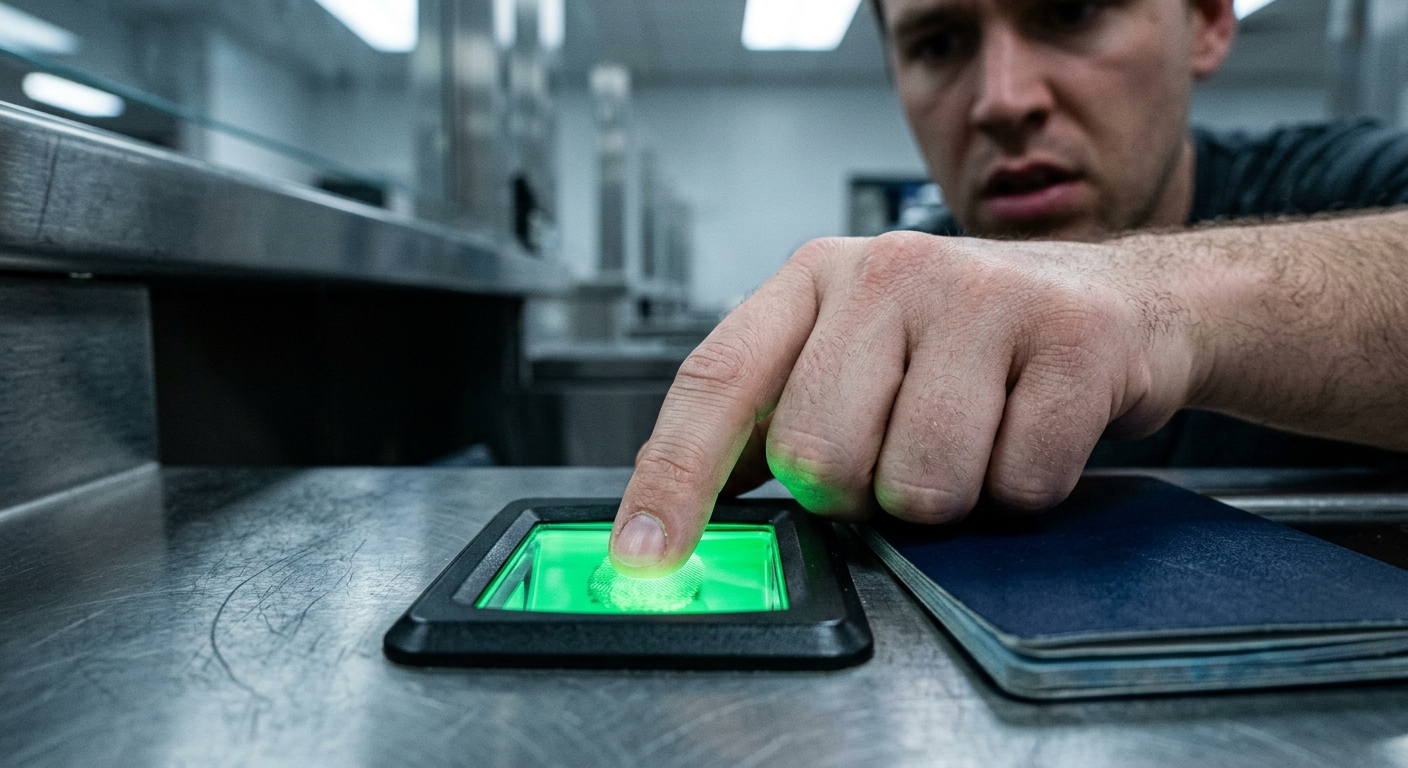
Sri Lanka just moved to make your fingerprints part of your passport. Before you hand them over, here's what you actually deserve to know.
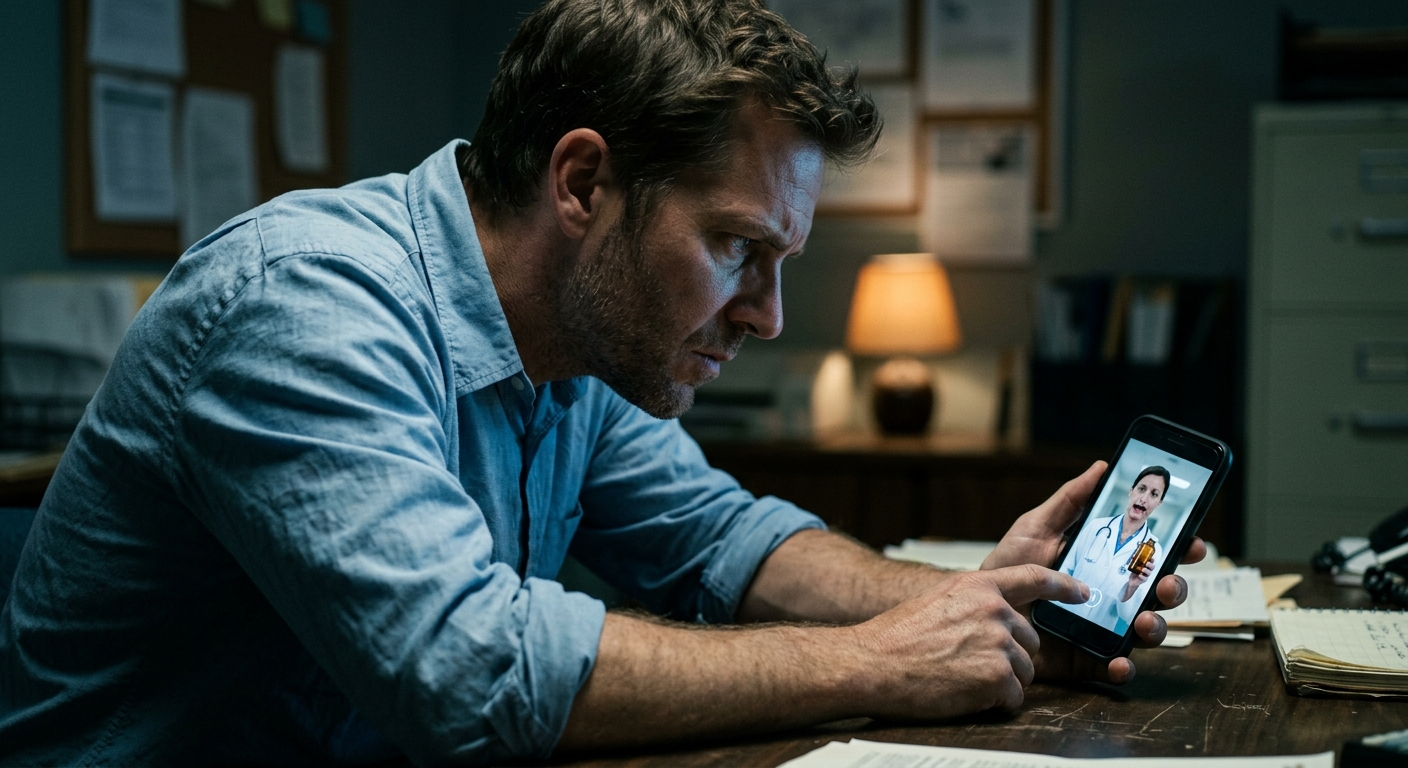
A Belgian hospital just warned that AI-generated videos of doctors are being used to sell medicine online. Here's why "seeing a doctor say it" doesn't mean it h
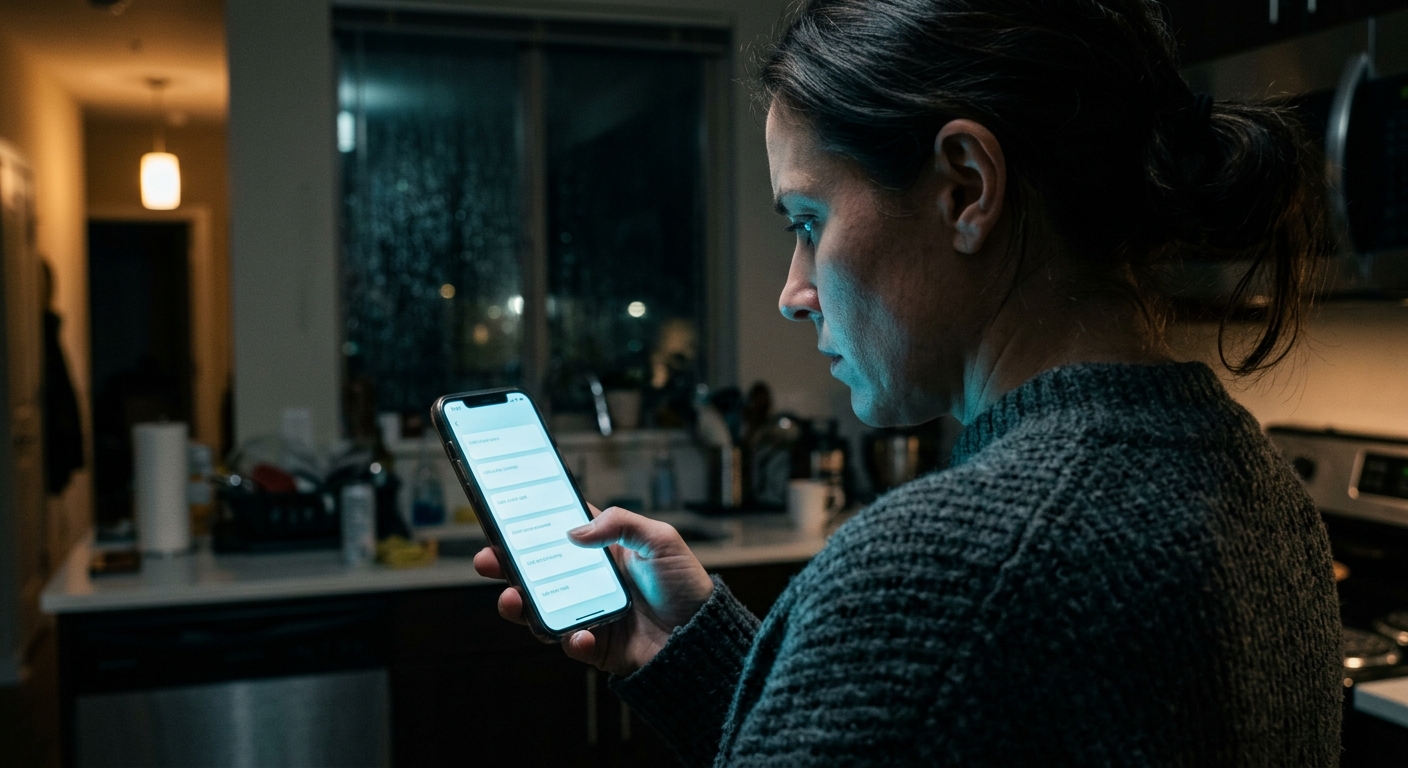
Korea is building one login screen for six different bank identities. Convenient? Absolutely. But can you actually take it back once you've handed it over?
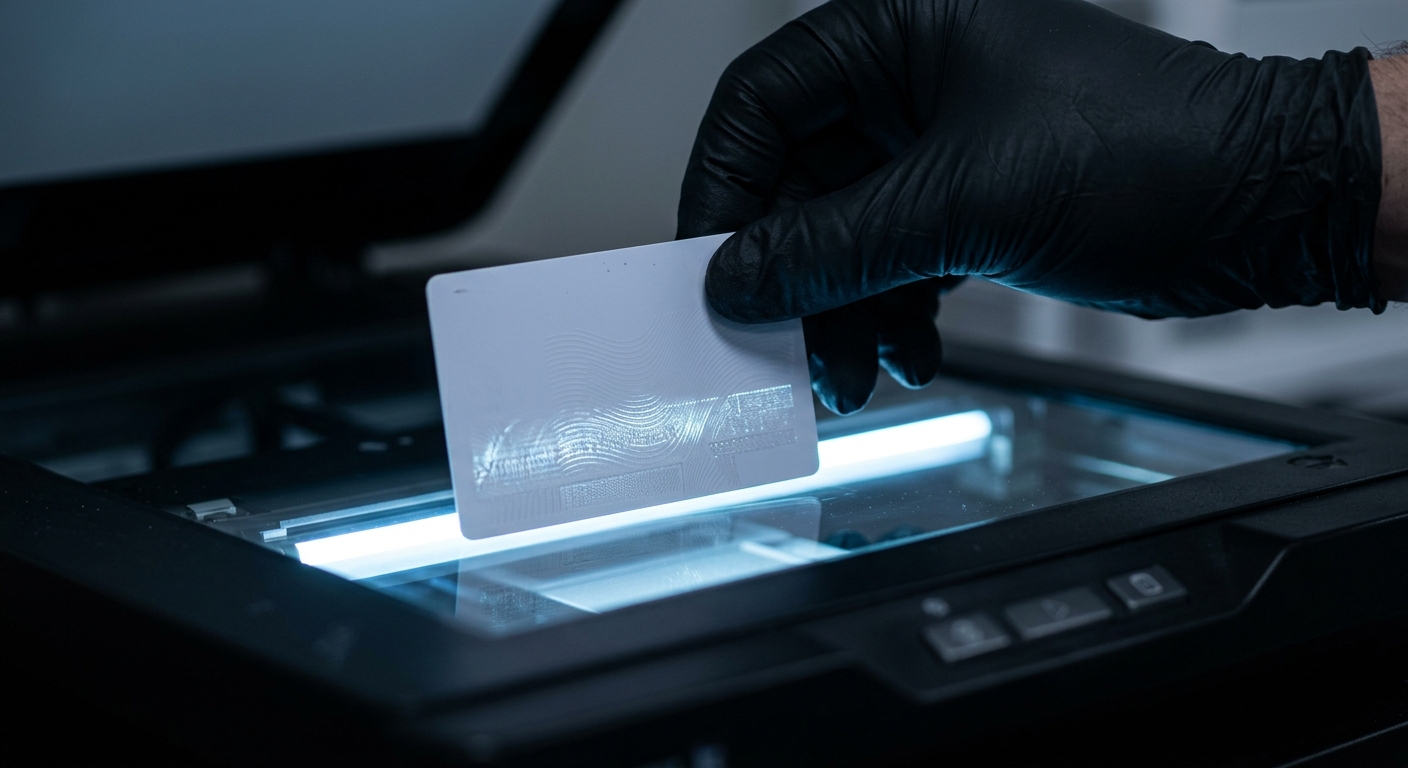
Security researchers showed that invisible text hidden inside a document image can trick the AI reading your ID, turning your driver's license upload into a pos

Illinois employers are getting sued over a 25-year-old law nobody paid attention to, and it's not about your face or your fingerprint. It's about your family's
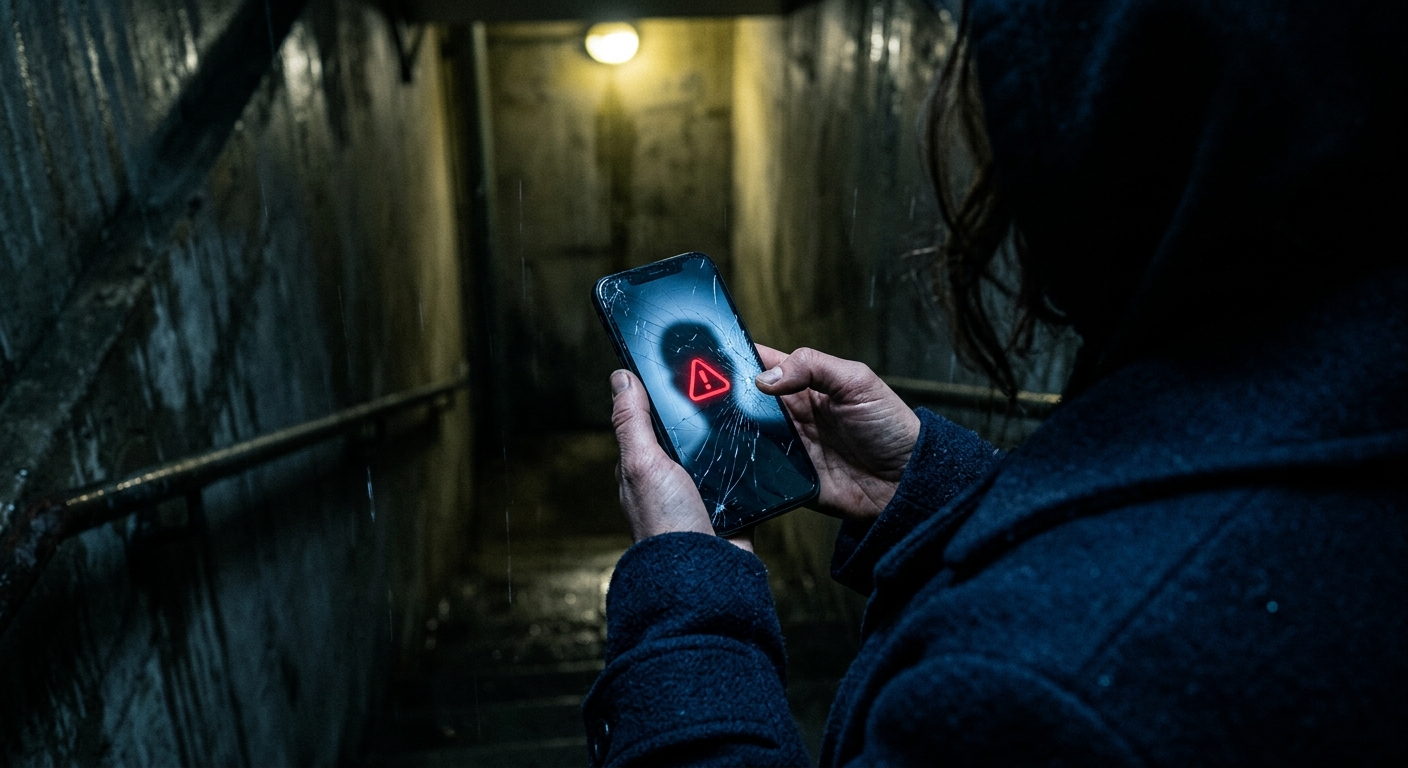
Ticketmaster clears your face data in 60 days if your ID check passes. If it fails, bad lighting, bad angle, whatever, they can keep your face on file for three
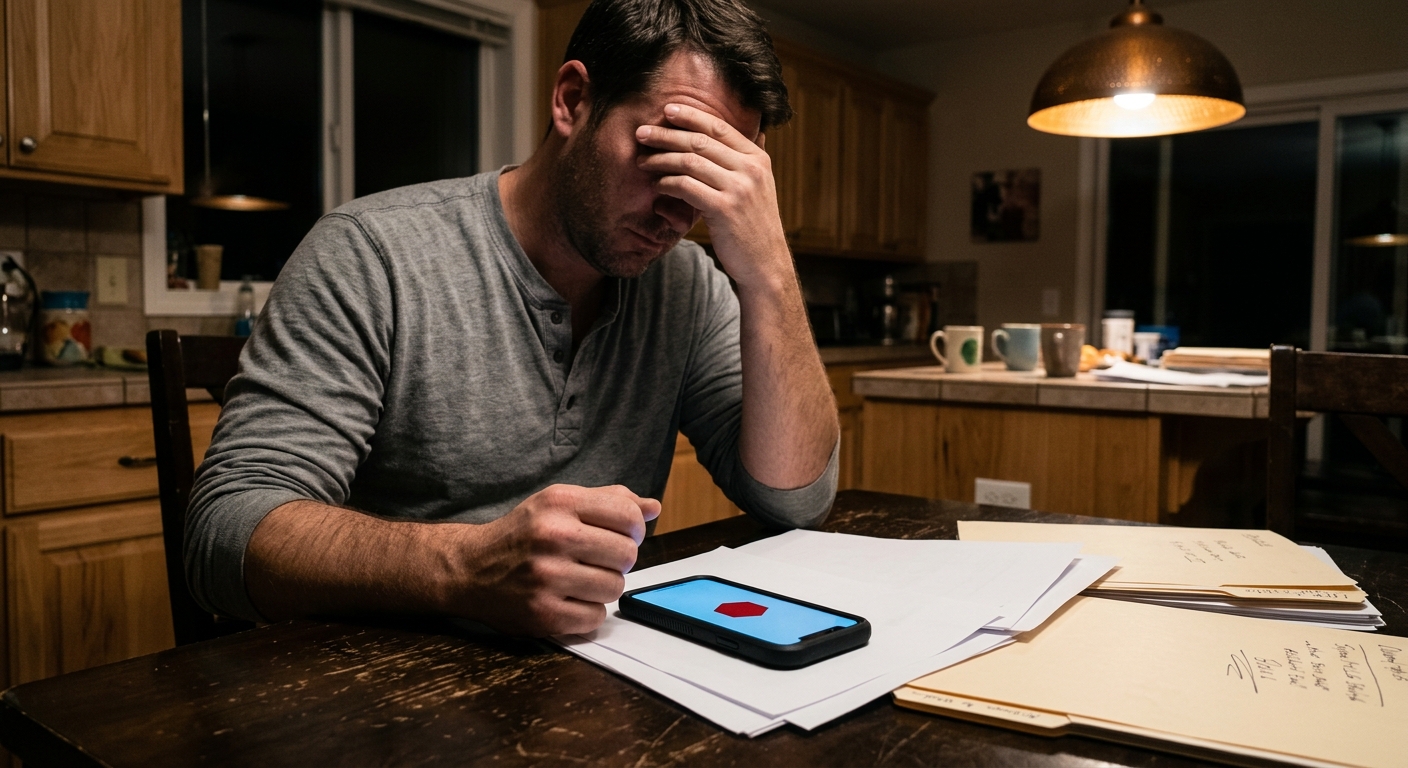
A company most people have never heard of just bought another company most people have never heard of, and the deal could decide whether your mortgage or benefi
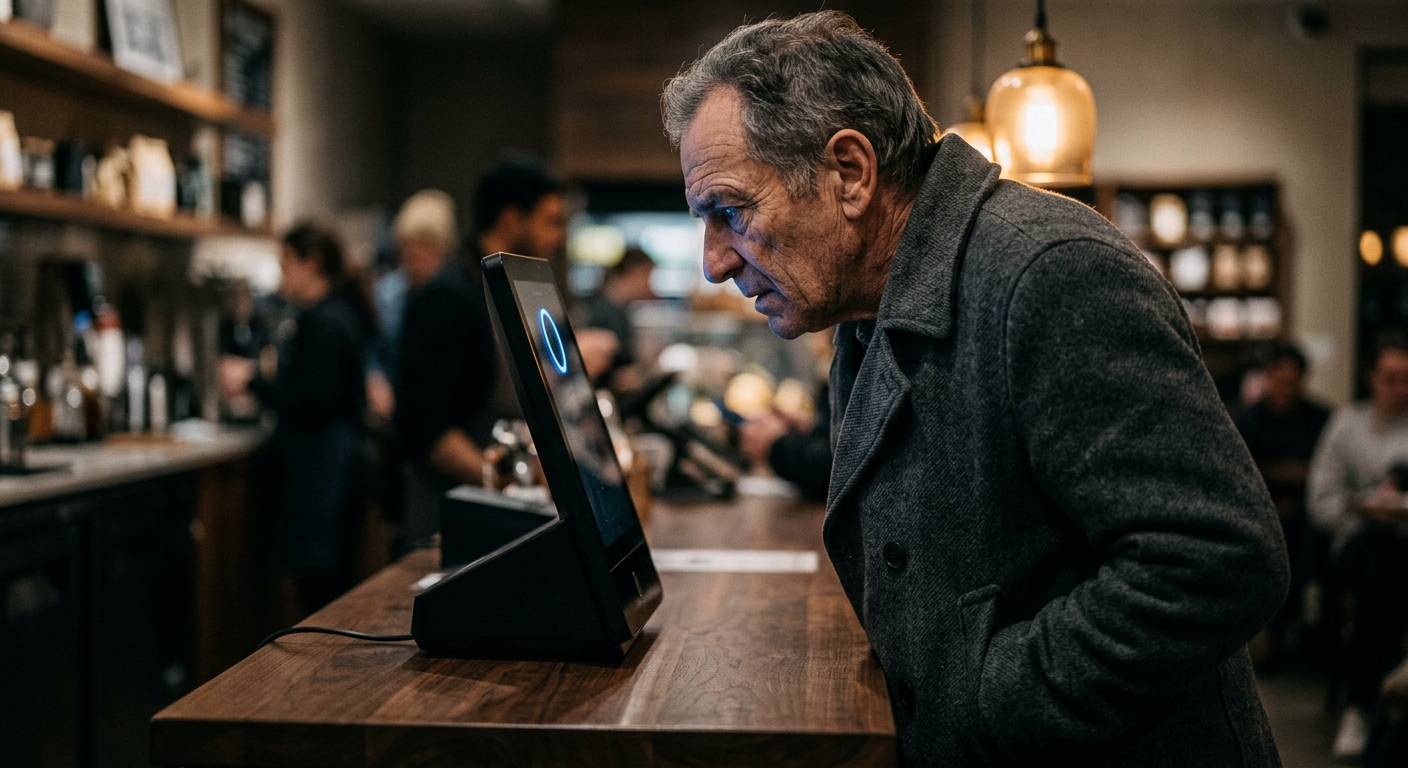
Face-payment tech is being sold as the next tap-to-pay. But your face isn't a card number, you can't cancel it and get a new one. Here's what to actually ask be
