Expert commentary on facial recognition, biometrics, and AI technology.
Facial recognition breakthroughs, OSINT strategies, and investigation technology — delivered to your inbox every morning.
No spam. Unsubscribe anytime. We respect your inbox.
A fake photo of a teacher or coach can spread before anyone checks if it's real. Here's what the new federal deepfake law does, and doesn't, fix.
A Reno truck driver spent 11 hours in jail after facial recognition said he was "100% match" to a banned gambler. Now he wants the names of 167 other people fla
One man's deepfake romance scam shows the scary new math of online dating fraud, it doesn't take a thousand fake profiles anymore, just one that looks real enou
One ordinary school photo is now enough raw material for an AI app to create a fake, explicit image of a teenager, and most schools have no plan for when it hap
A retired psychologist lost $180,000 to a deepfake romance scam. It's not a story about being gullible, it's a story about how AI-manufactured trust builds slow
Fake videos of Elon Musk and Johann Rupert convinced South Africans to hand over R1 billion. The scariest part? The tech behind it is now cheap, fast, and every
Bots on Telegram are reportedly handing out credits and referral bonuses for creating AI-generated intimate images, including images of children. Here's the pla
Australia just removed over 3,100 AI-powered crypto scams, but the real story is that faking a trustworthy face now takes minutes, not a criminal network.

A courtroom in Oakland is deciding whether states can force platforms like Instagram to verify your age with more than a birthday box, and the answer could chan
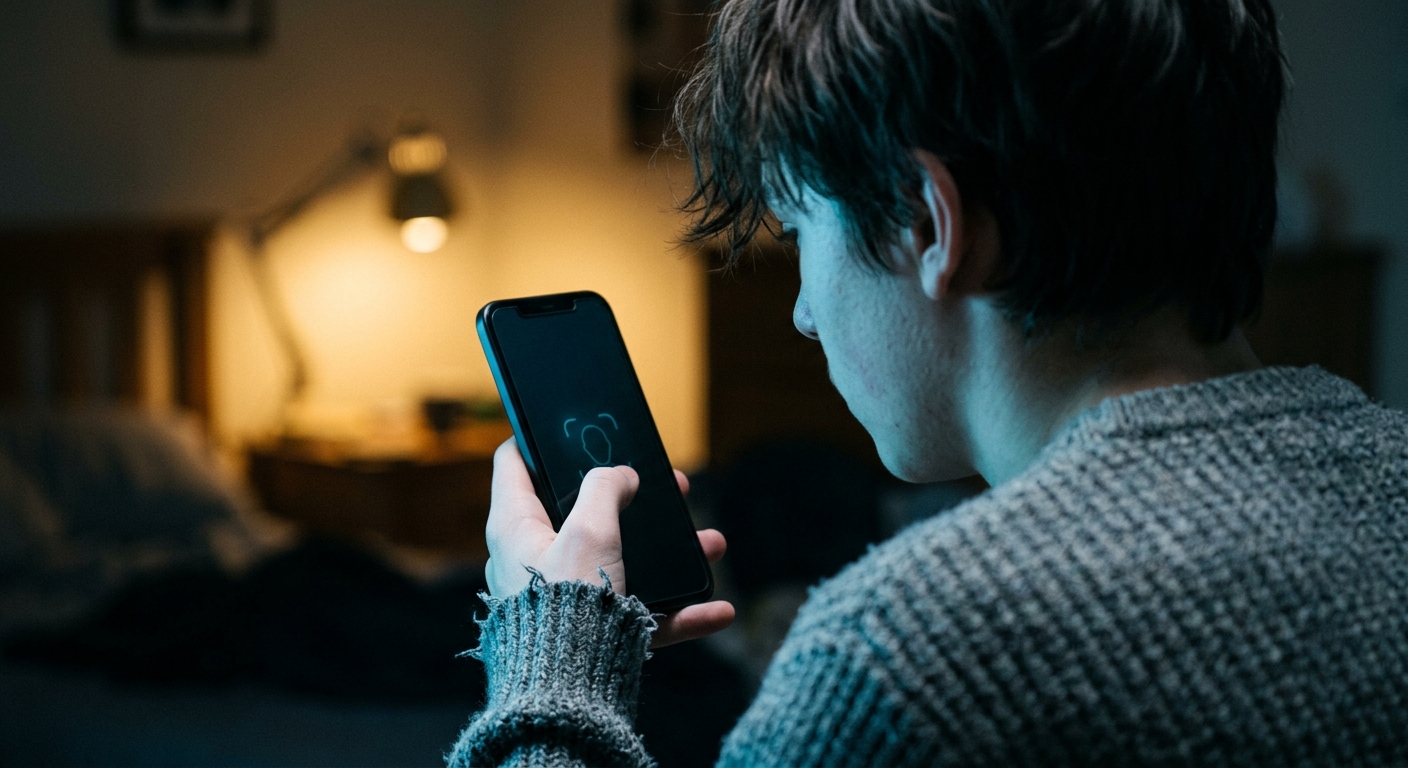
A $400 million settlement just made "type any birthday" obsolete. Here's what's coming to your family's screens next, and what to ask before you click "continue
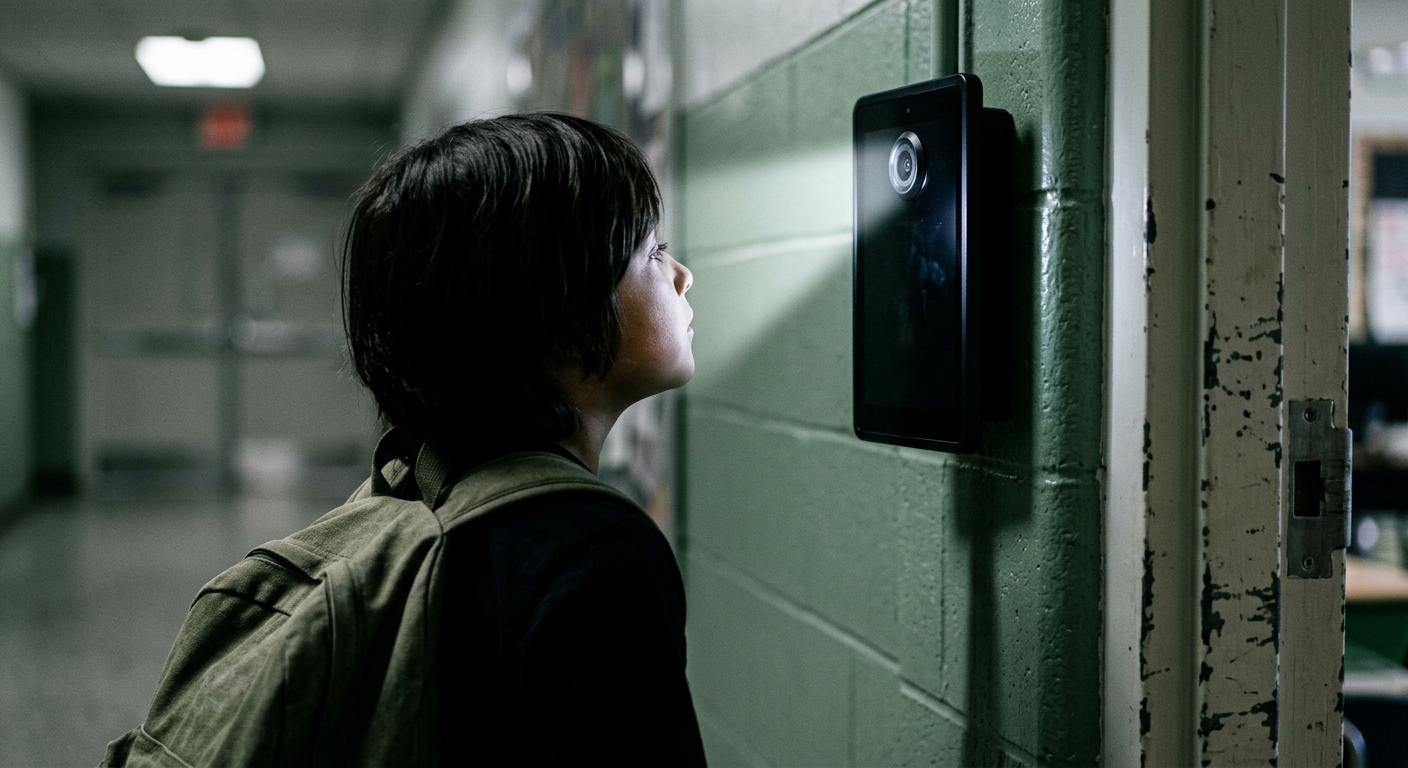
Brazil just told schools to stop scanning kids' faces for attendance. A password can be reset. A face can't. Here's why that distinction just became law.
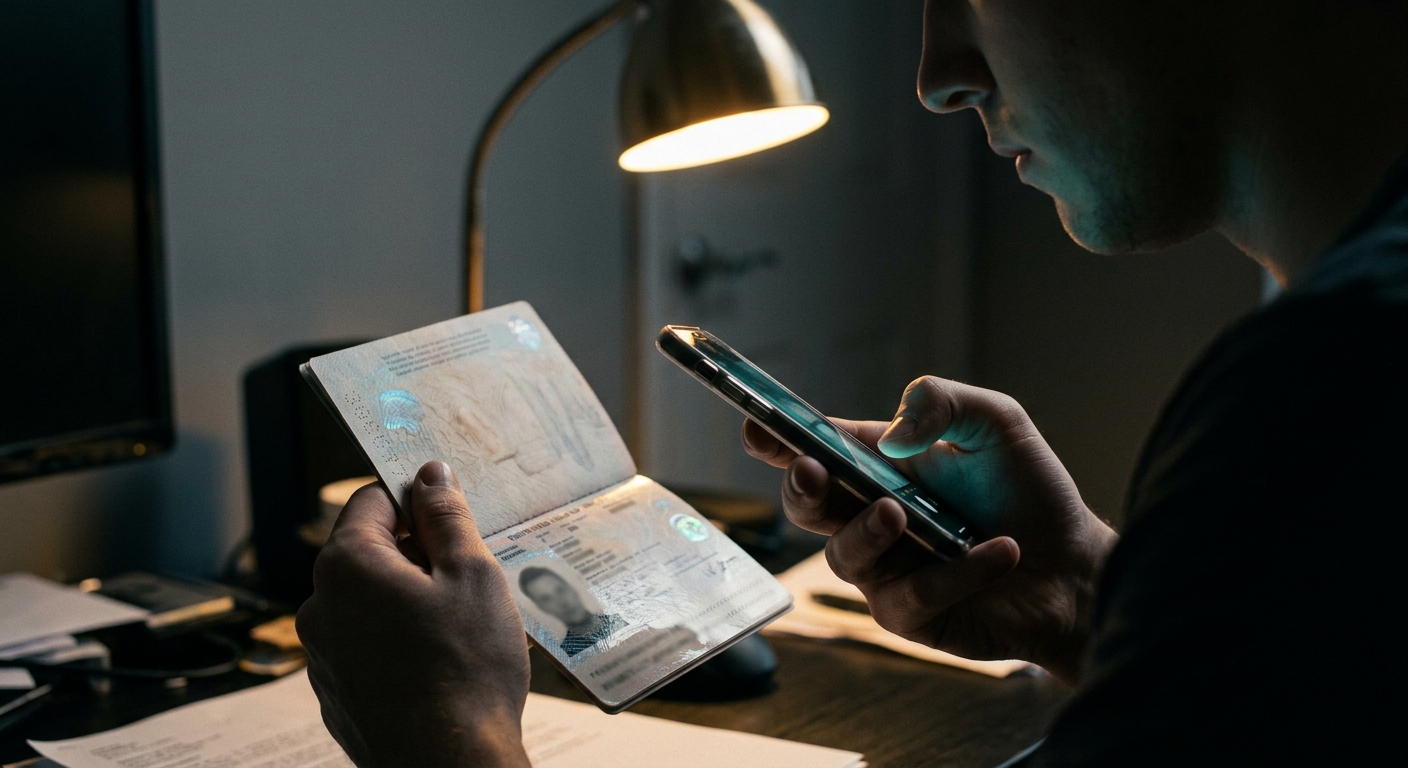
The EU built an age-verification app that can prove you're old enough without handing over your ID. The catch? Websites don't have to use it.
