Expert commentary on facial recognition, biometrics, and AI technology.
Facial recognition breakthroughs, OSINT strategies, and investigation technology — delivered to your inbox every morning.
No spam. Unsubscribe anytime. We respect your inbox.
Meta's smart-glasses app had finished facial-recognition code sitting inside it on 50 million phones, before anyone turned it on. The question nobody's asking l
Anthropic quietly started asking users for government-issued ID to use Claude. OpenAI got federal approval for GPT-5.6. The next AI fight isn't about what AI ca
A teacher in India didn't need a deepfake to have her reputation shredded online. The mere question, "is this real or AI?", did the damage. Here's why that's a
South Korea just let payment apps verify your government ID in real time. That's not just a fintech story, it's a preview of how scammers will come for you next

The next time an app asks you to verify your identity, it might not just be checking your email, it could be plugging straight into a national government ID sys
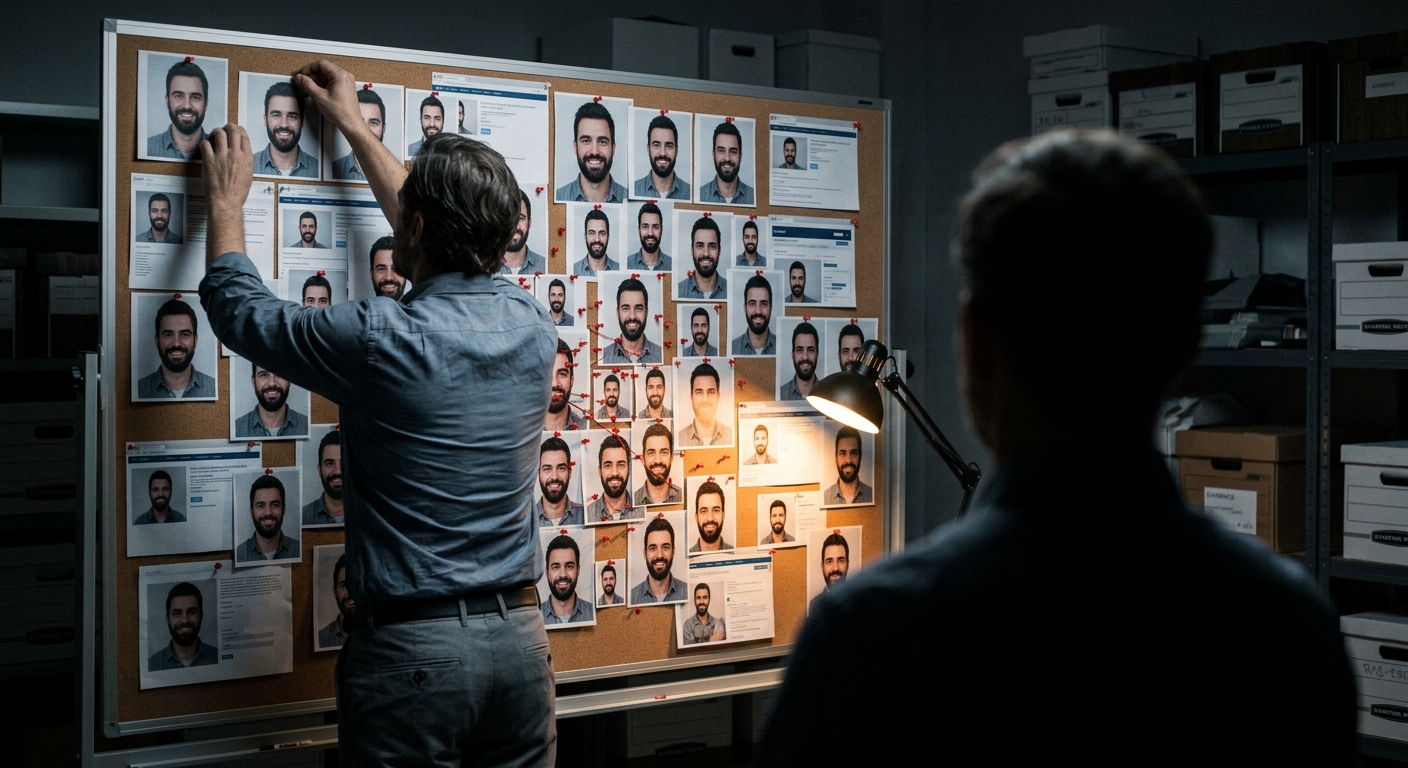
A single criminal operation ran 15,500 lookalike investment websites, complete with deepfake celebrity interviews, and your brain was the real target. Here's wh
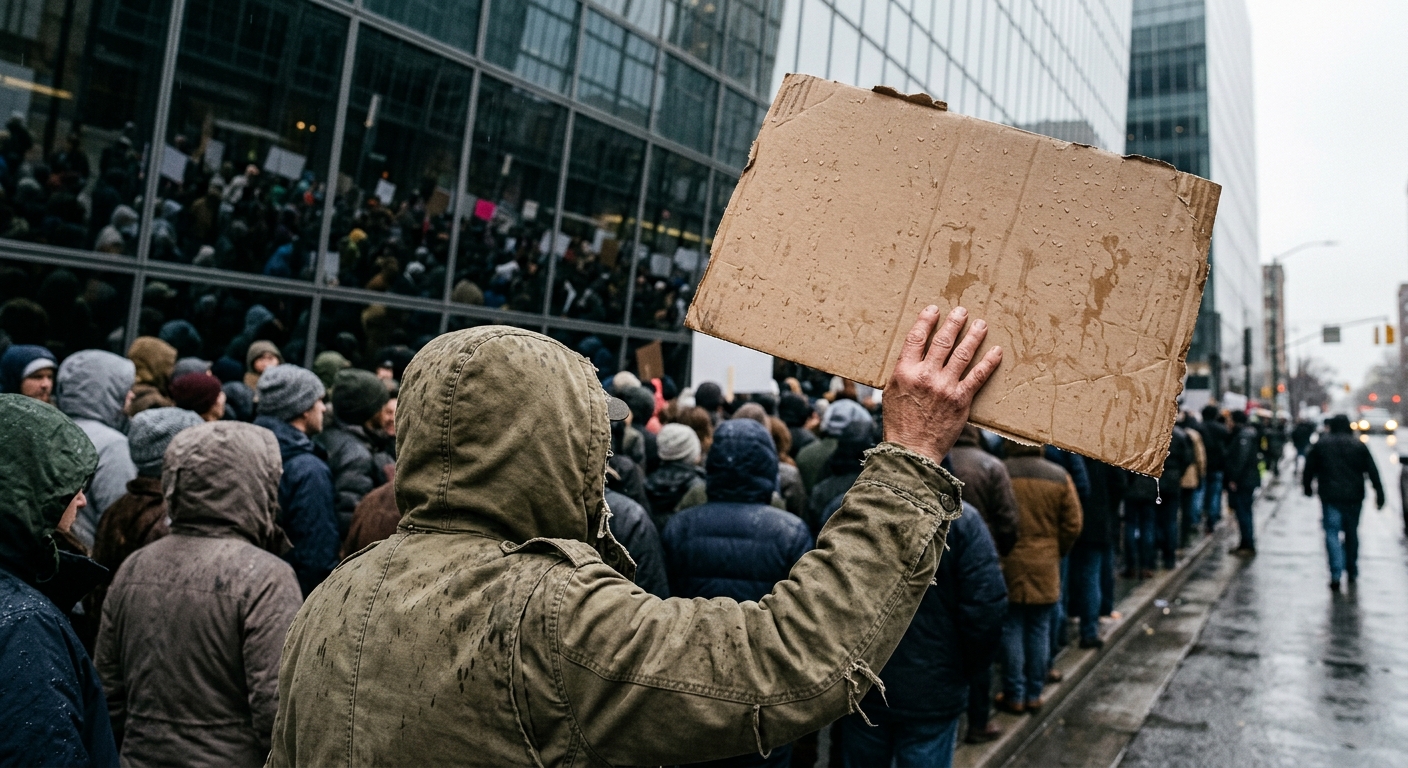
When regular people start showing up outside AI labs asking them to slow down, that's not a tech story anymore, it's everyone's story. Here's what just changed
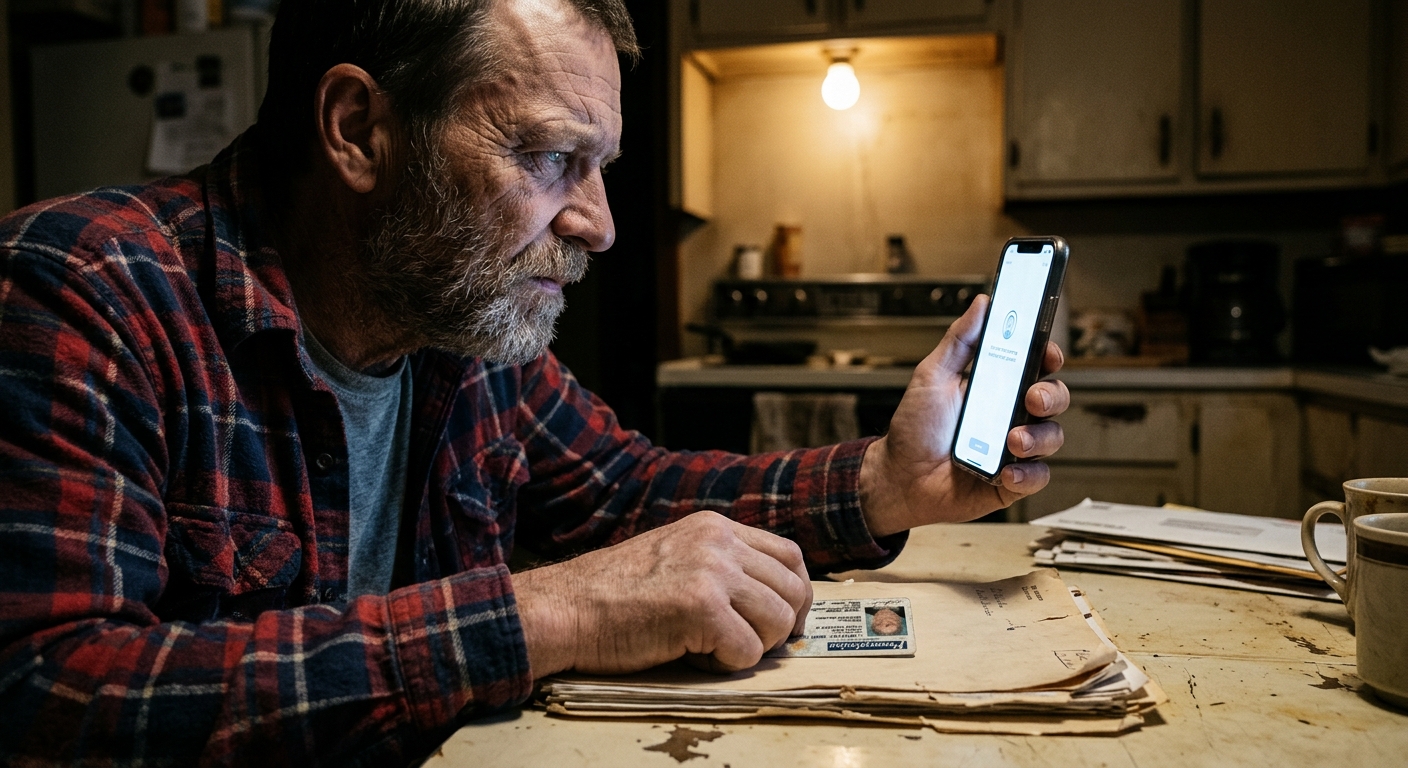
The federal government just spent $163 million to make sure the person logging into your benefits account is actually you. Here's what that means for everyday A
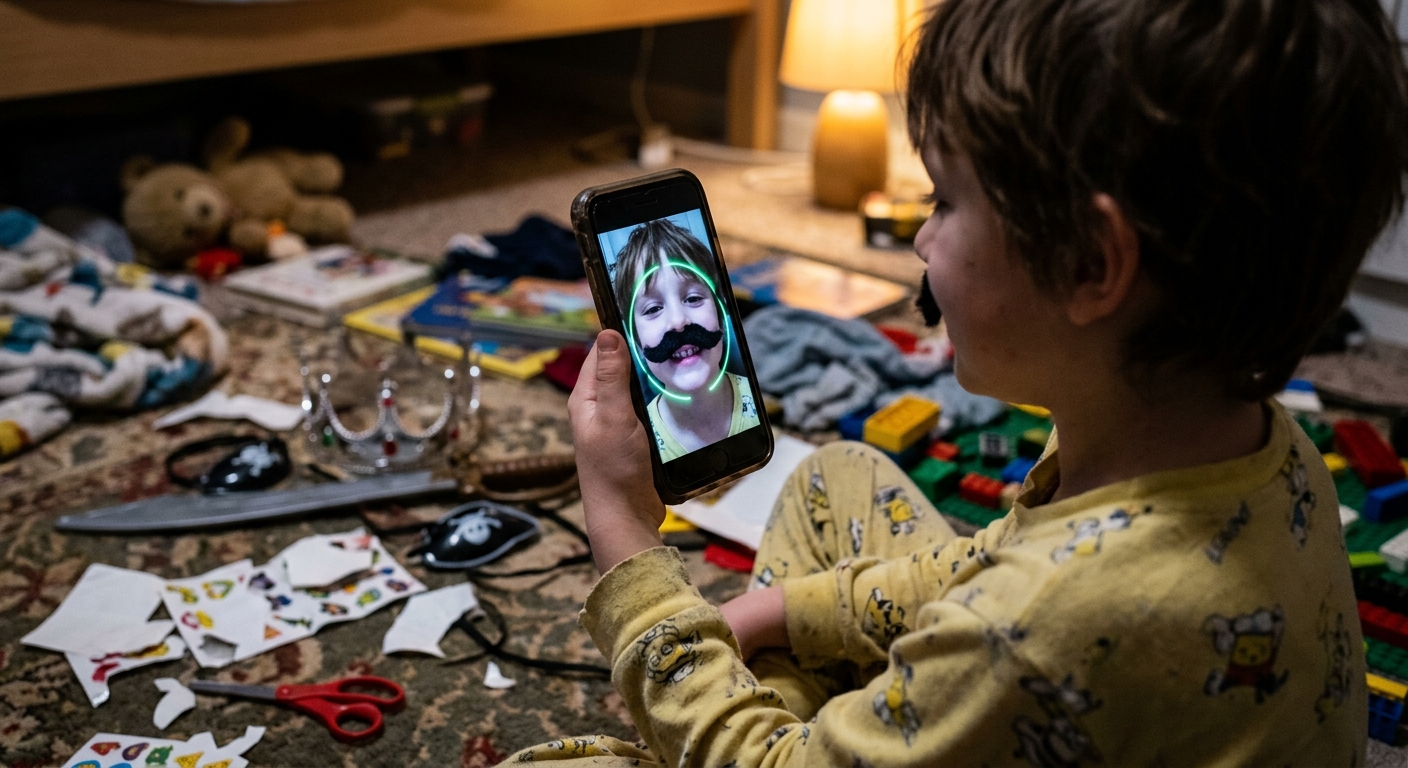
A study found kids are bypassing age verification systems with fake moustaches and video game characters. If that sounds absurd, it should, and here's why it's

Illinois just passed a landmark AI law requiring independent audits and human accountability. If AI helps make a decision about your life, someone now has to ex
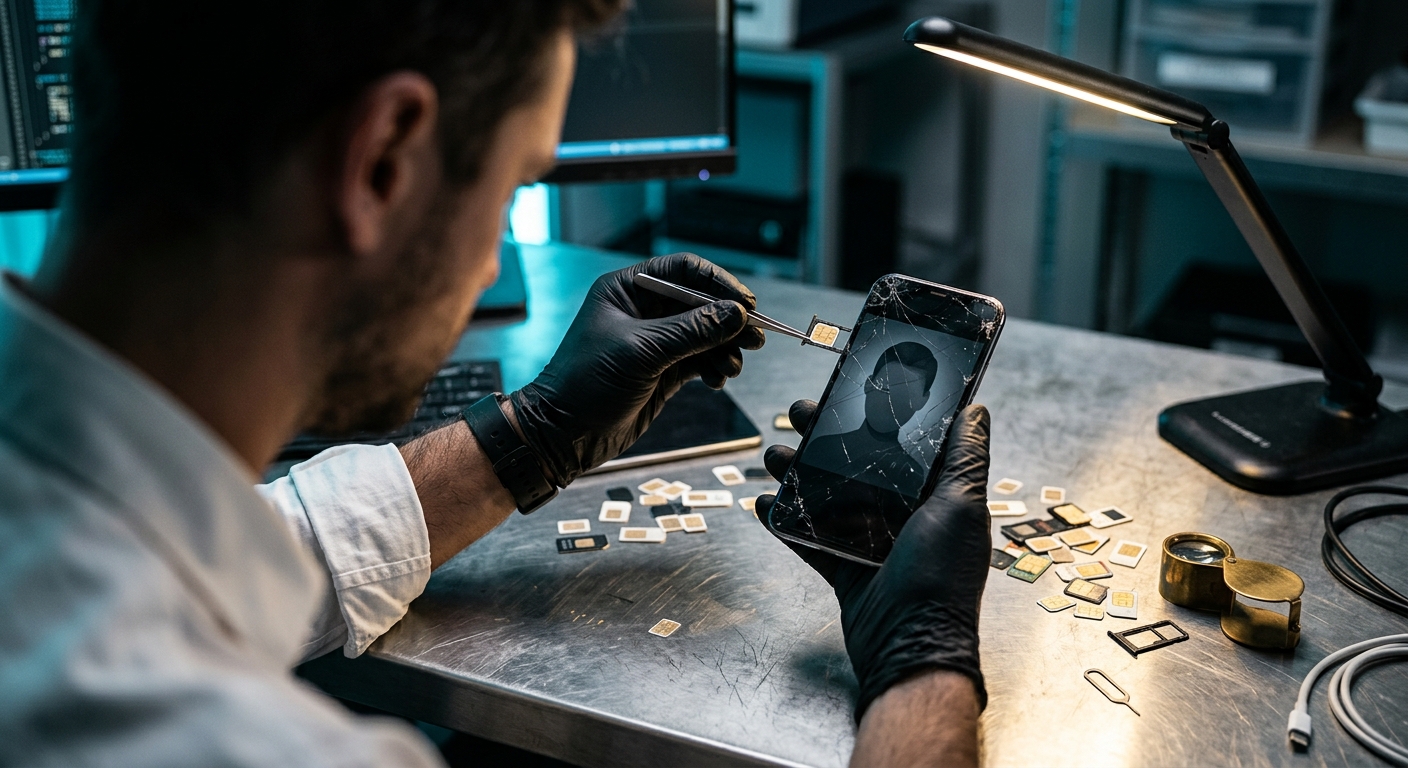
India just severed 50 million fraudulent mobile connections using face-scanning AI, and it's a preview of what's coming to phone networks everywhere. Your phone
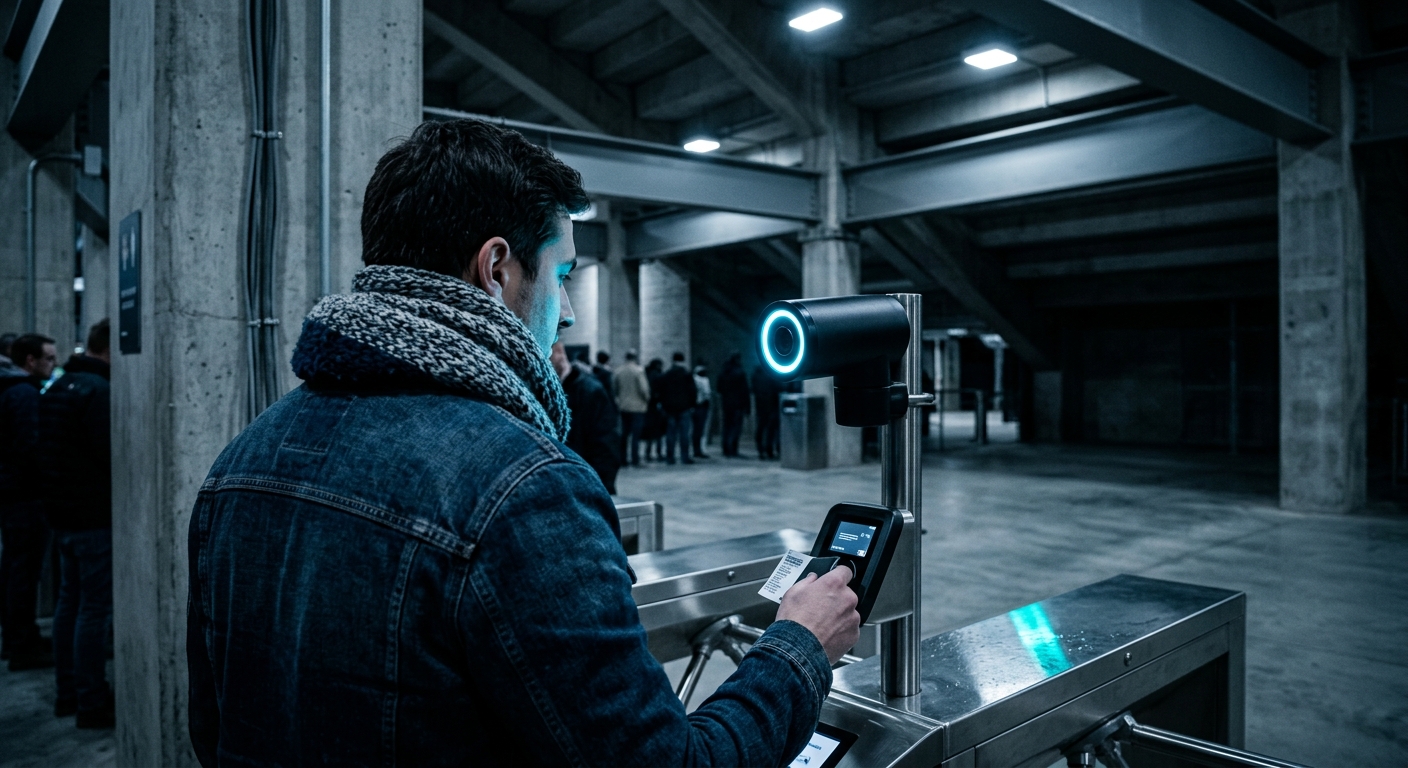
The 2026 FIFA World Cup is rolling out facial recognition entry across 16 venues in three countries. It's convenient, but here's what they're not telling you ab
