Expert commentary on facial recognition, biometrics, and AI technology.
Facial recognition breakthroughs, OSINT strategies, and investigation technology — delivered to your inbox every morning.
No spam. Unsubscribe anytime. We respect your inbox.
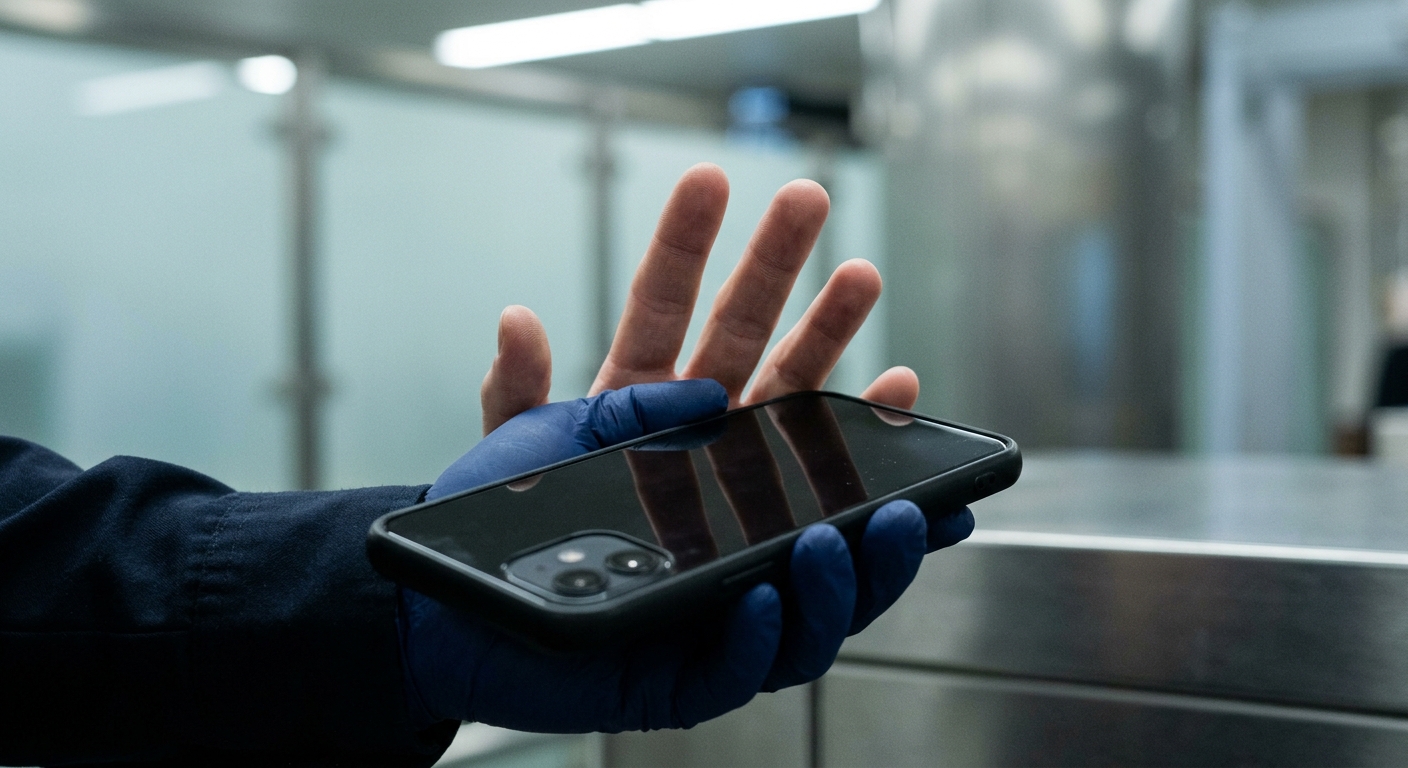
Austria just showed off a working touchless fingerprint ID system at the UN, and it's already made arrests. The technology is real, it's spreading, and it may n
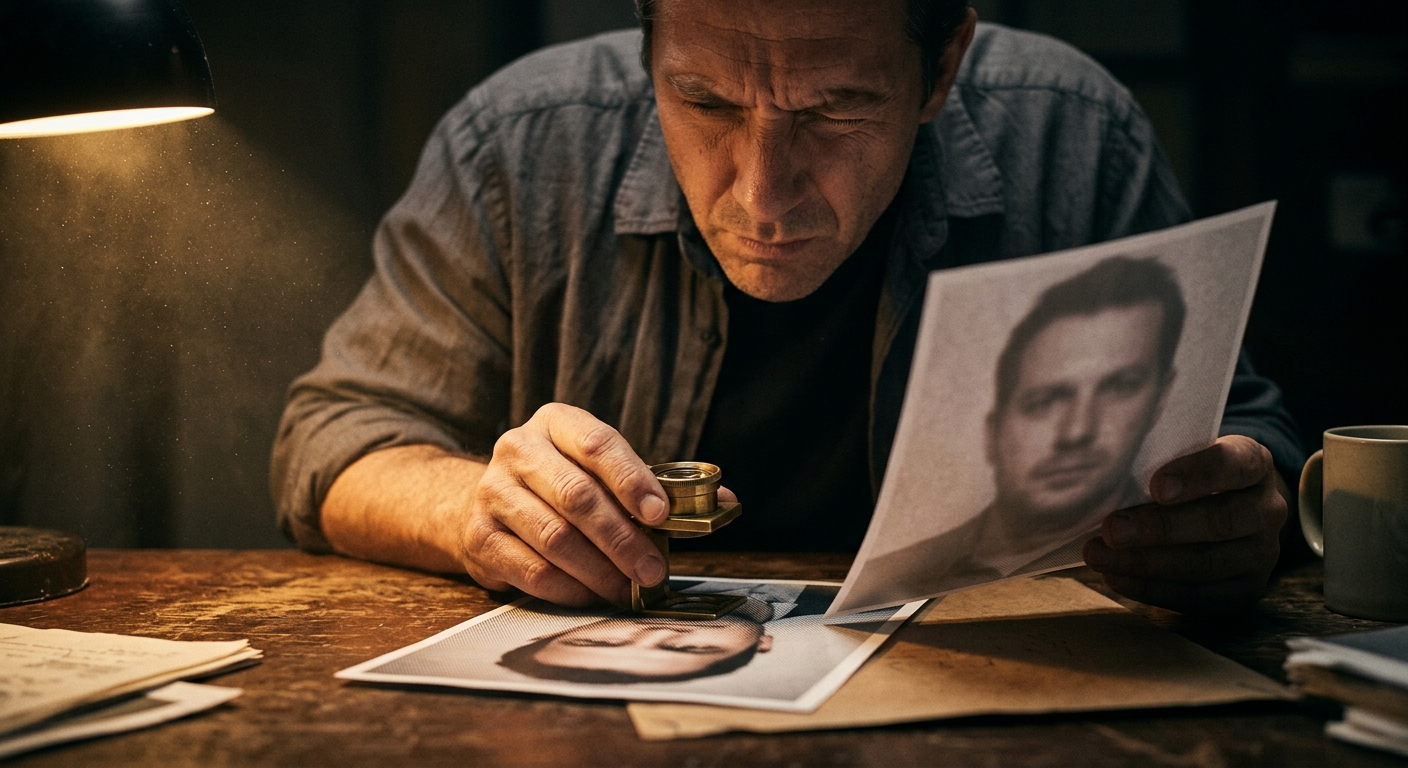
A court in India just ordered the removal of deepfake content from 275 websites. That sounds like a win, until you realize the damage happens long before any ju
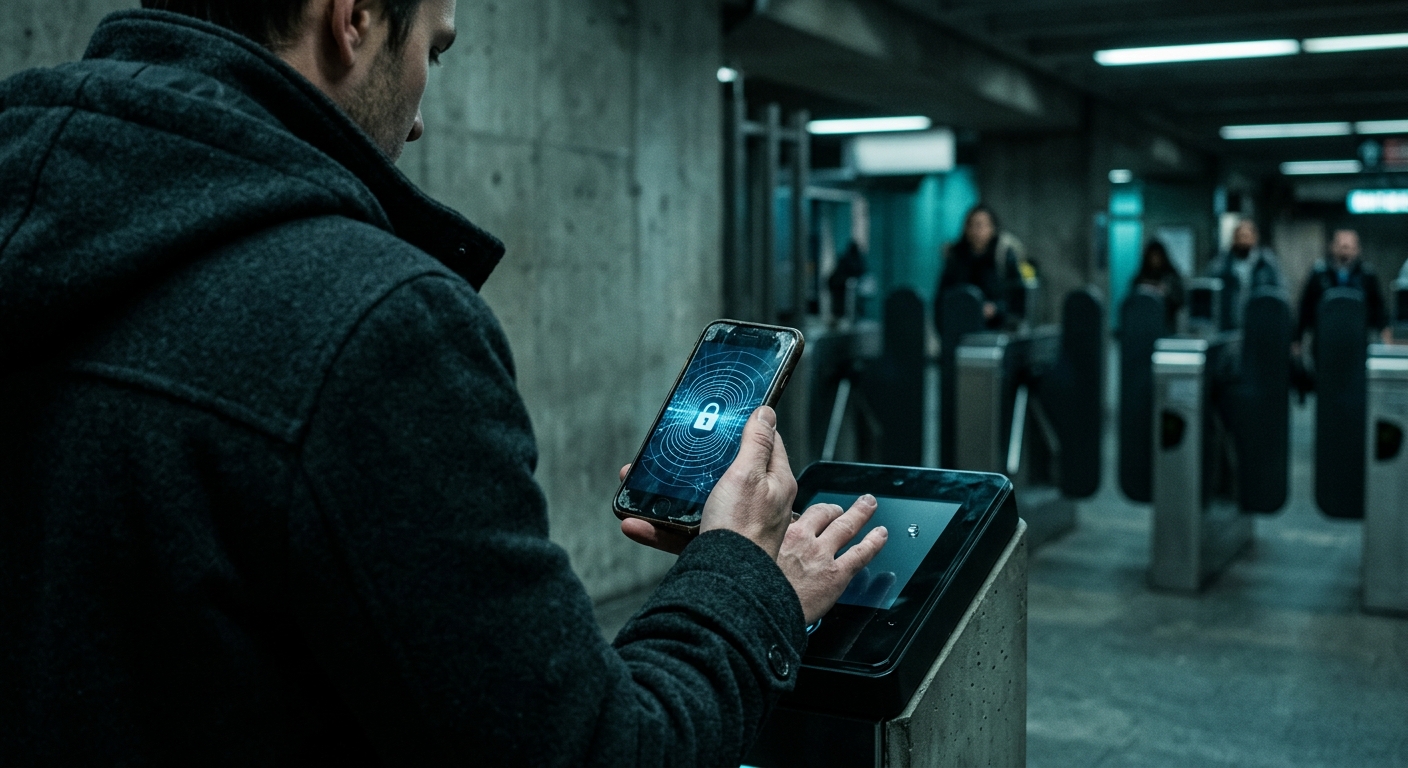
Digital wallets are becoming ID systems. The World Bank just released a 56-page roadmap, and the rules about who sees your data aren't written yet. That gap mat
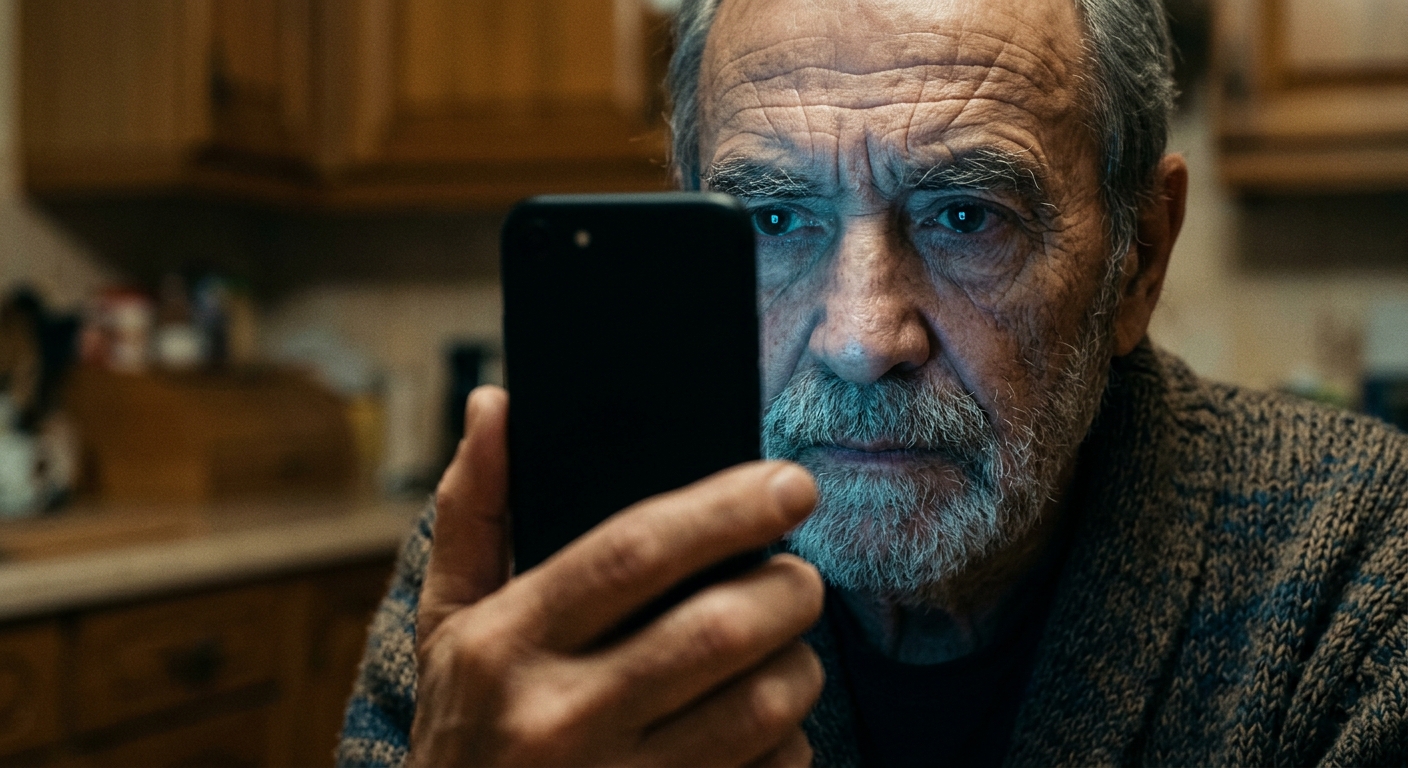
The UN just certified face-check technology for 70,000+ pensioners' payments. If a selfie can unlock money, deepfake protection isn't optional anymore, and scam
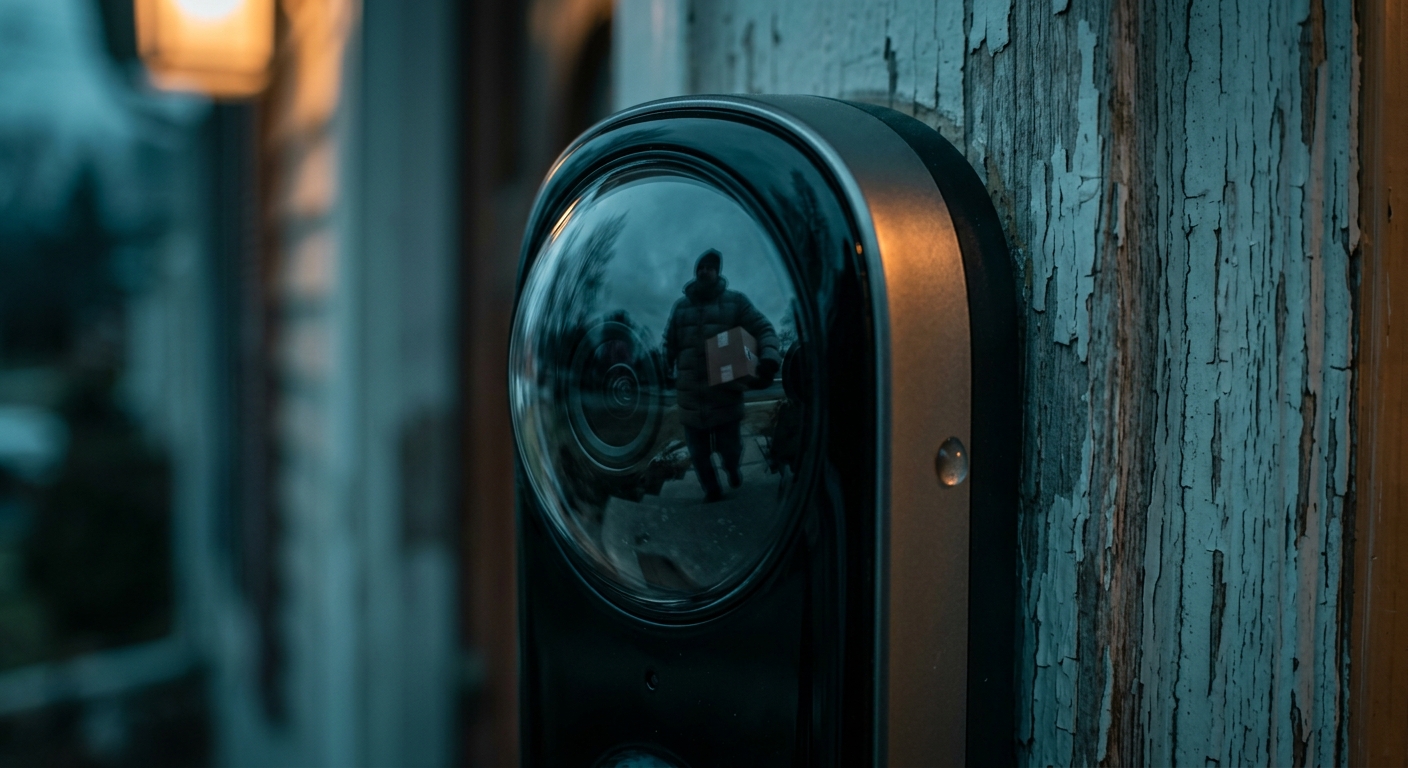
AI face-matching has quietly moved into home doorbell cameras, and new lawsuits are asking who owns your face when you ring someone's bell. The rules don't exis
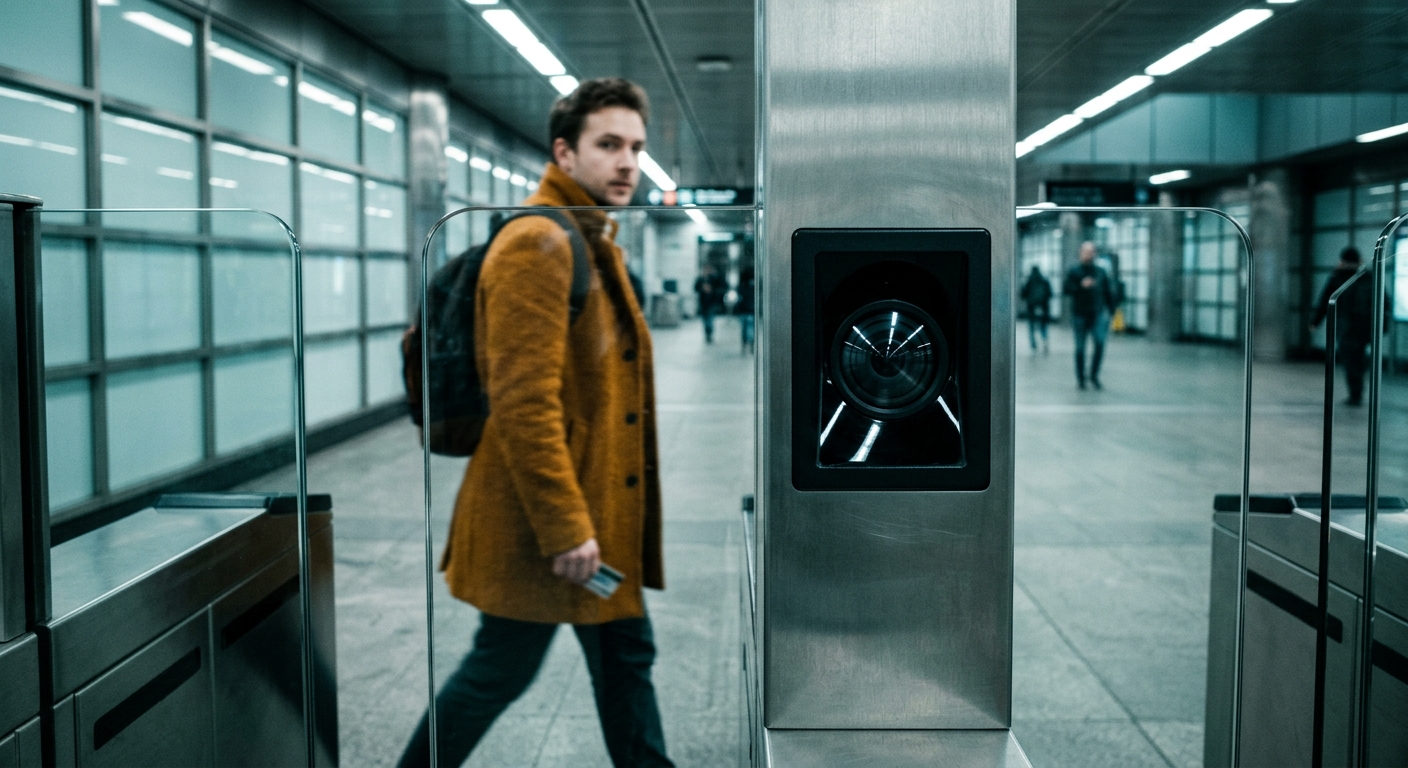
Facial recognition just moved from airports and border control into the everyday train stations of Japan, and the real question isn't whether this is coming, it
Your bank has MFA turned on. Great. But a new report found only 28% of that protection can actually resist a phishing attack, and most banks don't realize the d
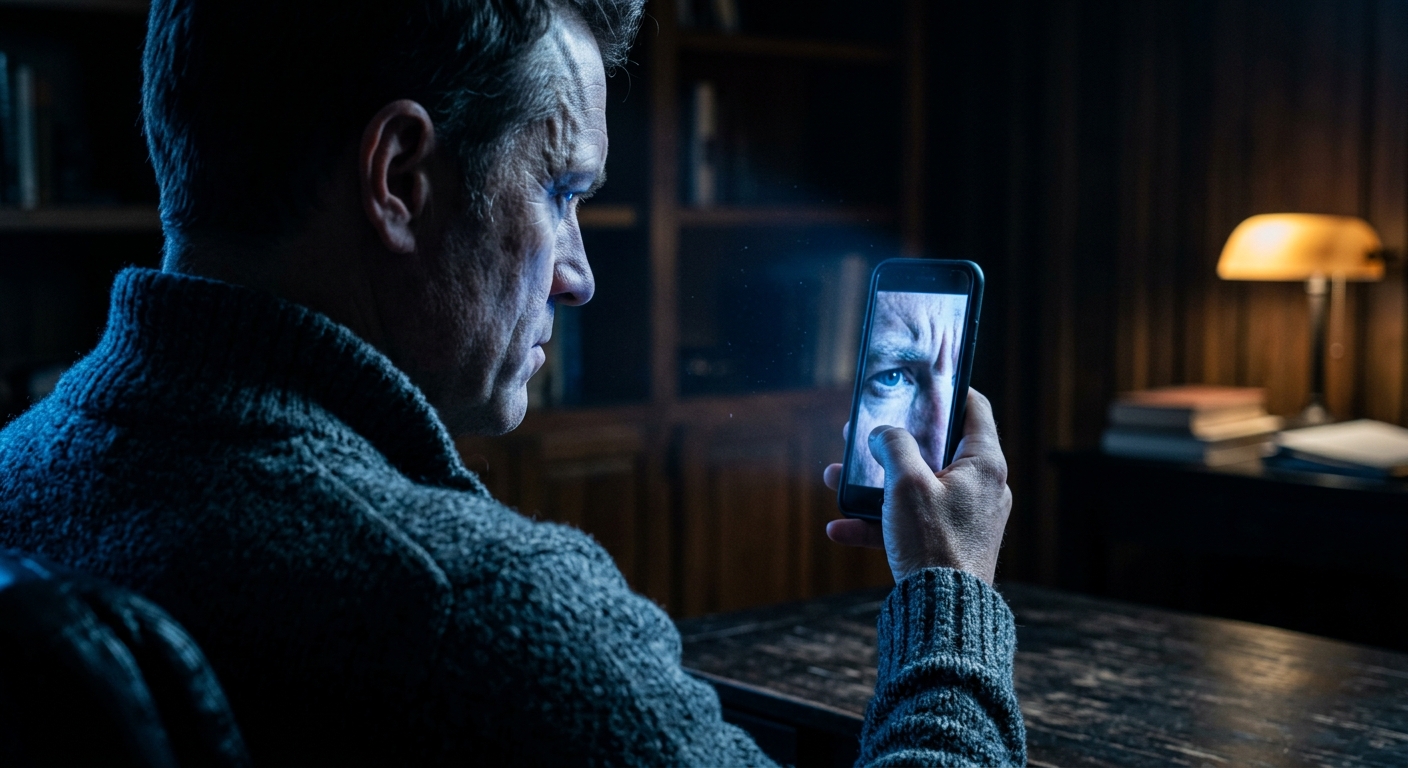
A new wave of mobile malware doesn't want your password. It wants your face, and criminals are using it to build deepfakes that fool your bank. Here's the part
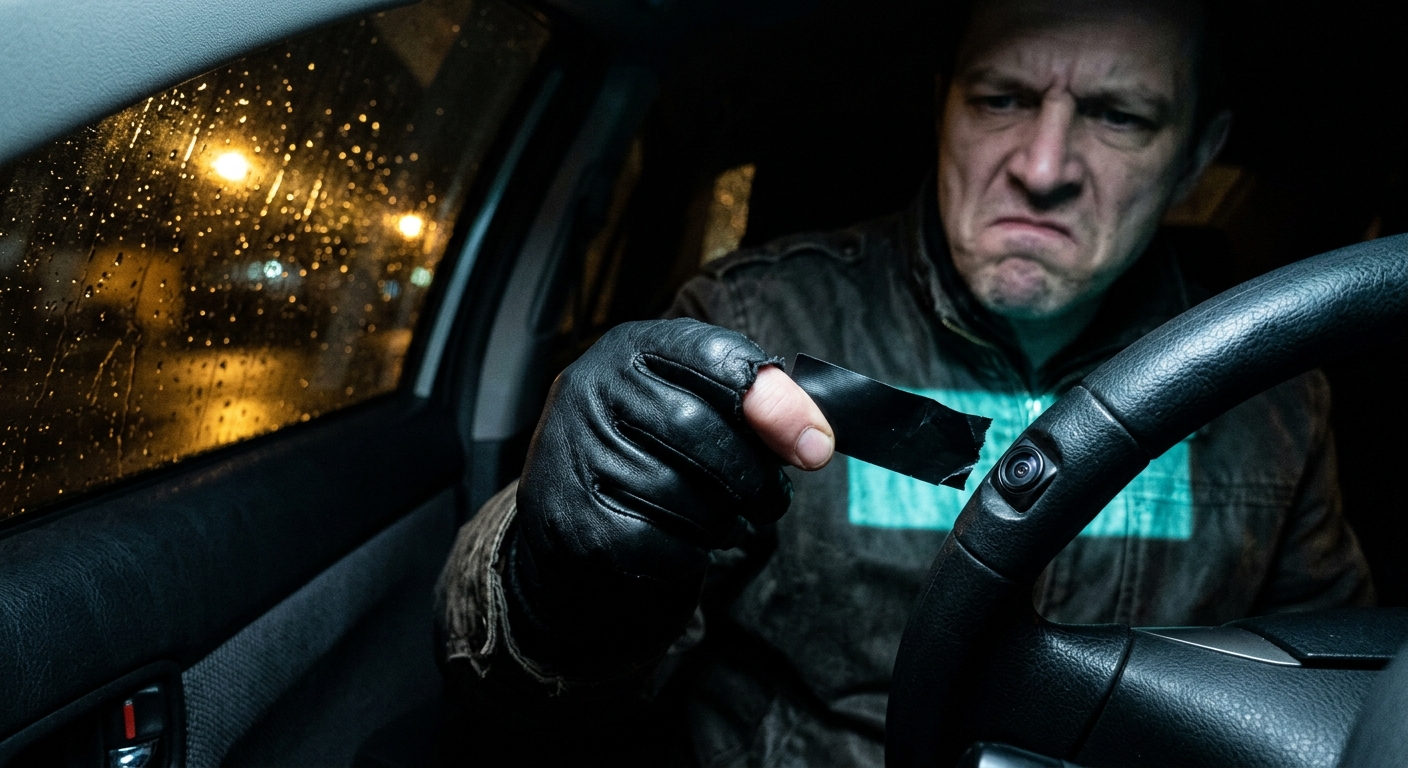
New cars could use biometric sensors to detect if you're too tired or impaired to drive, before a crash happens. The tech exists. The trust doesn't. Here's the
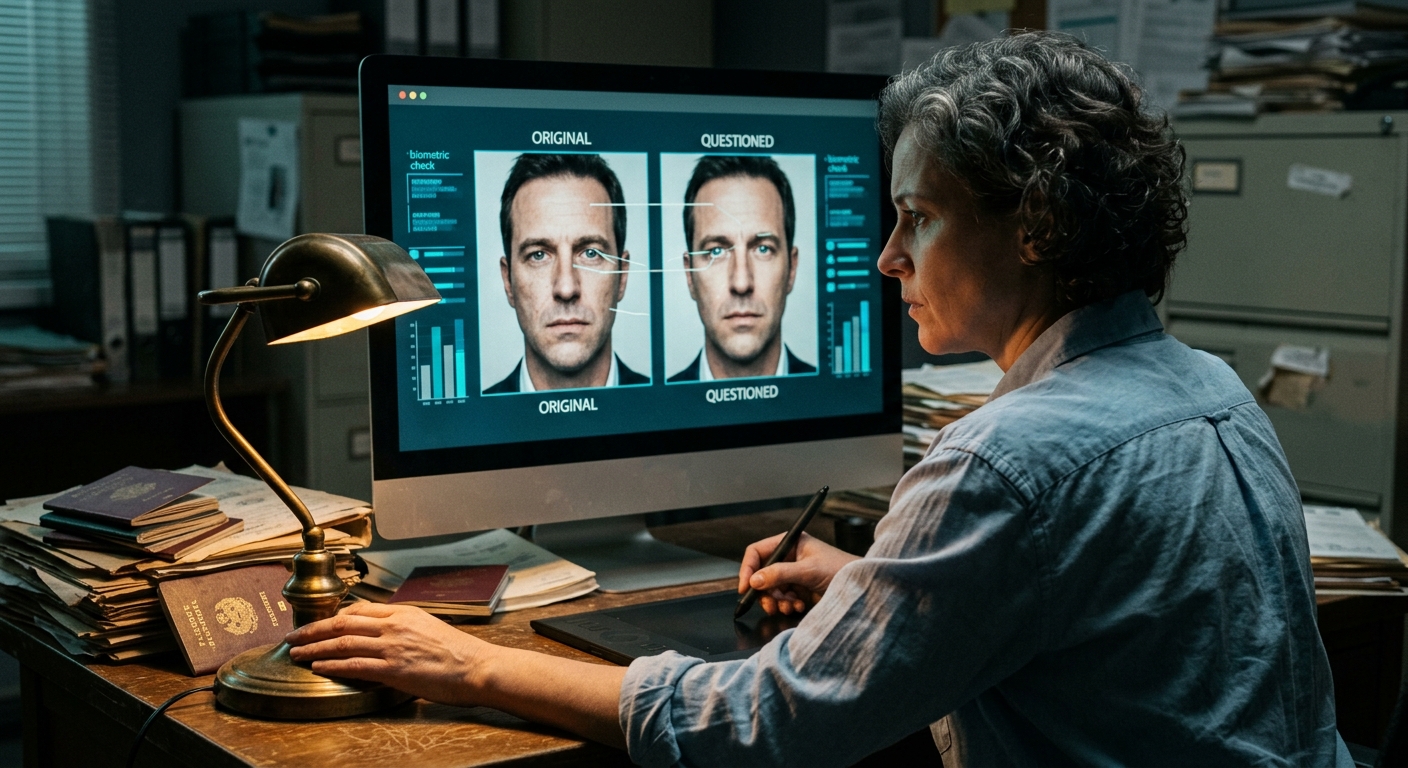
Biometric identity checks, the "take a selfie to prove you're real" step, are about to become as normal as entering a password. Here's why AI fraud is driving t
Europe's digital ID wallet moves from policy to reality by late 2026, and the three risks regular people should know about before it reaches their pocket.
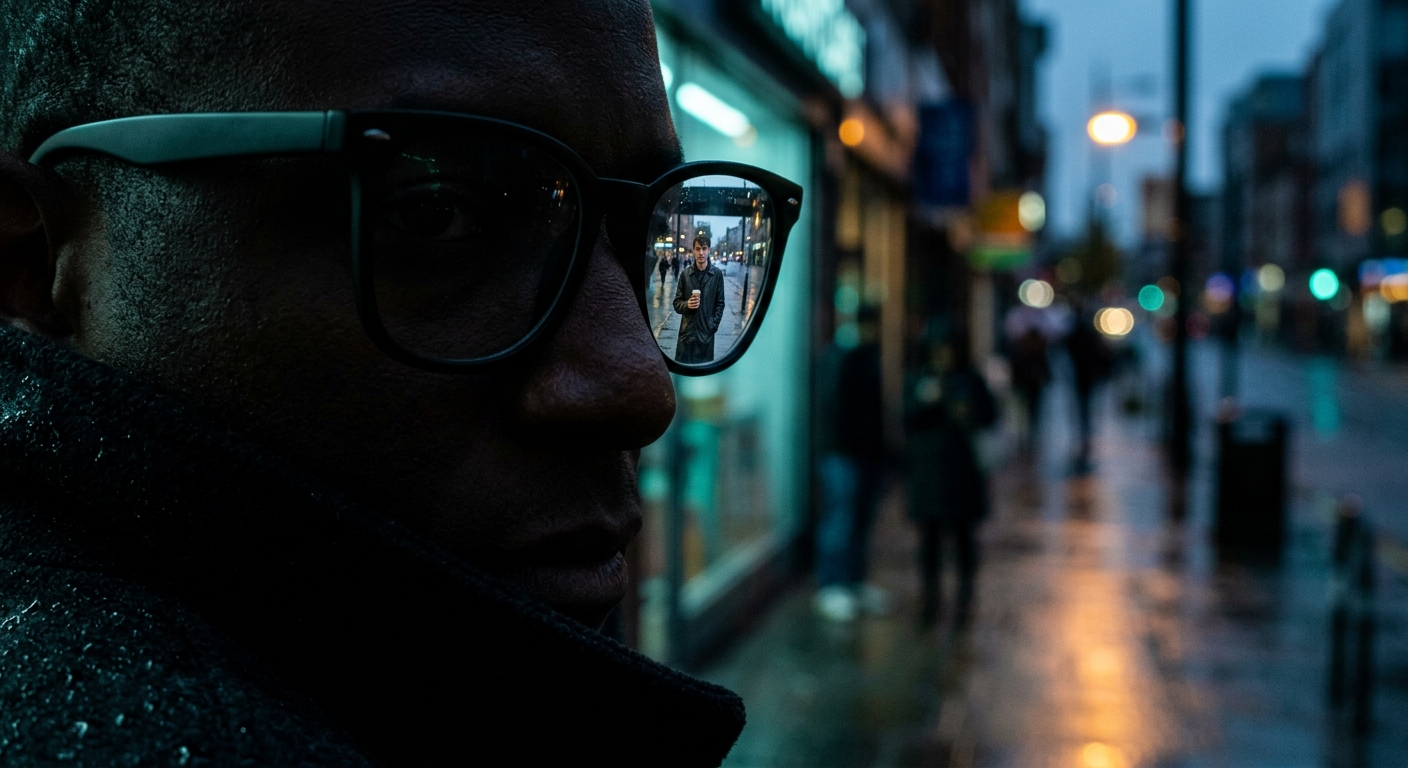
Meta's CTO just described a facial recognition feature for smart glasses that could recognize you without you ever opting in. This isn't about unlocking your ph
