Expert commentary on facial recognition, biometrics, and AI technology.
Facial recognition breakthroughs, OSINT strategies, and investigation technology — delivered to your inbox every morning.
No spam. Unsubscribe anytime. We respect your inbox.
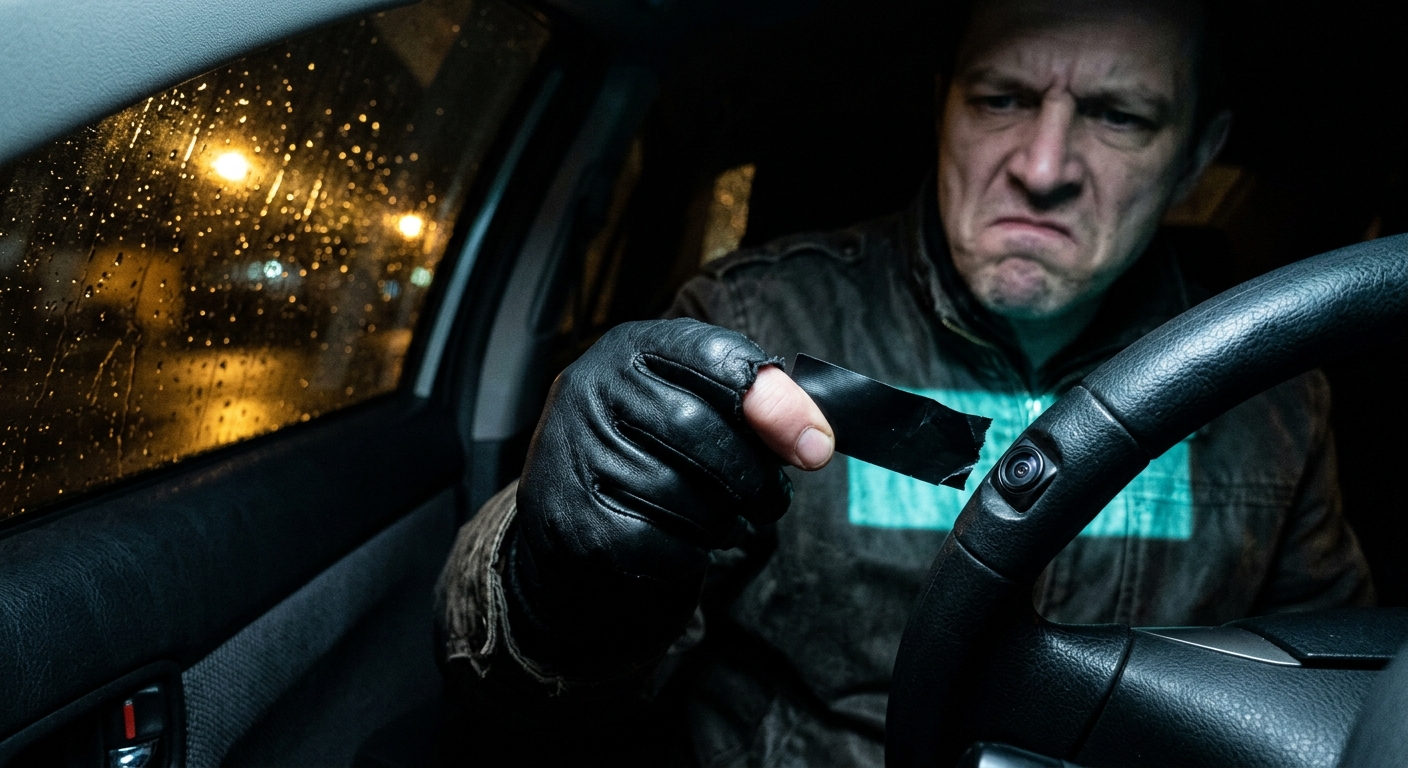
New cars could use biometric sensors to detect if you're too tired or impaired to drive, before a crash happens. The tech exists. The trust doesn't. Here's the
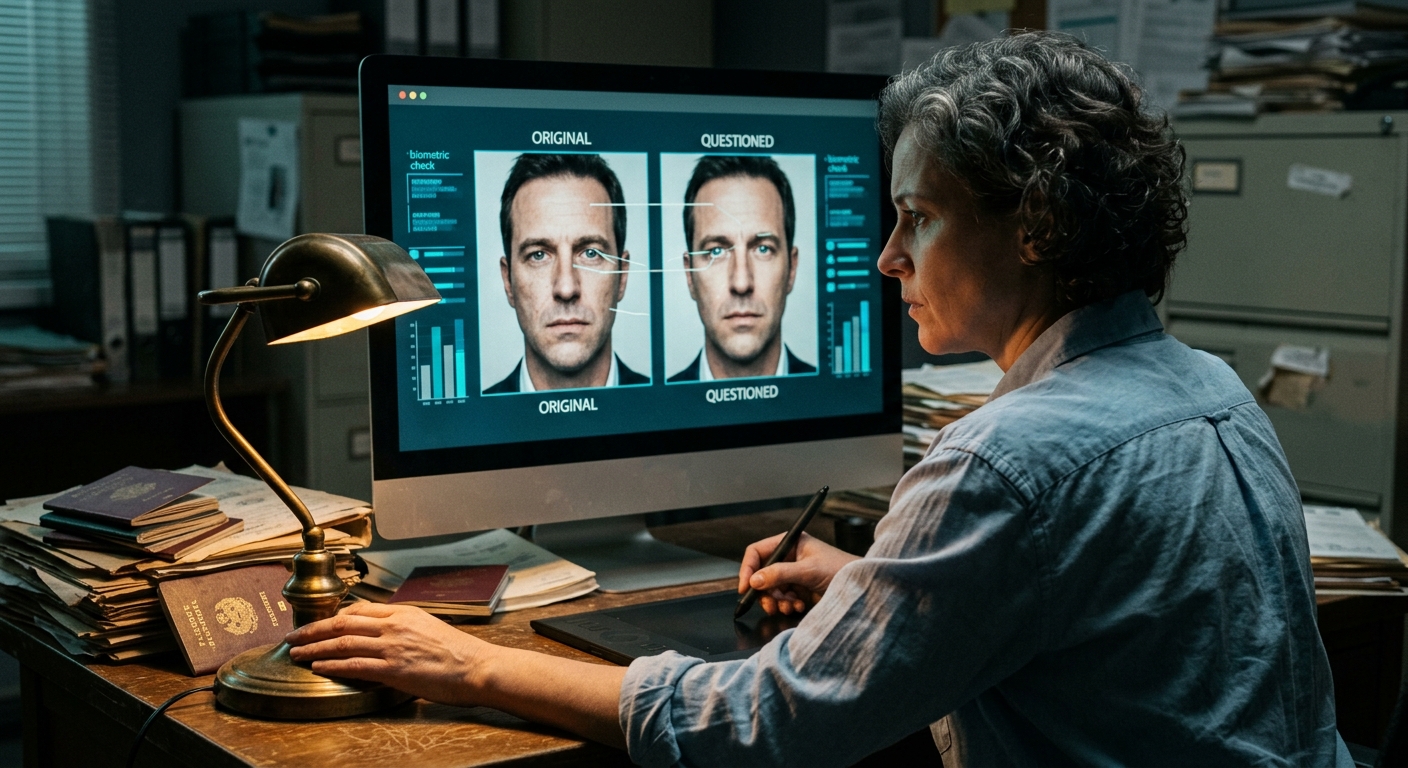
Biometric identity checks, the "take a selfie to prove you're real" step, are about to become as normal as entering a password. Here's why AI fraud is driving t
Europe's digital ID wallet moves from policy to reality by late 2026, and the three risks regular people should know about before it reaches their pocket.
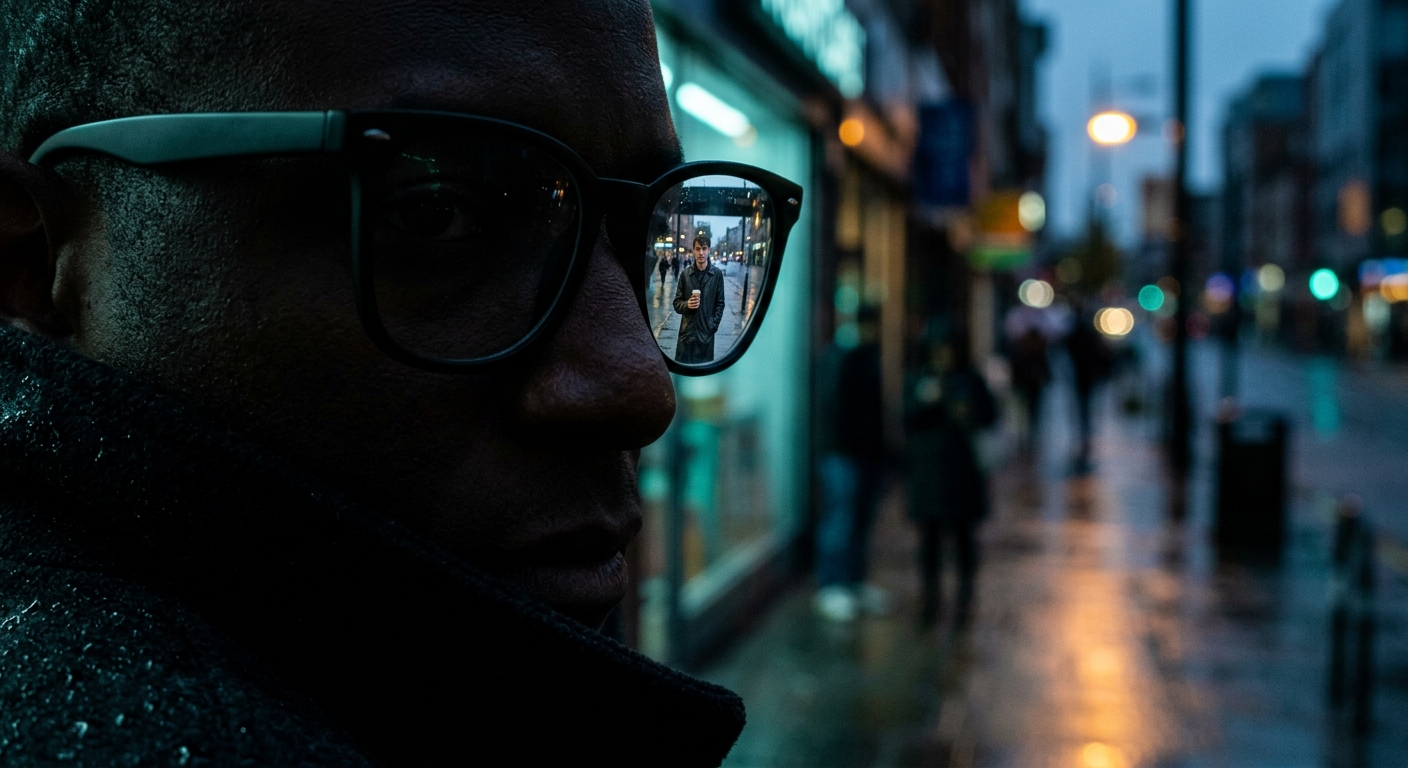
Meta's CTO just described a facial recognition feature for smart glasses that could recognize you without you ever opting in. This isn't about unlocking your ph
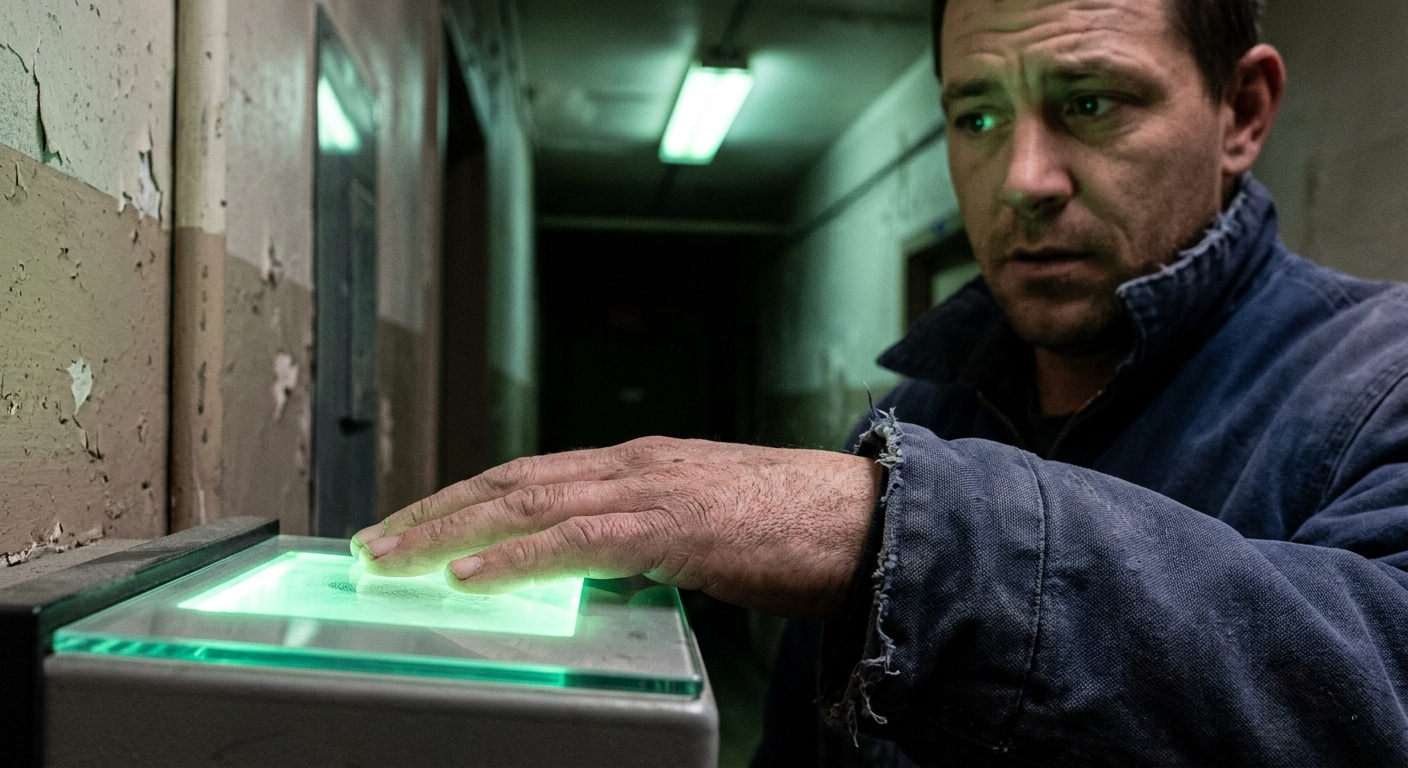
Senators just introduced a bill to limit how employers collect and use your biometric data at work. Most workers have no idea what their employer is already cap
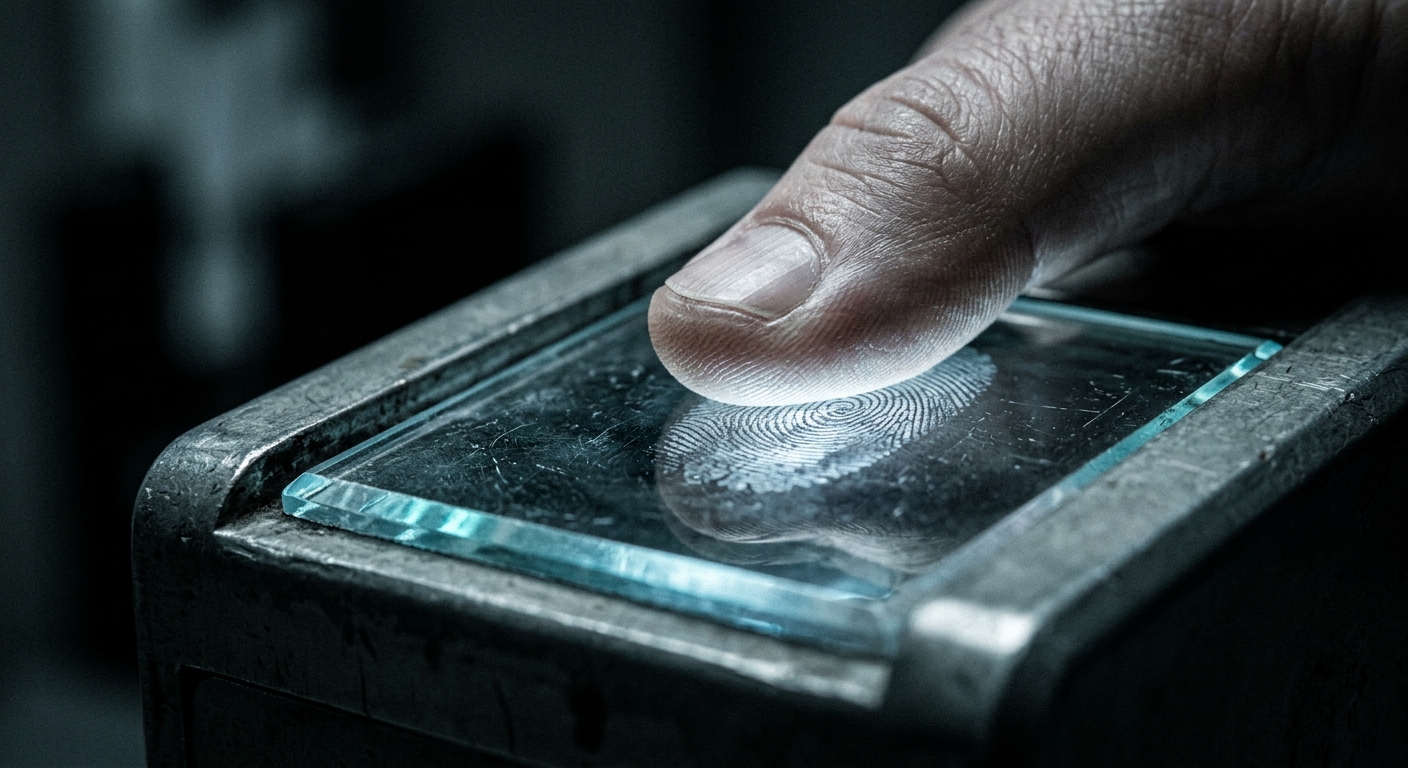
You have zero spare faces and zero spare fingerprints. A new court ruling just made that reality into constitutional law, and it changes everything about who ca
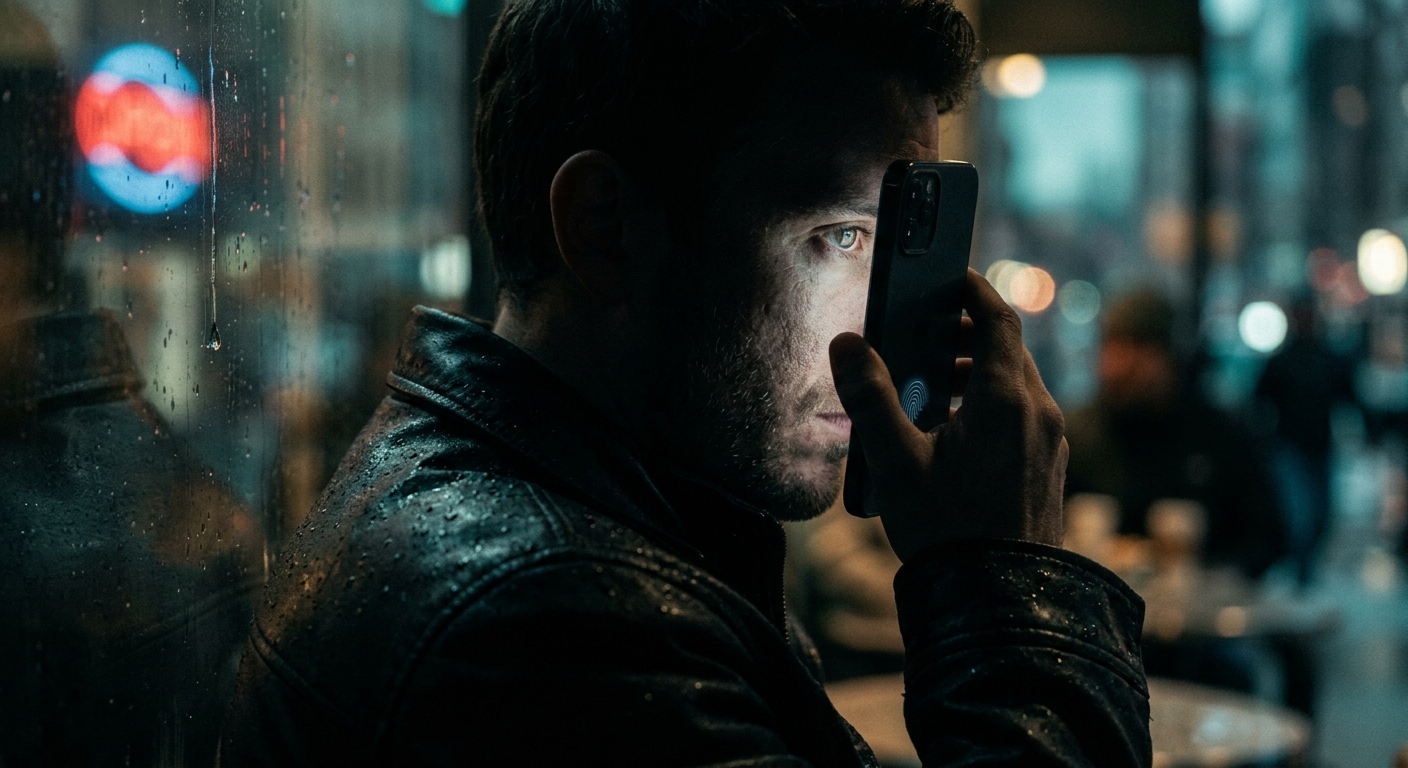
India processed 611 million payments approved by fingerprint or face scan in a single month. That number sounds impressive, until you learn that one in five bio
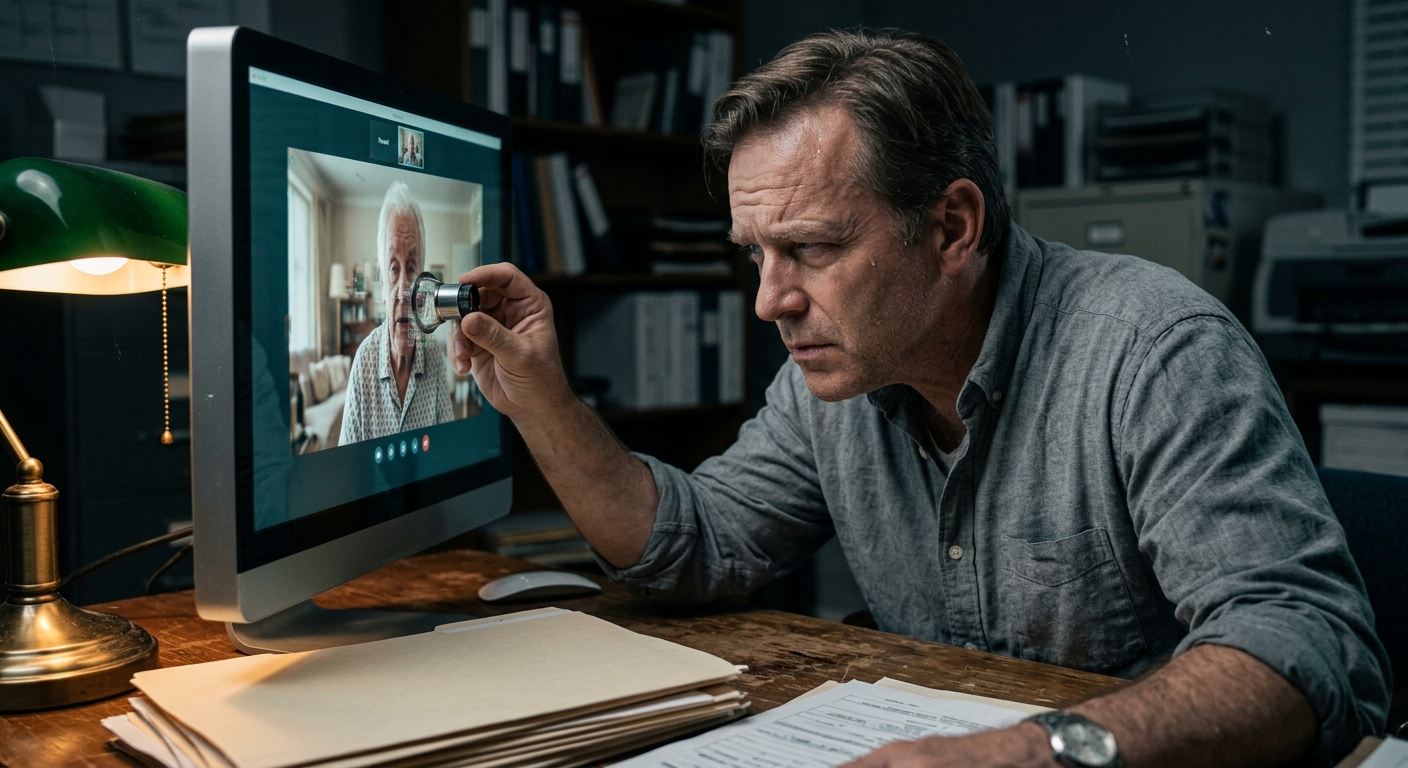
A convincing face or voice used to be enough proof. Now deepfakes are moving into healthcare fraud, and your prescriptions, records, and benefits are on the lin
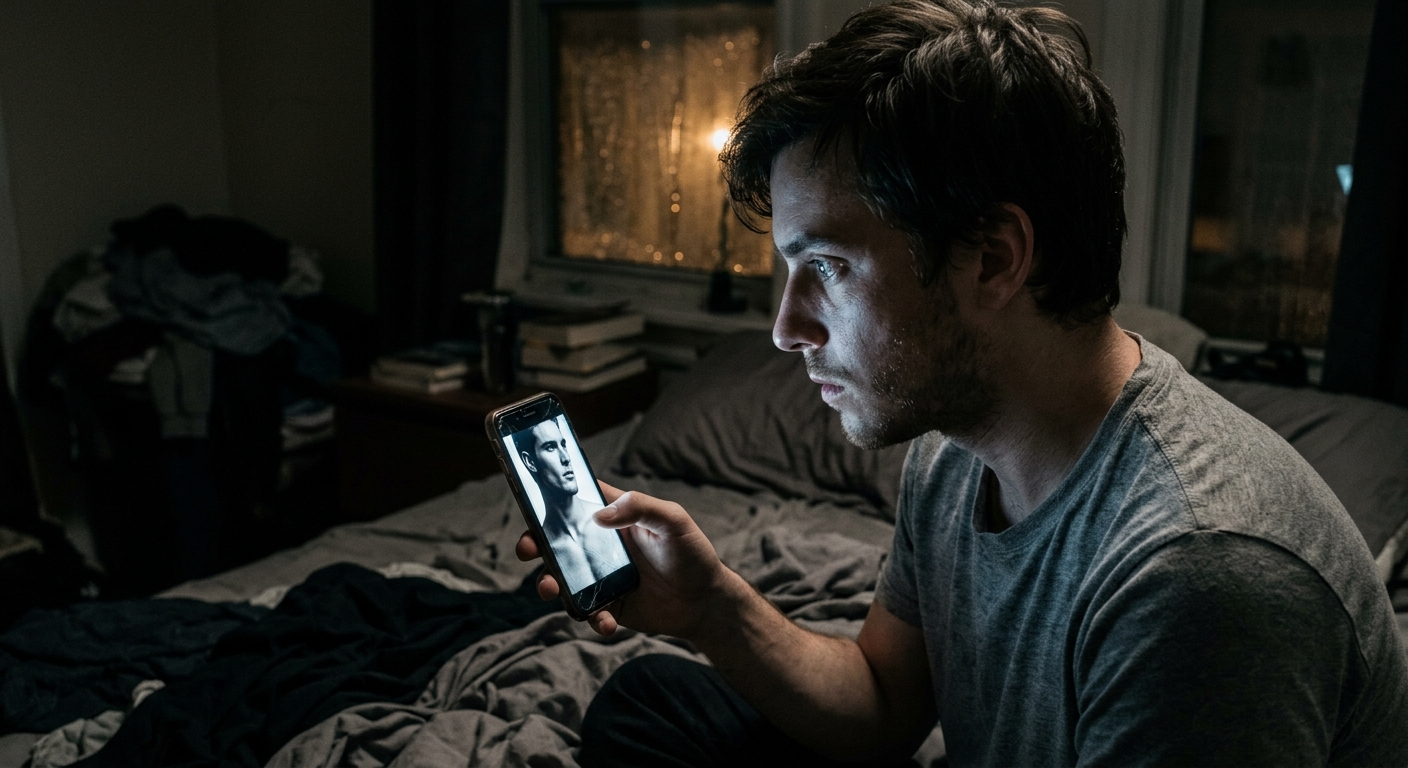
Romance scammers aren't leading with wire transfers anymore. They're leading with a pretty face, and now that face is AI-generated. Here's what that means for a
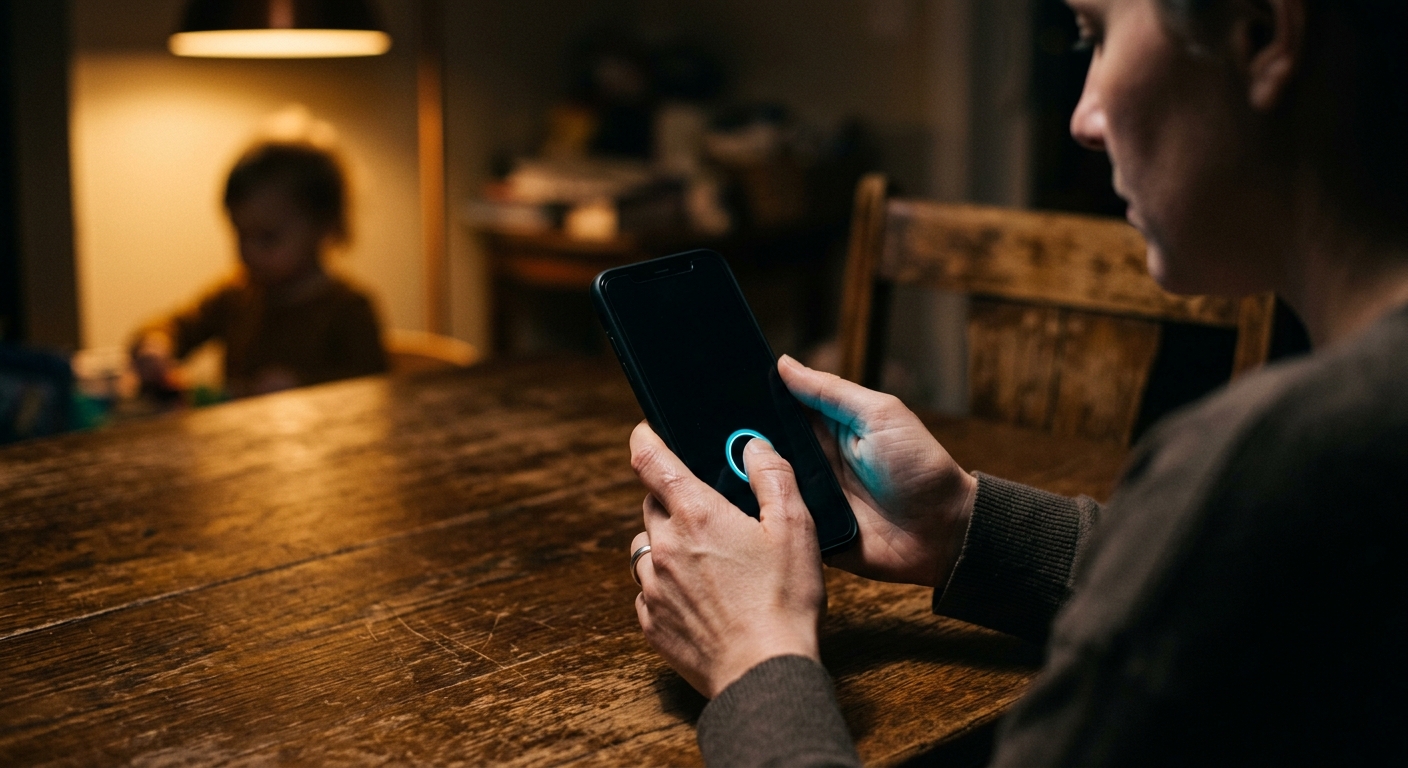
Before your kid downloads their next app, they might need to prove their age first, not inside the app, but at the app store itself. Here's what 28 states are f
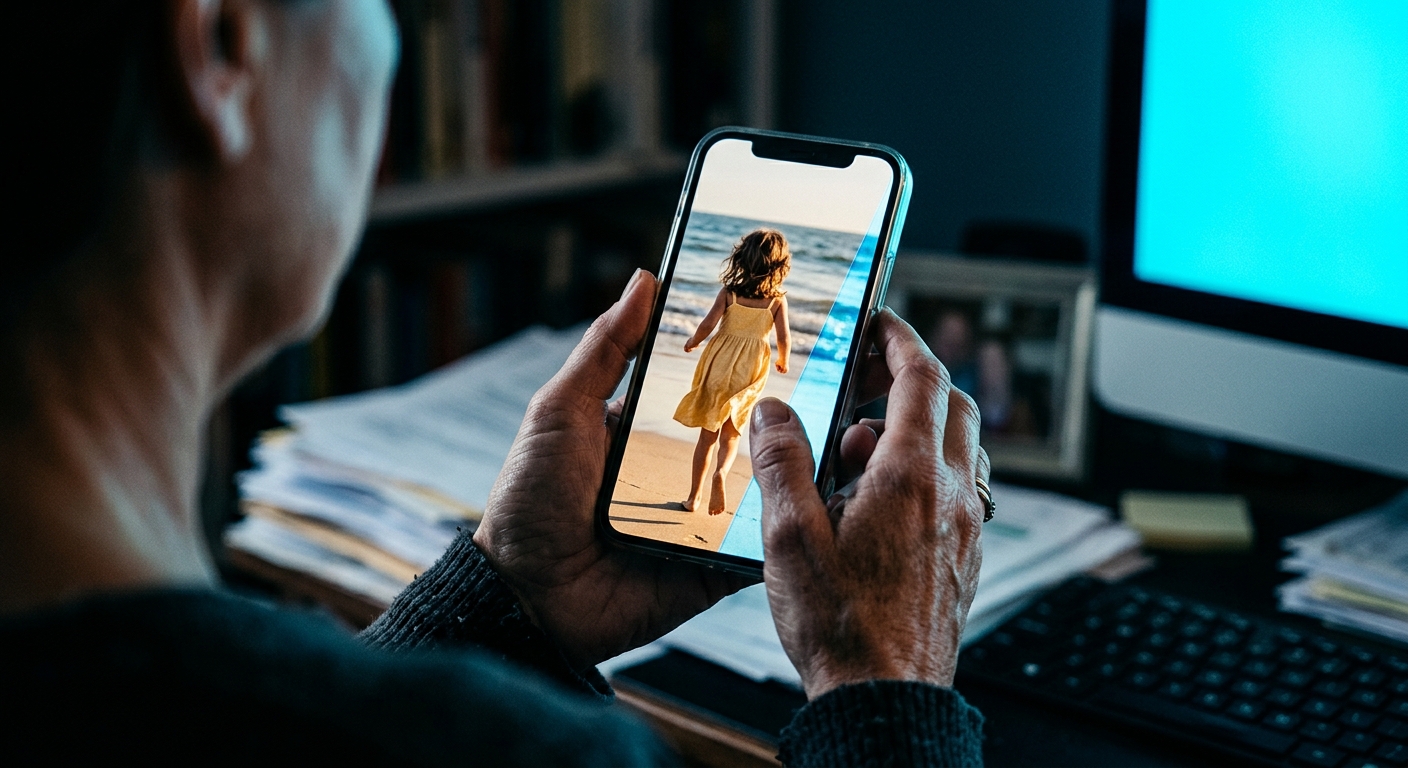
A birthday photo. A school uniform shot. A beach vacation selfie. The UK government is now warning parents that everyday photos of children are being turned int
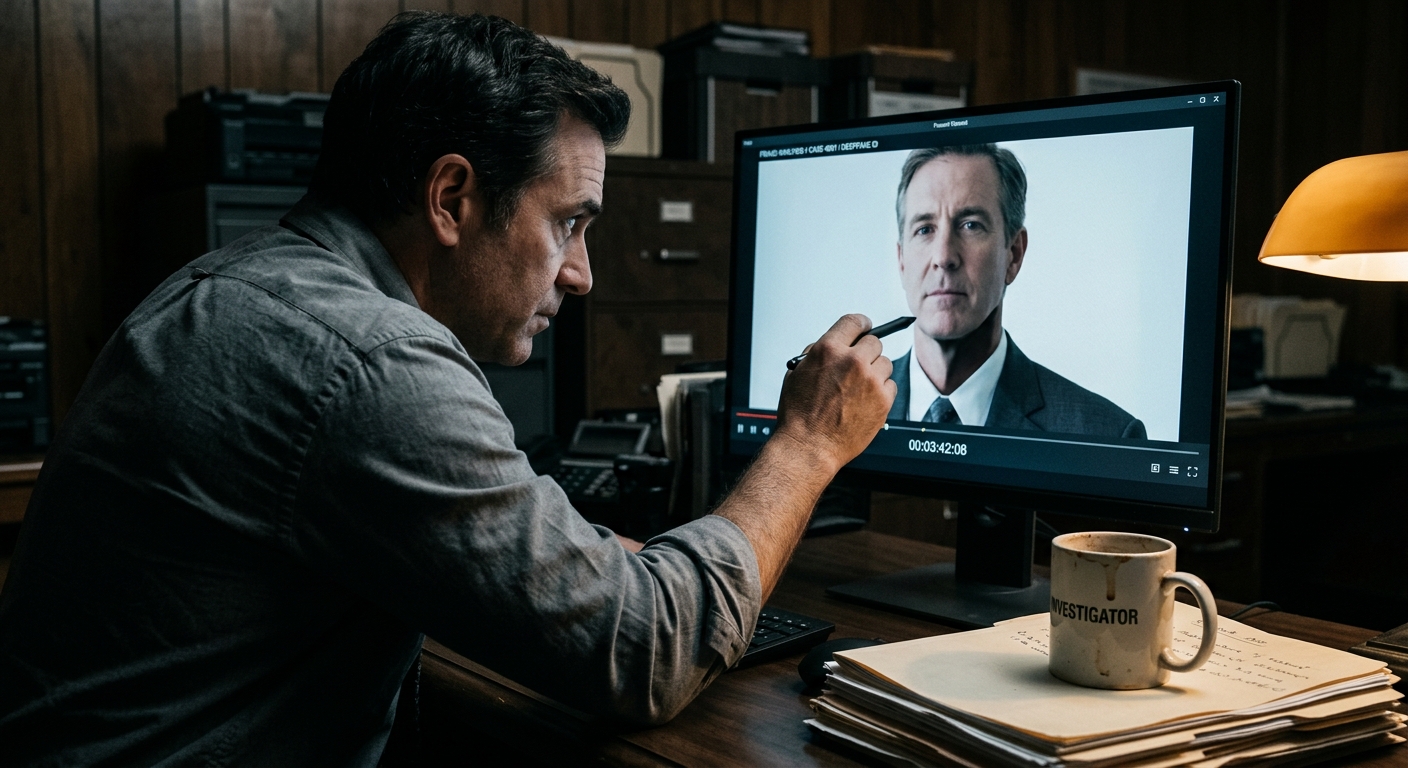
Criminals used AI to fake NatWest's CEO in a fabricated BBC interview. Deepfake fraud just drained $1.1 billion from U.S. companies in a single year, and your n
