Expert commentary on facial recognition, biometrics, and AI technology.
Facial recognition breakthroughs, OSINT strategies, and investigation technology — delivered to your inbox every morning.
No spam. Unsubscribe anytime. We respect your inbox.
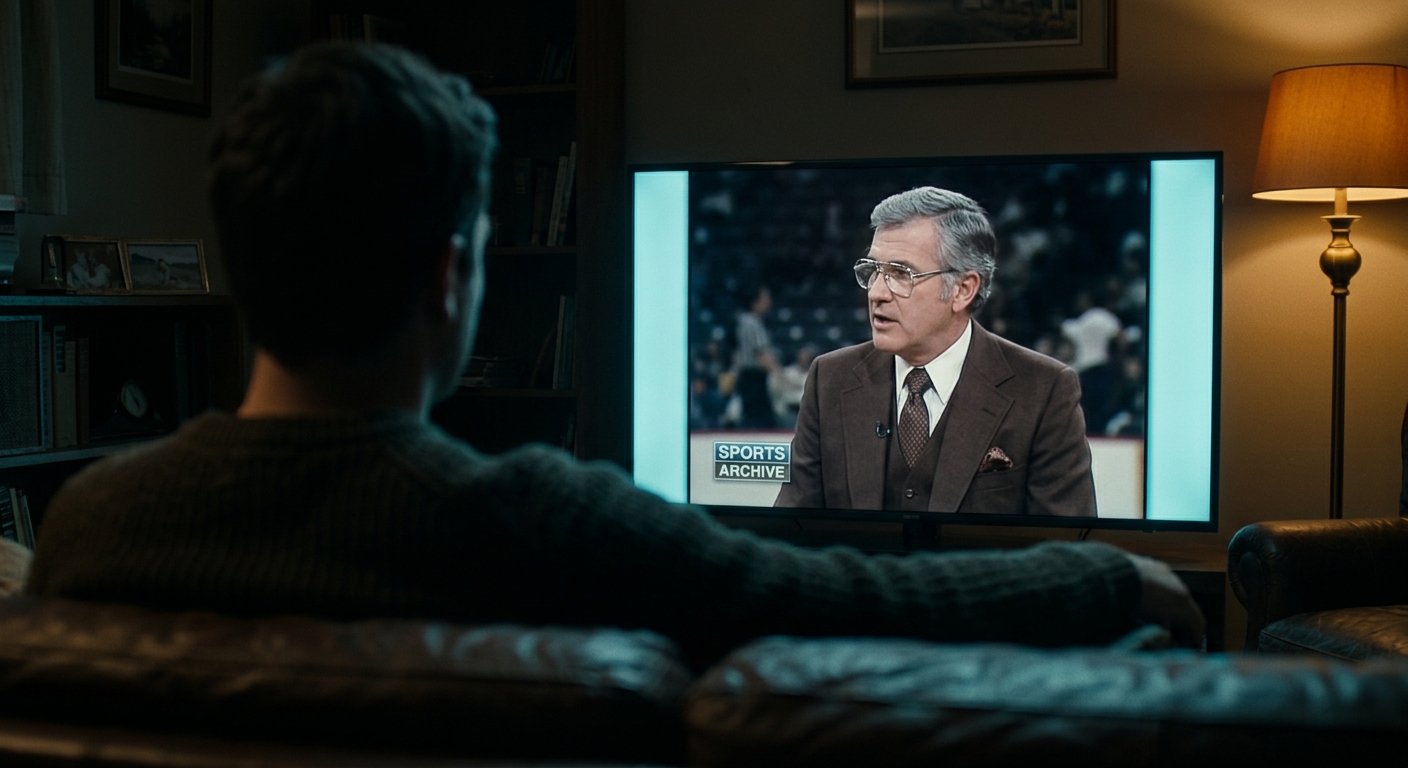
ESPN used deepfake technology to recreate Al Davis and Pete Rozelle in a documentary, and most viewers just… watched it. That casual moment is the beginning of
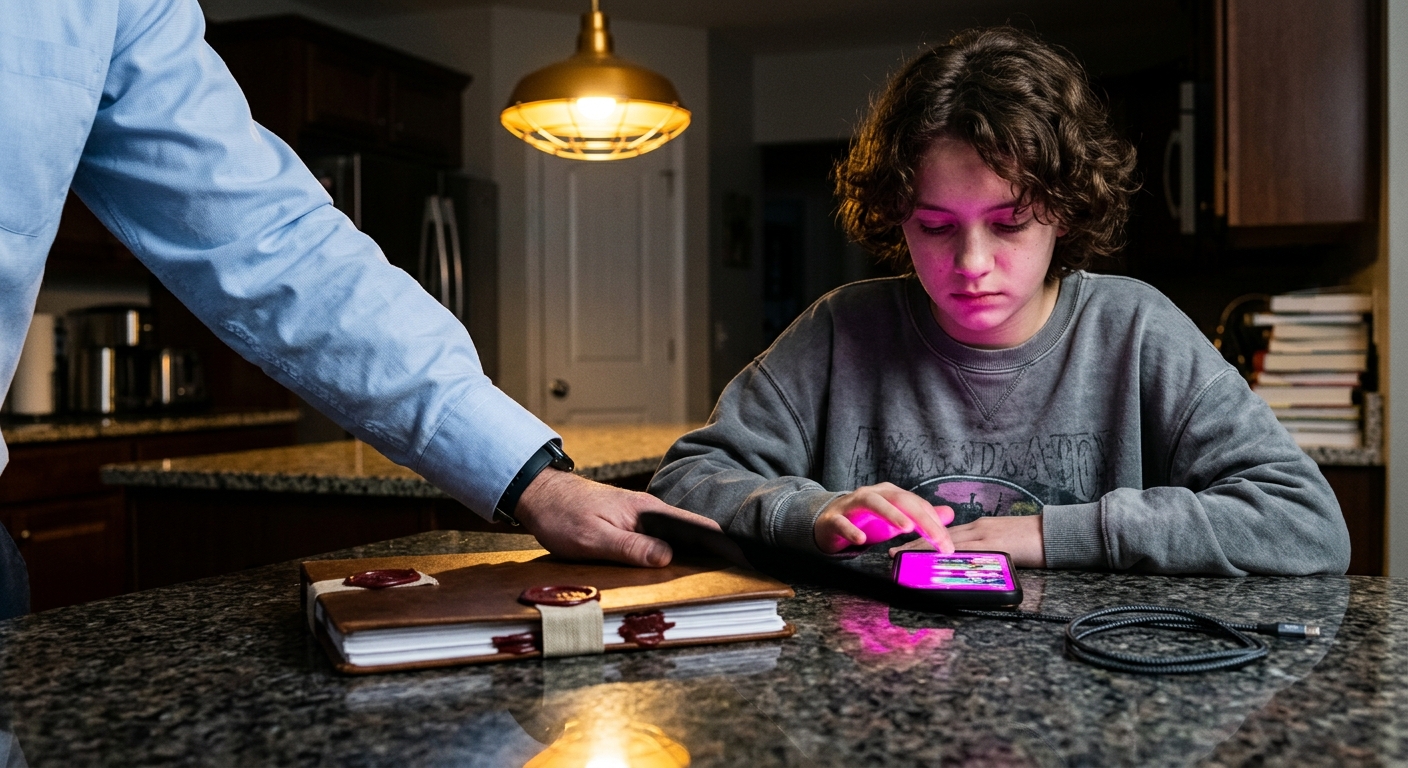
A new House measure wants social media platforms to verify users' ages AND answer for the algorithms deciding what kids see once they're inside. The second part
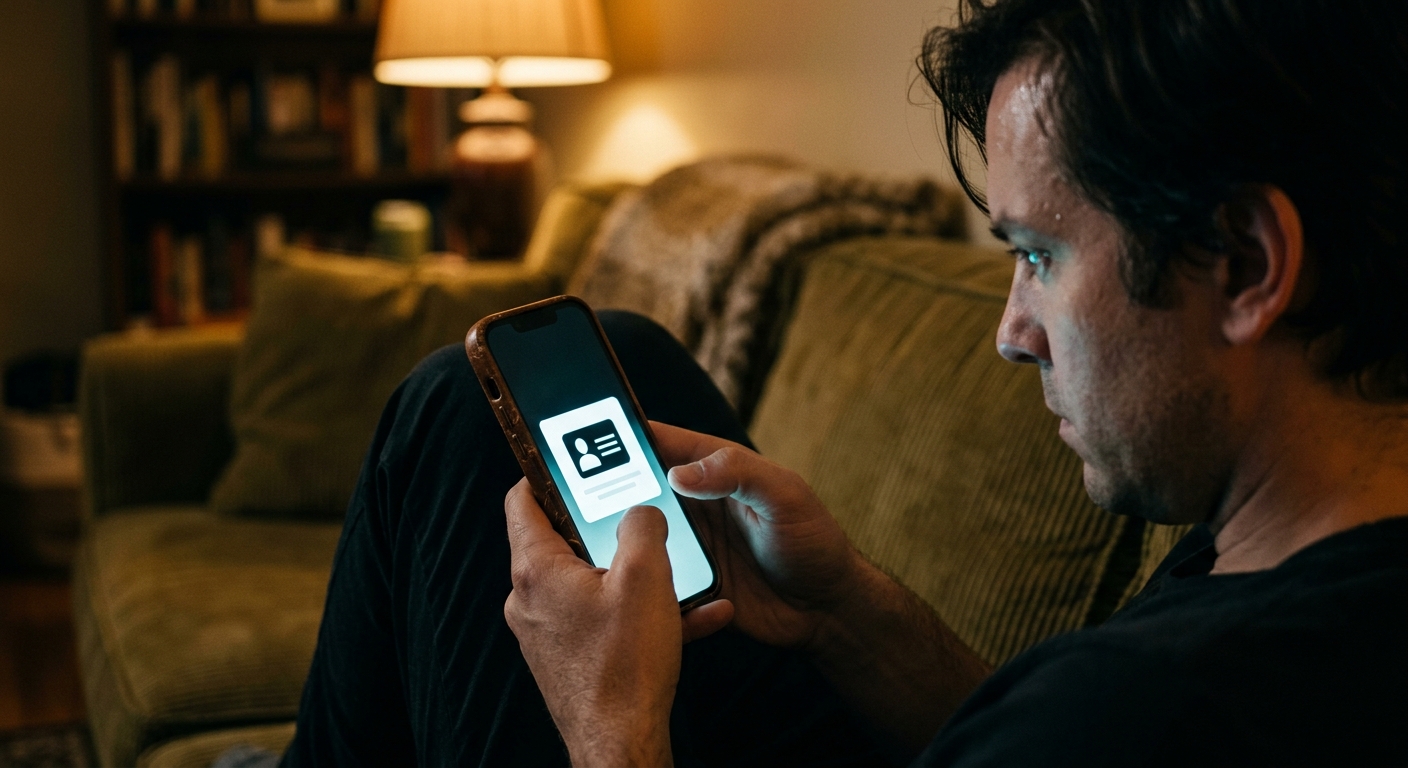
A second-hand iPhone started demanding age verification from someone in Bulgaria, and the reason why reveals something unsettling about where identity checks ar
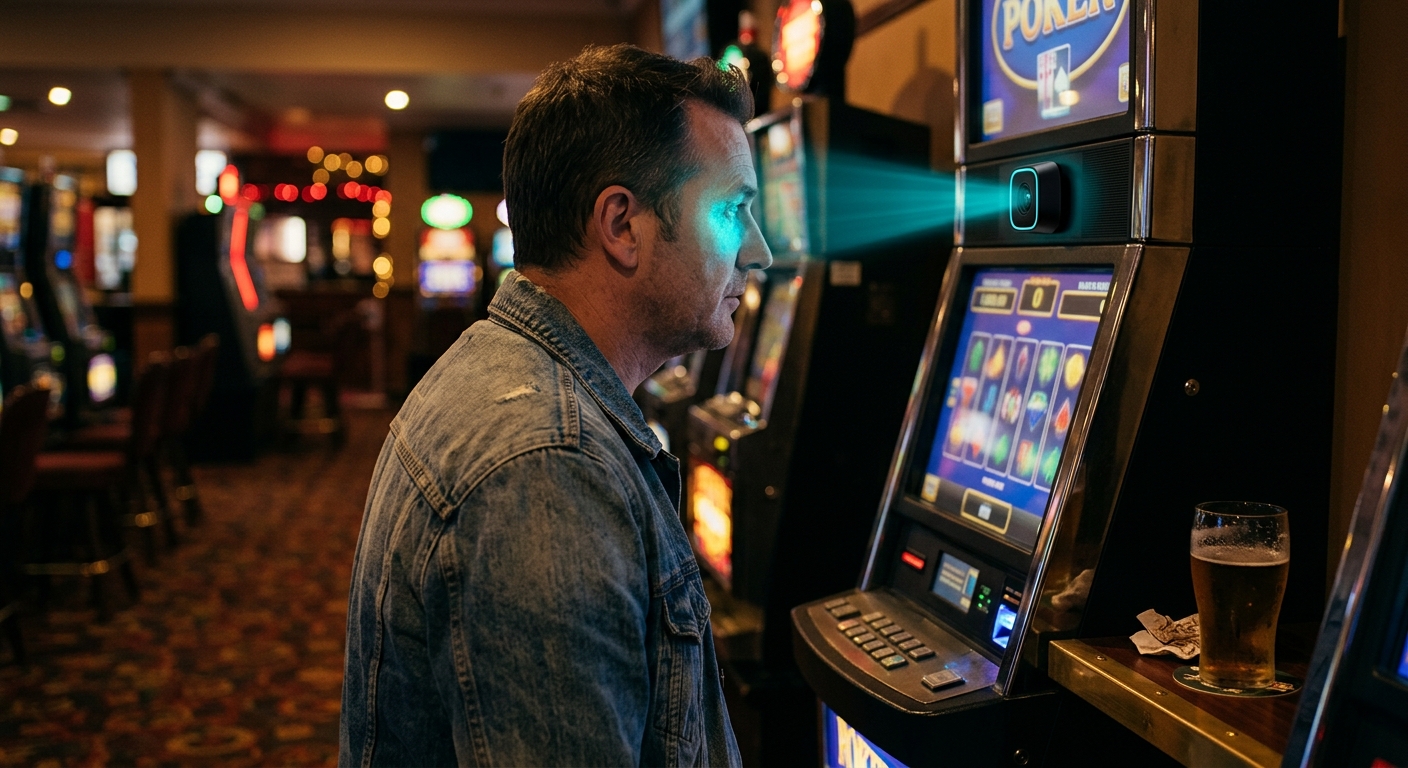
Face-based identity checks are leaving airports and moving into your local pub. NSW's poker machine reforms tell us a lot about where this is all heading, and w
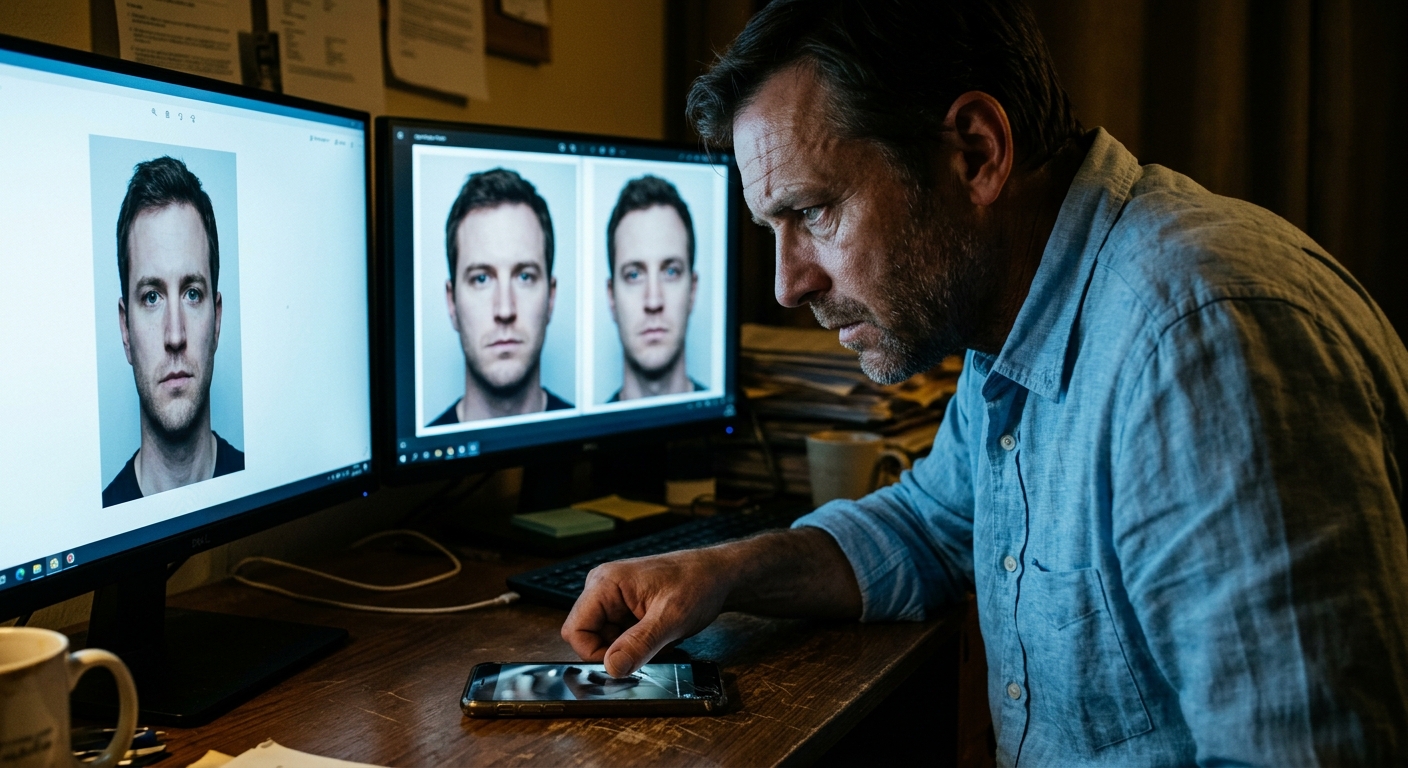
An Alphabet board member just admitted US AI regulation is reactive, meaning the rules arrive after the damage is done. Here's what that gap costs real people r

South Korean TV announcers are the latest targets of AI voice cloning, and their story reveals something that changes how all of us should handle urgent calls,
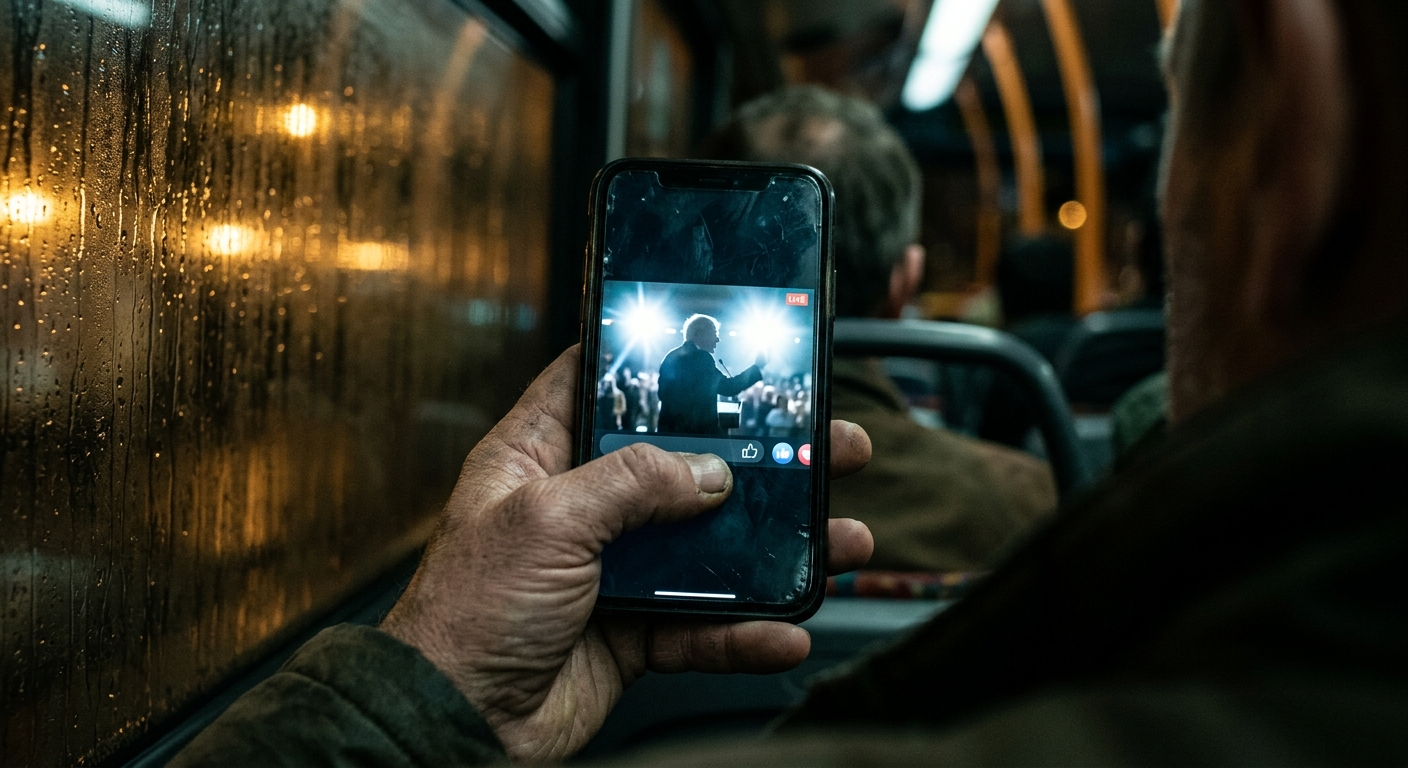
Fake AI videos of political figures are showing up in normal social feeds, not as scams, but as engagement bait. The goal isn't to trick you. It's to get you to

You've scanned your face, uploaded your passport, and answered security questions, again. A new study explains why you keep doing it. Spoiler: your phone is fin
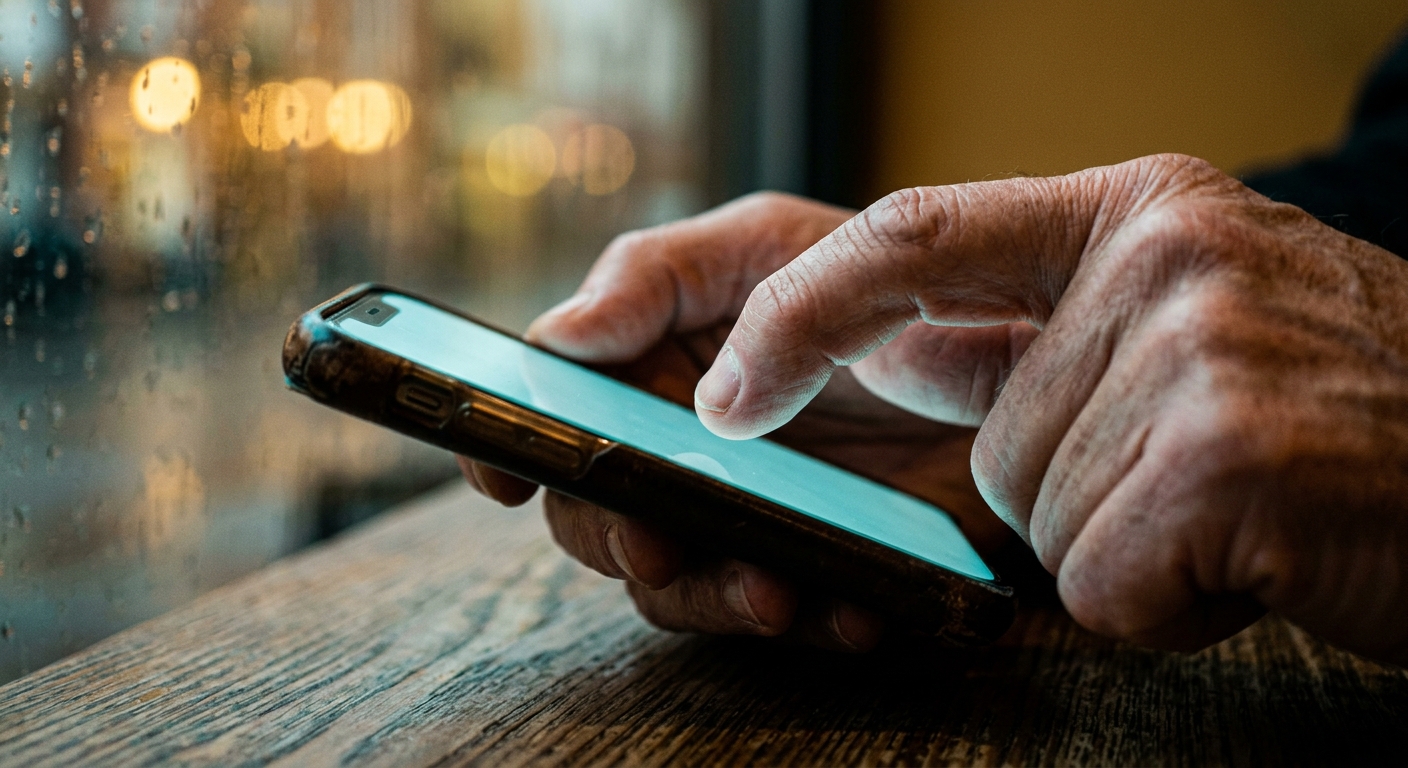
Your bank may soon recognize fraud not by your password, but by the way your thumb moves across the screen. Here's why that shift is happening, and what it mean

Passkeys are replacing passwords at checkout, and AI is starting to do the buying. The real question isn't whether your phone can verify you, it's whether anyon
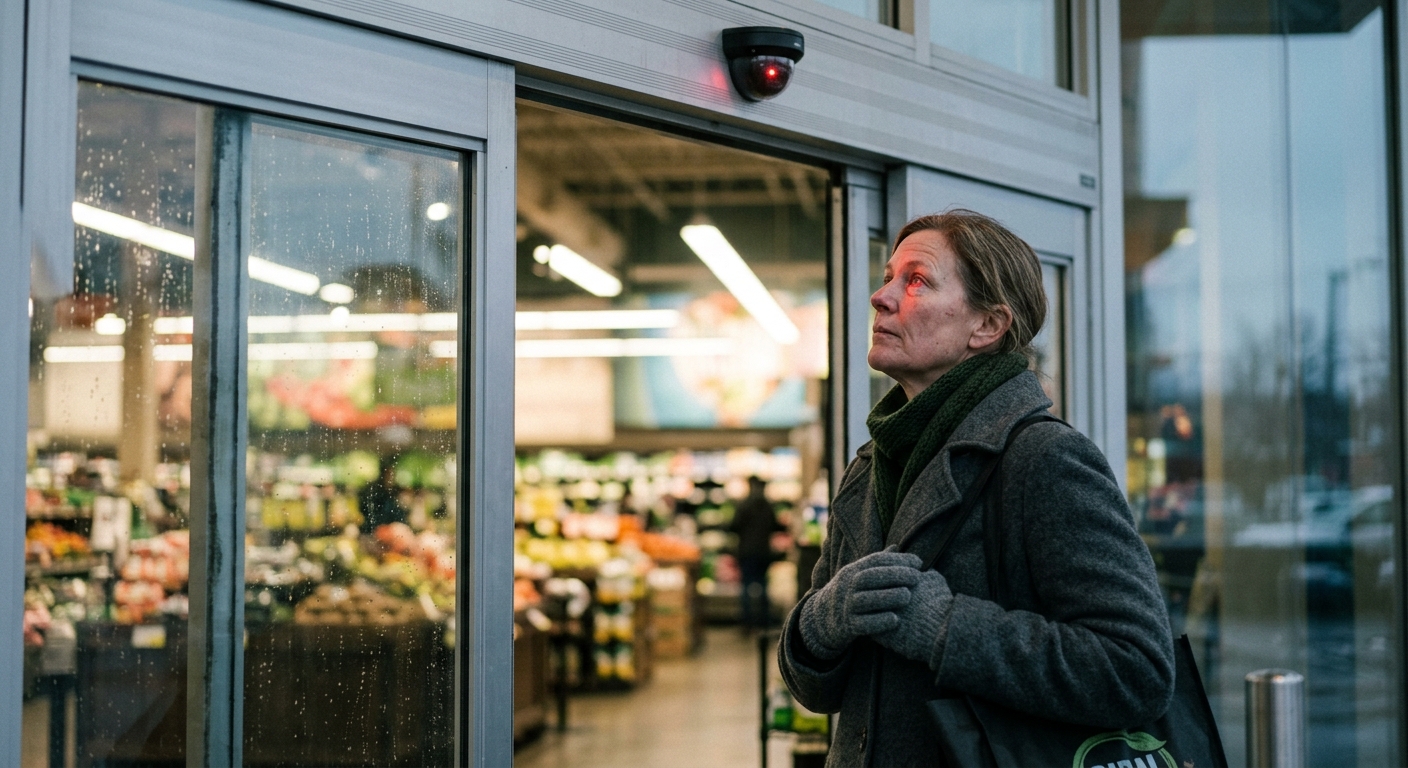
A Québec privacy ruling just drew a line in the sand for retail facial recognition, and the question it leaves behind affects every shopper in North America. Sh
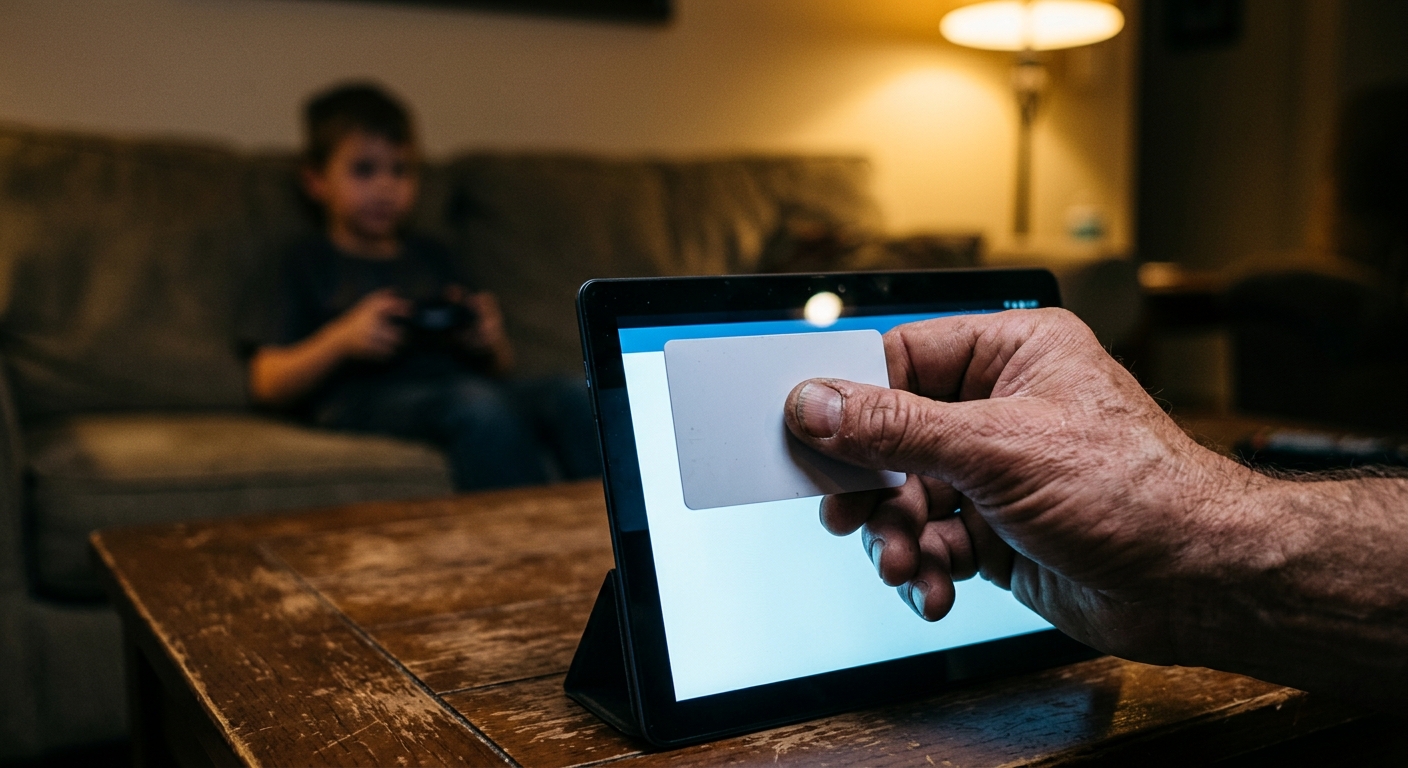
A reported $6.7 billion market-cap wipeout tied to Roblox's age verification rollout is a warning flare for every family. Here's what you should ask before hand
