Expert commentary on facial recognition, biometrics, and AI technology.
Facial recognition breakthroughs, OSINT strategies, and investigation technology — delivered to your inbox every morning.
No spam. Unsubscribe anytime. We respect your inbox.
A cold case. A computer match. Eleven months in jail. The Phoenix facial recognition false arrest isn't a tech failure, it's what happens when humans stop doing

A college student in Bengaluru alleged her private photos were leaked and AI deepfake threats followed. This isn't a tech story, it's a warning about how one re
Texas just got a porn site's domain frozen for ignoring age-verification rules. It's the first real enforcement action, and the ripple effects go way beyond adu
Singapore just removed the password from its national digital ID system, and the story of why reveals the single weakest link in every login you use. Your intel
A Texas law could require every phone user to prove their age before downloading any app. One court case is about to decide whether that becomes normal everywhe
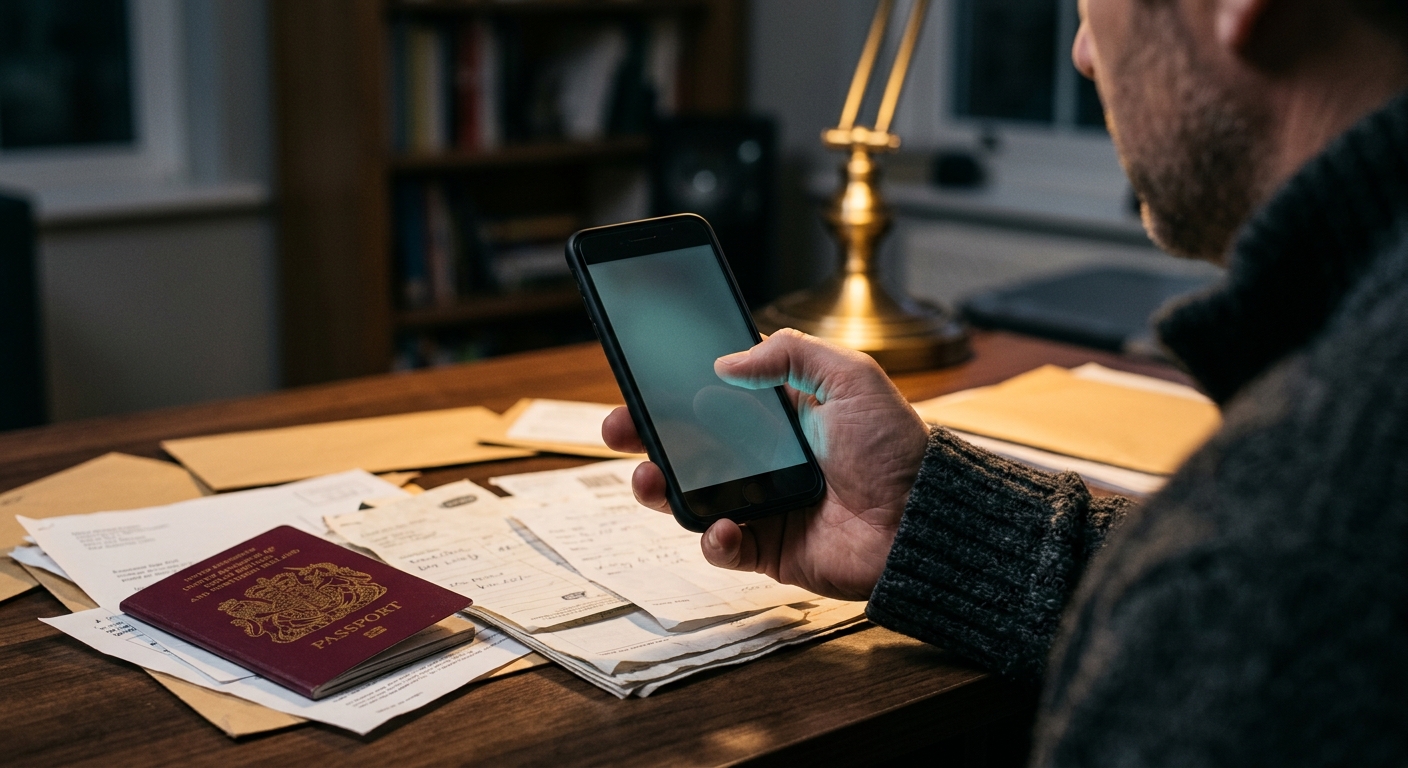
Six major UK banks are building a shared digital ID system that could let you prove who you are once and reuse that proof everywhere. Sounds convenient, but the
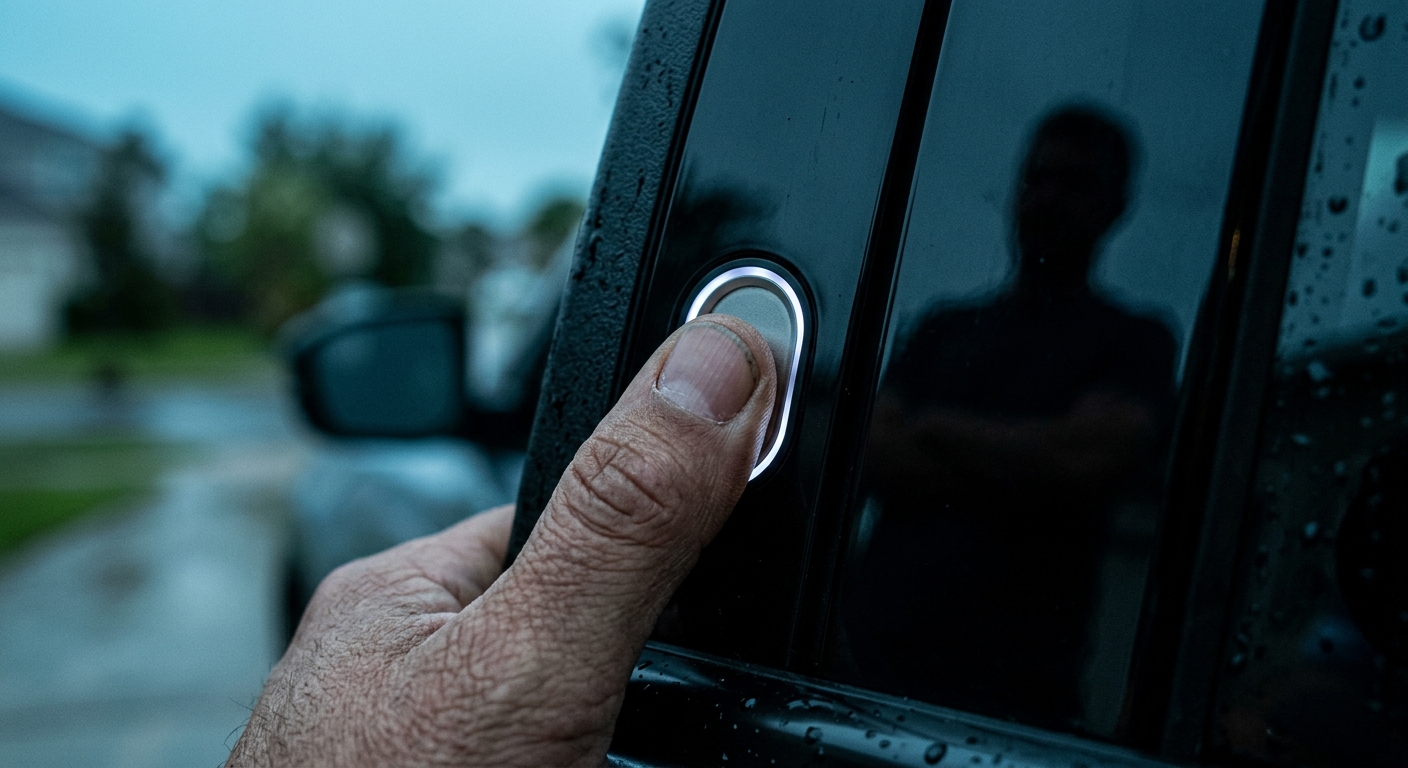
Cars are ditching physical keys for fingerprints and face scans, and that changes everything about what "losing access" looks like. Here's what you need to know

Your office building may already be making AI-powered decisions about you. The EU just decided that's no longer a gray area, and the consequences reach far beyo
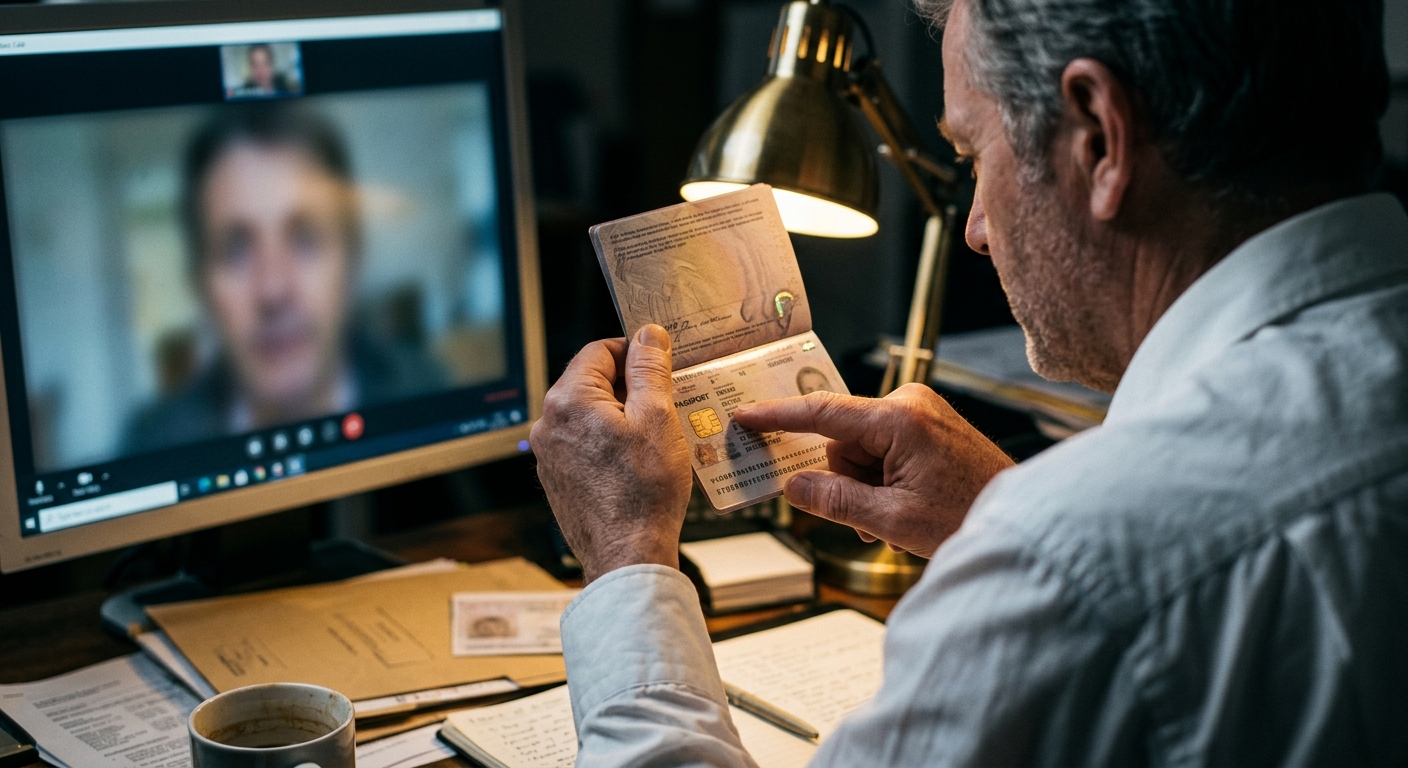
Türkiye just moved official government identity checks to your phone. It's convenient, but it also opens a door that every scammer in the world is watching. Her
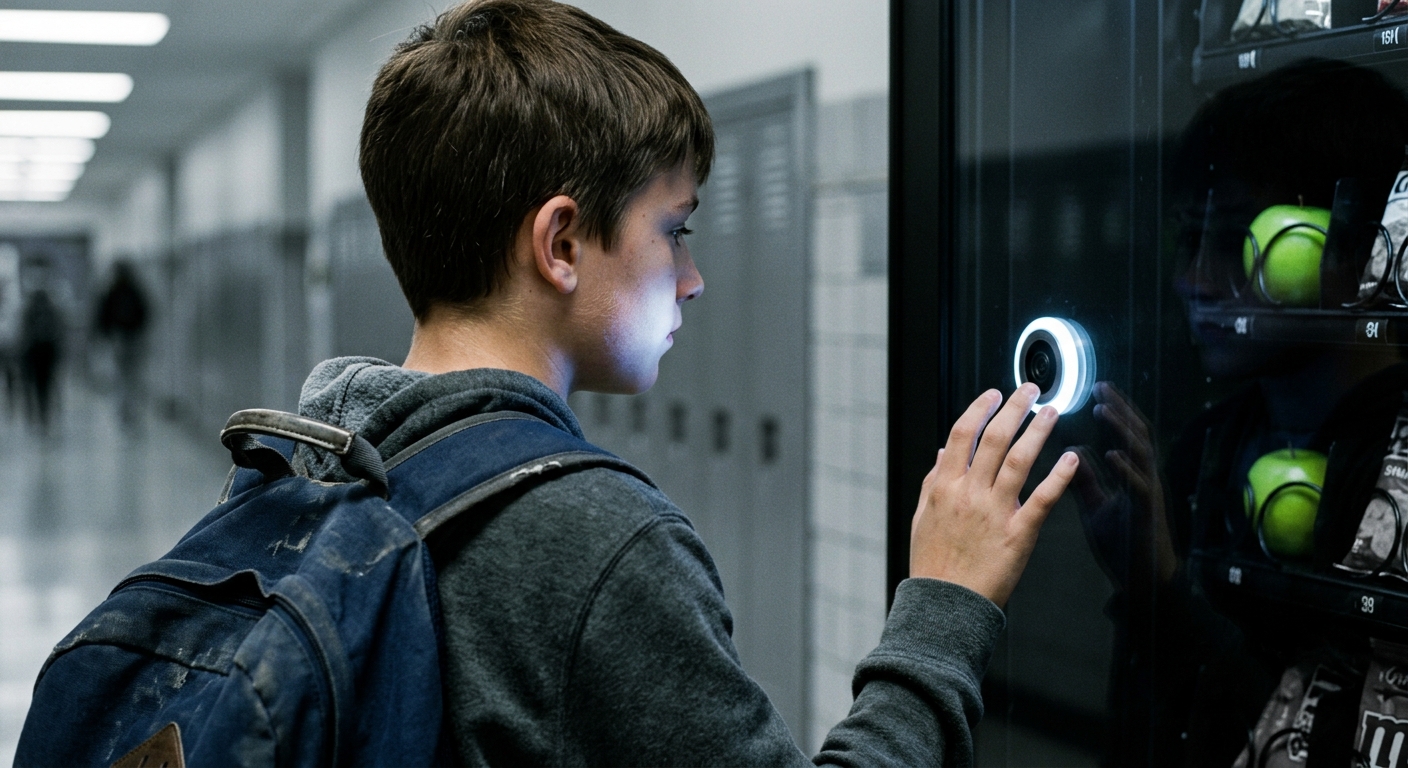
Schools in the UAE are scanning kids' faces at vending machines to nudge healthier snack choices. It sounds harmless, until you ask who keeps the data and why.
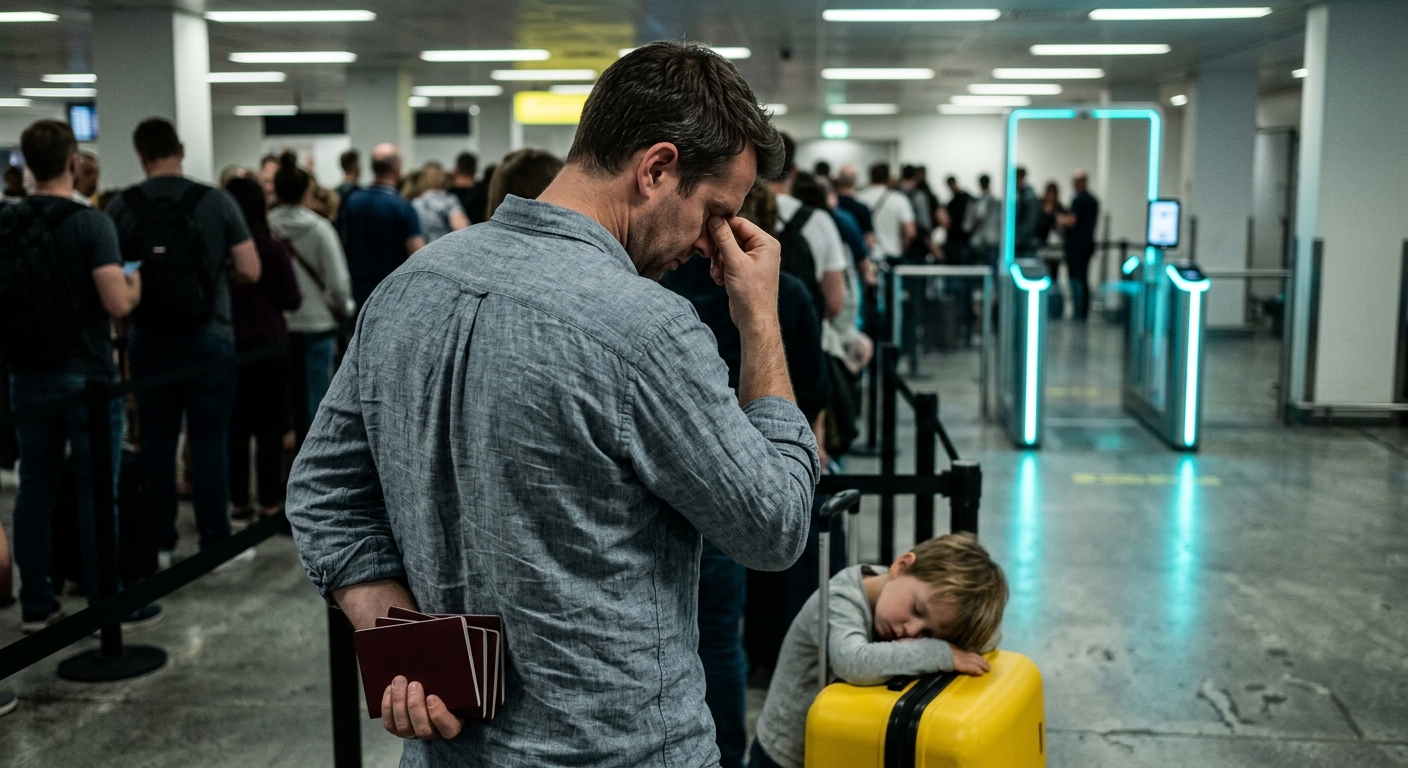
Europe's new border ID system went live this spring, and it's already leaving passengers stranded. Here's what this means for your summer travel plans before yo
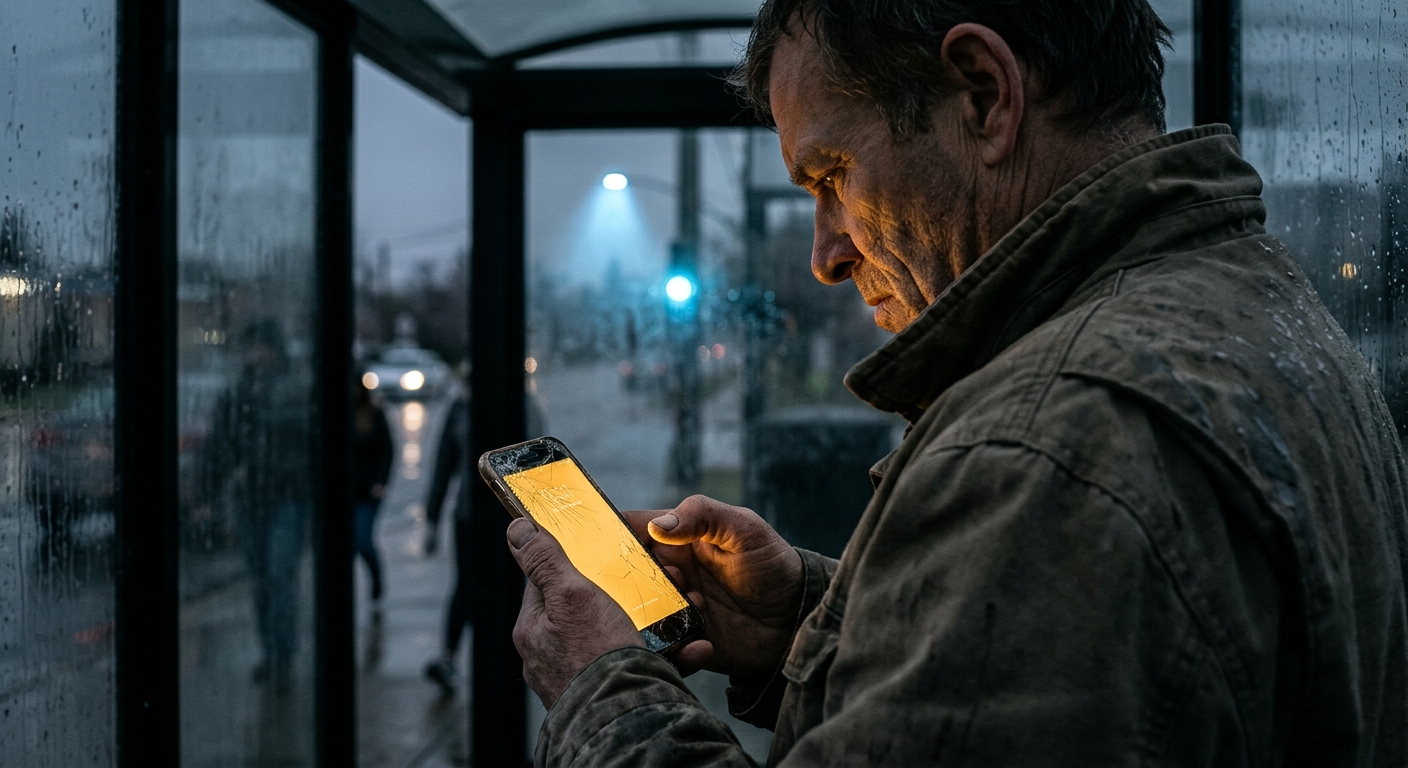
Your phone number may soon be an identity checkpoint. Indonesia's SIM biometric rollout is part of a global wave, and what happens when the system fails ordinar
