Expert commentary on facial recognition, biometrics, and AI technology.
Facial recognition breakthroughs, OSINT strategies, and investigation technology — delivered to your inbox every morning.
No spam. Unsubscribe anytime. We respect your inbox.
A federal judge just said 6 million Apple users can sue together over facial data collected without real consent. If you've ever hit "allow" on a biometric prom
Airports are quietly replacing passport checks with phone-based identity verification. AI fraud and exploding passenger numbers are forcing the shift, and most
The newest deepfake threat isn't a fake celebrity. It's a fake "proof" video that makes you trust the wrong product. Here's what changed, and why it matters to
At least 14 people have been wrongfully arrested because police treated a software "match" as proof. The technology isn't the whole problem, the process is. Her
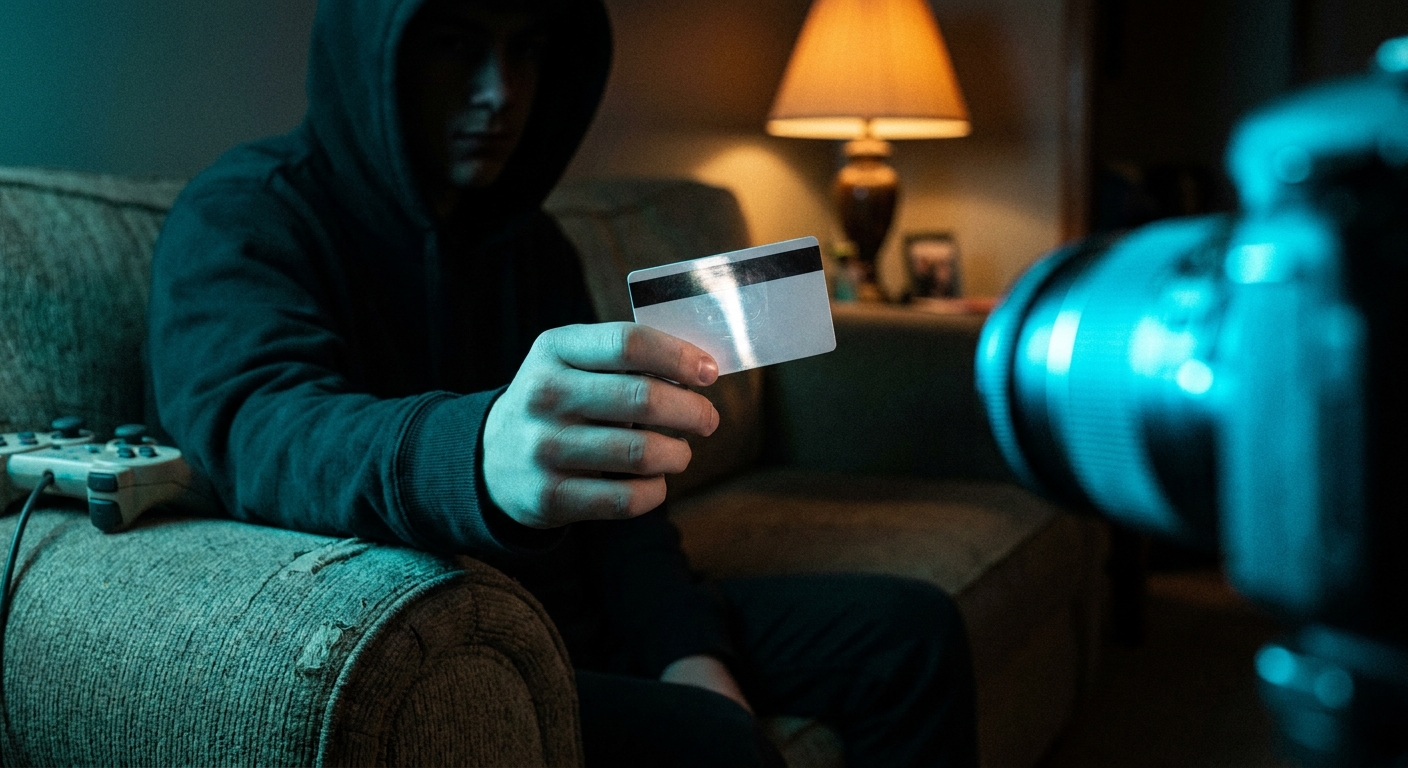
Age checks on gaming and social platforms sound simple, but your face or ID may be going somewhere you didn't expect. Here's the privacy gap nobody's explaining
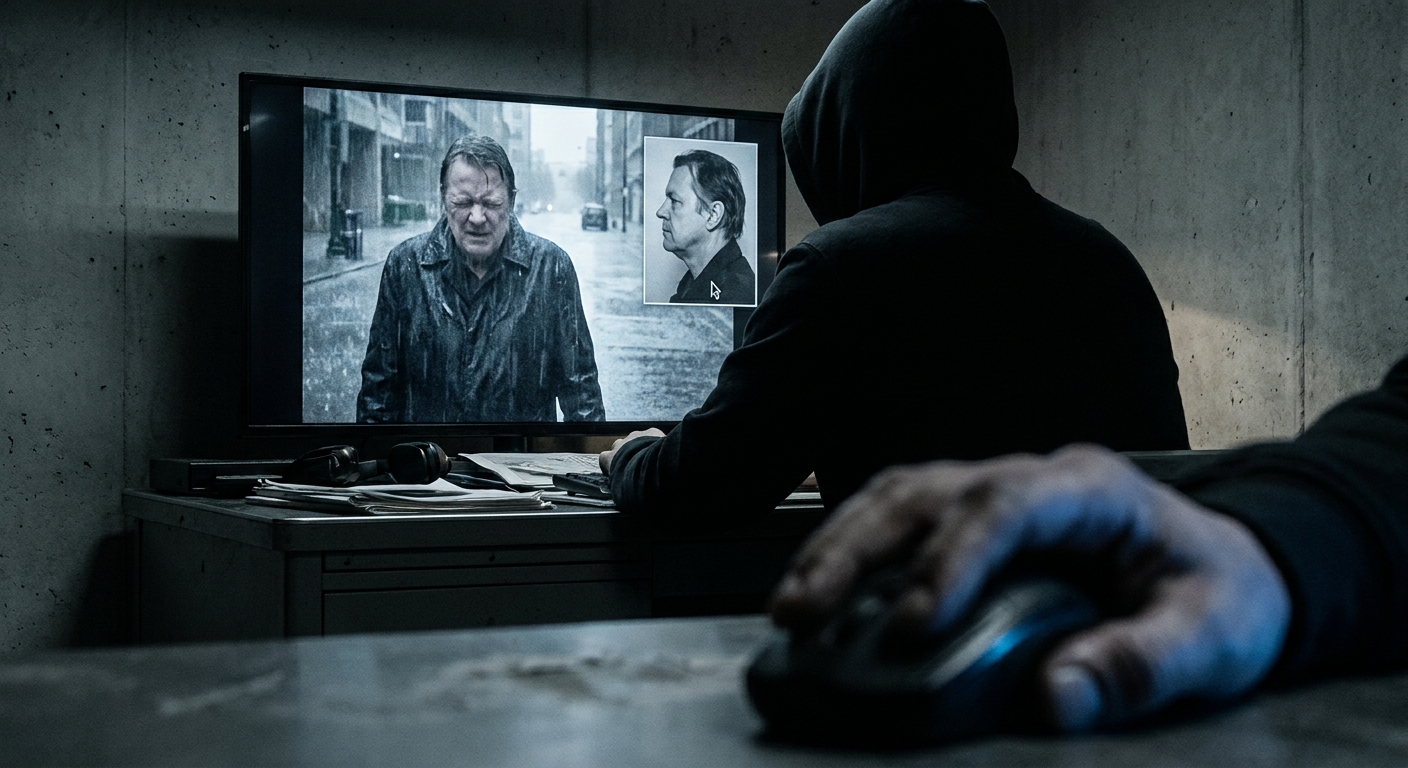
Ireland's new body-camera bill isn't really about cameras, it's about what happens to the footage after the moment is over. Here's why that should make you thin
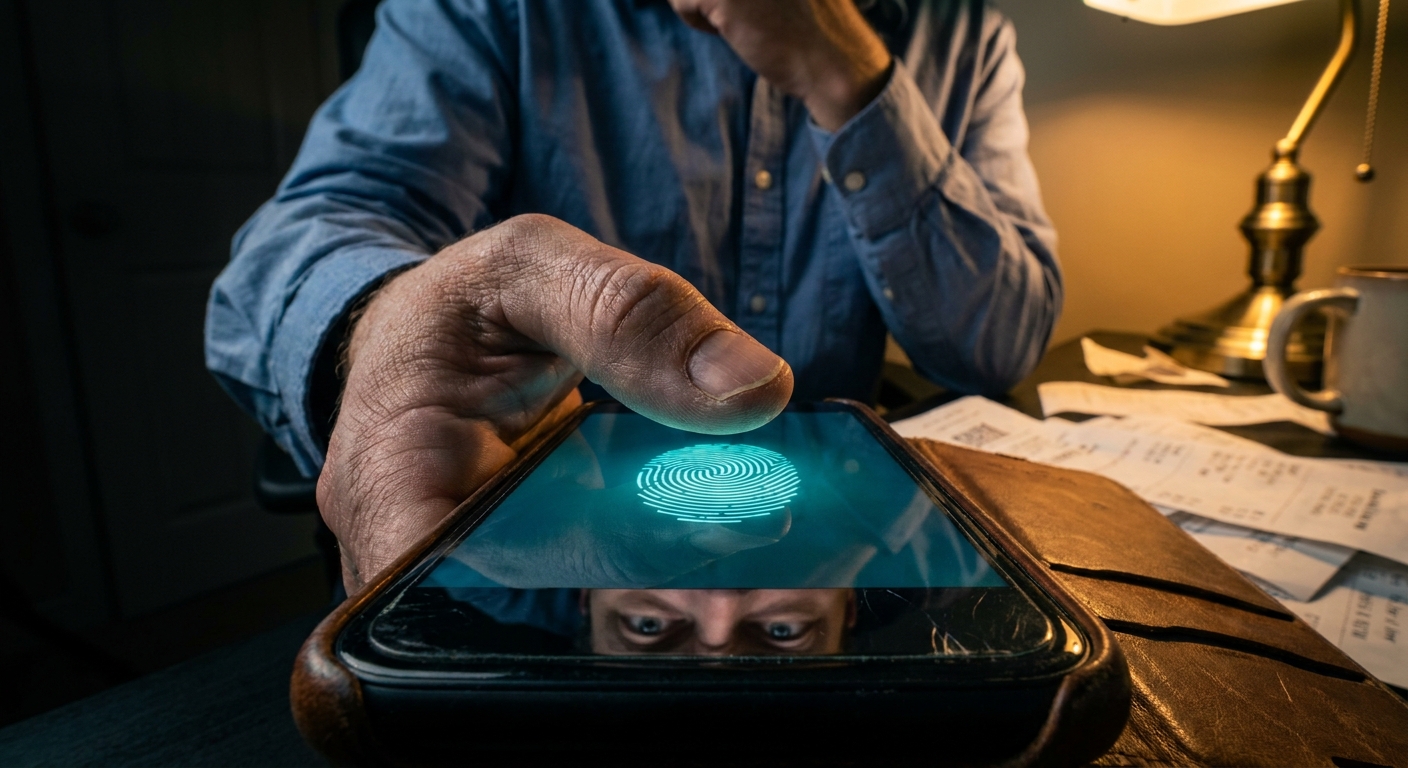
Your work identity may soon live in your phone. The EU just moved closer to making that real, and it changes how the next scam finds you at work. Here's what to
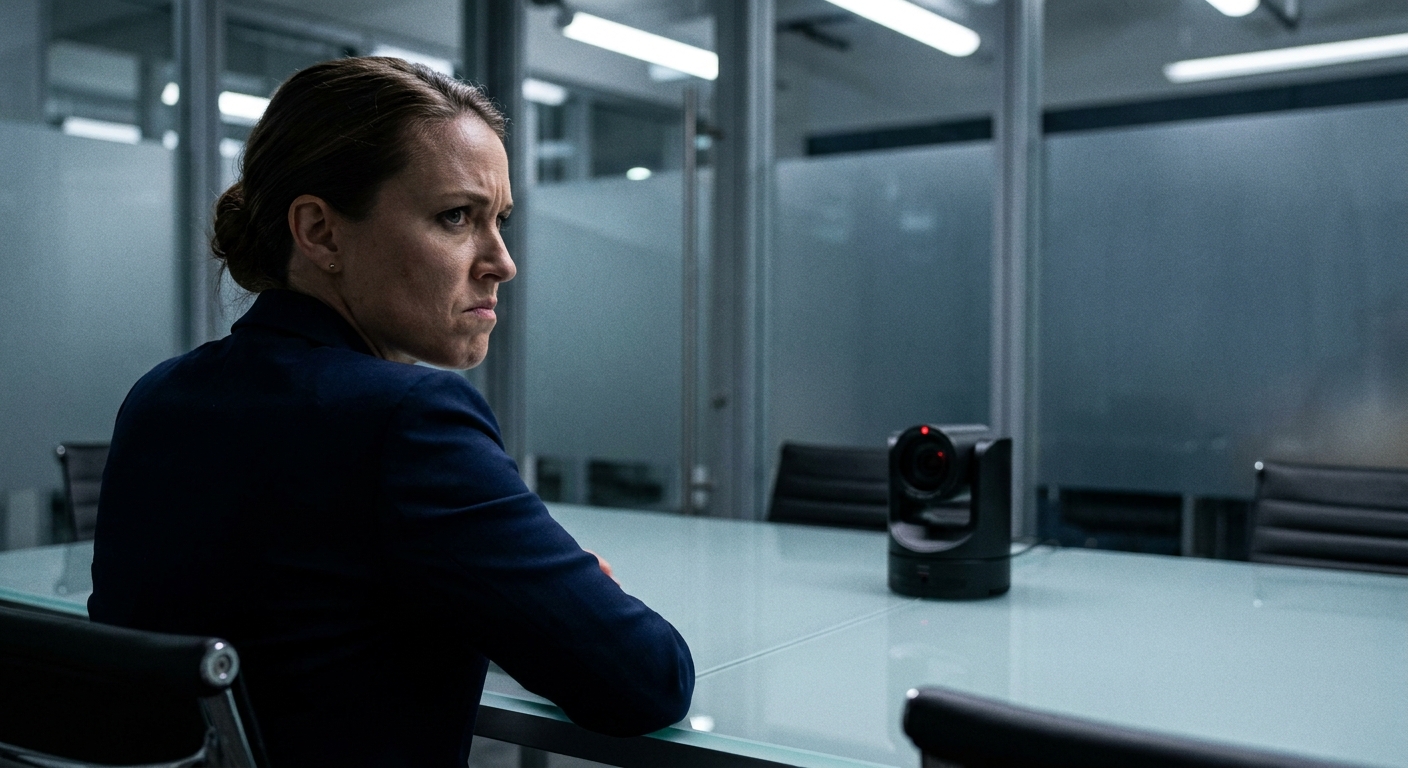
The AI in your conference room may not just be taking notes, it may have been rating you. Here's what just became illegal in Europe, and why every worker should
Government agencies are dropping passwords for something stronger, but that shift exposes a sneaky new weak spot that affects every one of us. Here's what's act
Meta shipped facial recognition code to 50 million phones before most users had any idea. The technology wasn't active, but it was there, waiting. That gap betw
Türkiye just became the first major country to say "consent" isn't enough when your employer wants your face to track attendance. Here's what that means for eve
A South Korean court just acquitted a man for possessing deepfake images of underage K-pop idols, because the images were too obviously fake to prosecute. Here'
