Expert commentary on facial recognition, biometrics, and AI technology.
Facial recognition breakthroughs, OSINT strategies, and investigation technology — delivered to your inbox every morning.
No spam. Unsubscribe anytime. We respect your inbox.
Nearly everyone supports age checks online. Almost as many say those checks don't actually work. And buried in the fine print is a question nobody's asking out
Your teenager doesn't have to send a single intimate photo for someone to use their face against them. Here's what deepfake sextortion actually is, why it's spr

A Spanish privacy ruling and competing EU rules are quietly threatening the digital ID wallet rollout meant to replace your physical cards by 2026. Here's what
Your AI assistant is about to start buying things for you, and nobody's figured out how to prove it has your actual permission. Here's what's coming and why it
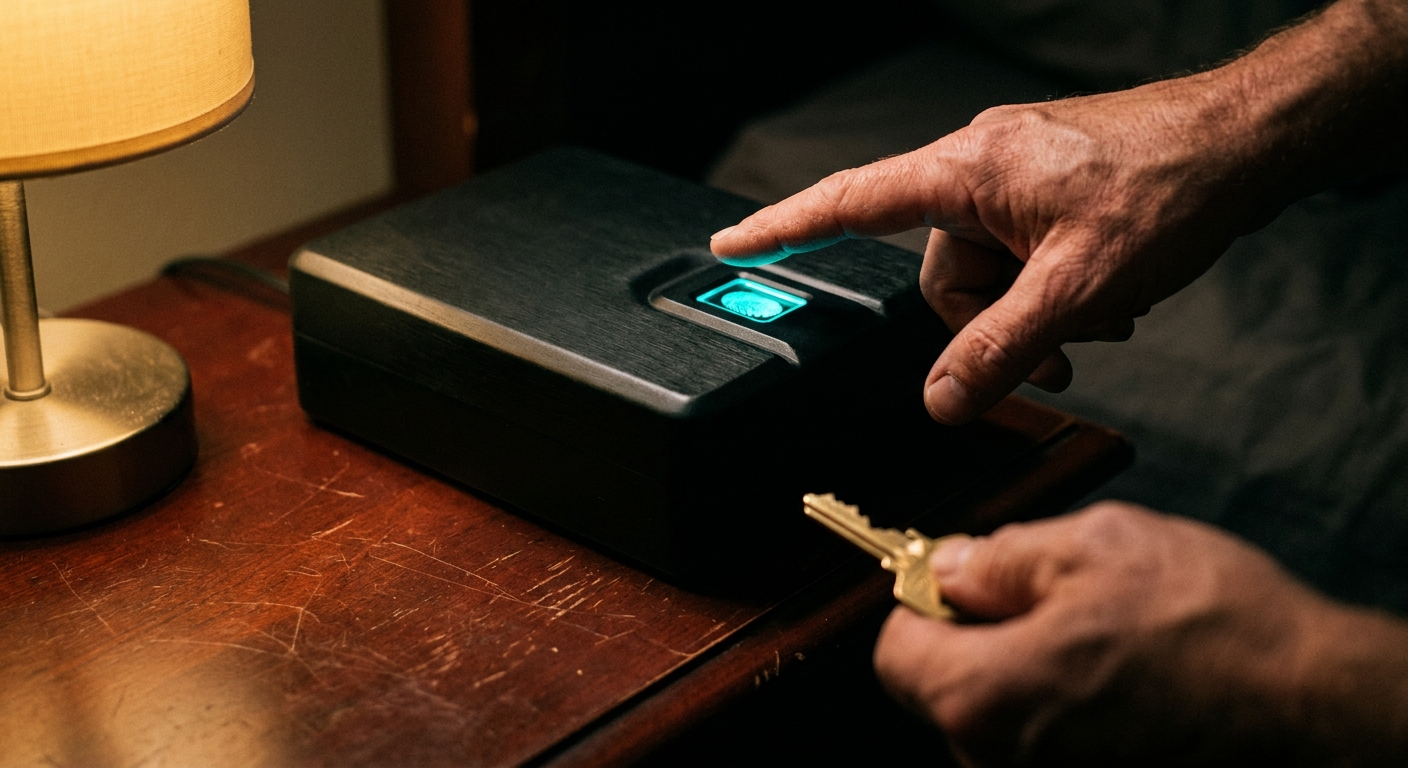
Pierce County is handing out 1,500 free biometric gun lockboxes, and it's a sign of where home safety is heading fast. But before you bring one home, there are
A federal bill could freeze your state's ability to create new AI protections for three years. Here's what that means for your job, your money, and your identit
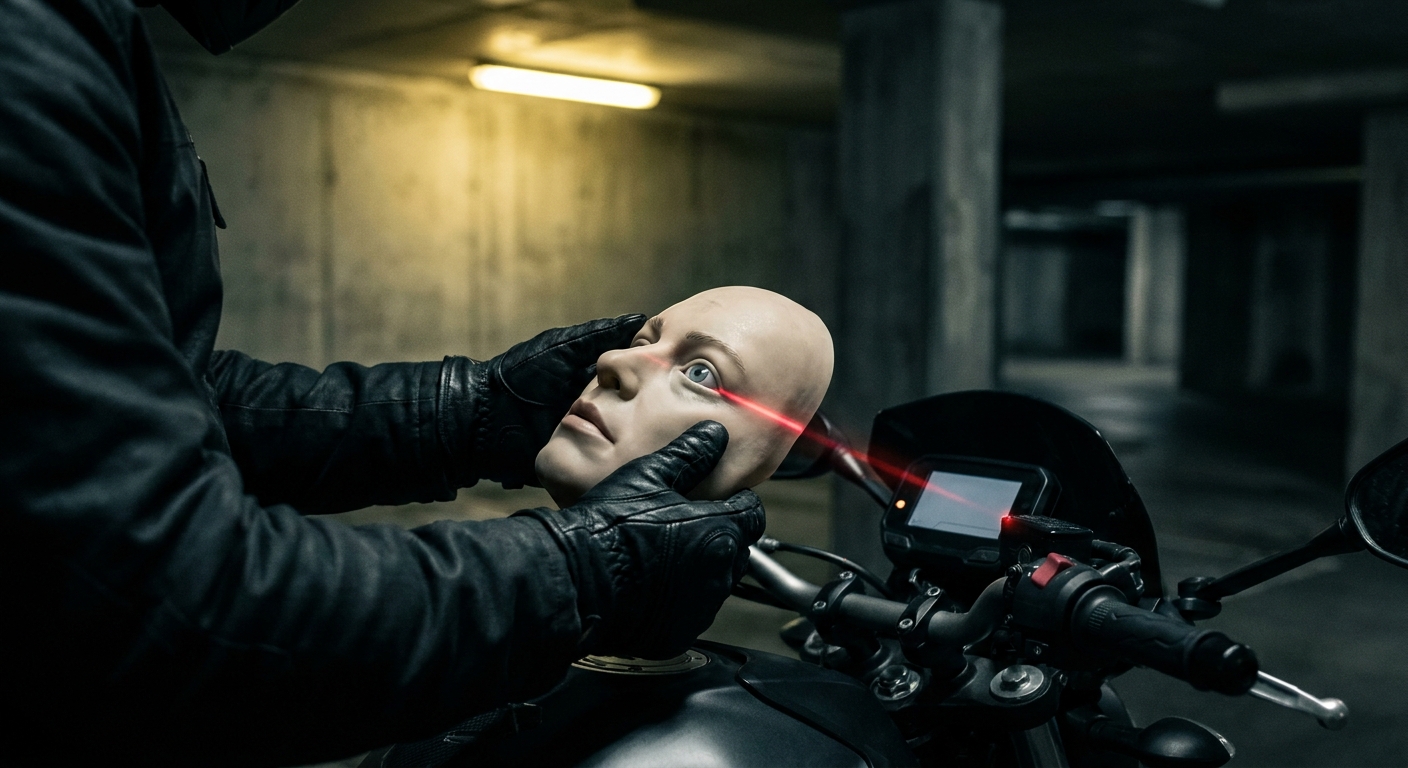
BMW just made your face the ignition key for a motorcycle. It sounds cool, until you ask what happens when that face data gets stolen and you can't change it li

Attackers are combining fake Microsoft Teams messages with AI-cloned voices to trick employees into approving urgent requests. "Just call to confirm" is no long
A small credit union just adopted big-bank identity verification tech. That's good news for fraud prevention, and a gift to every scammer who wants to copy it.
Your government ID is becoming an online account. Morocco just made it official, and the rest of the world is right behind them. Here's what that really means f

Malaysia just made age verification on social media mandatory, government ID required. It's a preview of what's headed to every parent's phone. The catch? The t

Deepfakes aren't just getting better, they're getting faster than your instincts. Here's why "spotting" AI-made videos is the wrong goal, and what actually keep
