Expert commentary on facial recognition, biometrics, and AI technology.
Facial recognition breakthroughs, OSINT strategies, and investigation technology — delivered to your inbox every morning.
No spam. Unsubscribe anytime. We respect your inbox.
Scammers can clone your child's voice from 3 seconds of audio and call you in a panic. The old advice won't save you. Here's what actually will.
AI rules are finally arriving, but they're asking ordinary people to hand over biometric data faster than the protections can keep up. Here's what that means fo
Your face may soon replace your boarding pass, but do you know who keeps that image, and for how long? Here's what airports aren't telling you clearly enough.
Iowa just passed a law requiring age checks on adult websites. The real question nobody answered: once you hand over your ID to prove you're 18, where does it g
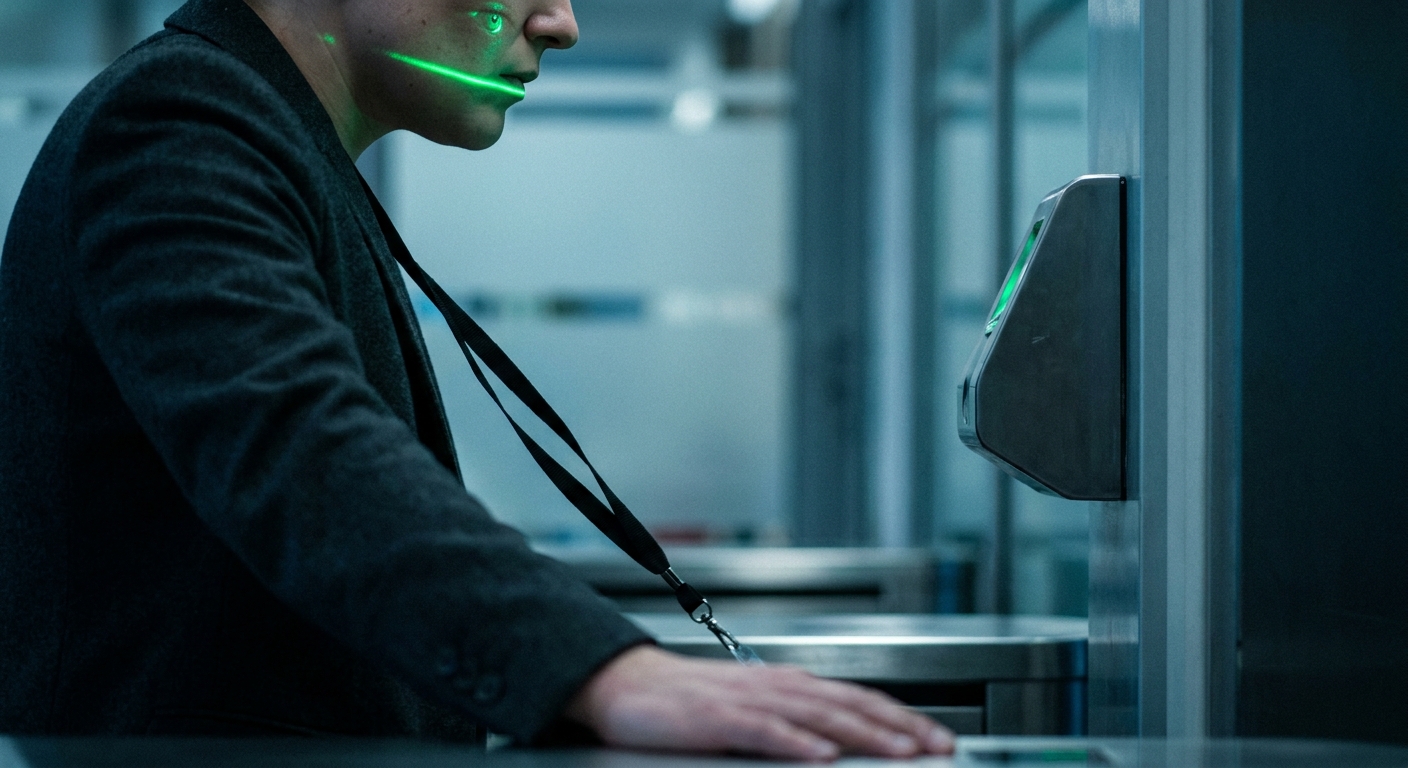
Elon Musk's xAI reportedly collected employees' biometric data to train an AI companion, without a clear way to say no. If your job scans your face or voice, th
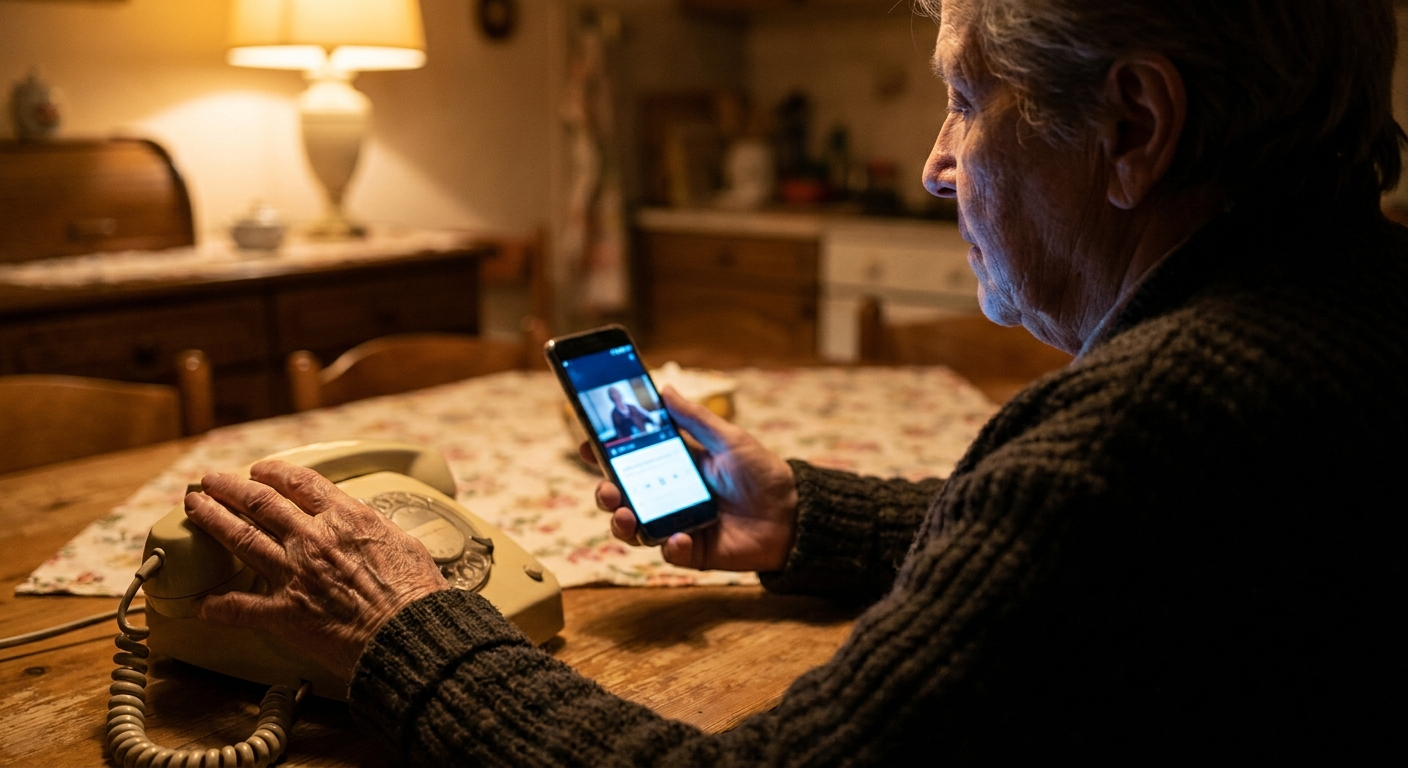
A senior reportedly lost nearly $1 million after a fake AI video of Canada's Prime Minister sent her to a crypto scam. If a convincing face can steal a million
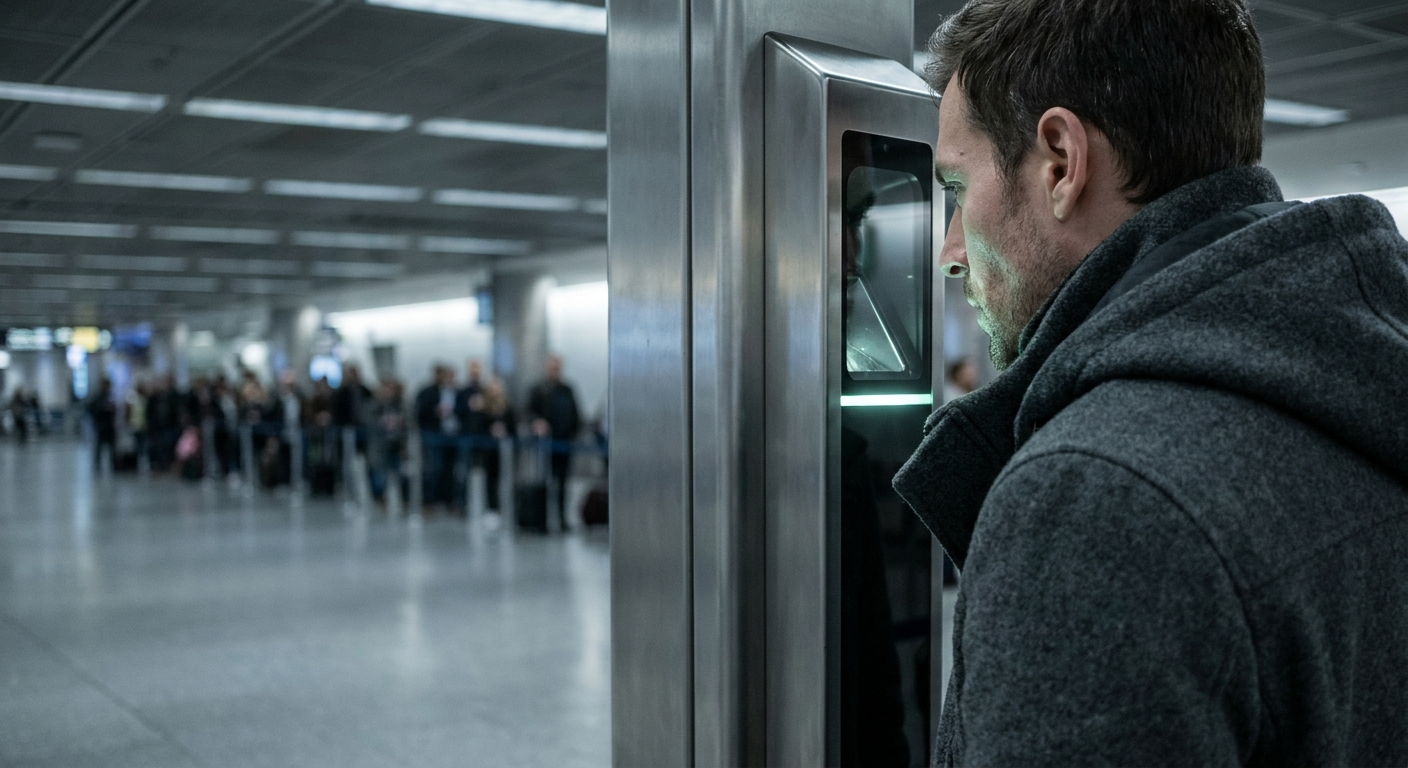
Face-based airport boarding just hit 100 million journeys. Before you skip the line, find out what actually happens to your biometric data, and whether you can
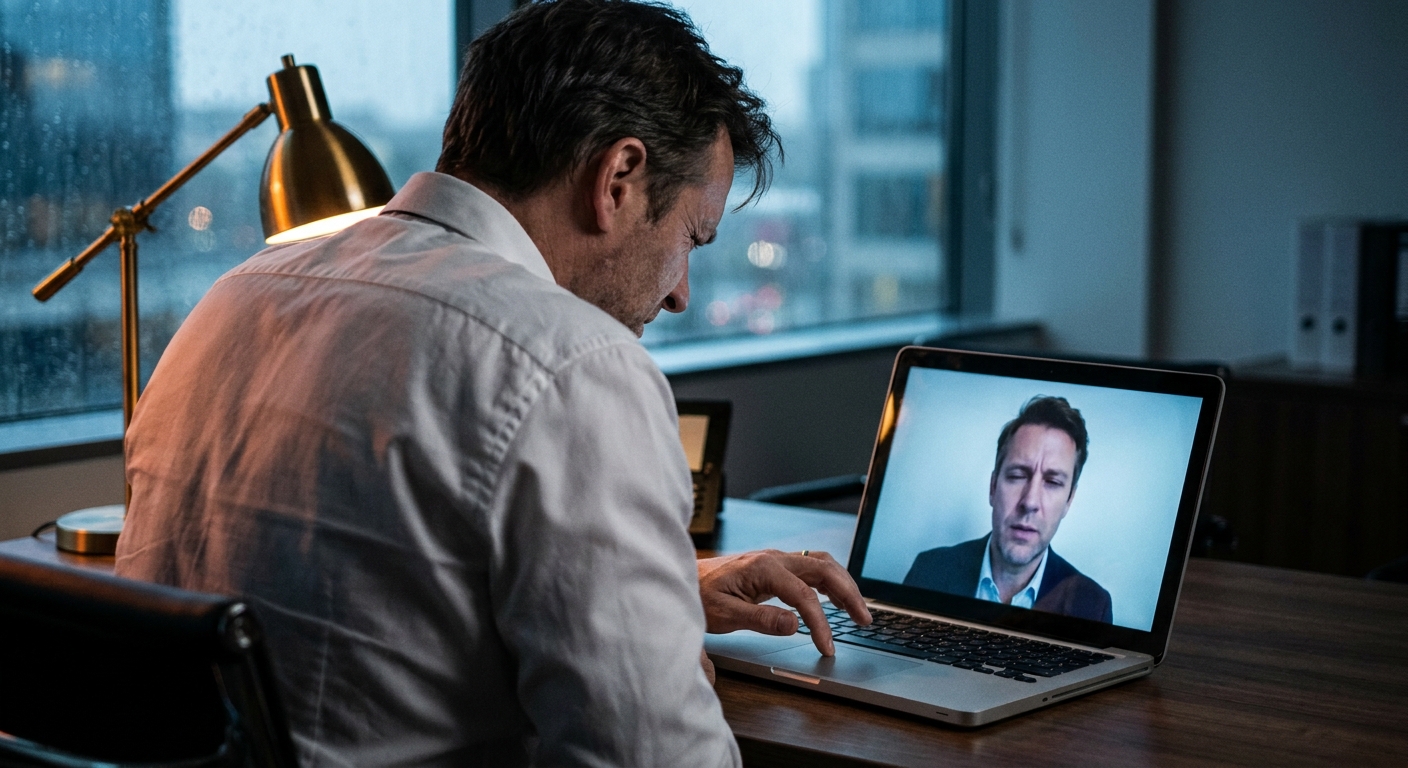
A finance worker wired $25 million after a video call with his CFO. Except his CFO wasn't there. Here's what that means for the rest of us.
Google just added AI to your phone to detect fake voice calls, and that move tells you everything about how dangerous voice-cloning scams have become. Here's wh
A fake video of you, or someone you trust, can now be made in minutes with free tools. Here's what that changes, and the one thing you can do about it right now
The scariest number in deepfake fraud isn't a statistic, it's the number 1. One believable message from someone you trust is all it takes. Here's what's coming
A real court. A fake photo. A 45-day jail sentence. Deepfake images are no longer just an internet problem, they're showing up in legal fights, workplace disput
