Expert commentary on facial recognition, biometrics, and AI technology.
Facial recognition breakthroughs, OSINT strategies, and investigation technology — delivered to your inbox every morning.
No spam. Unsubscribe anytime. We respect your inbox.
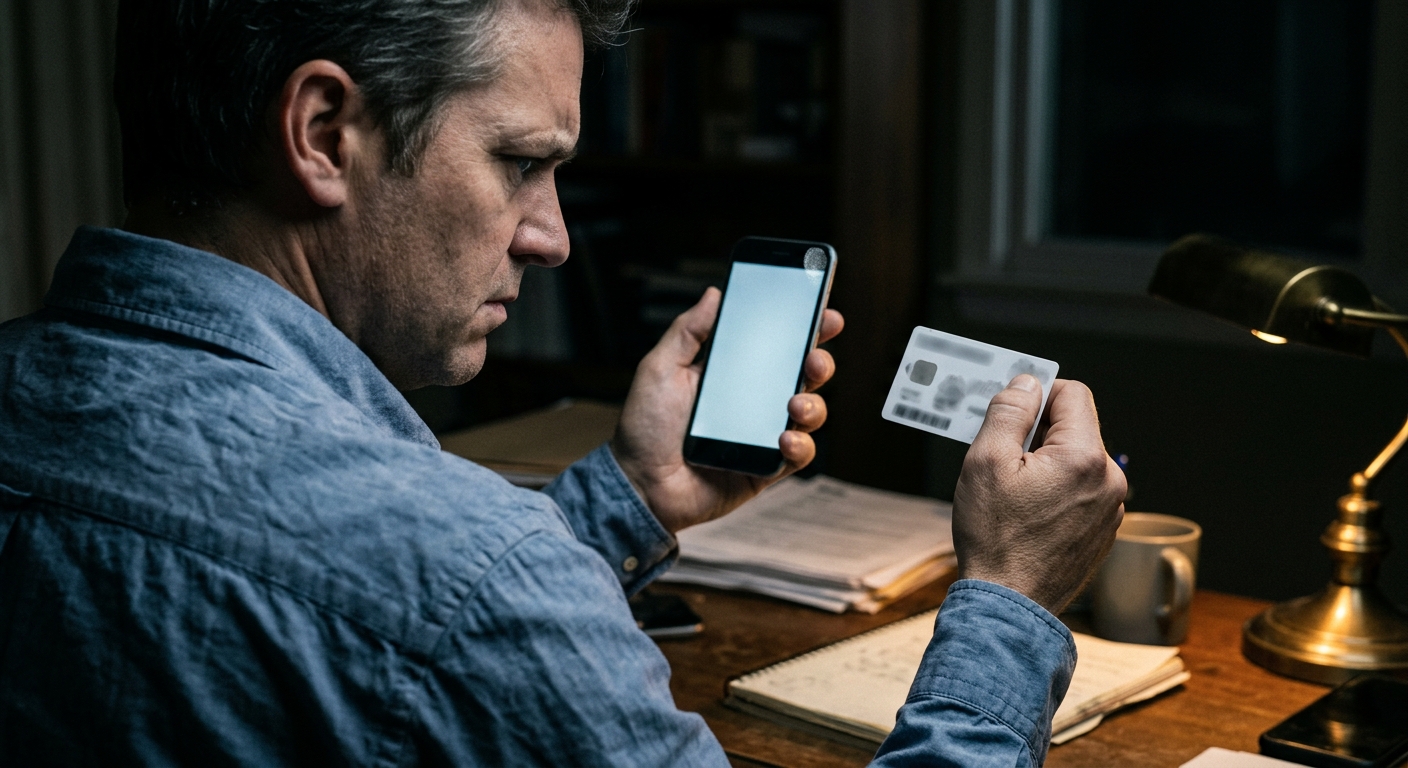
Starting July 8, 2026, Anthropic can legally collect government IDs, live selfies, and facial geometry from everyday Claude users. Before you click "verify," he
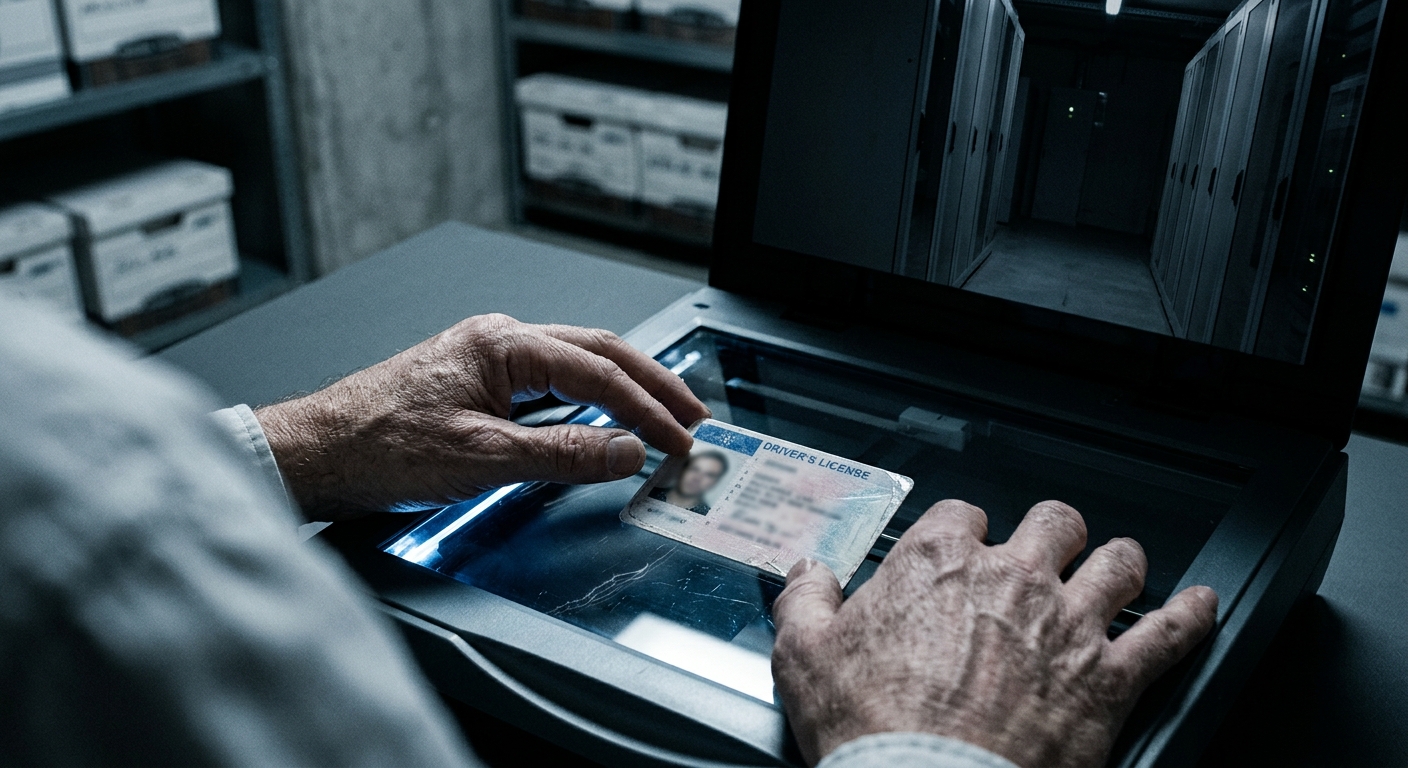
Tasmania quietly removed 468,000 driver's license photos from a national facial recognition database, and the reason why should make every license-holder uncomf
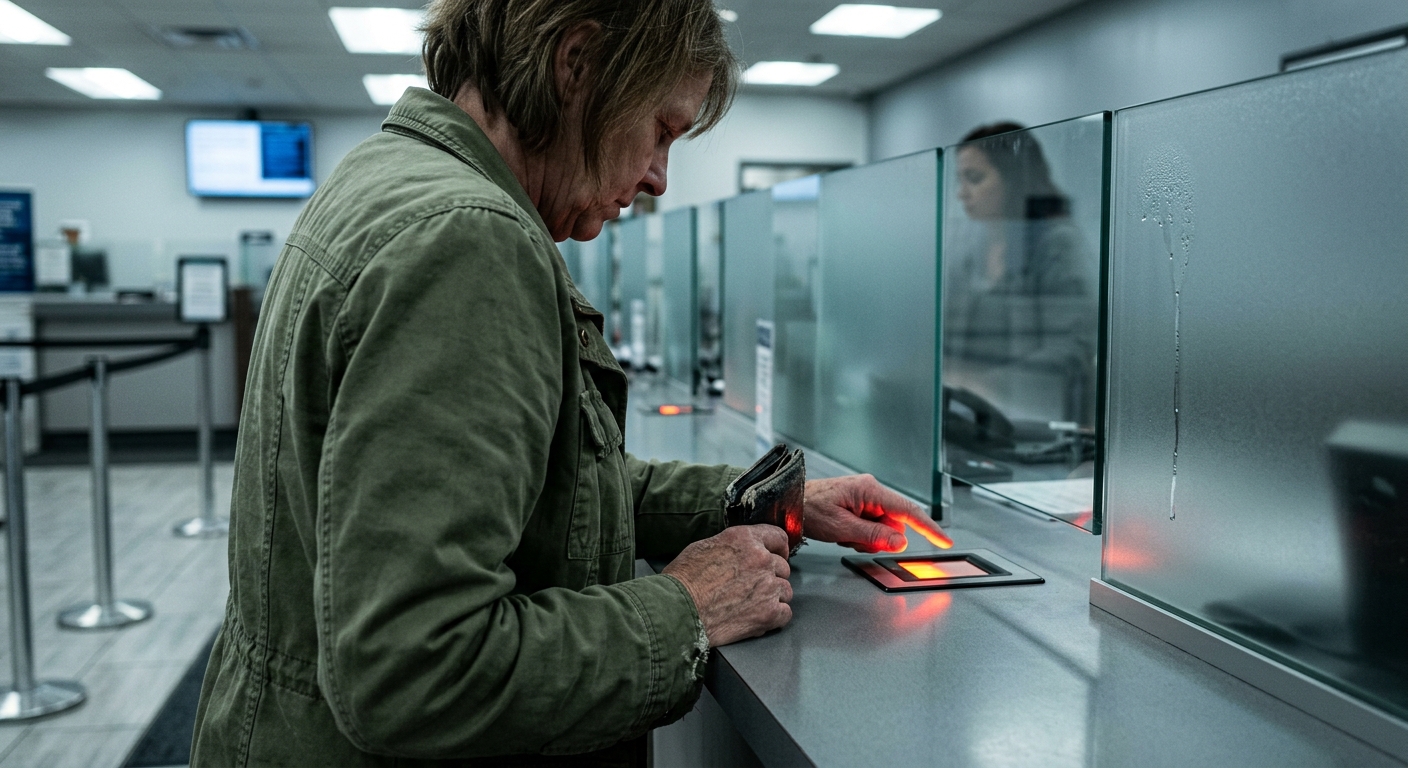
South Africa just made getting a national ID card as easy as visiting your bank. That's genuinely good news. But a quiet question is hiding inside that convenie
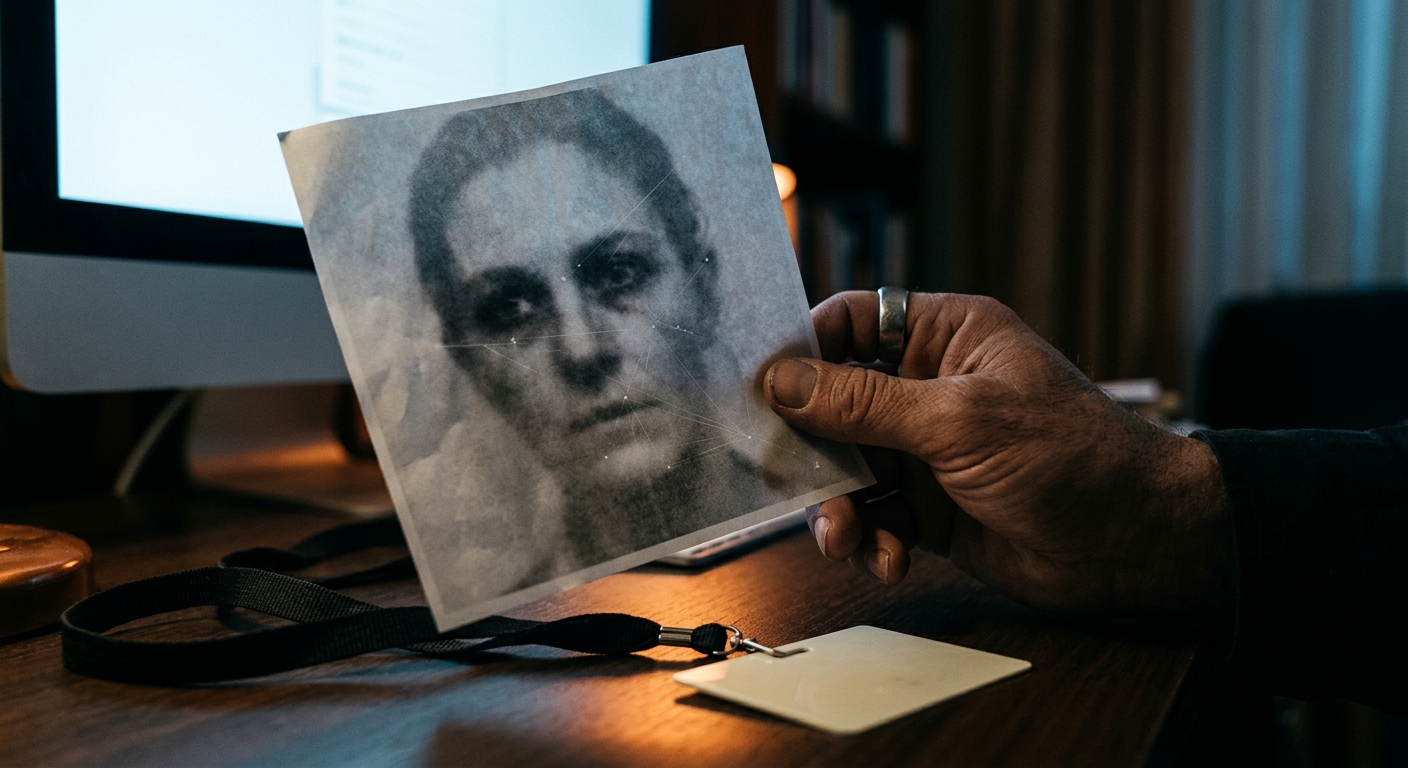
A hacker group leaked facial recognition data tied to millions of Madison Square Garden visitors, and the uncomfortable truth is that this kind of breach is per
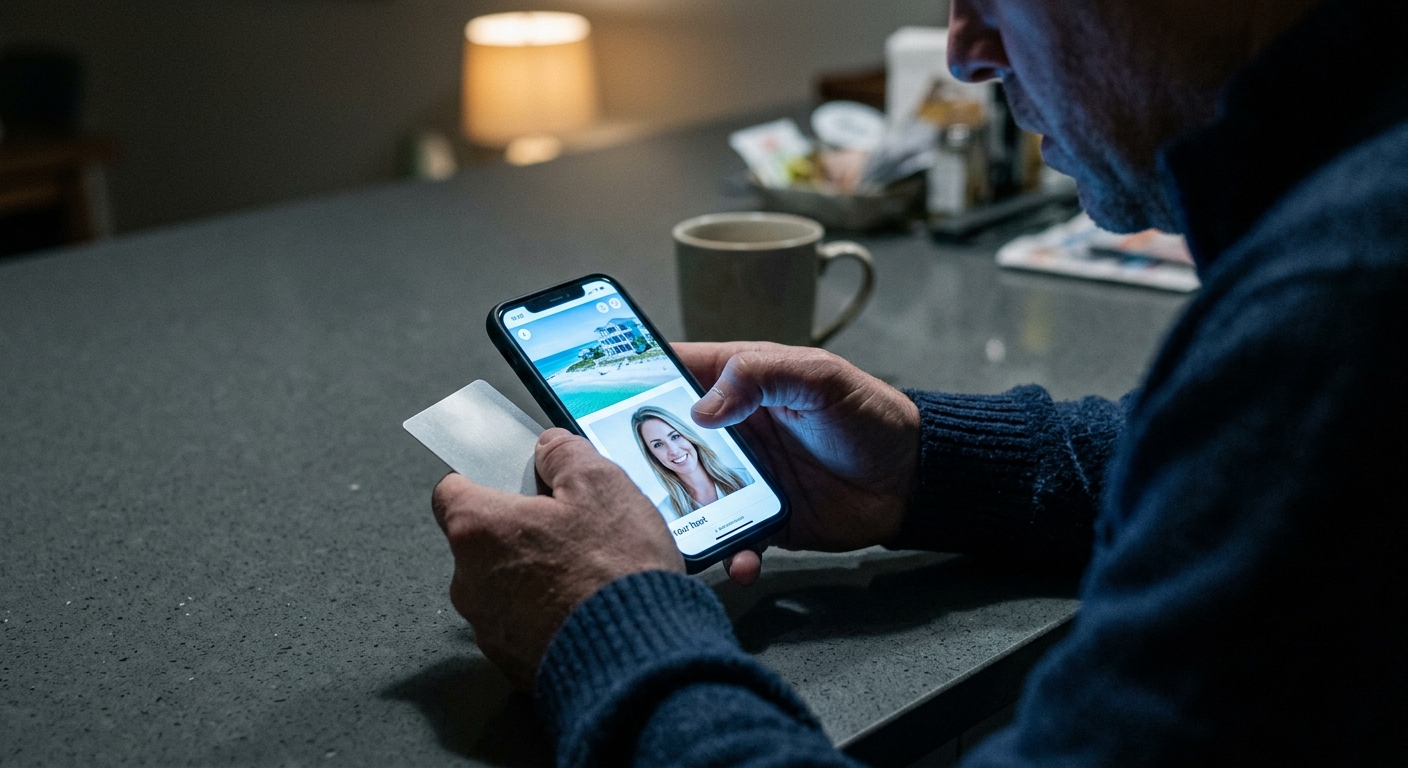
Scammers are using AI to build fake vacation rental listings, fake hosts, and fake properties so convincing that even careful people get fooled. The danger isn'

Over 600,000 people showed up to take a high-stakes teaching exam in India, and their faces were the ticket in. Here's what that means for everyone, everywhere.
Banks are moving toward face and fingerprint checks as AI makes passwords and documents easy to fake. Here's the one safety rule that could save you from the sc

The EU's new AI law isn't just asking whether hiring software makes fair decisions, it's demanding proof that the data used to train it was fair in the first pl
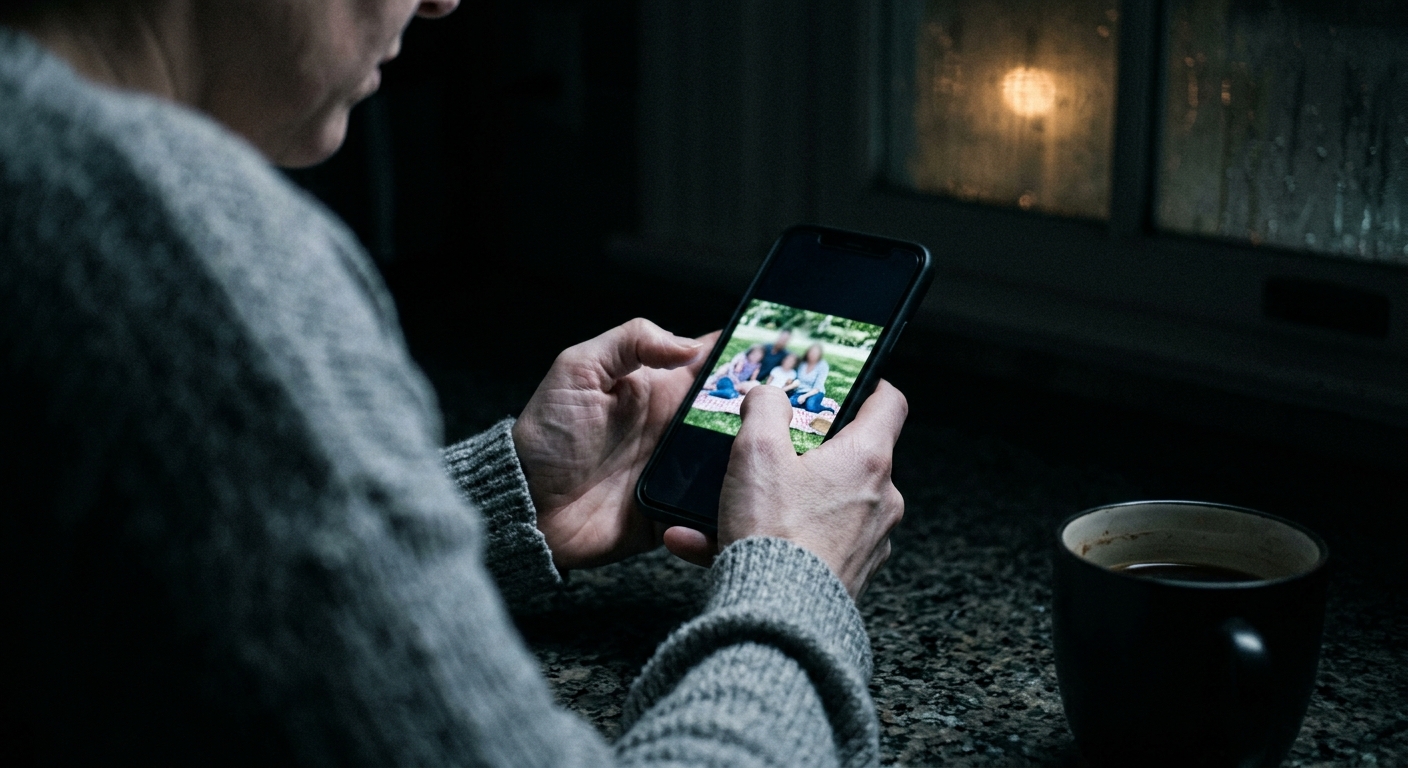
A New Zealand mum shared family photos on Facebook to stay connected. Those same photos ended up in AI-generated pornographic content featuring 15+ people from

Voice phishing attacks jumped 442% in one year, and scammers have now figured out that a real estate closing is the perfect moment to strike. Here's what you ne
Korean singer Shin Ji was tricked by a fake ad using her colleague's face. If someone whose job is recognizing performance can't spot a deepfake, your "I know t
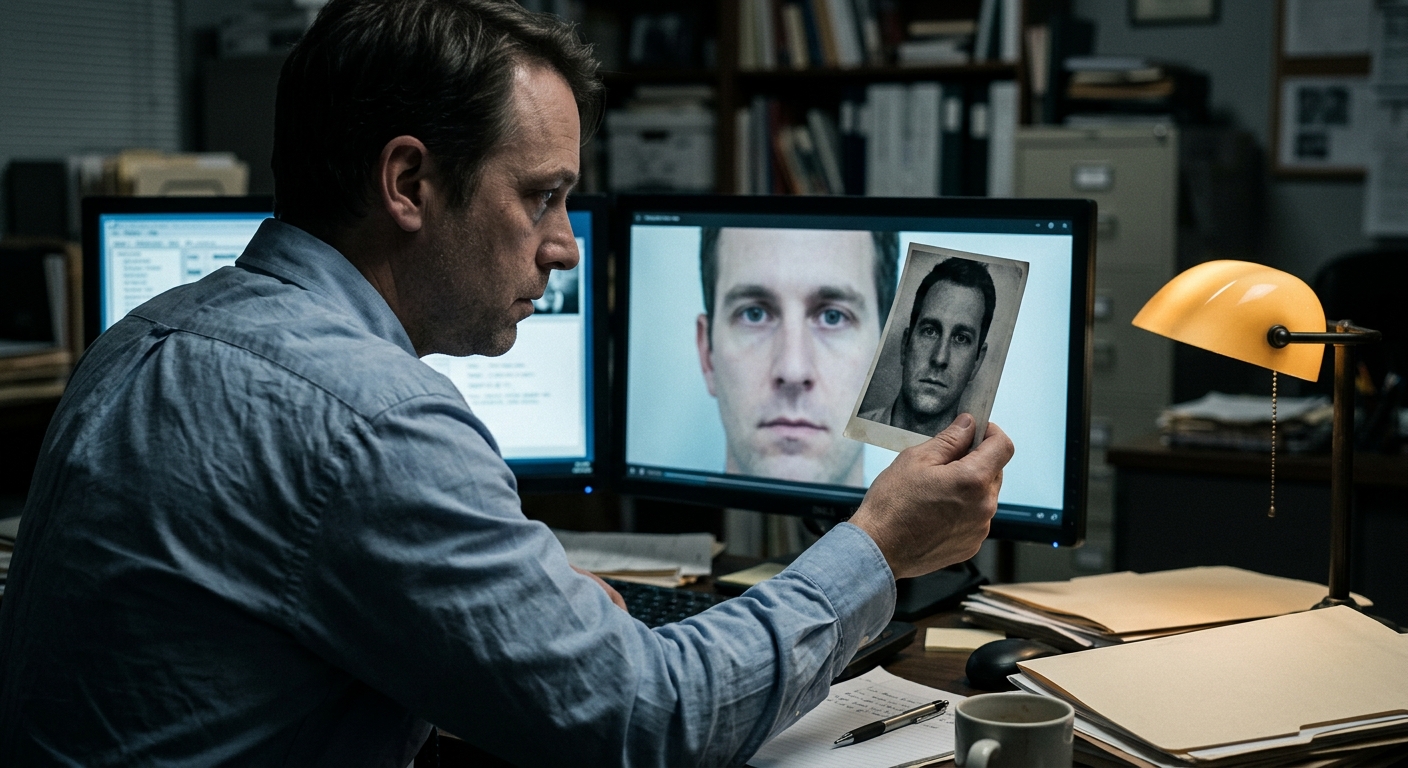
A face on your screen used to be proof enough. In 2026, it no longer is. Here's what a nearly 500% surge in deepfake identity fraud actually means for regular p
