Expert commentary on facial recognition, biometrics, and AI technology.
Facial recognition breakthroughs, OSINT strategies, and investigation technology — delivered to your inbox every morning.
No spam. Unsubscribe anytime. We respect your inbox.
Someone could walk into a phone store today, pretend to be you, and walk out with control of your number. Japan's biggest carrier just made that a lot harder, b
Thailand just made two-step login mandatory for everyone after 60 million passwords ended up for sale online. The annoying extra login step you've been skipping
Locking your phone protects the device in your hand. It does almost nothing to protect your texts from the companies, systems, and bad actors operating outside
Europe's new border system collects your fingerprints and face photo every time you enter. 66 million crossings later, the delays are real, the bias risks are d
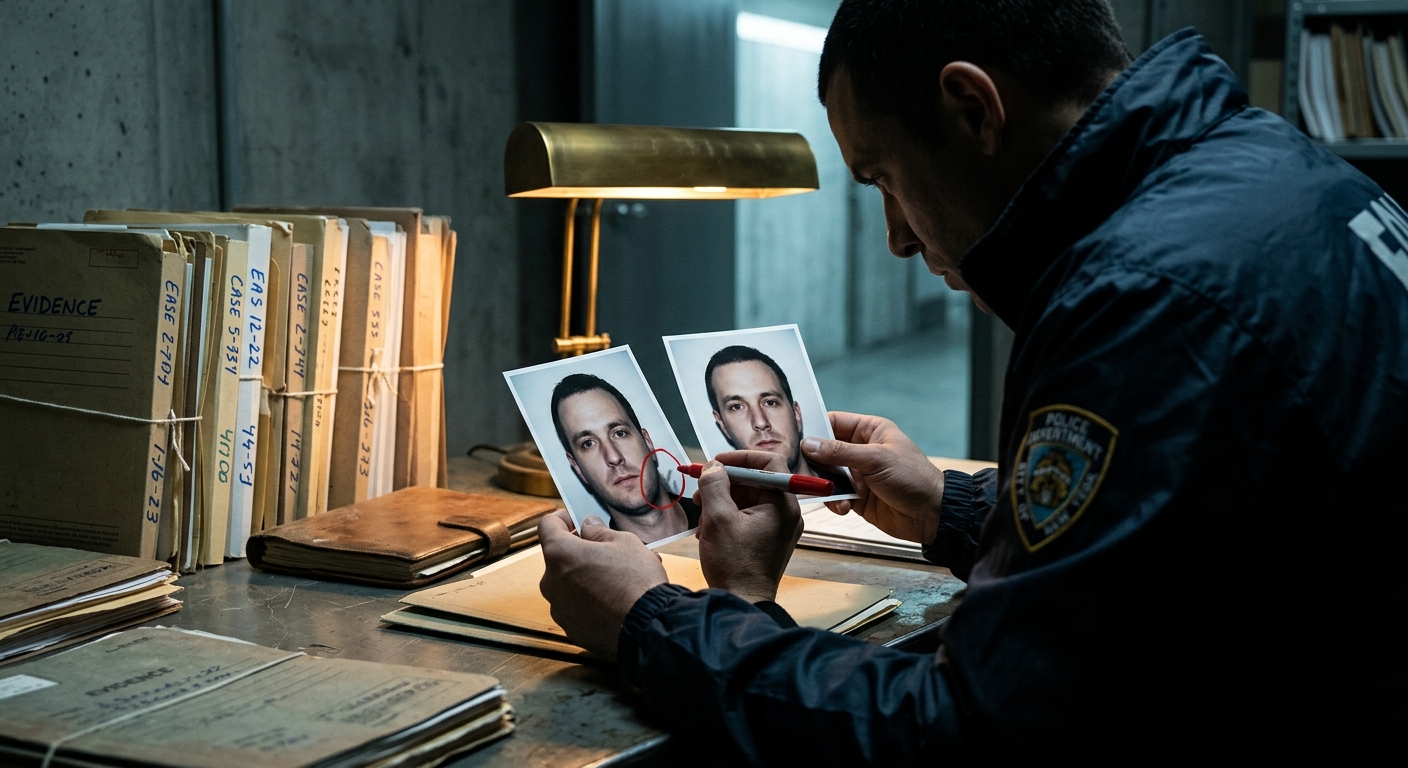
Police just arrested 419 people in a single deepfake production case. This is not a niche crime story. It's a warning about every suspicious video in your messa
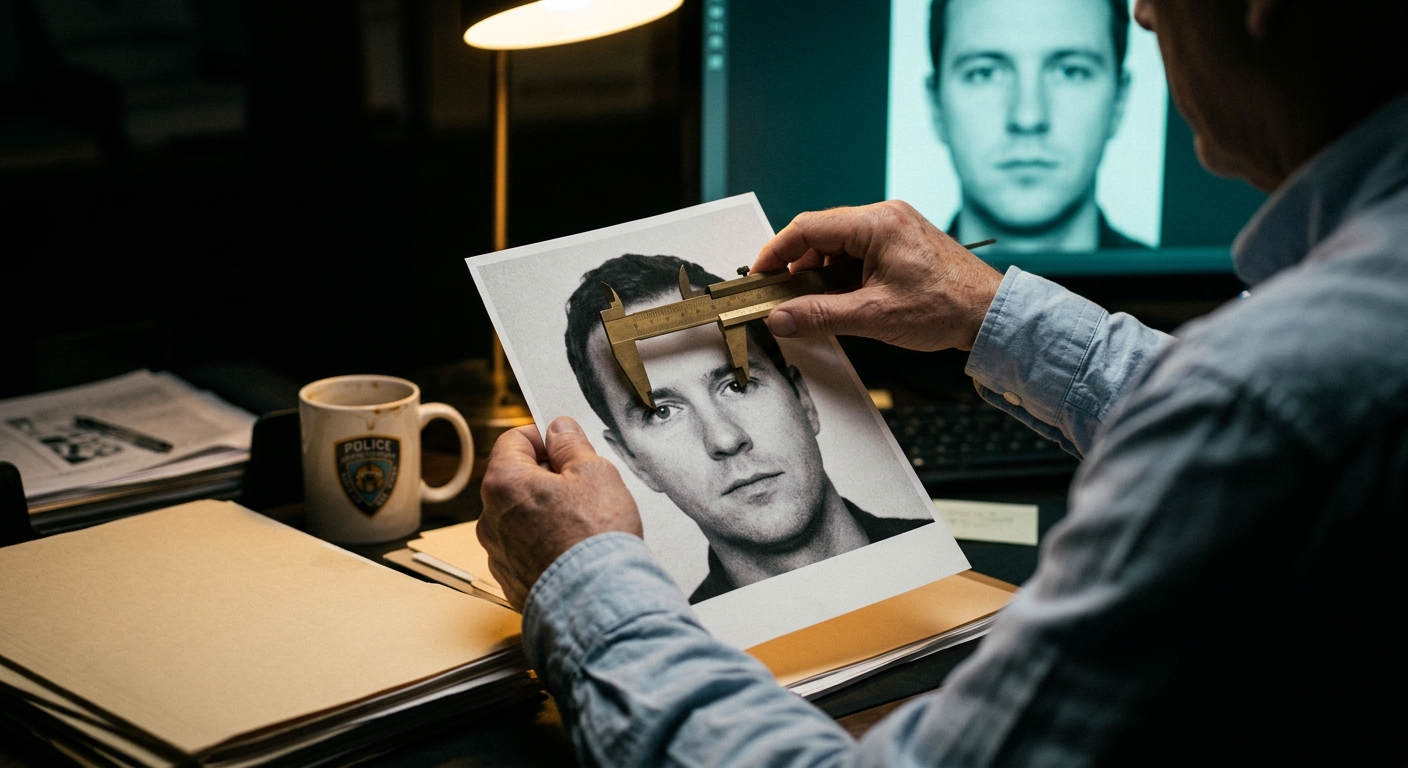
A nearly 500% spike in deepfake attacks is coming in 2026, and the scariest part isn't the technology. It's that we're about to stop questioning it.
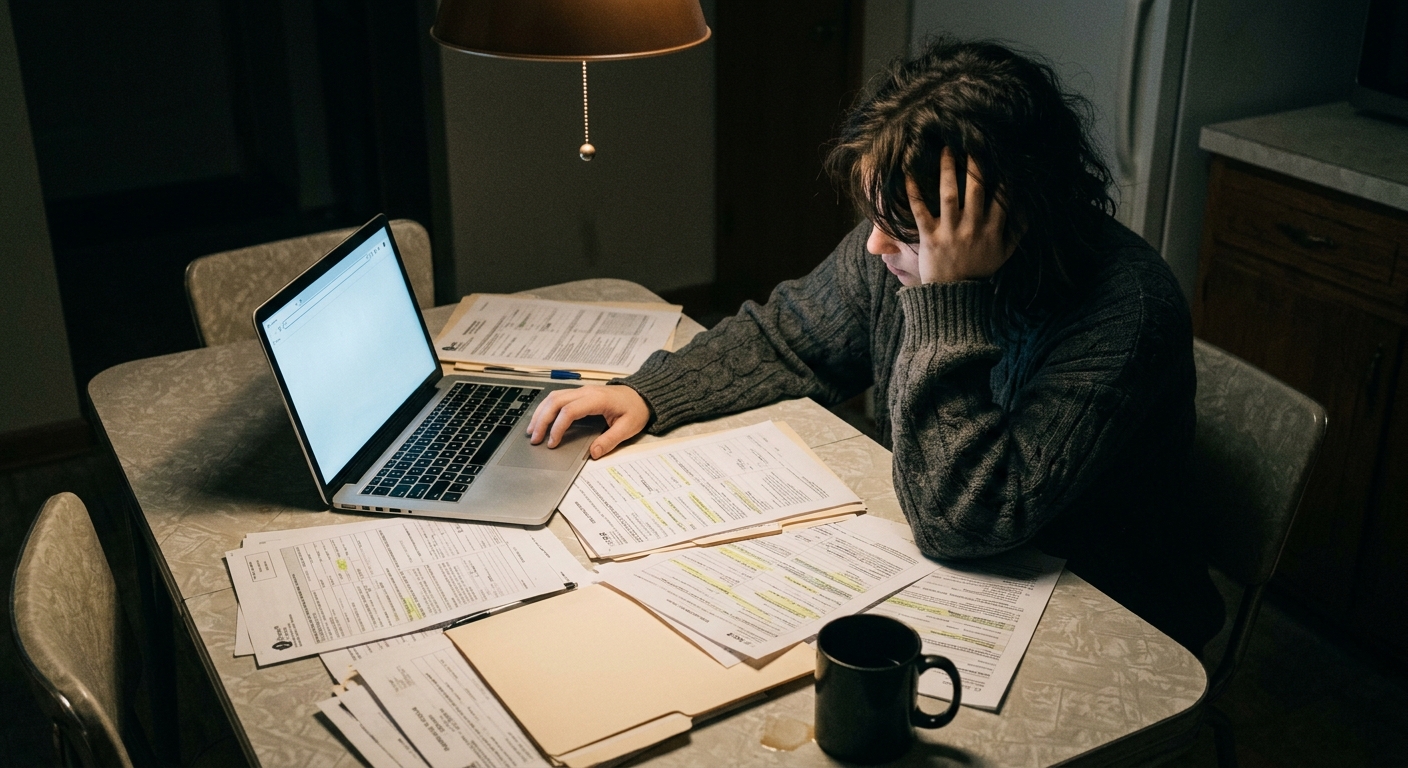
States passed 58 deepfake bills in 2026. More laws than ever. Still, if someone used your face in a fake explicit image today, would you know exactly what to do
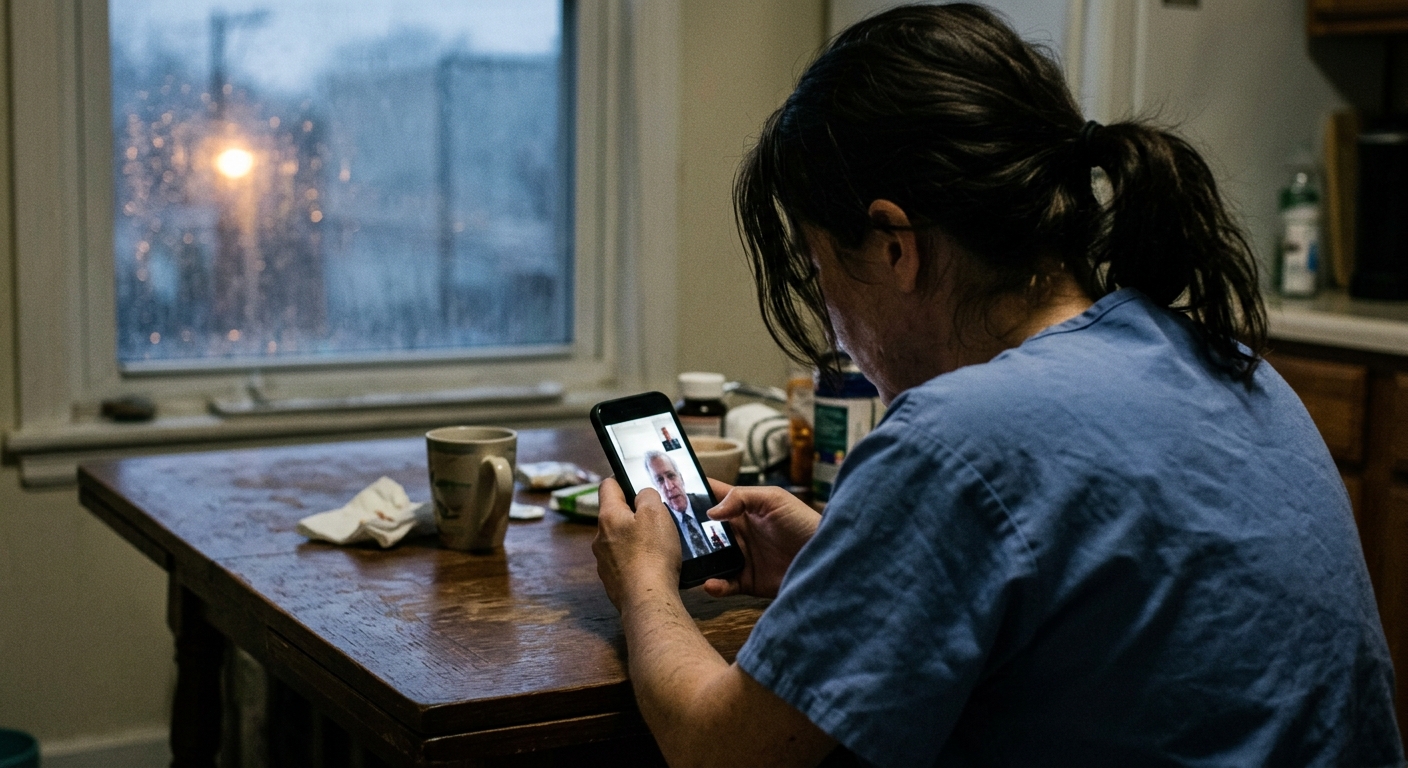
A nurse in Pune reportedly lost ₹4 lakh after a fake video of Ratan Tata promised safe investment returns. This is not a story about gullibility. It's about how
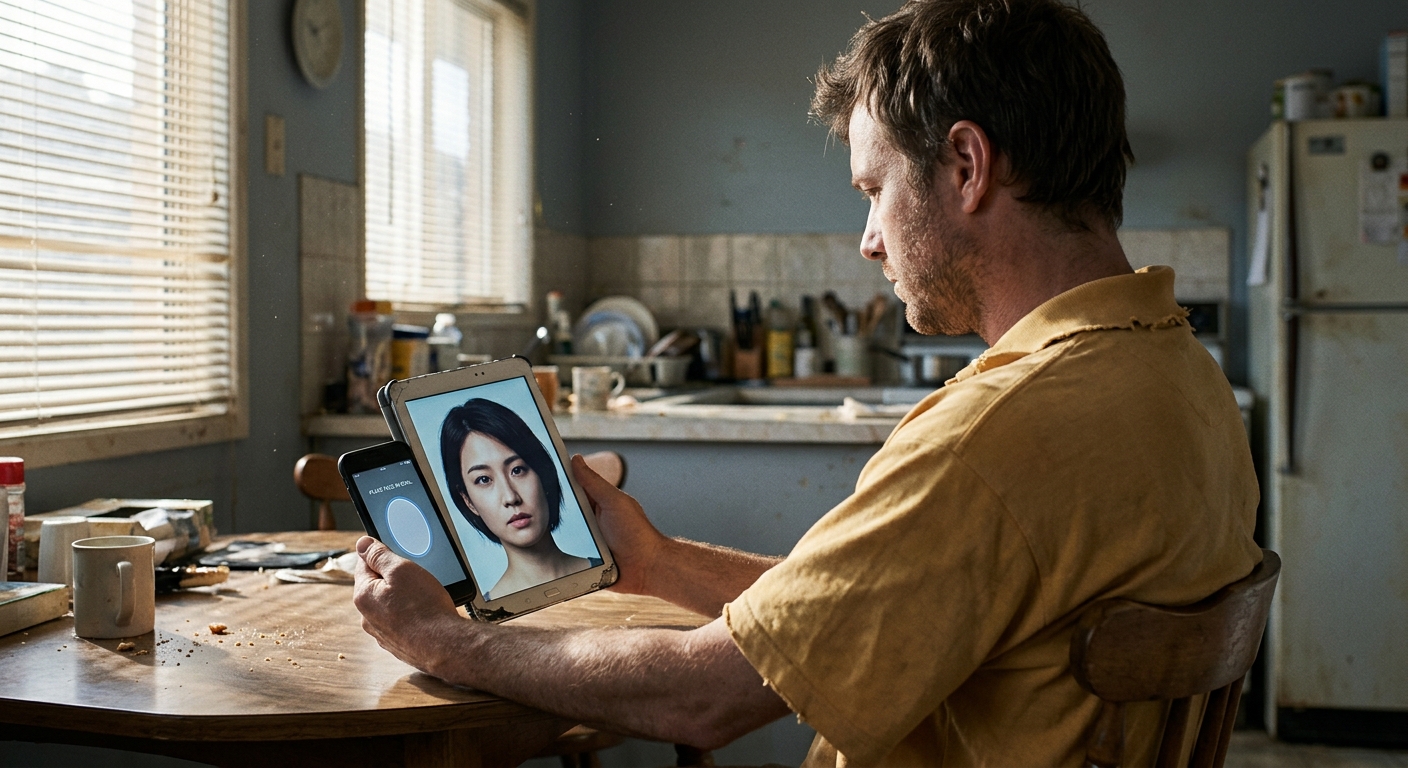
A face scan used to feel like a locked door. Now criminals are buying the key for less than a lunch, and your bank may not know the difference. Here's what chan
Your face isn't a password, you can't reset it if something goes wrong. The Philippines just made that distinction the law. Here's why it matters everywhere.
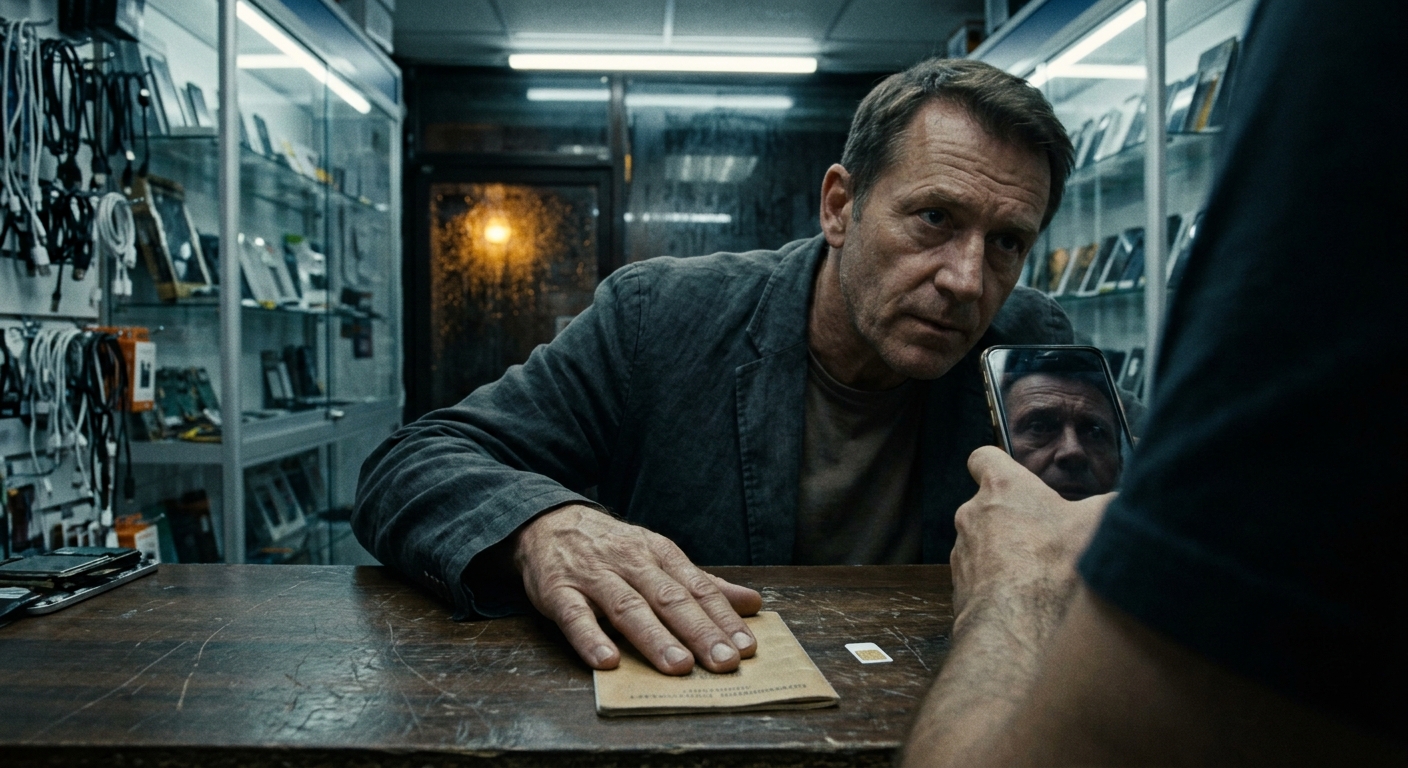
Egypt just announced that buying a SIM card will require a facial recognition check. This isn't just a Middle East story, it's a preview of where phone identity
Face-matching technology just got a lot more ordinary, and NIST's latest results explain why your photo may soon be part of decisions you didn't know were happe
