Expert commentary on facial recognition, biometrics, and AI technology.
Facial recognition breakthroughs, OSINT strategies, and investigation technology — delivered to your inbox every morning.
No spam. Unsubscribe anytime. We respect your inbox.

Deepfake job applicants are now a real problem, and hiring companies are responding by adding identity checks before the first interview. Here's what that means

Xbox just turned your family's game console into an identity checkpoint. Here's why the bigger threat isn't losing game access, it's the fake prompt that looks
Your next purchase might be approved or blocked before you even hit "buy", based on signals you can't see. Here's the quiet shift happening inside every payment
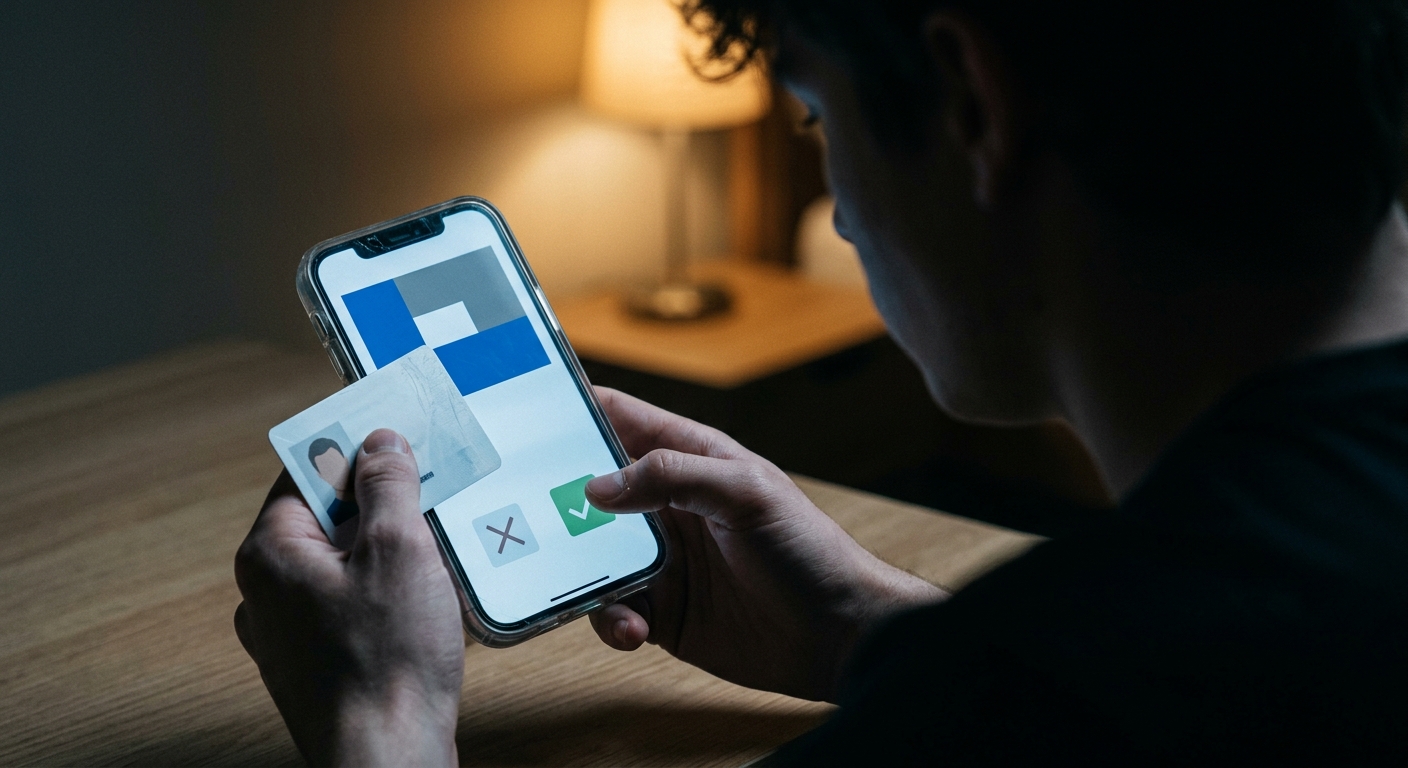
WhatsApp is testing age verification in India, and it's a privacy-first pilot. But as "prove your age" prompts become normal, fake versions are going to become
A quiet DHS rule change is adding thousands of dollars to routine work-visa renewals, and almost nobody saw it coming. Here's what it means if your job or your
You called Walmart's customer service line. You heard "this call may be recorded." What you didn't hear: your voice was allegedly being turned into a permanent
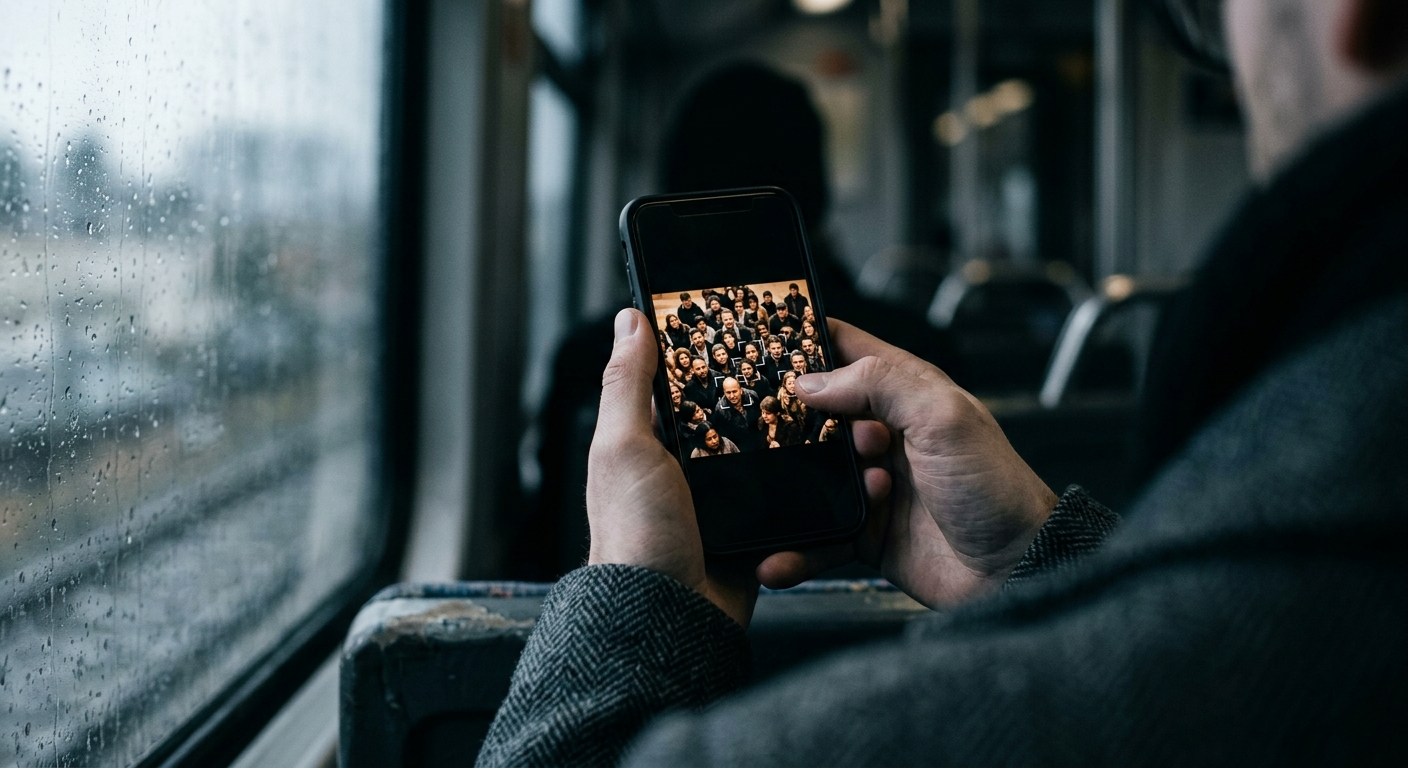
A court just handed Samsung a win over its phone photo face-tagging, but Apple faces $32.5 billion for the exact same feature. Your "People" album is quietly at
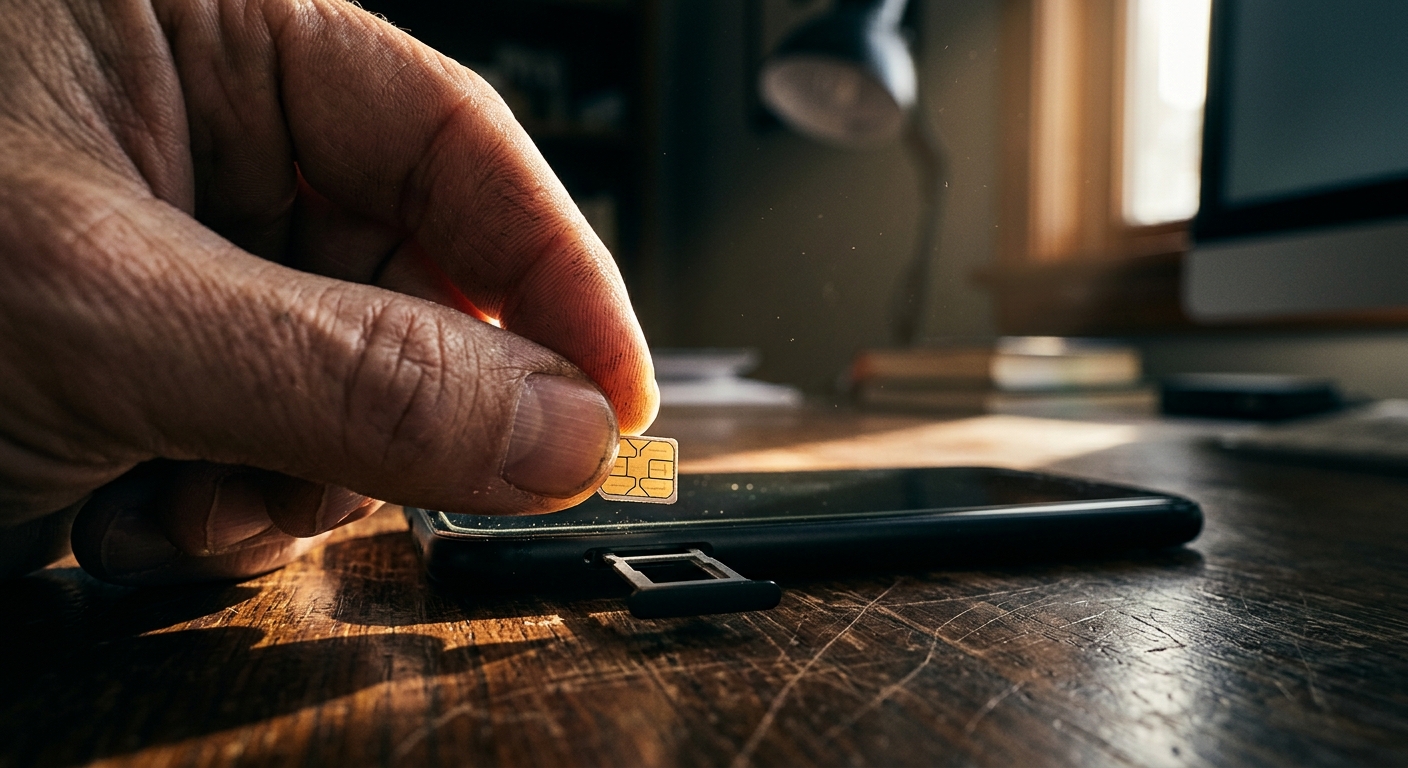
AT&T, T-Mobile, and Verizon just quietly activated a new way to prove you're you, using your SIM card instead of a text code. That's big. Here's what it actuall
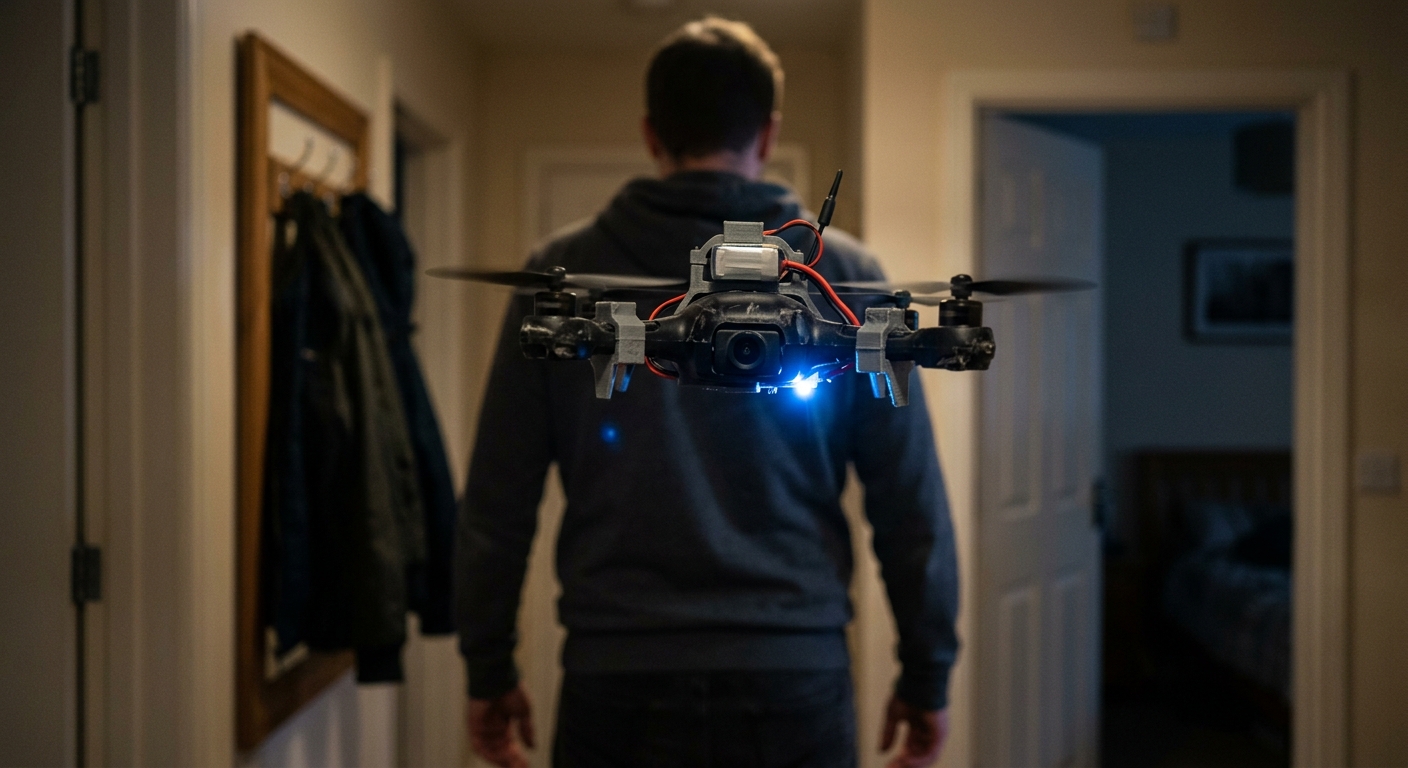
AI-written code just turned a cheap consumer drone into an autonomous face-tracking device. The technology isn't the scary part, what's scary is how little expe
You asked the chatbot to help you think. But a new study says you might have walked away with opinions that weren't entirely yours, and a disclosure label won't
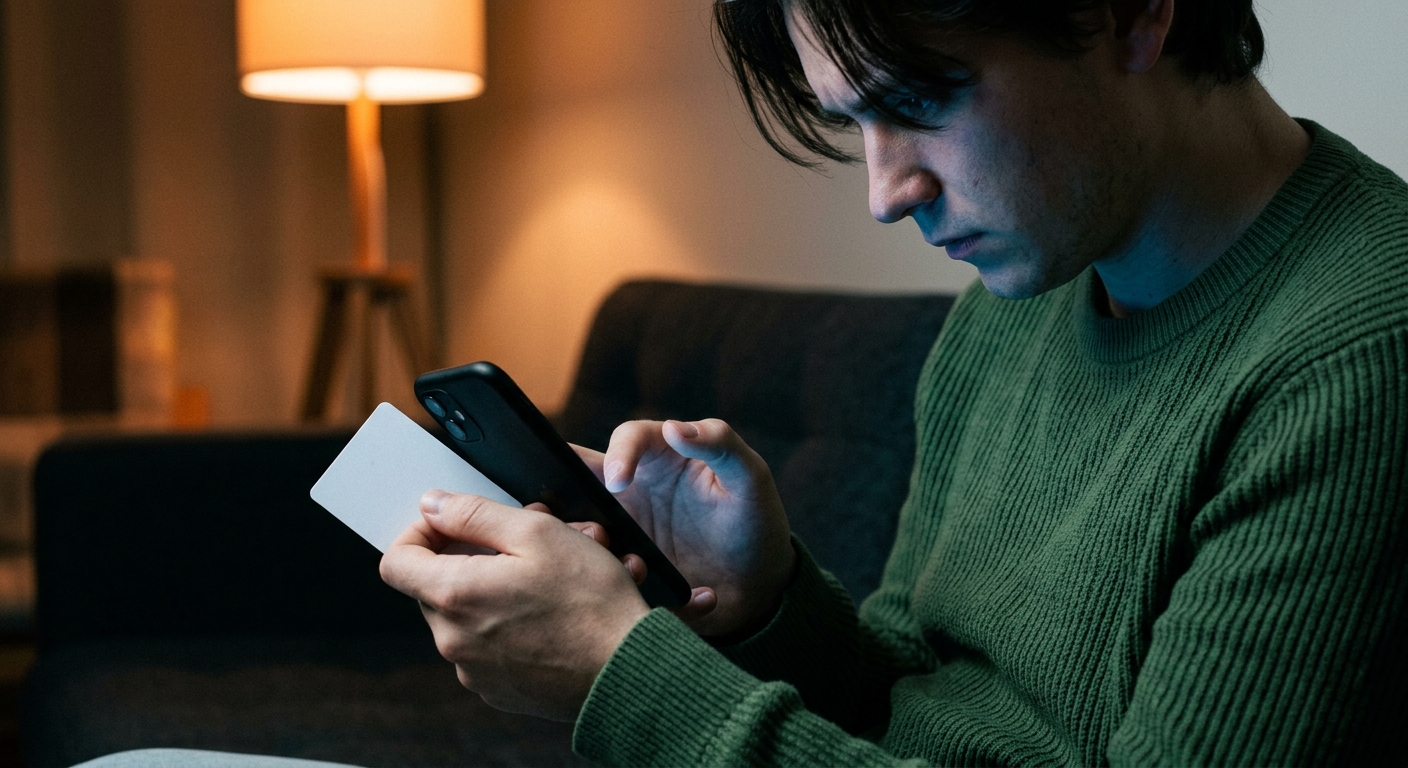
That "quick signup" screen is changing fast. More apps are asking for your ID and a selfie before you can even use them, and most people have no idea what happe
The EU just made it illegal for chatbots and deepfake videos to hide what they are. The problem? A warning label isn't the same as protection, and here's why th
