Expert commentary on facial recognition, biometrics, and AI technology.
Facial recognition breakthroughs, OSINT strategies, and investigation technology — delivered to your inbox every morning.
No spam. Unsubscribe anytime. We respect your inbox.
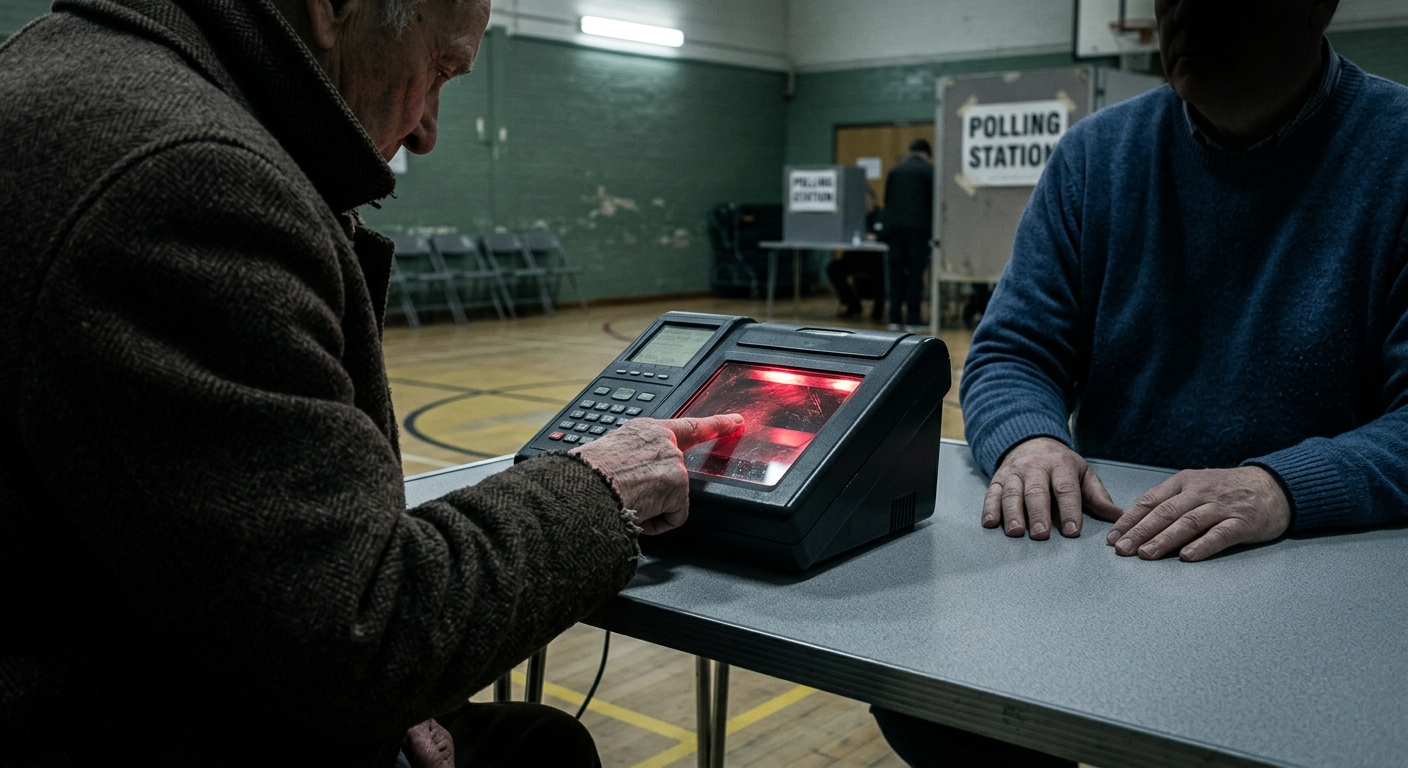
Bosnia is rolling out biometric voting equipment weeks before a national election. The real question isn't whether the tech works, it's what happens when it doe
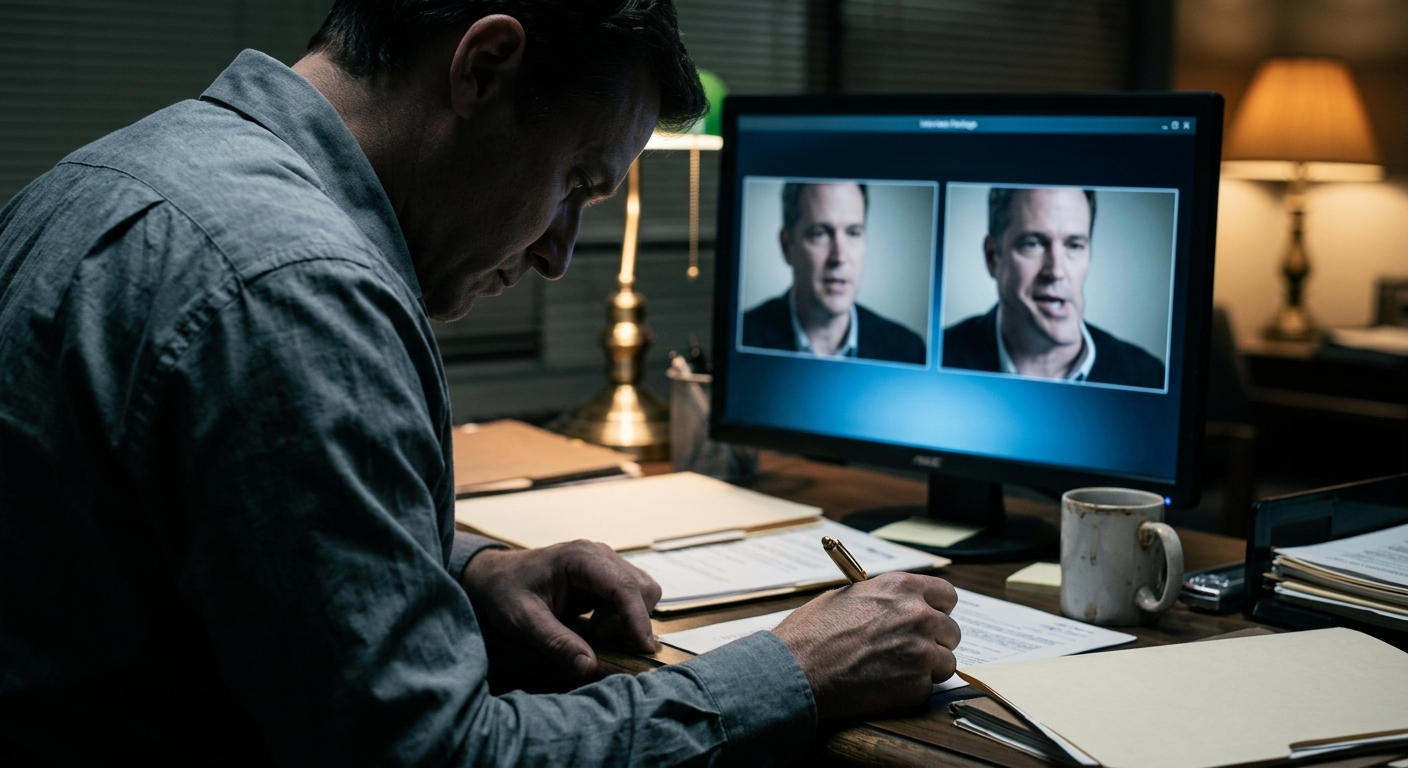
A real candidate. A fake video. Zero laws to stop it in Massachusetts. Here's what happens when AI moves faster than the people elected to protect you.
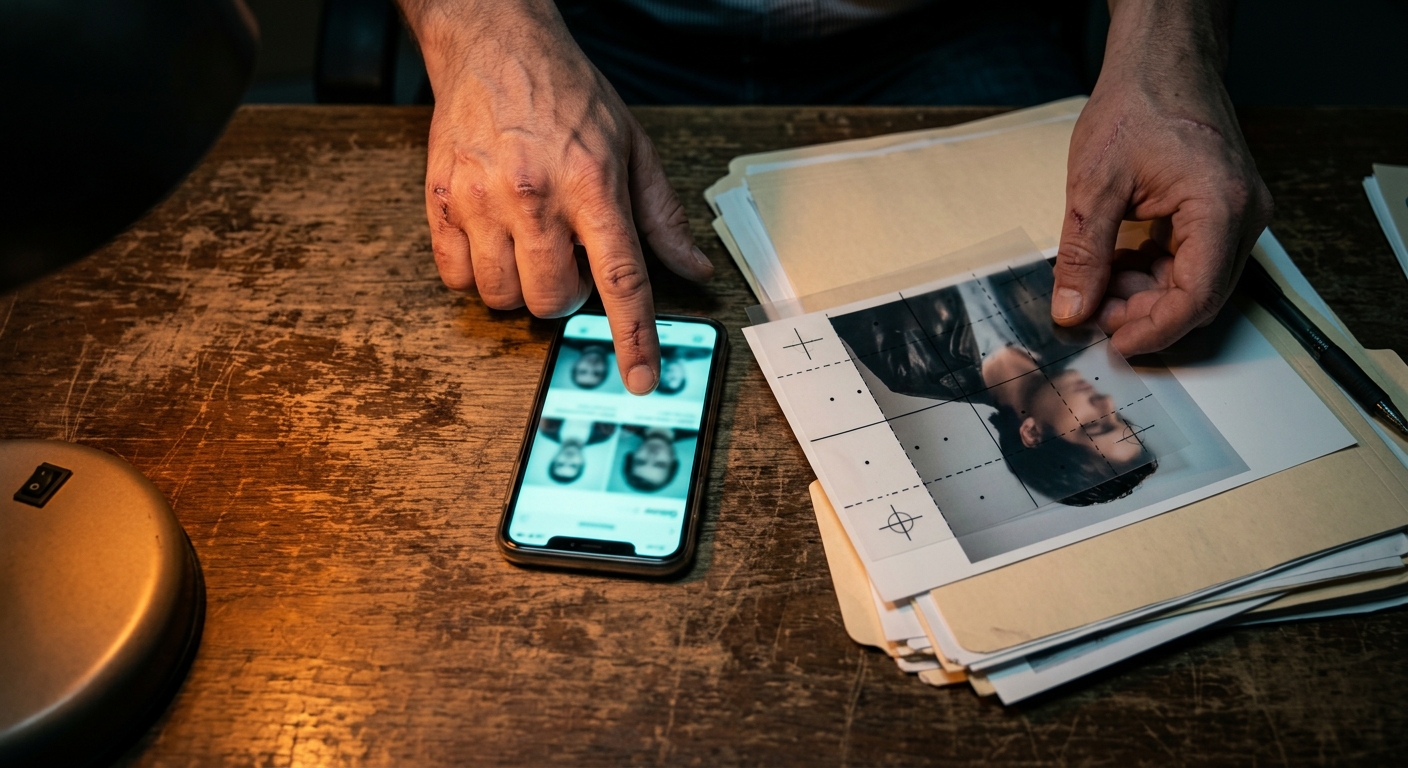
Apple's Photos app quietly groups people by face. Now there's a $32.5 billion lawsuit asking whether that's a helpful feature, or an unauthorized scan of your m
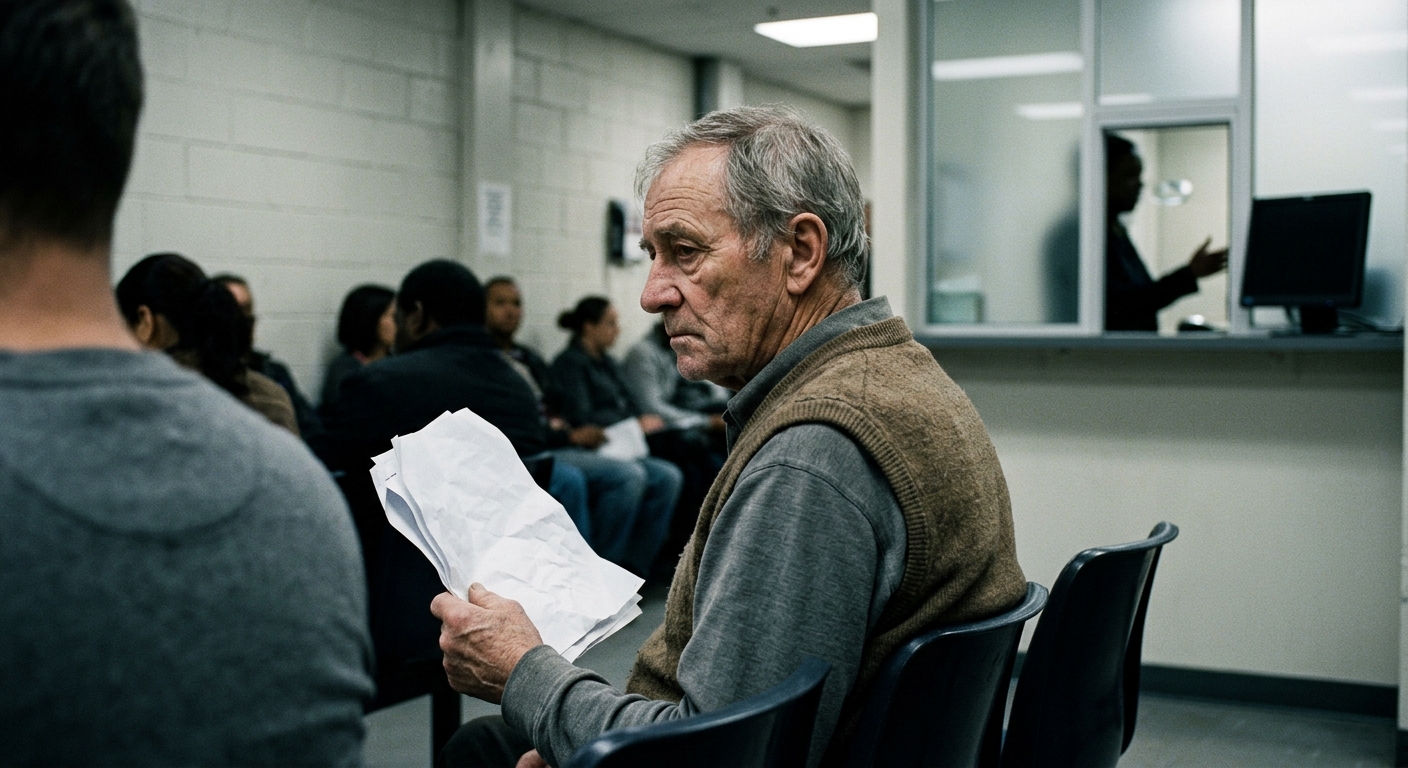
Nepal's national ID system went offline and 13 government agencies froze with it, banks, passport offices, tax offices, all of them. This is what happens when y
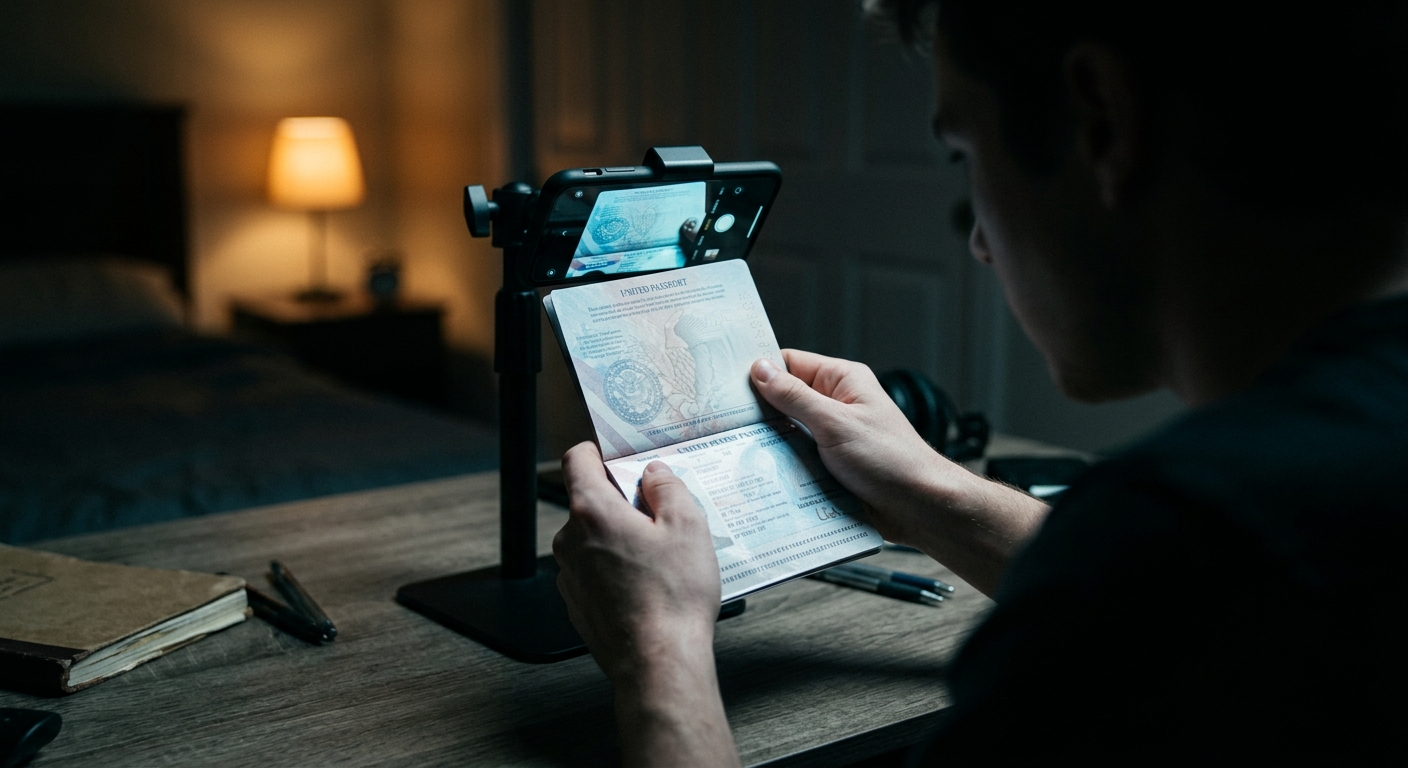
Europe's flagship age-verification app promised to prove your age without exposing your identity. A security researcher cracked it in under two minutes, and wha
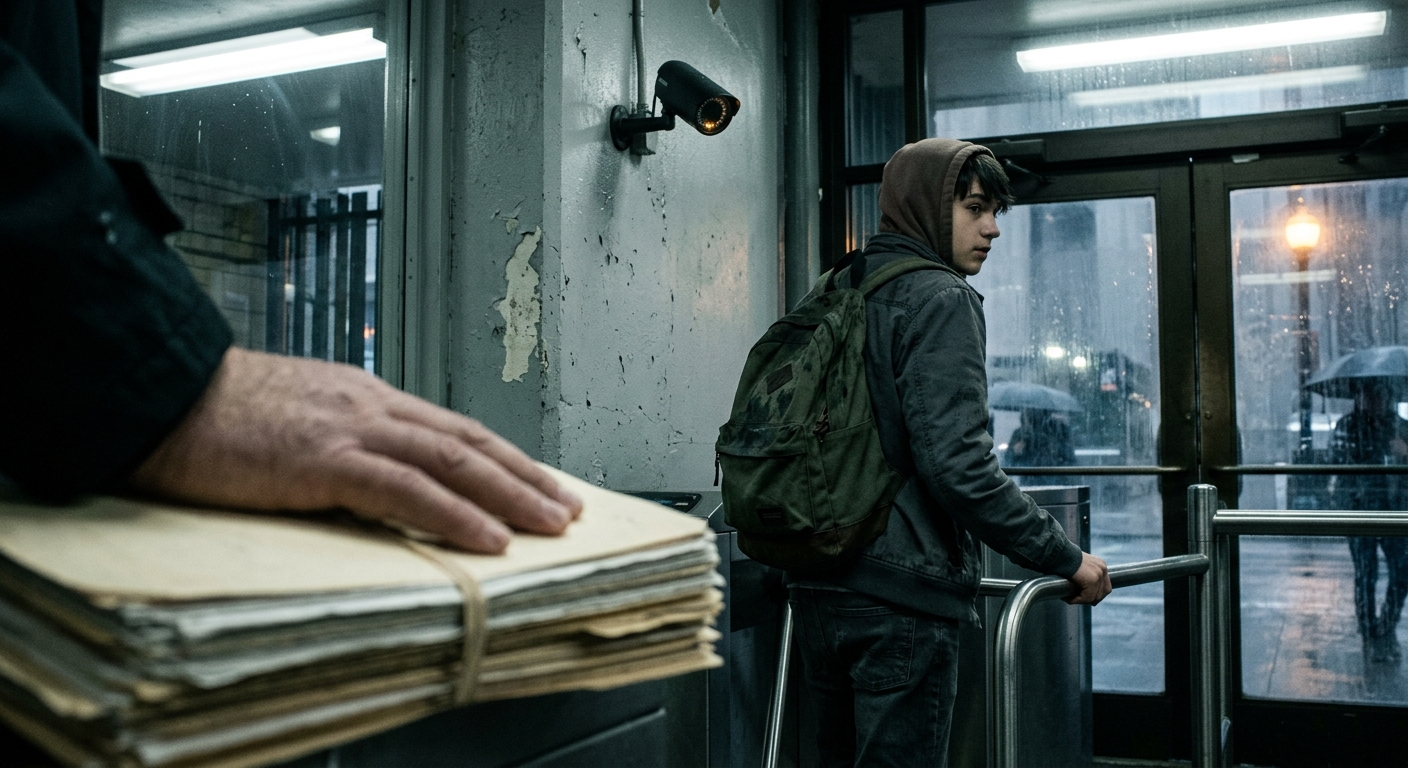
Over 1,700 schools in Brazil are already scanning kids' faces, with zero specific rules. Now lawmakers are finally trying to write them. Here's why the fine pri
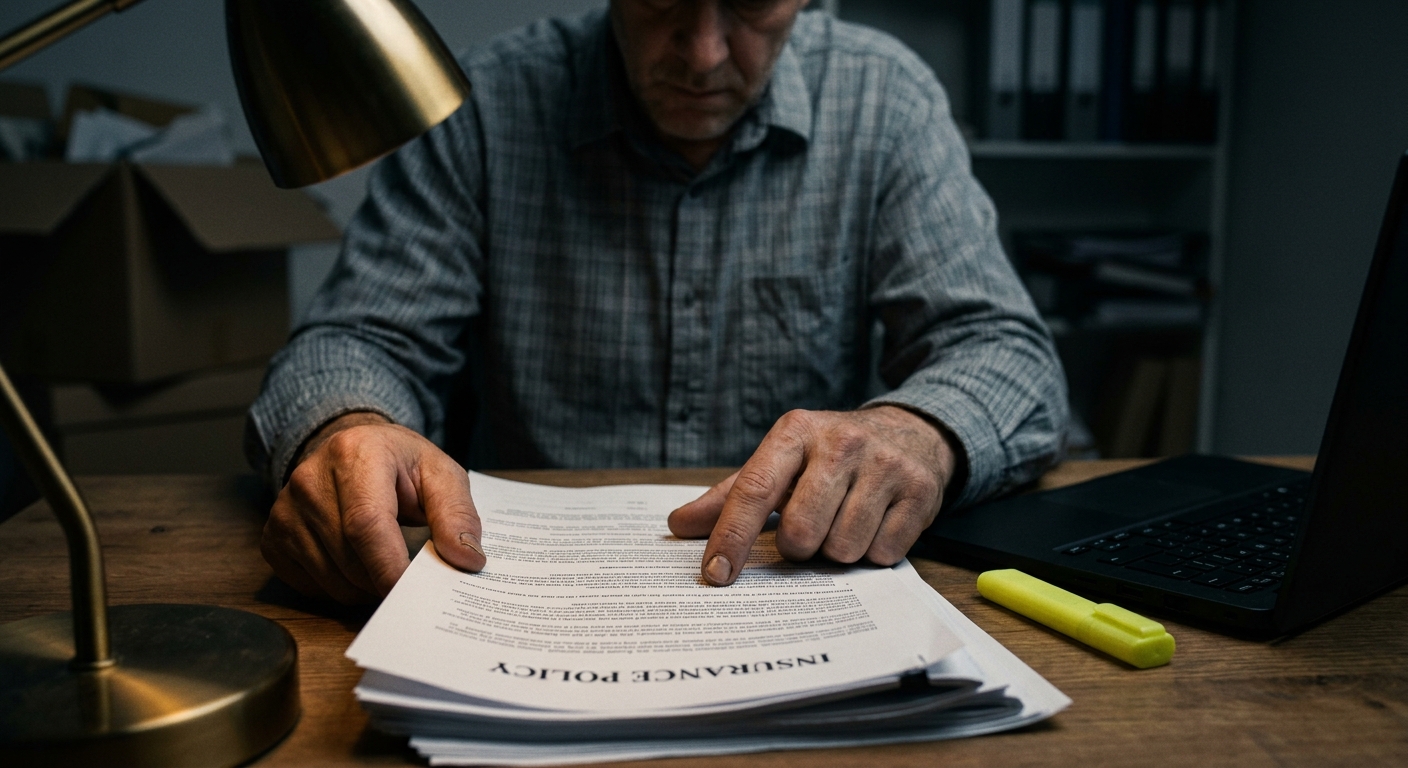
Getting scammed by a deepfake is terrifying. Discovering your insurance won't cover it is worse. Here's what the fine print actually says, and what you can do b
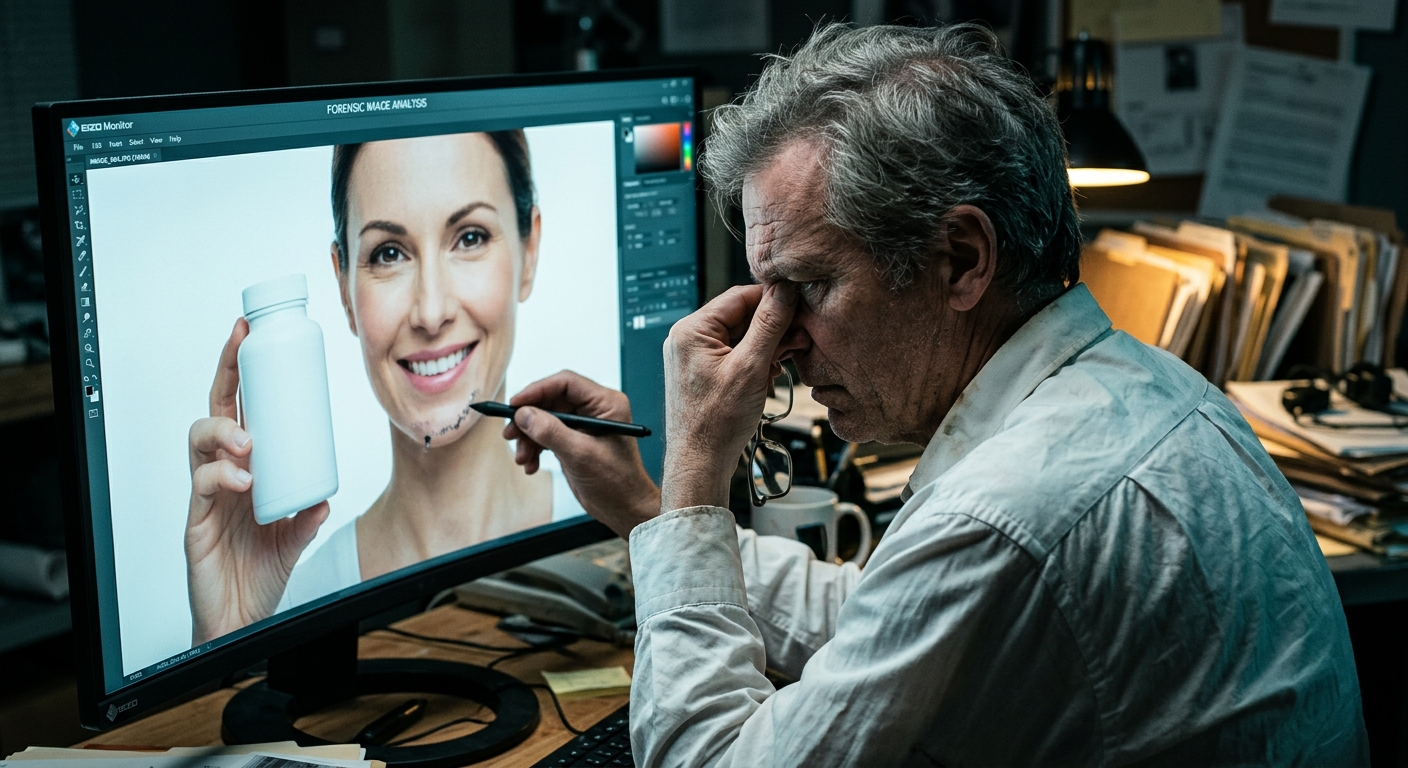
A woman watched a video of Oprah endorsing a weight-loss pill and lost over $400. The BBB says it's happening everywhere, and the fake ads are nearly impossible
South Sudan is connecting birth records to national digital ID systems from day one, and the real risk isn't privacy. It's what happens when a typo follows your

The EU's new facial-scan border system caused eight-hour queues in scorching summer heat. If you're flying internationally this year, here's what you need to kn
Philips just launched office monitors with built-in facial recognition login. Before your employer rolls them out, there's one question every employee should as
Europe's deepfake labeling law just went live. The problem? Scammers cloning your boss's voice or faking a family emergency video aren't going to follow the rul
