Expert commentary on facial recognition, biometrics, and AI technology.
Facial recognition breakthroughs, OSINT strategies, and investigation technology — delivered to your inbox every morning.
No spam. Unsubscribe anytime. We respect your inbox.
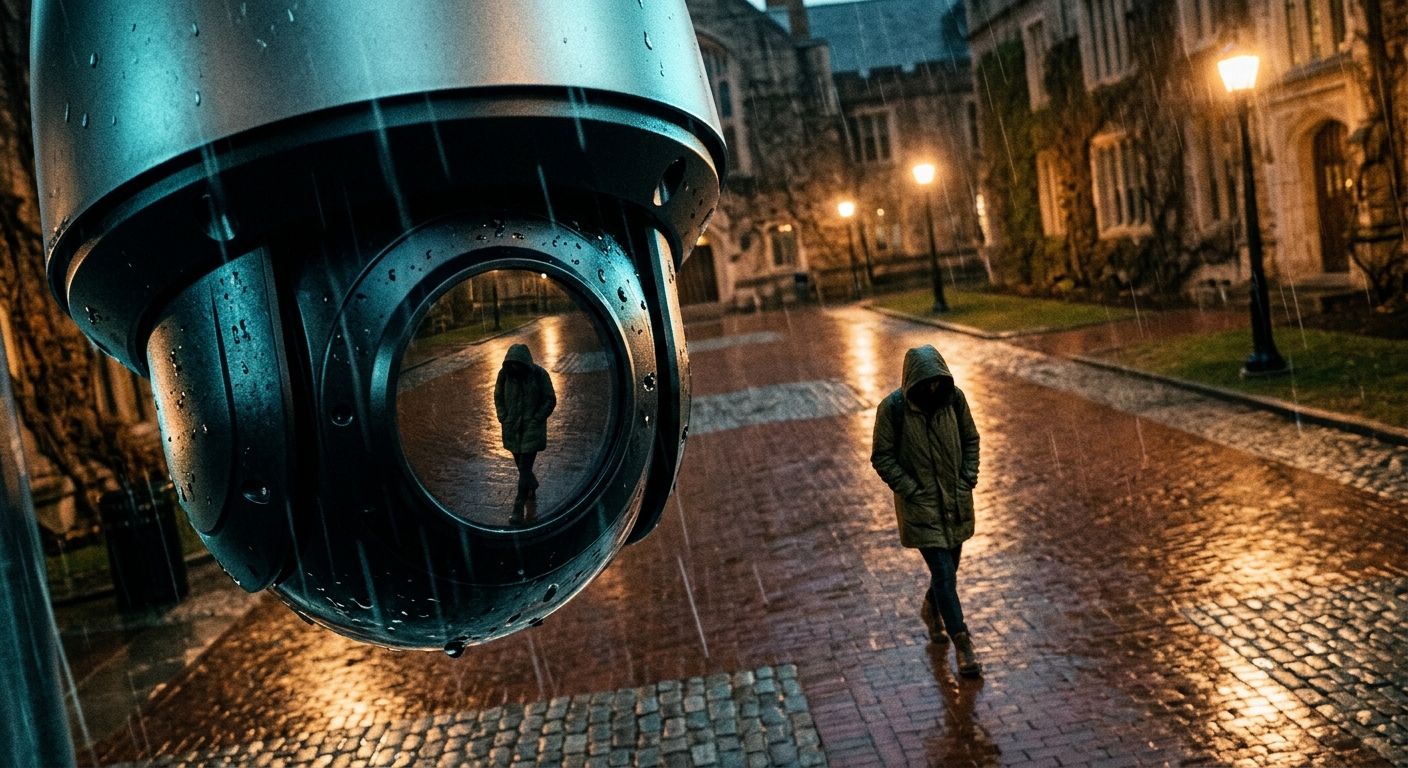
MIT just dropped $3 million on 500 AI cameras that can read a face from 35 feet away. The cameras are coming. The rules aren't. Here's what that means for anyon
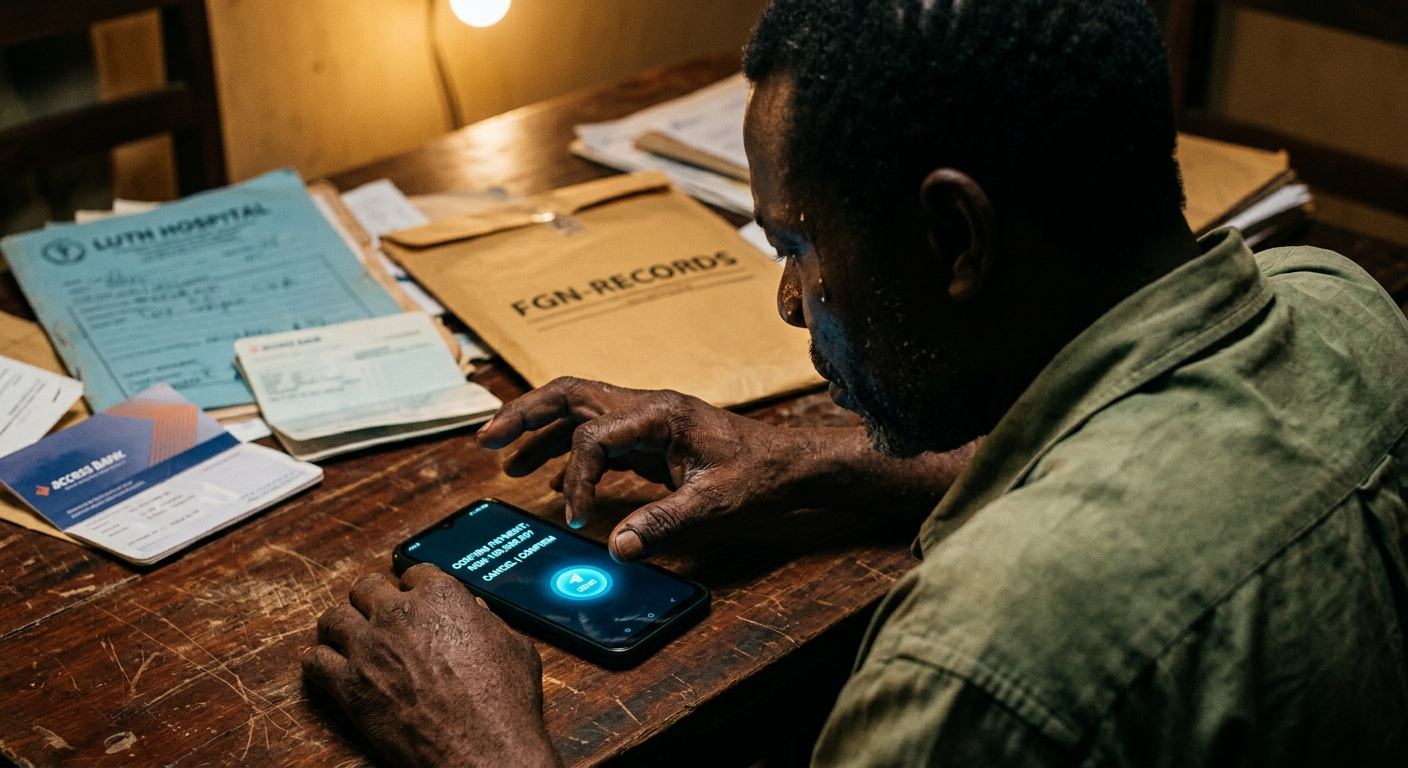
Nigeria just launched a single digital login for taxes, healthcare, pensions, and more. When one credential controls that much, protecting it stops being option
A new industry report found the cost of AI-powered fraud has dropped over 100 times. That means the fake voice calls, fake profiles, and fake emergencies are co
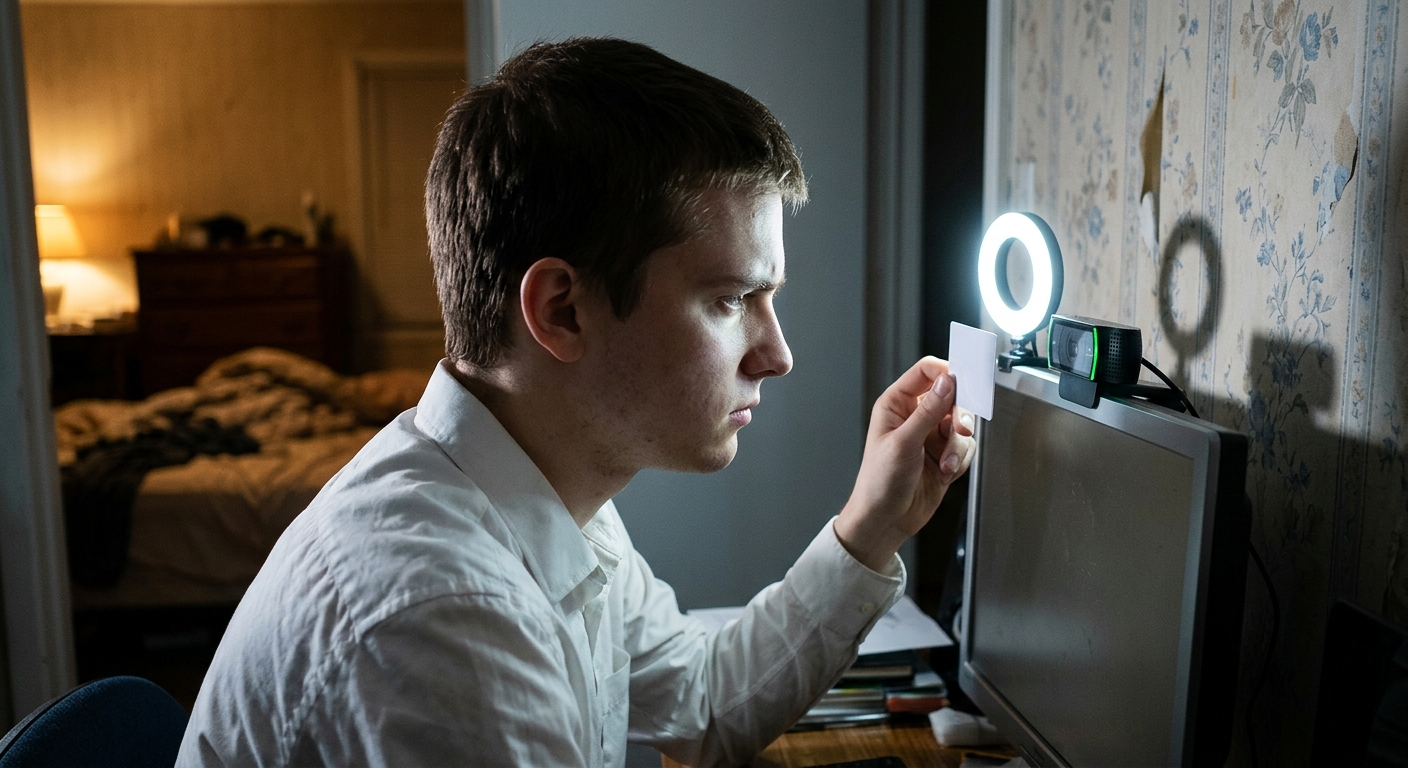
One in four job profiles could be fake by 2028. So employers are scanning faces, checking rooms, and tracking eye movements. The question is whether that's smar
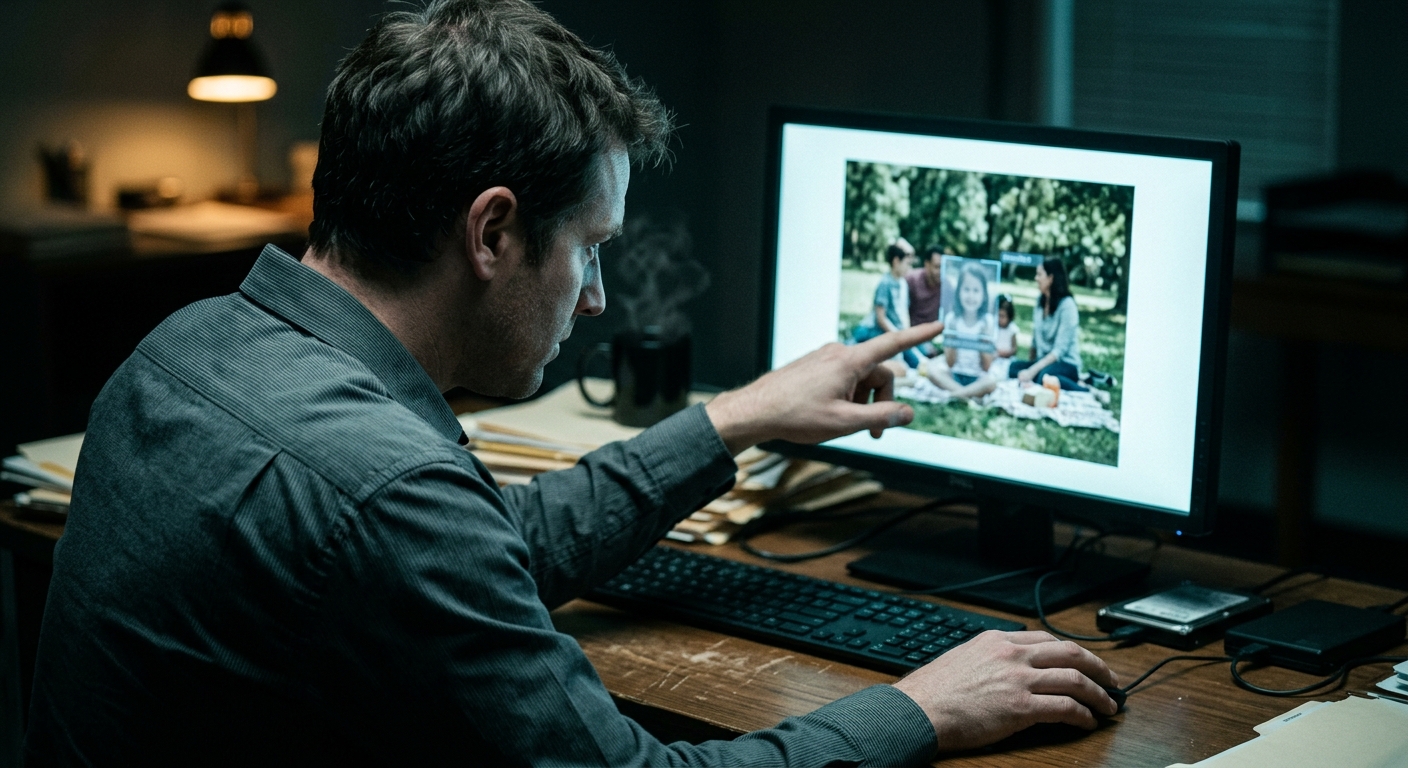
A face-scanning photo app showed up on Windows 11 computers without a clear consent prompt, and reportedly can't be uninstalled on its own. If your family photo
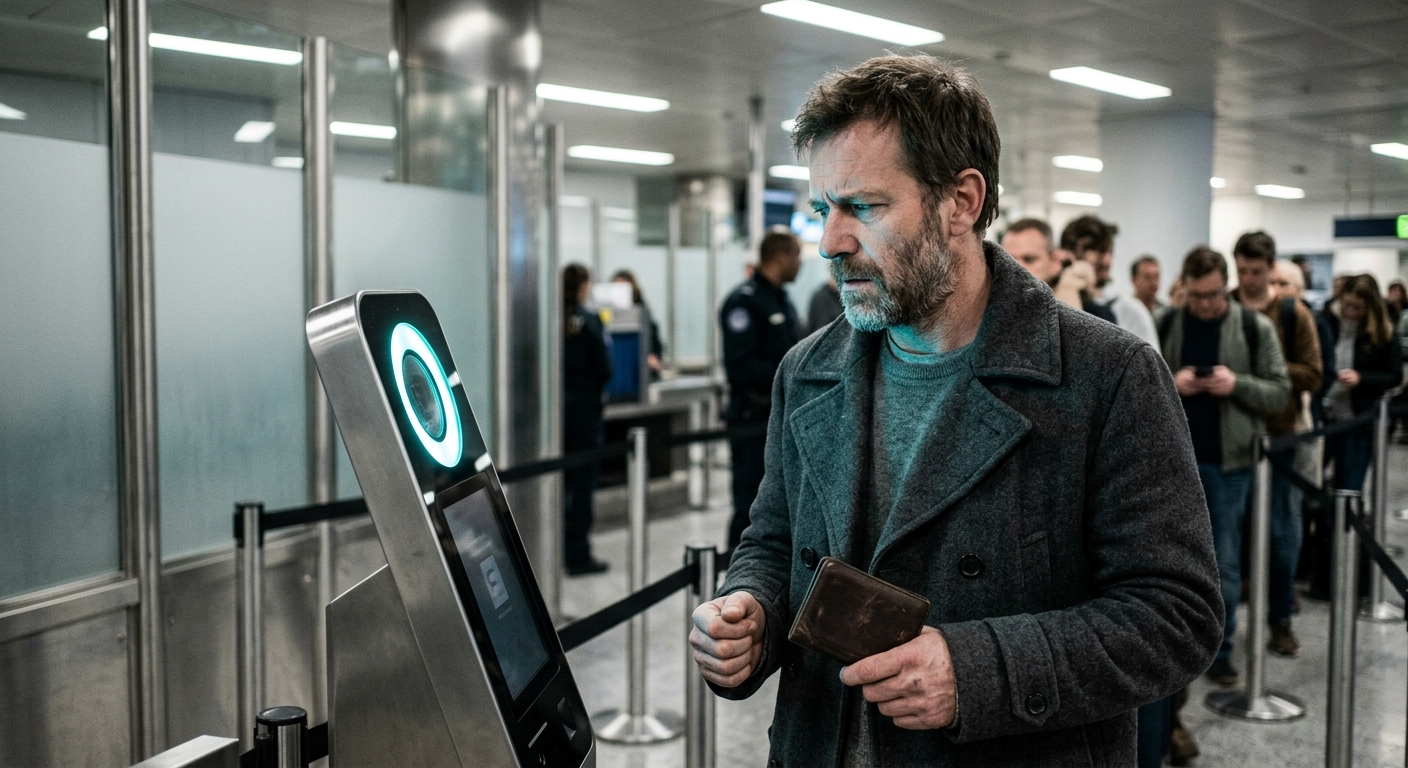
TSA's facial recognition is spreading to airports nationwide, but most travelers don't know they can refuse it. Here's what actually happens when you try.
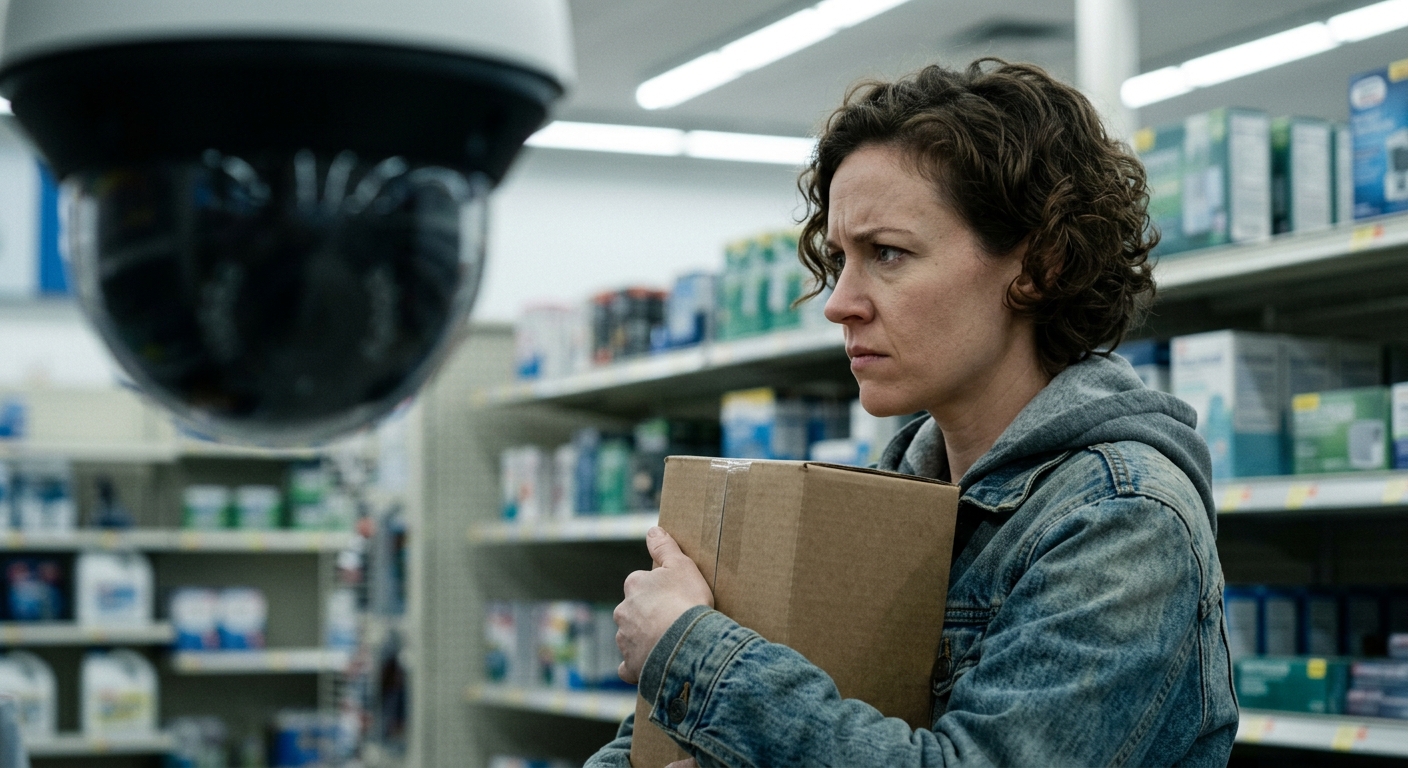
Australia's privacy watchdog just told retailers they can't quietly scan every customer's face. The rules are coming. But are your favorite stores already doing
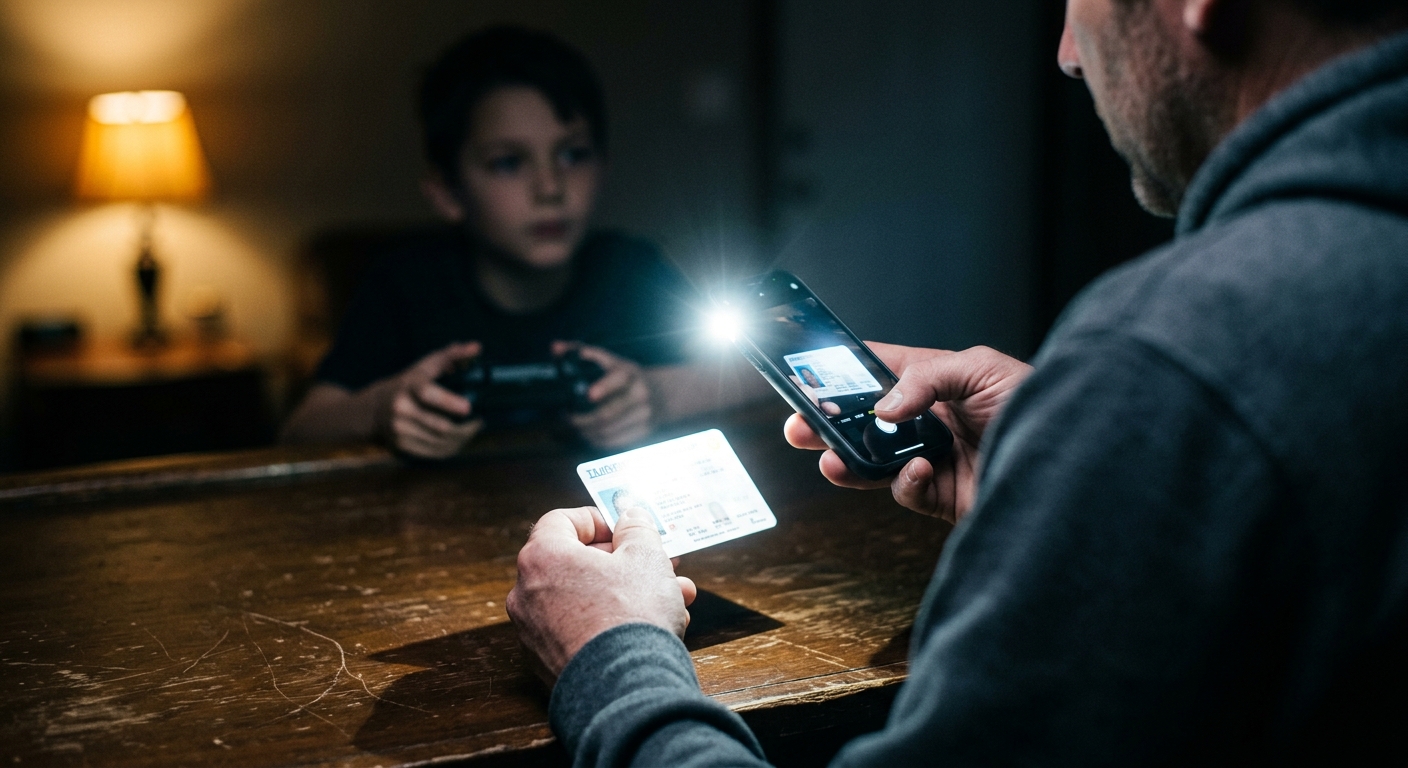
The Supreme Court just greenlit Texas's app age-verification law, but the real story isn't about protecting kids online. It's about what happens to your family'
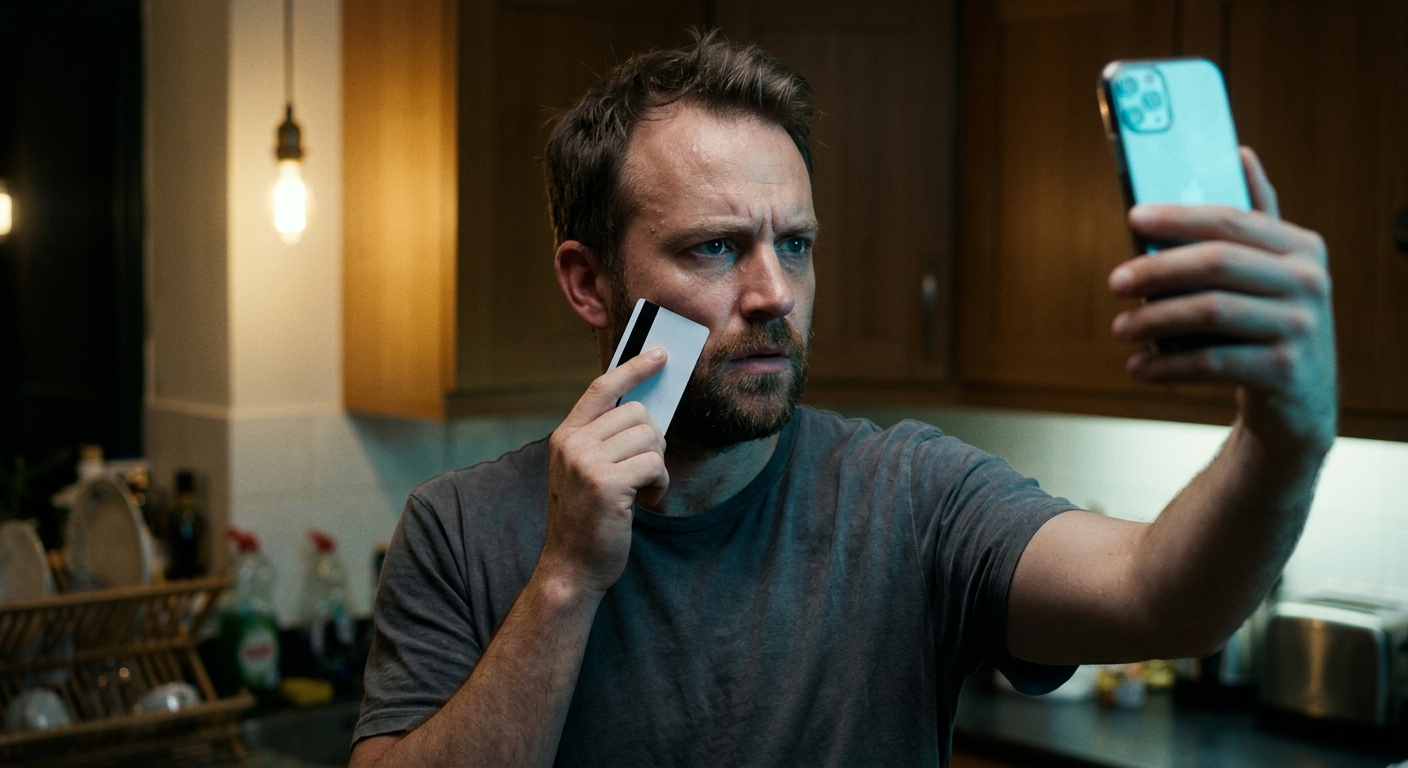
Your financial account's strongest security means nothing if the recovery process is easy to fool. Here's the specific vulnerability that's costing Americans bi
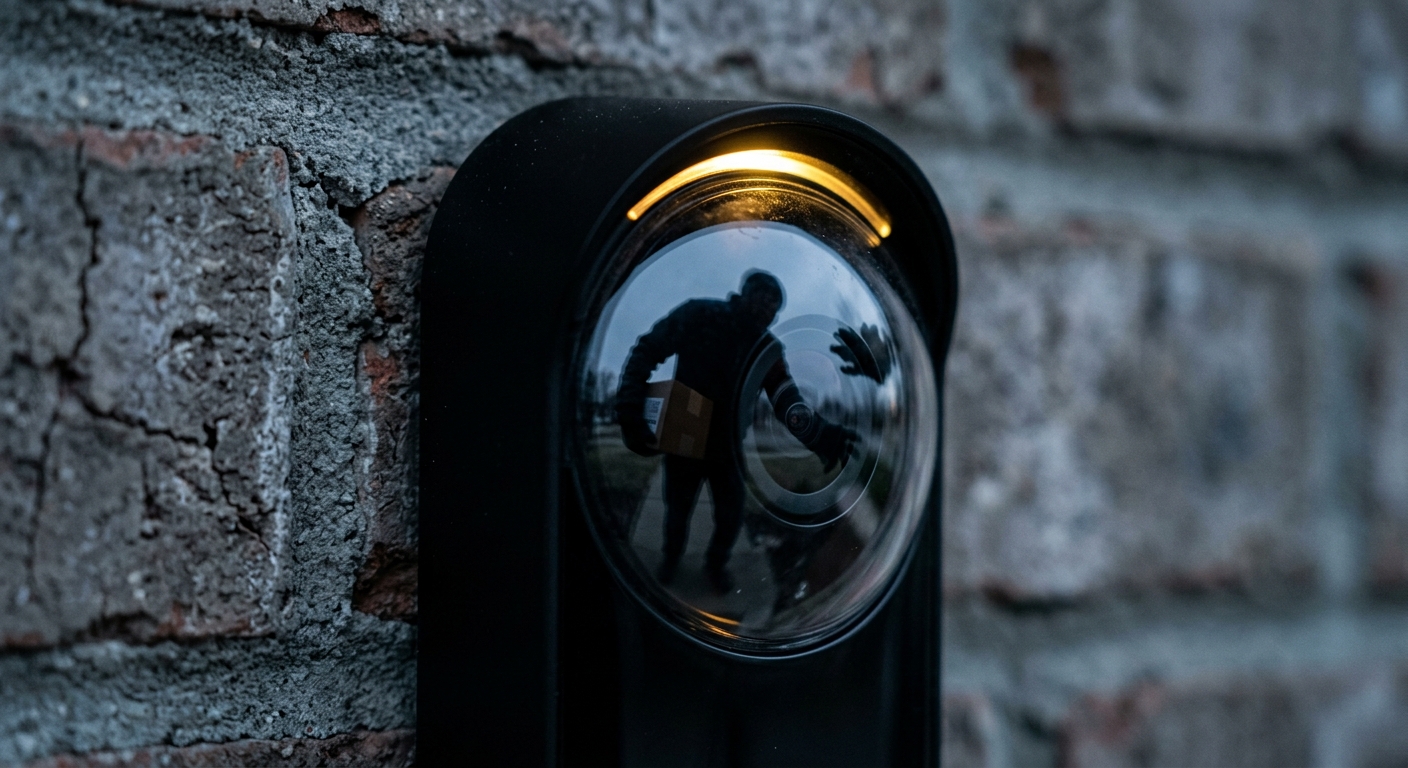
A new class action lawsuit targets Amazon Ring's facial recognition feature, and the privacy risk isn't just for Ring owners. Every delivery driver, neighbor, a
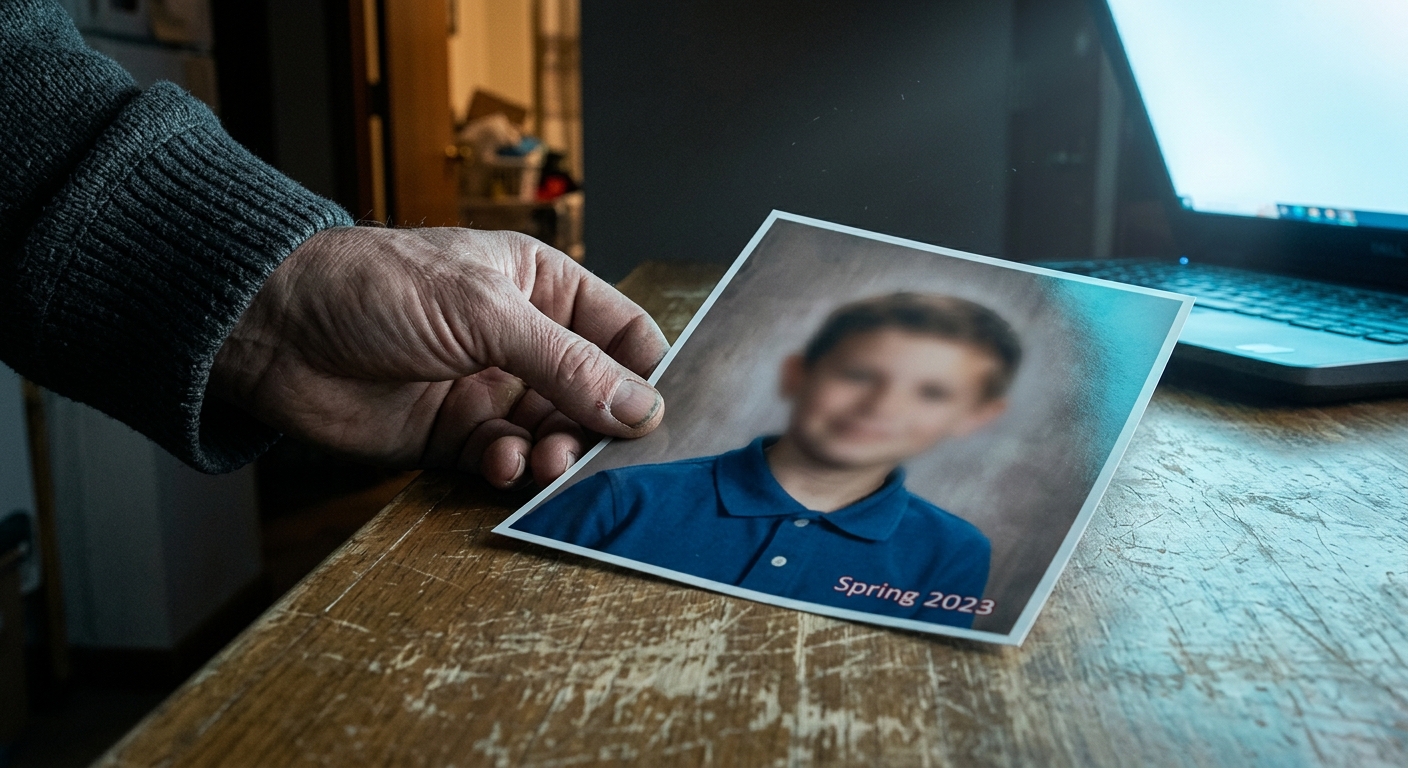
A school photo. A yearbook picture. A selfie from a soccer game. That's all it takes to create a sexual deepfake of your child, and it's already happening in mi
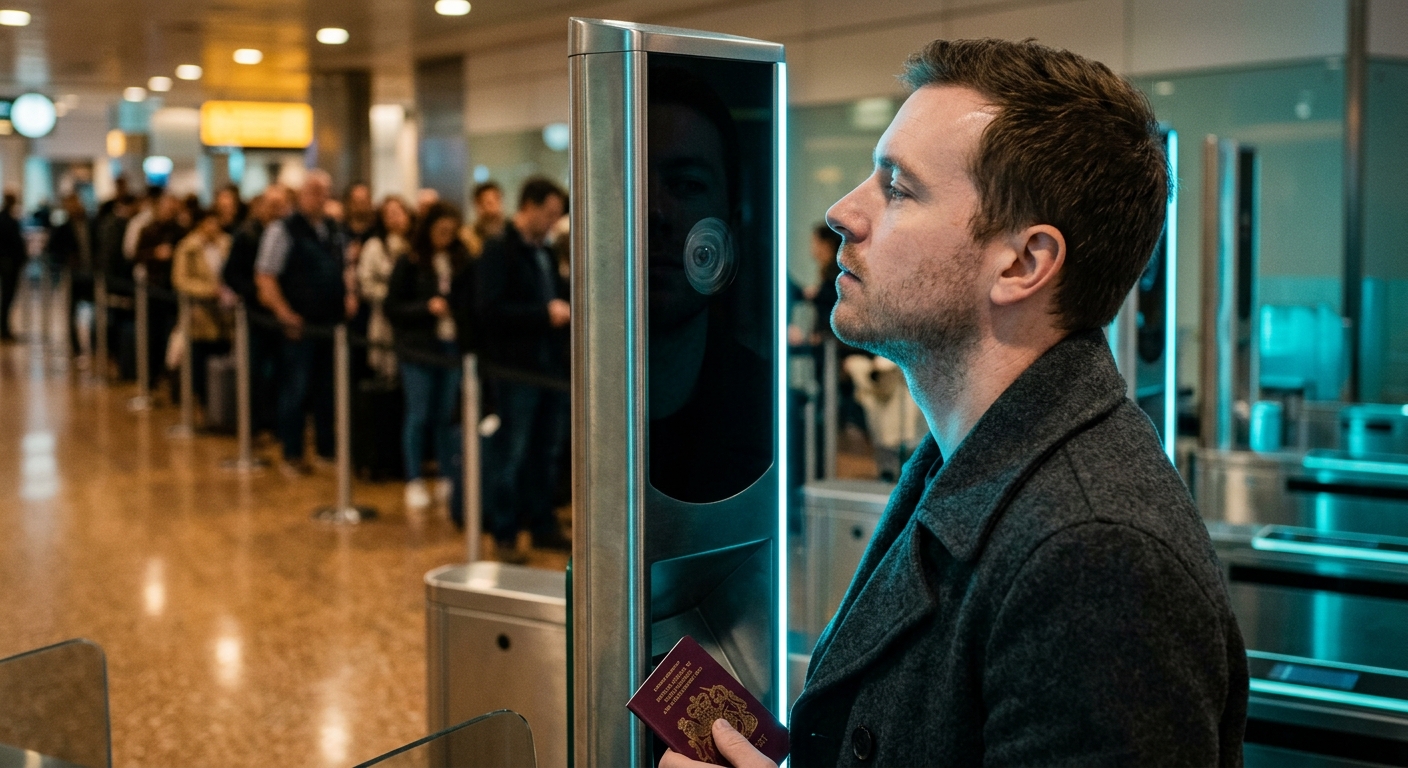
Spain's airport authority just put nearly €1 million on the table to upgrade its biometric gate system, and that number signals something bigger than one countr
