Expert commentary on facial recognition, biometrics, and AI technology.
Facial recognition breakthroughs, OSINT strategies, and investigation technology — delivered to your inbox every morning.
No spam. Unsubscribe anytime. We respect your inbox.
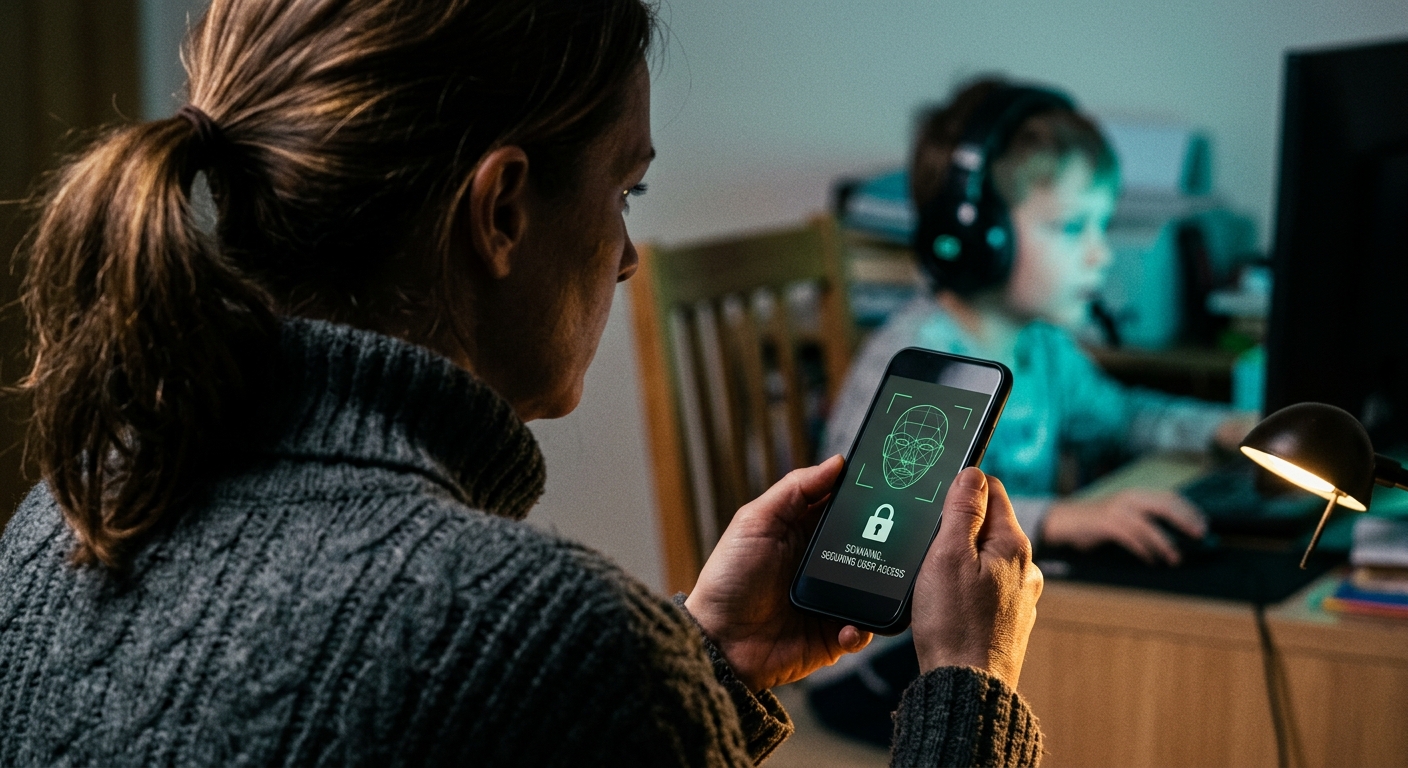
Roblox just overhauled its safety tools with age verification and parental controls. Here's the thing: a better gate doesn't mean you stop locking the door.
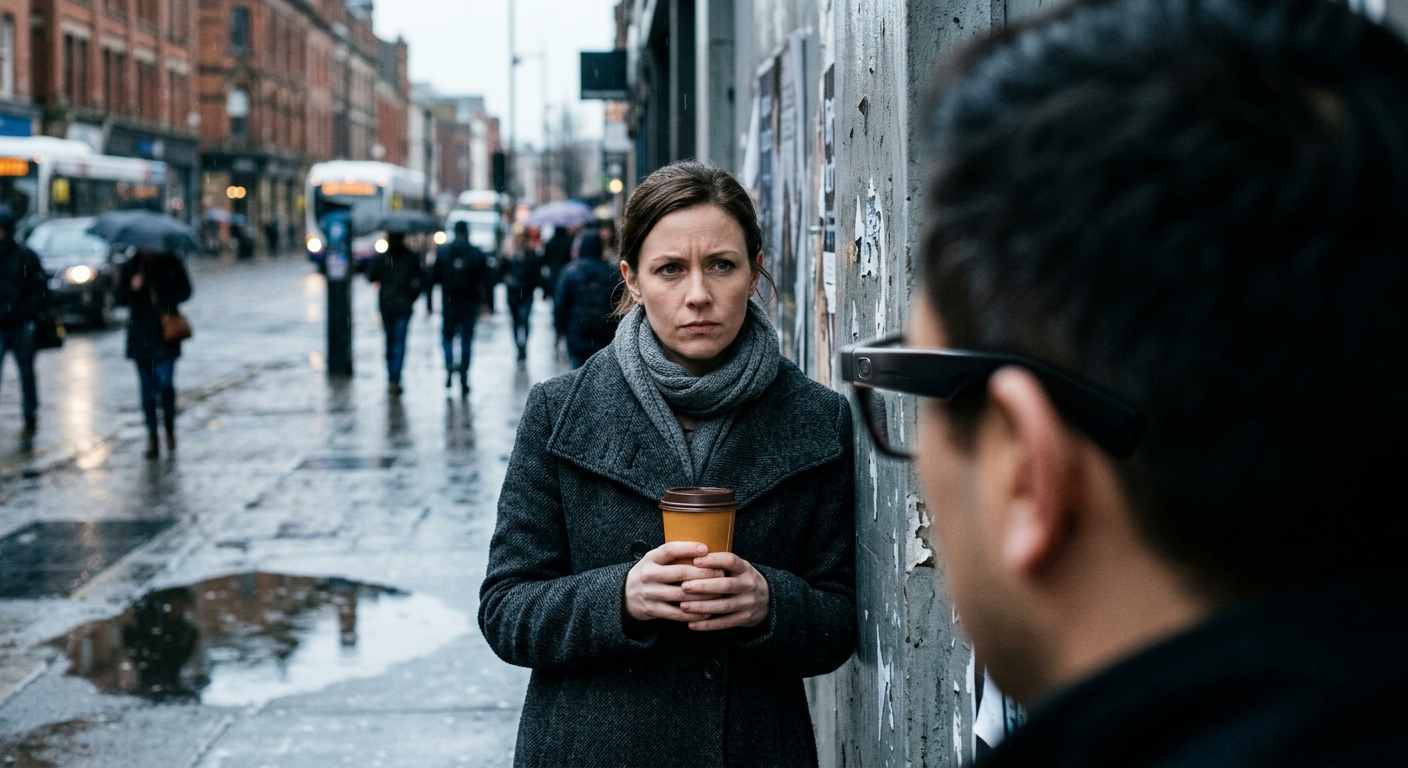
The privacy problem with smart glasses isn't the person wearing them, it's everyone standing next to them. Here's why Apple's new approach changes the conversat
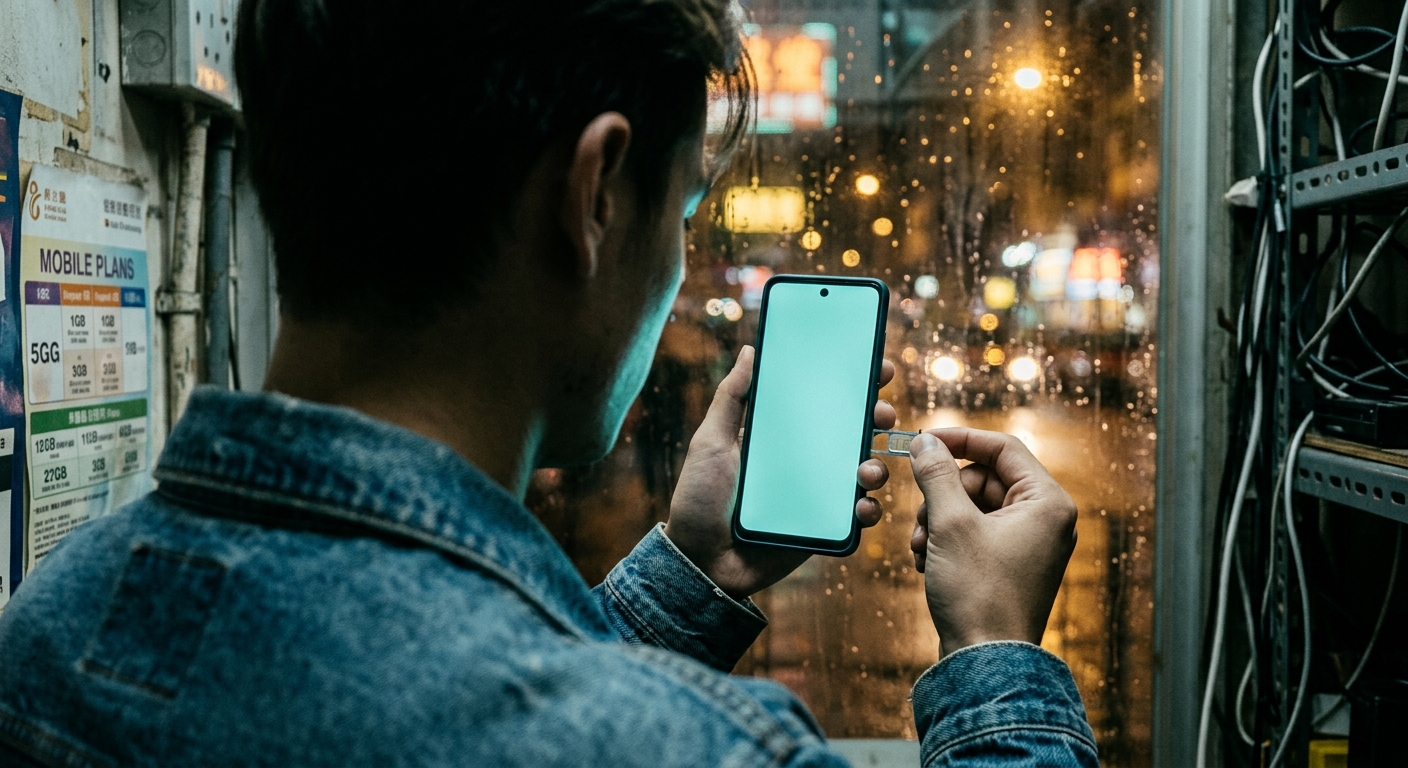
Indonesia reached 10 million biometric SIM registrations in weeks and is targeting 291 million existing subscribers. Your phone number is quietly becoming an id
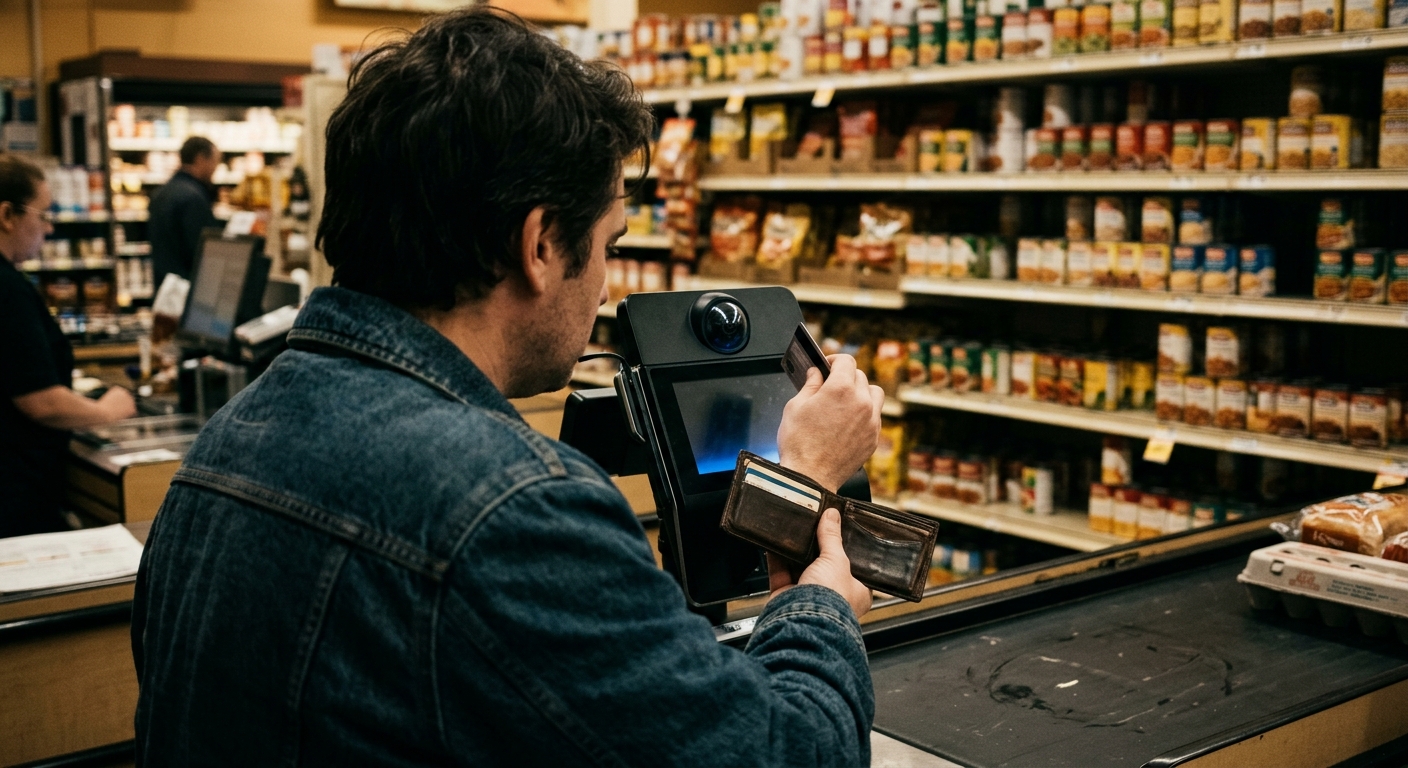
Your grocery store may soon let you pay by looking at a camera. Before that becomes the new normal, there are three questions every shopper should ask first.
São Paulo just sued the operators of World ID for $47 million after 400,000 residents had their iris data collected for crypto payments, with almost no explanat
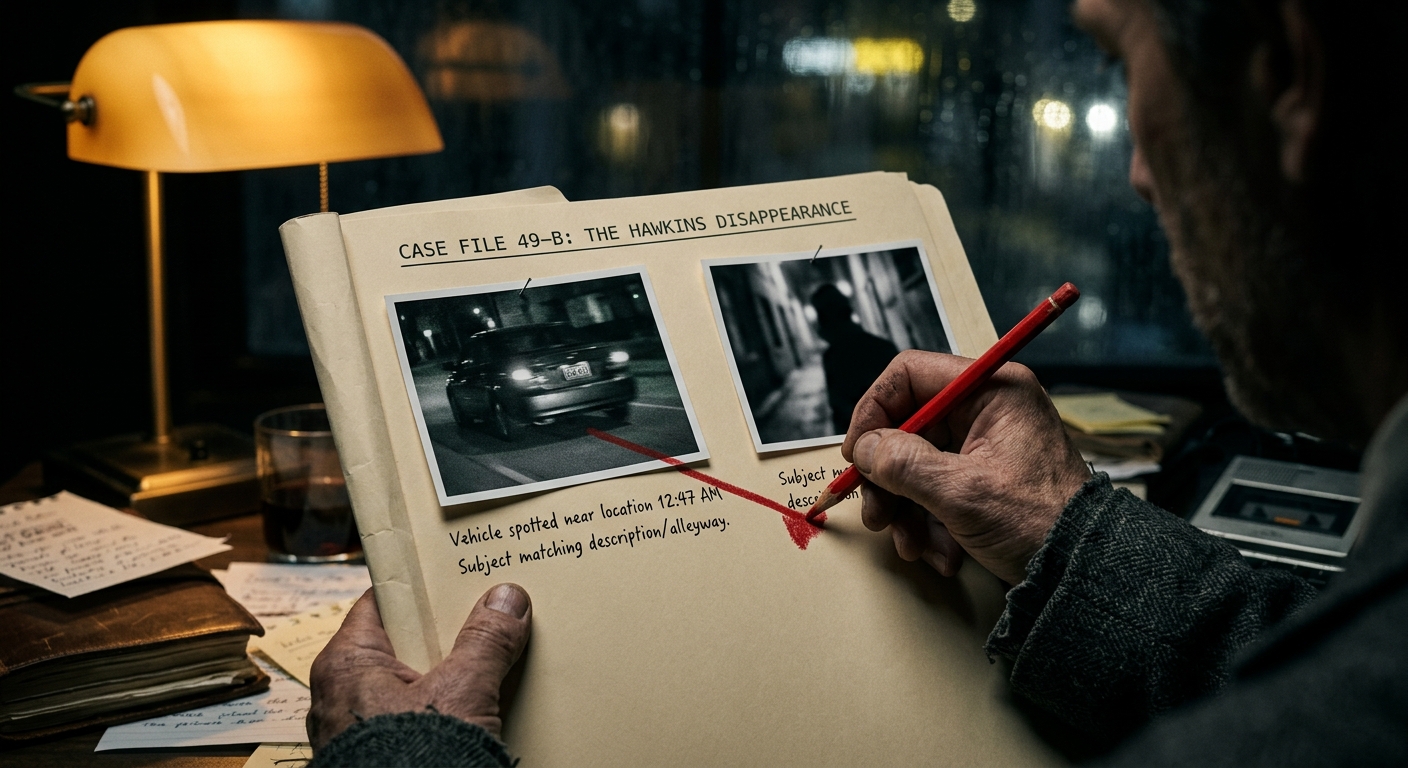
Pennsylvania Republicans want to regulate license plate readers the same way they regulate face scans, and that tells you something important about how broadly
A new proposal in Argentina wants online gambling apps to scan your face not just when you sign up, but every time you play. This is what that shift looks like
The next big security feature on your phone will be invisible, and most people will never think twice about trusting it. Here's why they should.
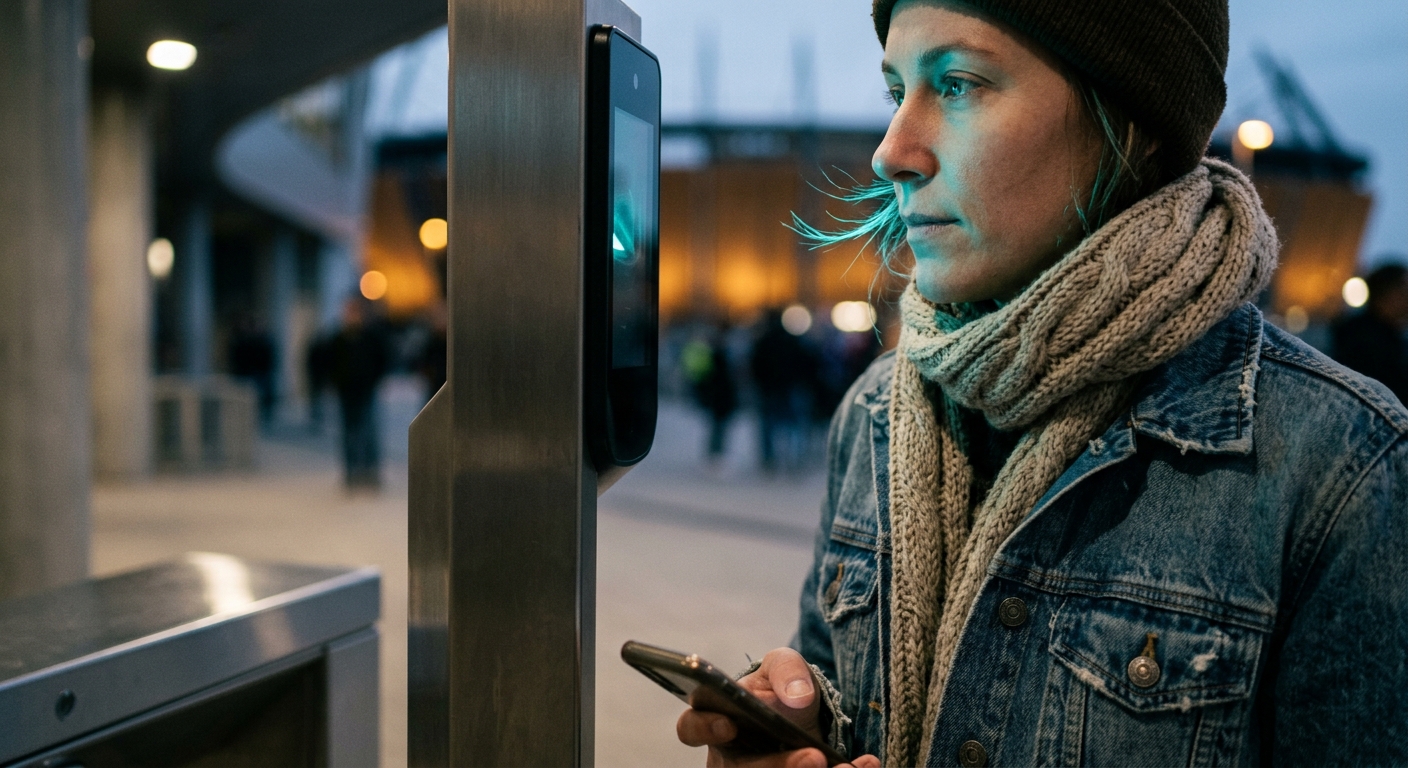
The next time you walk into a concert or a game, the ticket scanner might be looking at your face. Here's what's really happening, and why the real question isn
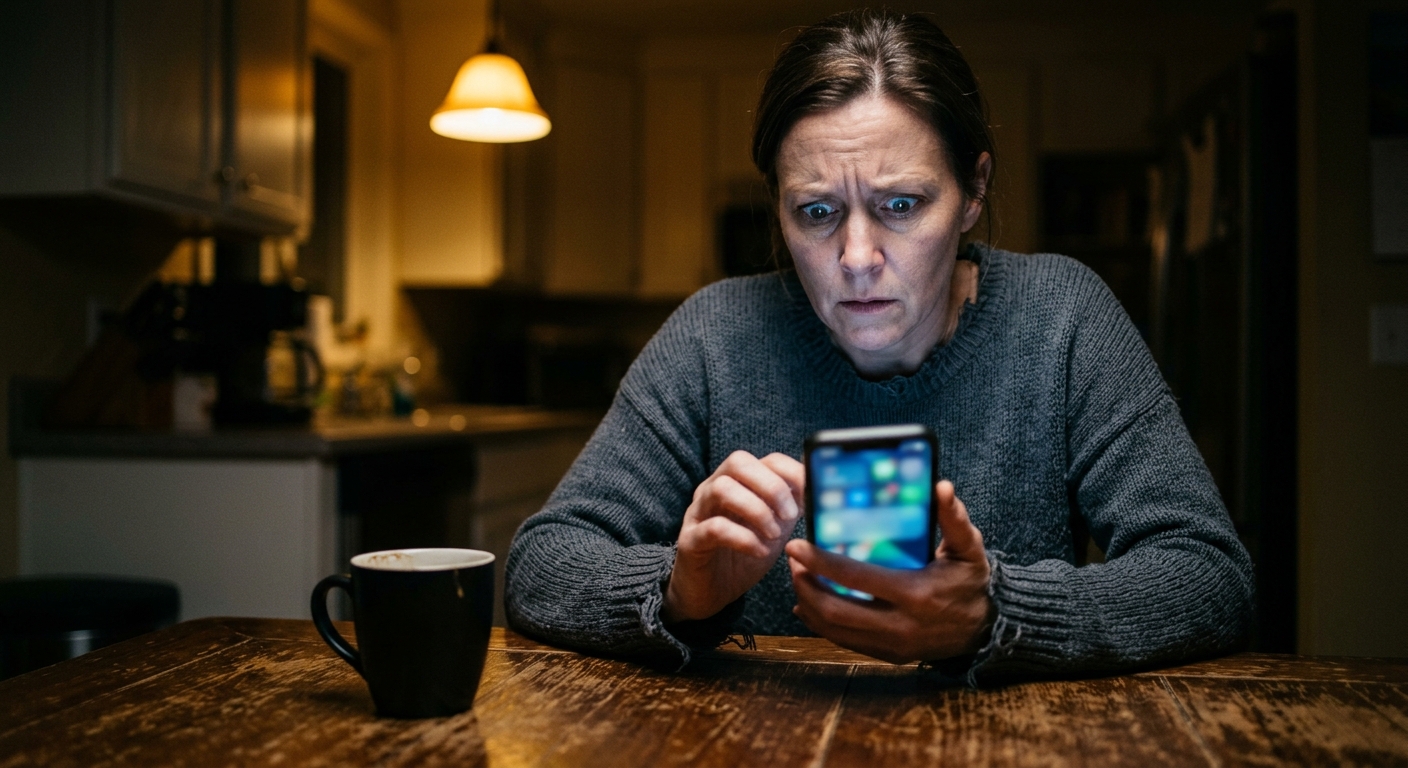
A message says your bank account closes in 2 hours. Your heart jumps. That's exactly what the scammer designed. Here's how this works, and how to stop yourself
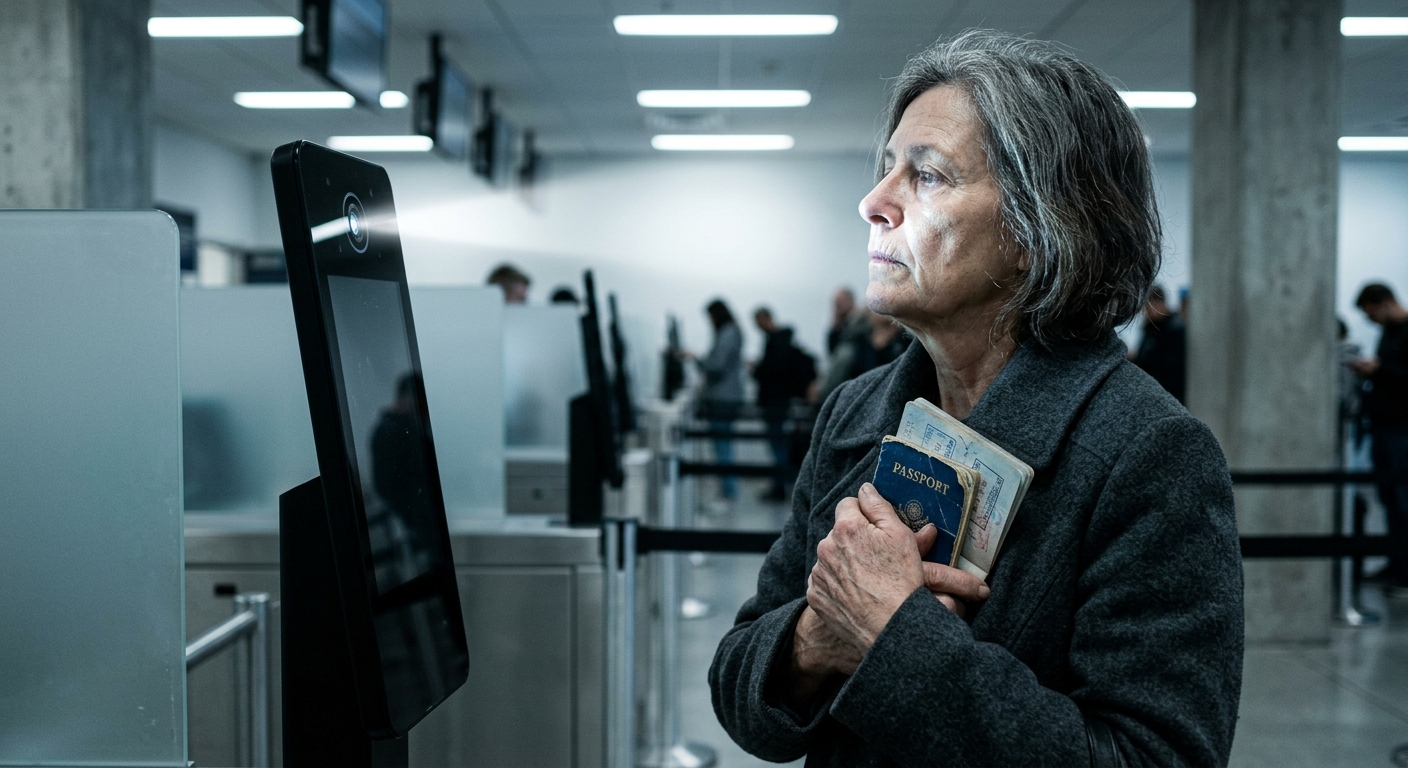
Governments are quietly ending manual fingerprint collection and replacing it with automated biometric systems. Your body is becoming your ID, and most people h
TikTok Shop has started selling alcohol in the UK, with three age checks between your kid and a bottle. The regulator investigating it isn't convinced any of th
