In-depth educational content on facial recognition, biometrics, and AI technology.
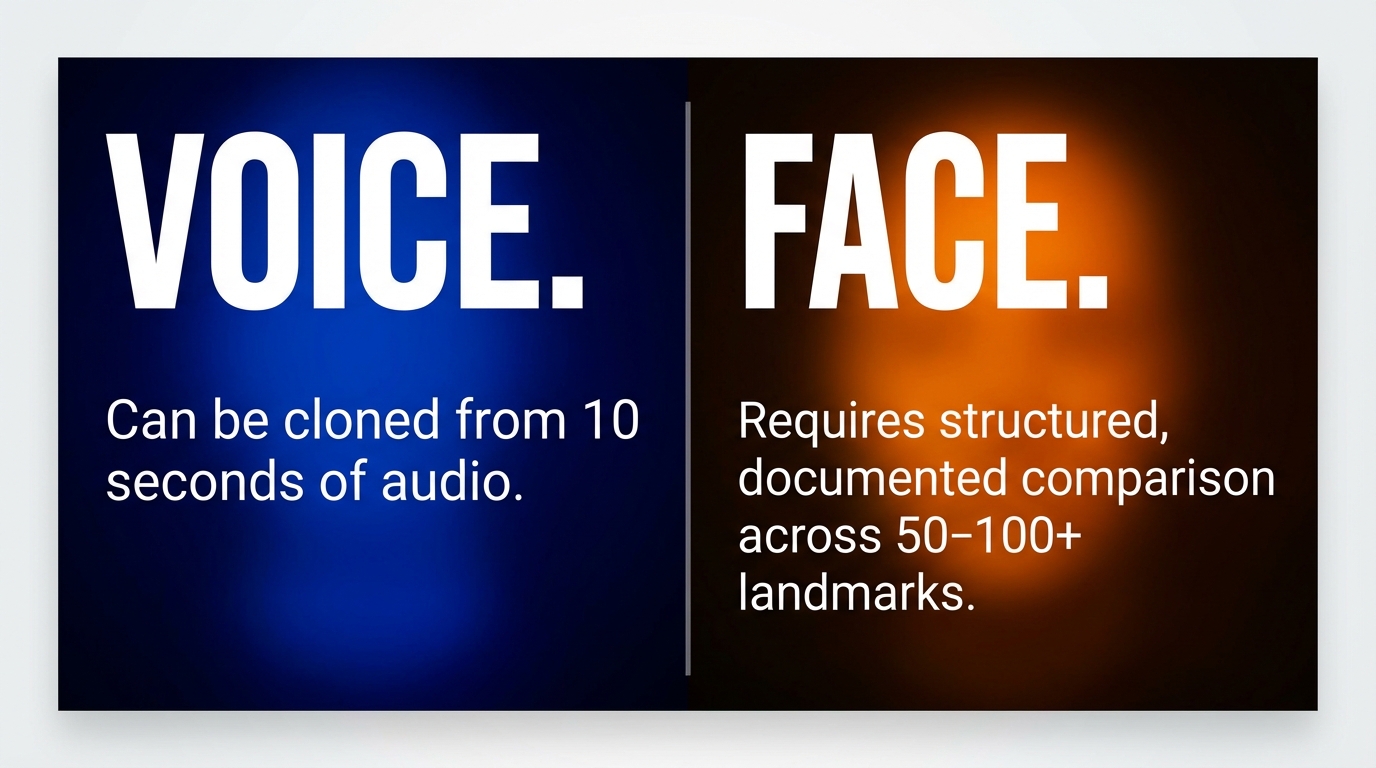
Voice cloning can replicate someone perfectly from a 3-second clip, and humans detect the fake only 60% of the time. Learn why "it sounded like them" is now wea
A perfect facial match used to mean case closed. Now it might mean you've been fooled. Learn why deepfakes exploit the very thing investigators trust most, and
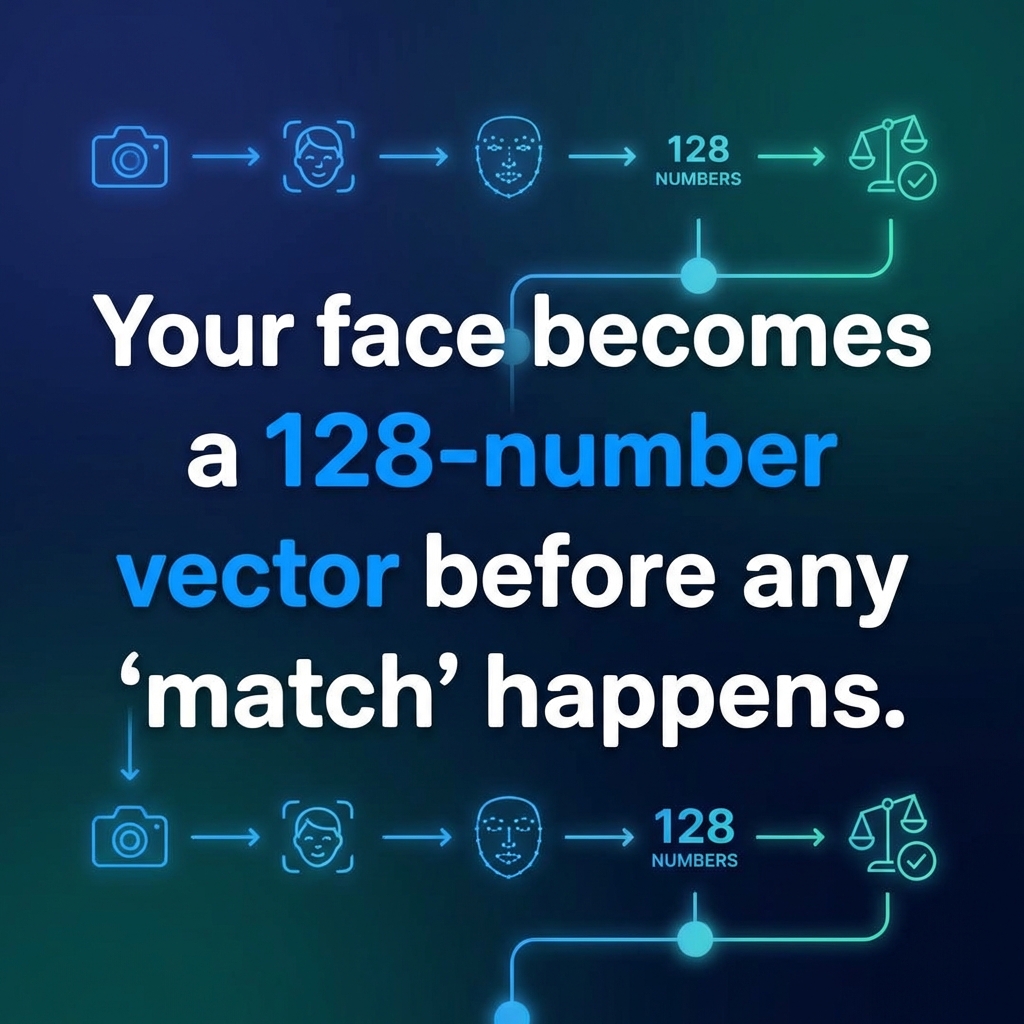
Facial recognition doesn't compare photos, it compares vectors in mathematical space. Learn the hidden 6-step pipeline that determines whether a biometric match
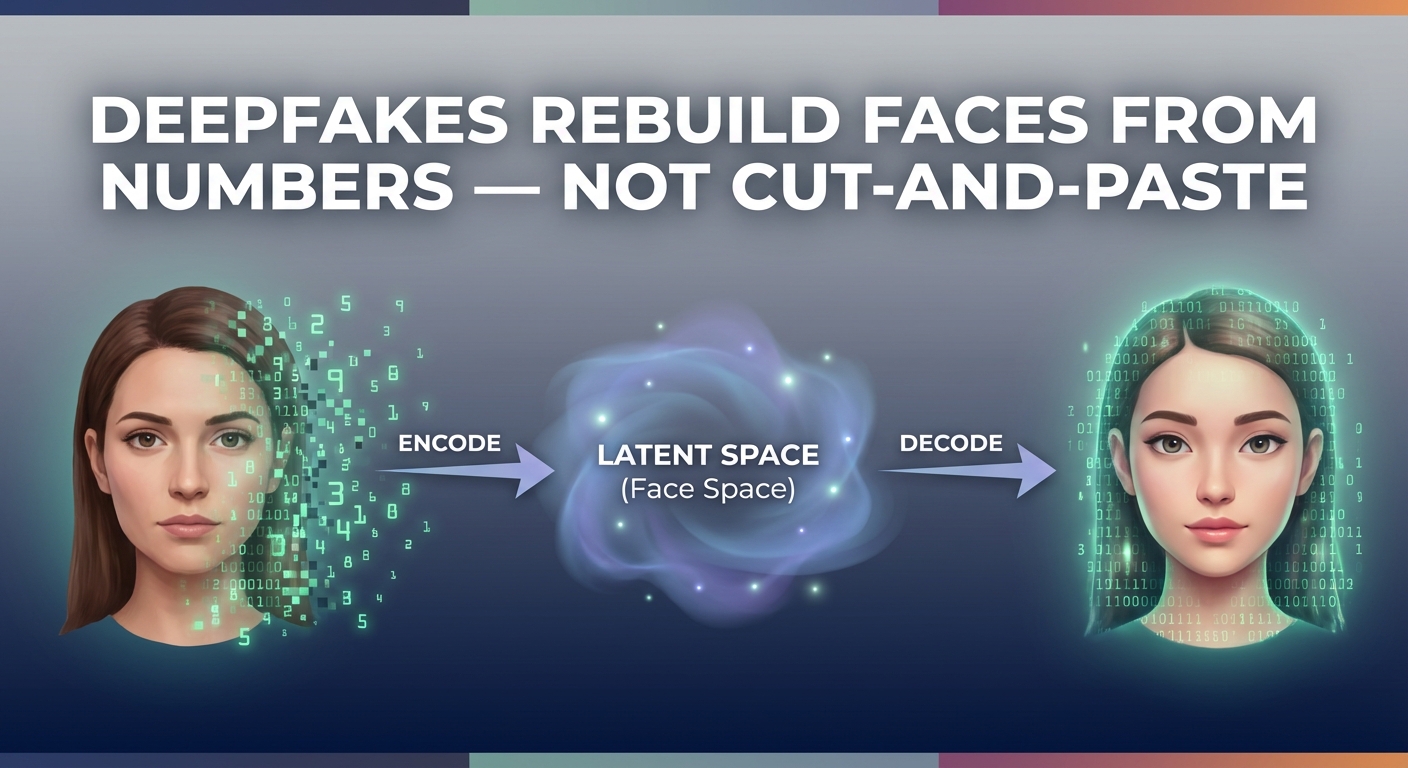
Deepfakes don't cut and paste faces, they rebuild them from compressed mathematical representations. Here's why that distinction is the most important thing an
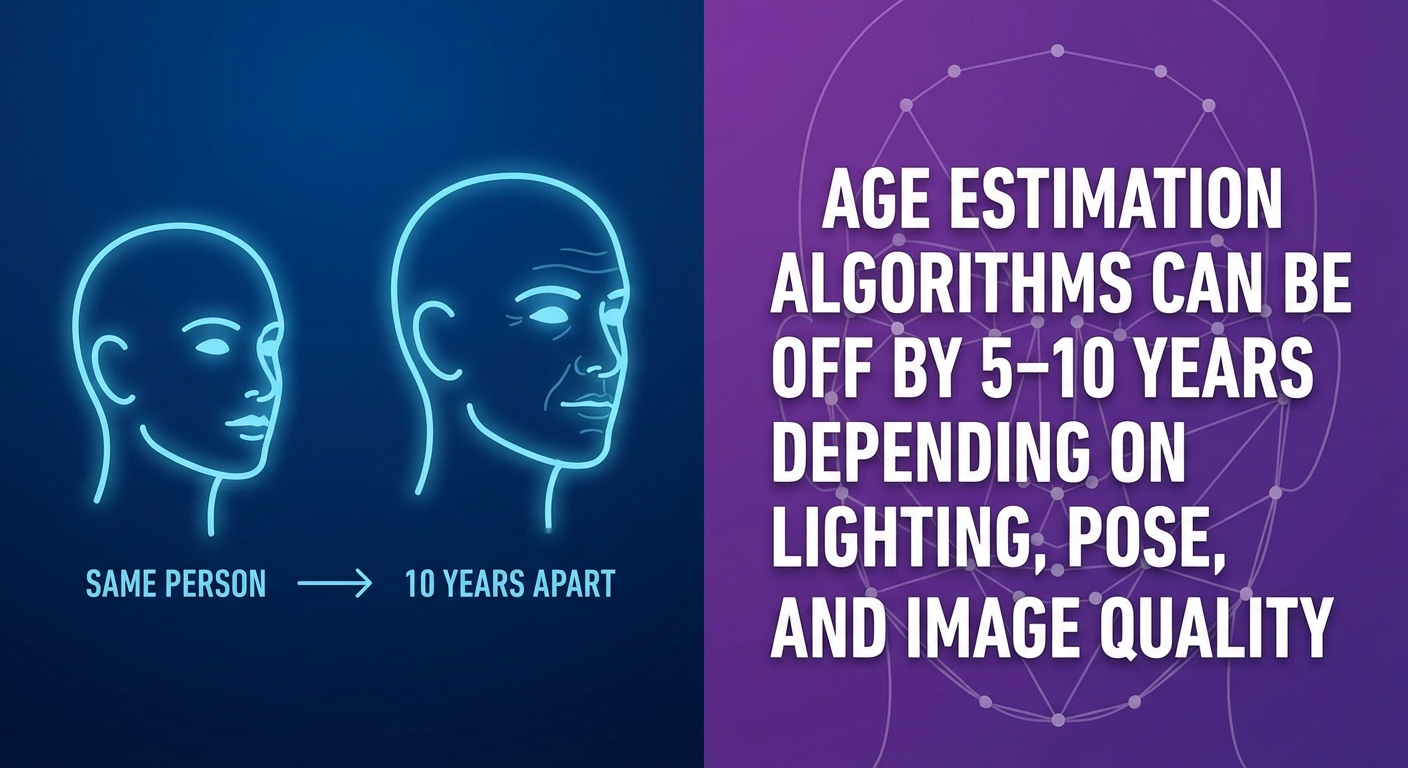
Before an algorithm estimates someone's age from a photo, it must solve four overlapping problems at once, and a single change in lighting can collapse the enti
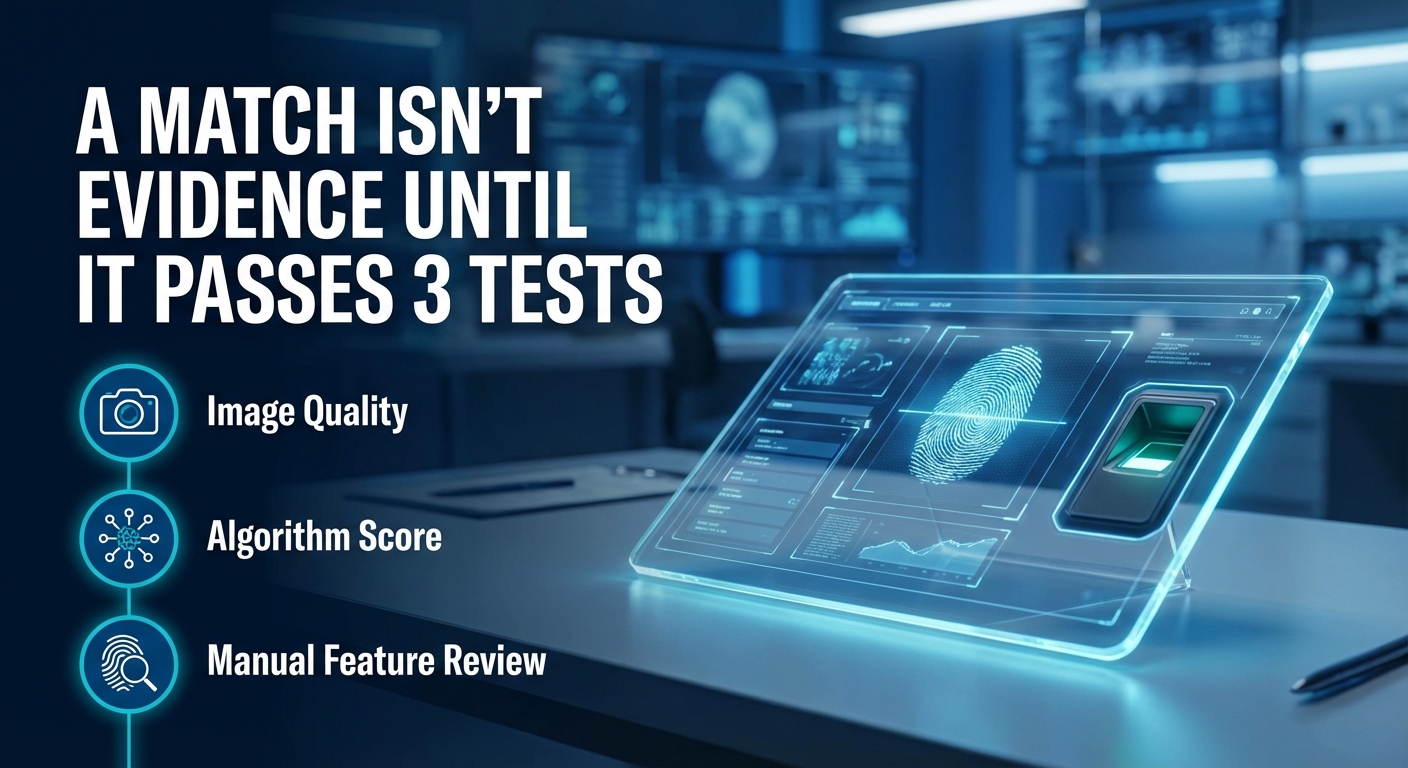
A high confidence score doesn't mean a facial match is evidence-ready. Learn the three quality gates every match must pass, and why skipping any one of them is
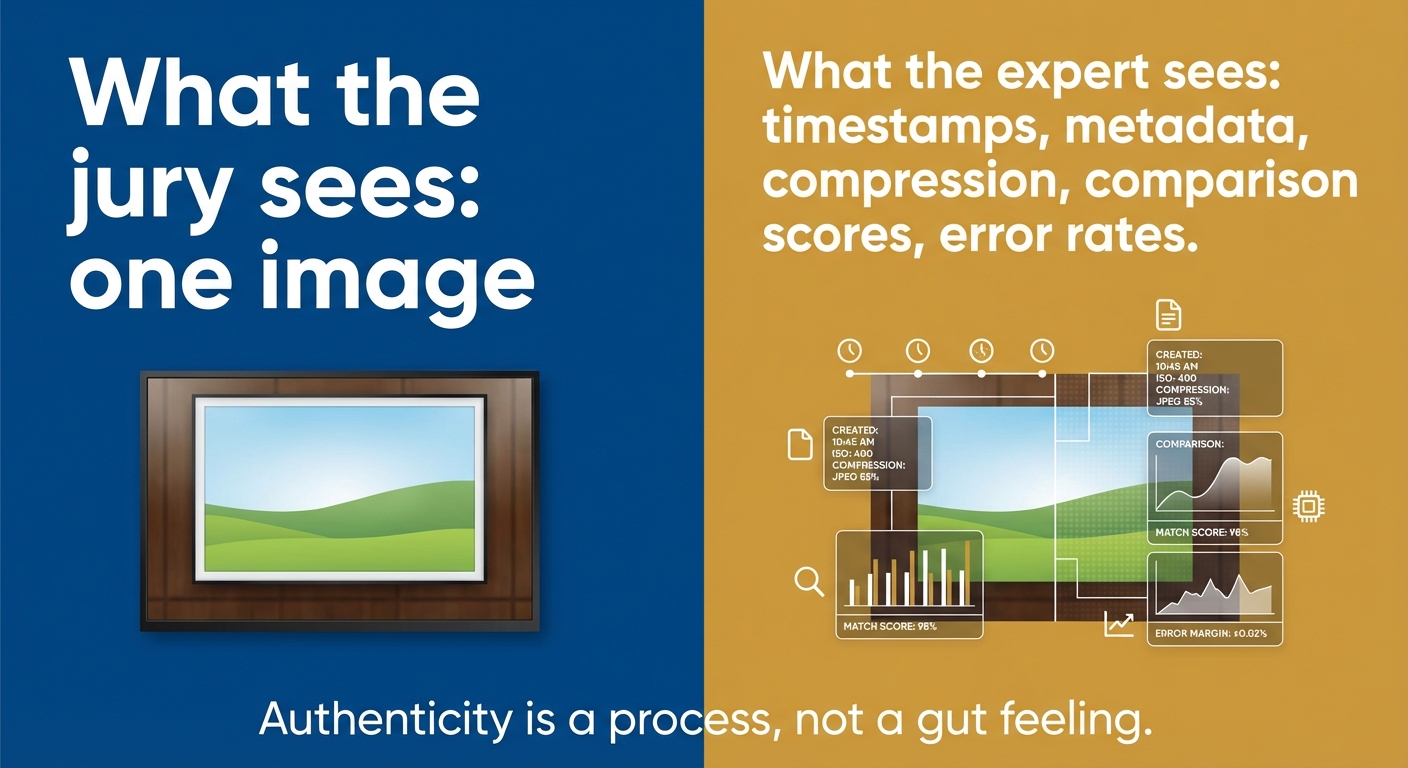
A recent court case on deepfake audio exposes the four-layer authentication process that happens before any digital evidence reaches a jury, and why investigato
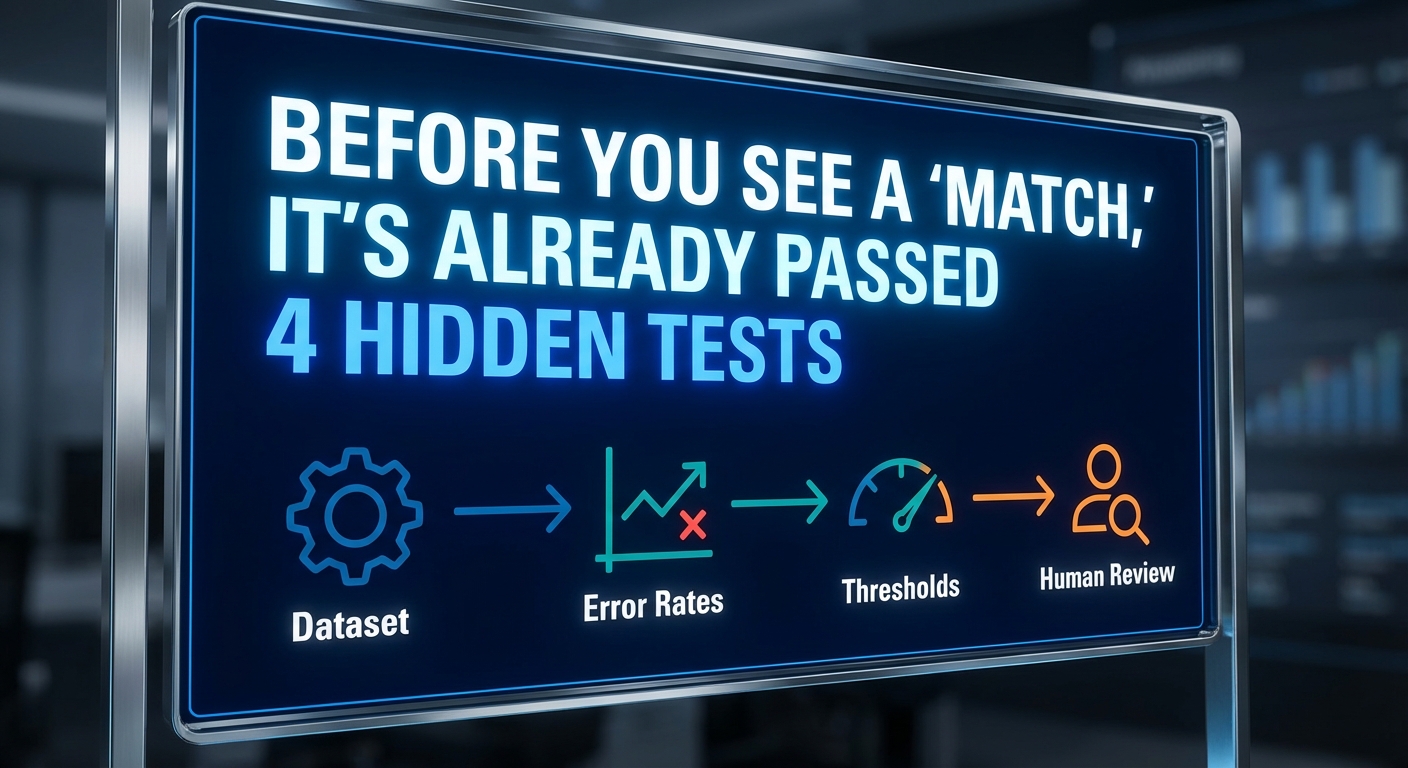
That "likely fake" label on a deepfake detection report isn't a single algorithm's opinion, it's the survivor of four hidden tests most investigators never see.
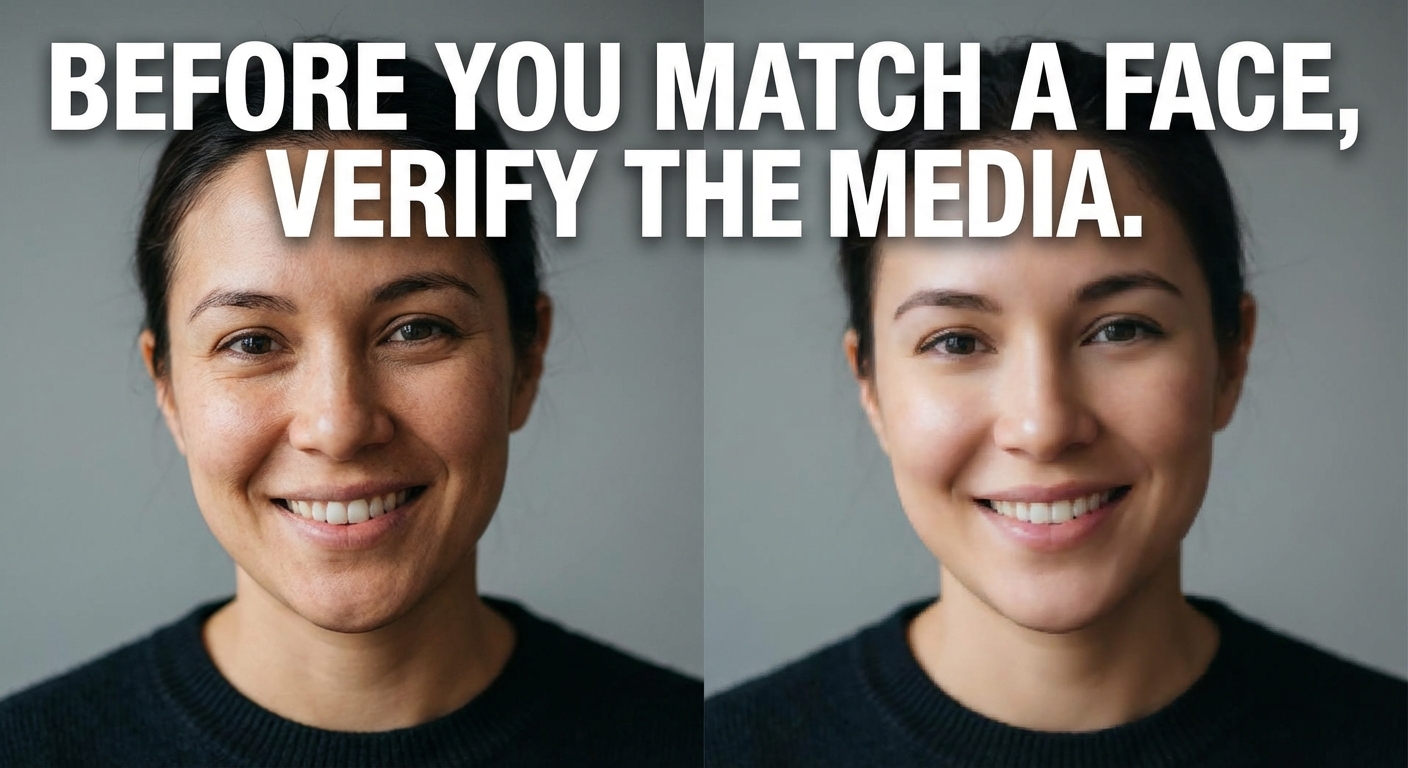
Most investigators jump straight to facial comparison, but there's a critical step that comes first. Learn why validating media authenticity before matching fac
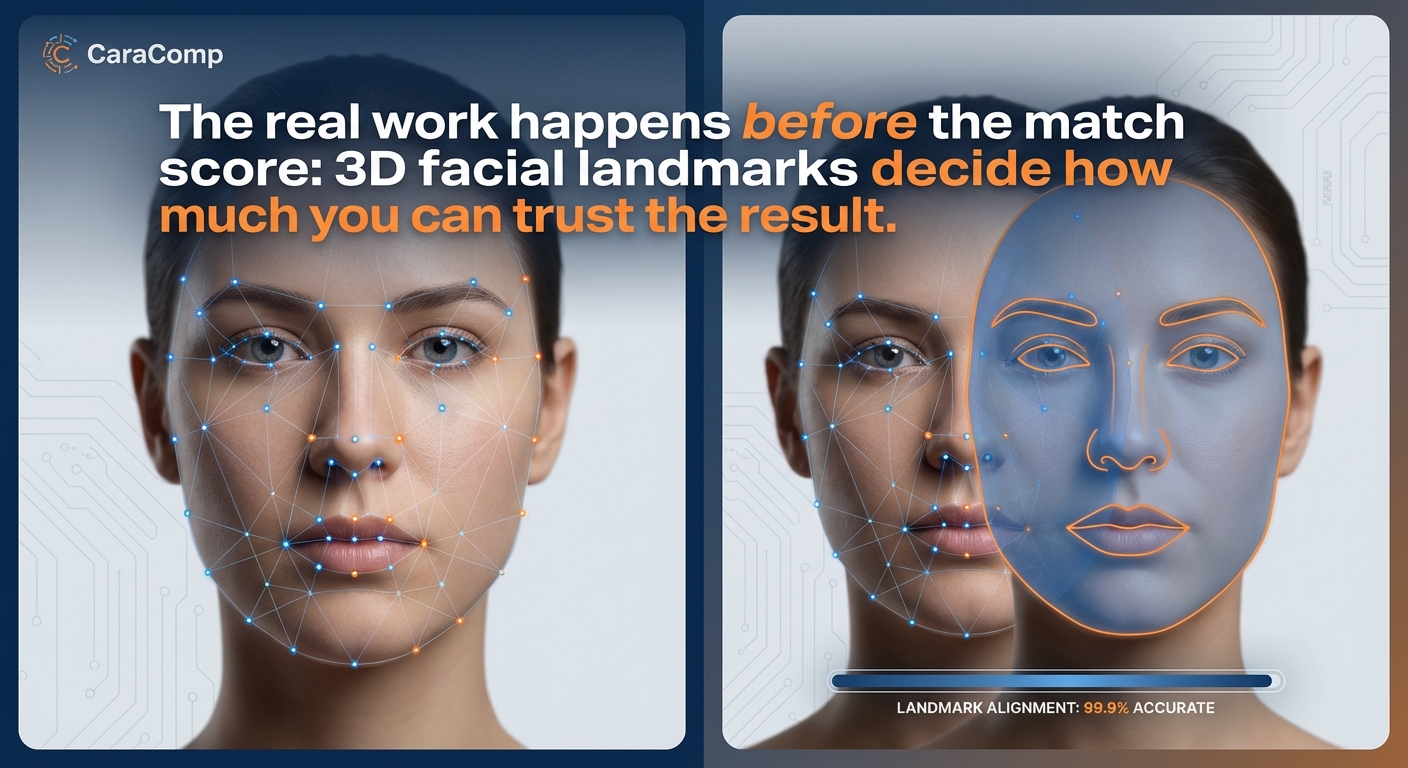
Most investigators trust the confidence score. But the real question is whether the landmarks were placed correctly first, because a 3mm error makes a 95% score
Investigators routinely mistake "verified" for "identity confirmed." Learn why digital age verification proves credential authenticity, not facial identity, and
The most dangerous deepfakes aren't the obvious ones, they're the ones that pass your gut check. Learn why single-artifact detection fails and what a structured
