In-depth educational content on facial recognition, biometrics, and AI technology.
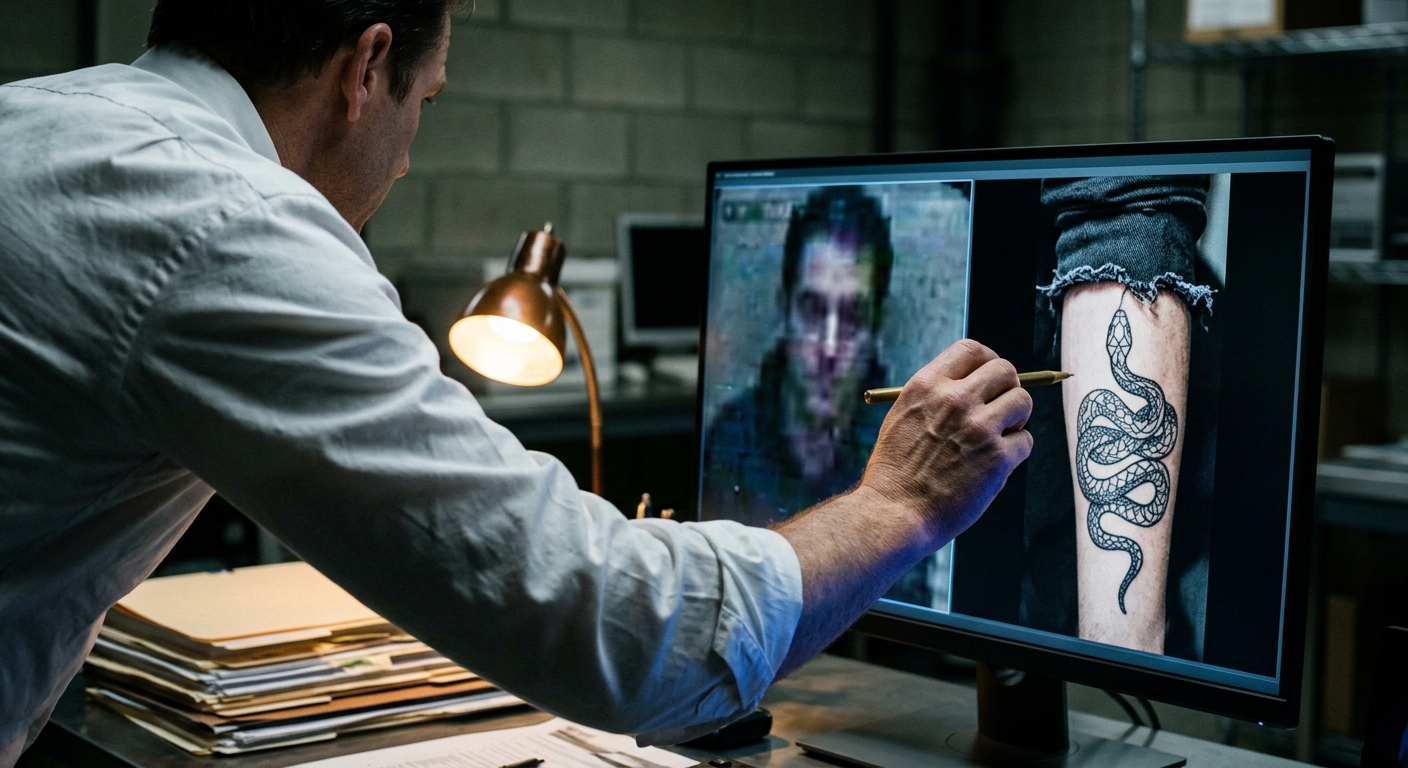
Everyone assumes biometrics means faces. But NIST is benchmarking tattoo recognition too, and understanding how it actually works (hint: it's not a fingerprint)
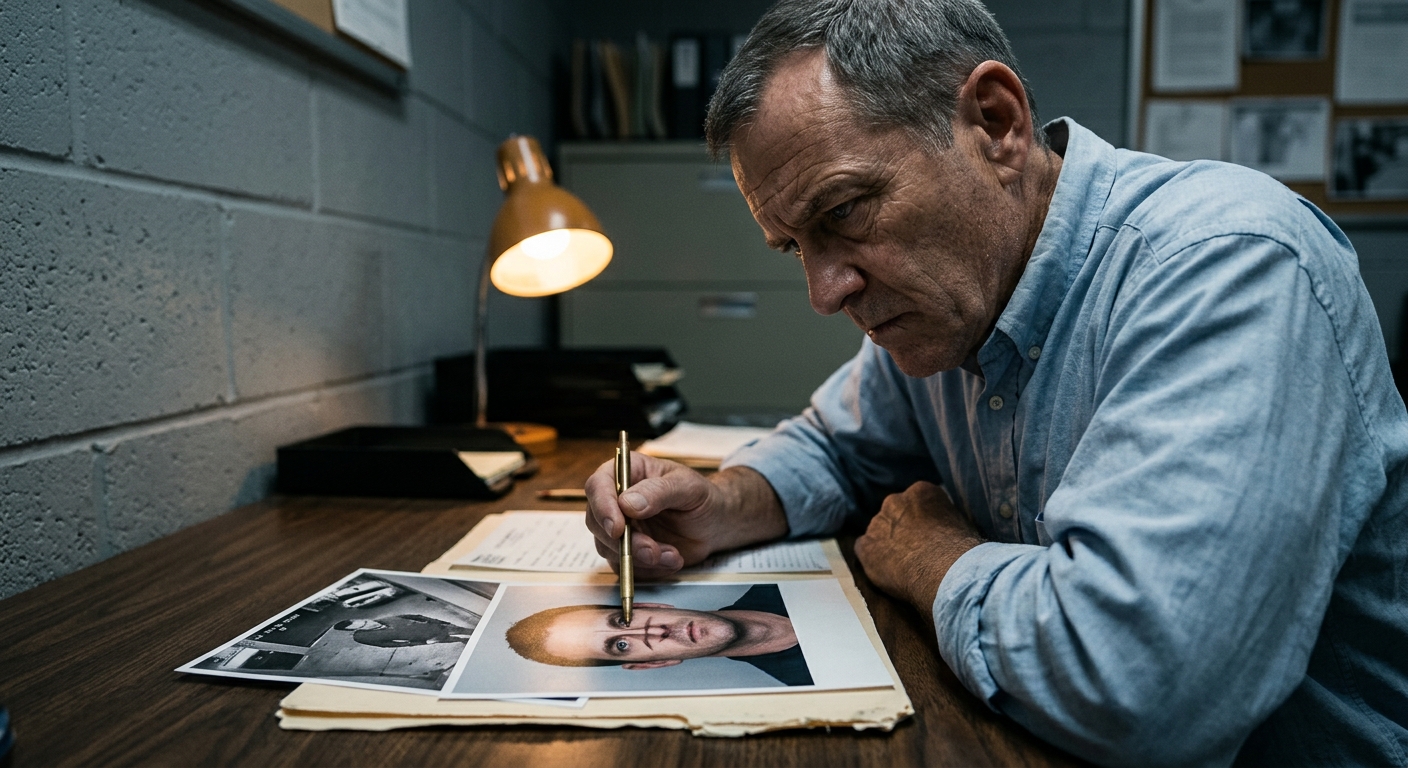
Most people assume a high face-match score means the computer found the right person. It doesn't. Here's what that score actually tells you, and what it leaves
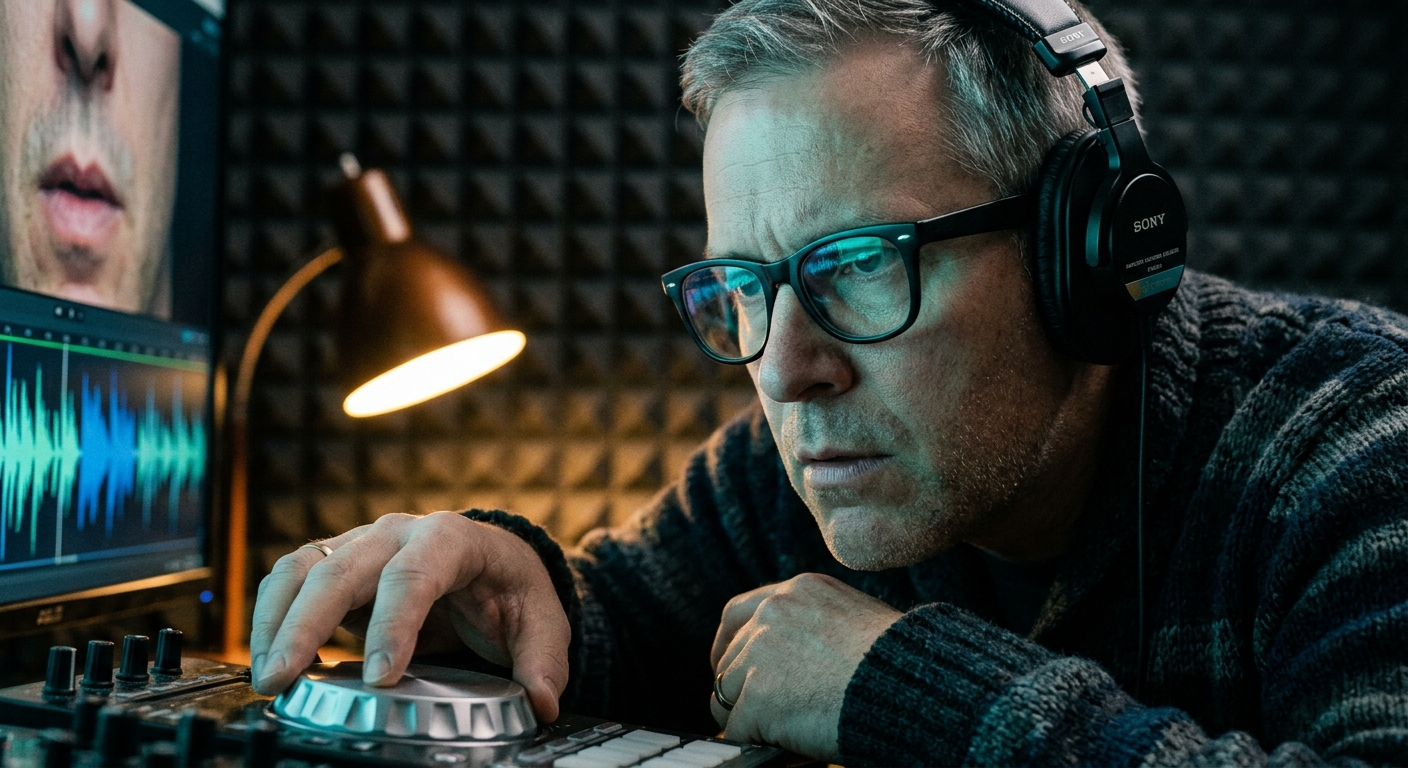
A deepfake detector isn't asking "does this look real?", it's running two separate checks on your face and your voice, then seeing if they agree. Here's why tha
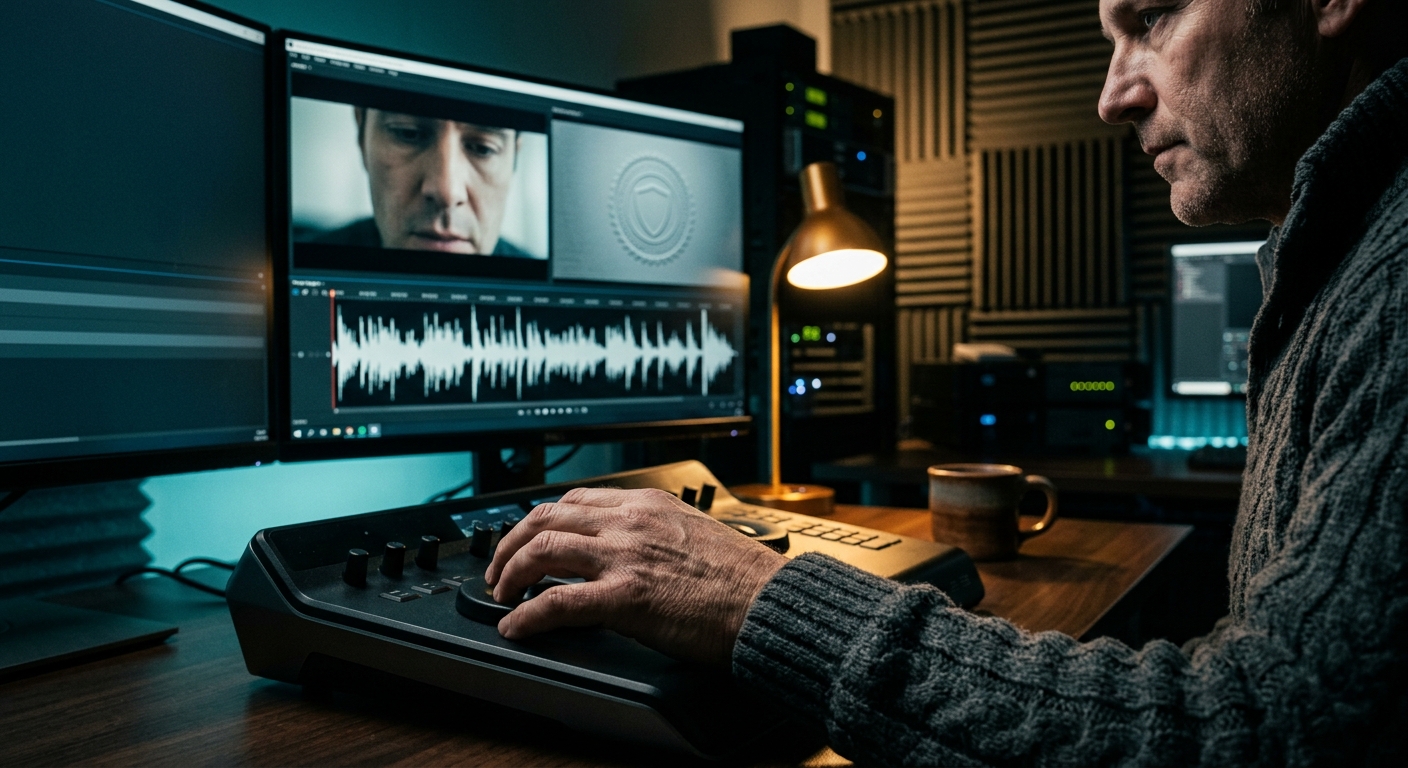
Deepfake detection has outgrown "spot the glitch." Learn how the real defense works in three layers, and why your eyes are the last thing you should trust.
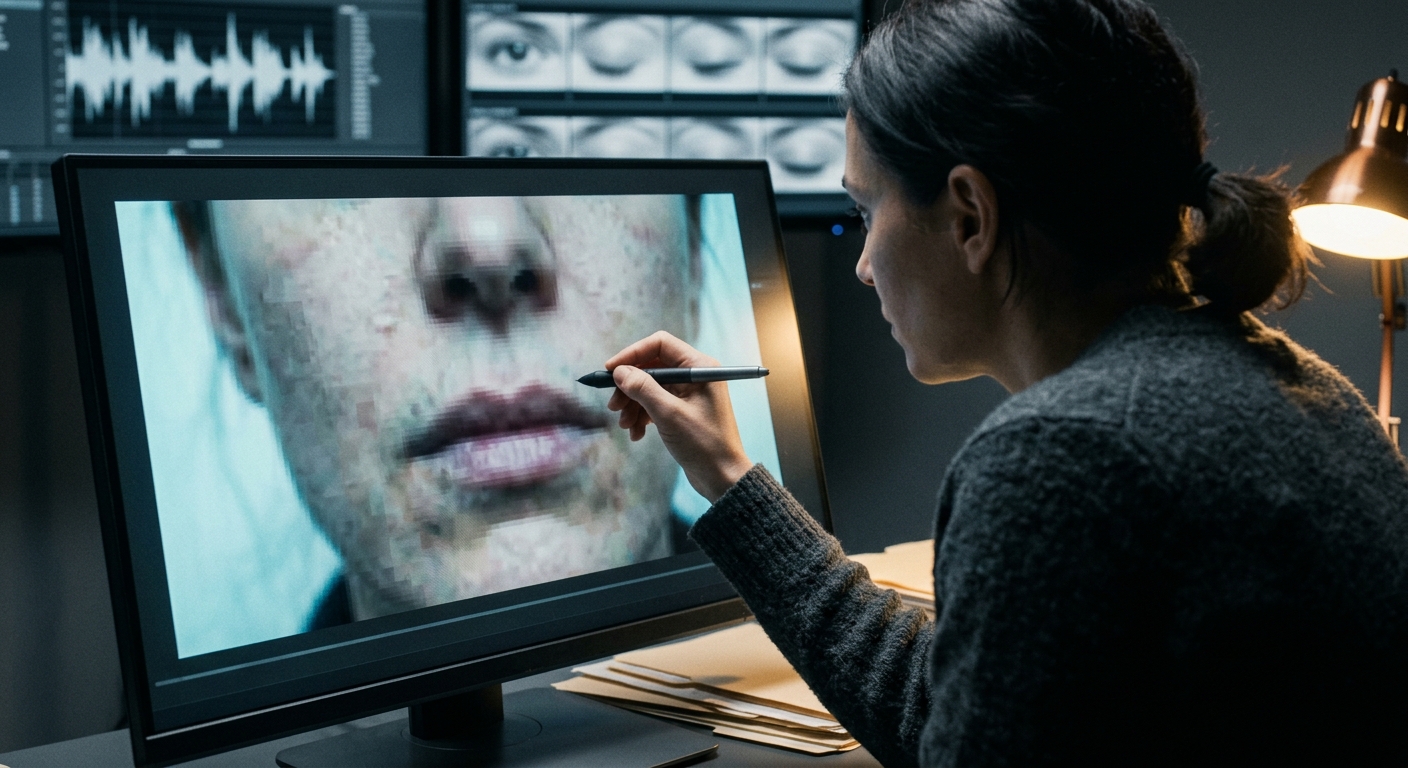
A deepfake detector doesn't just ask "real or fake", it weighs four independent clues: eye blinks, lip timing, pixel artifacts, and frame drift. Learn why multi
A shocking video shows up in the company chat. Someone's job is on the line. Here's why the worst thing you can do is act fast, and what responsible teams do in
Most people assume online identity checks mean handing over all your personal info to yet another database. They don't have to, and understanding why changes ho
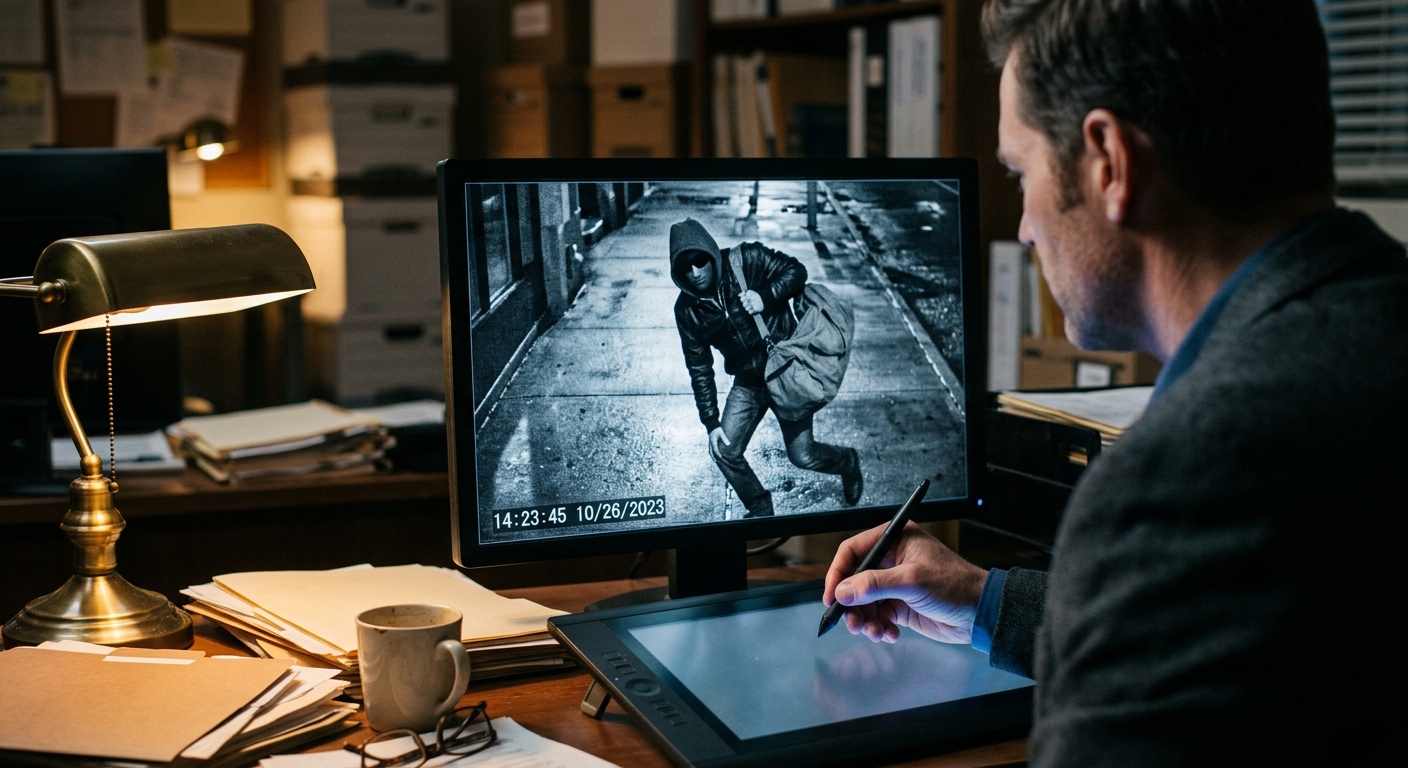
Most people assume biometrics means face, fingerprint, or eye scan. Gait recognition proves identity clues hide in how you move, but the science has a critical
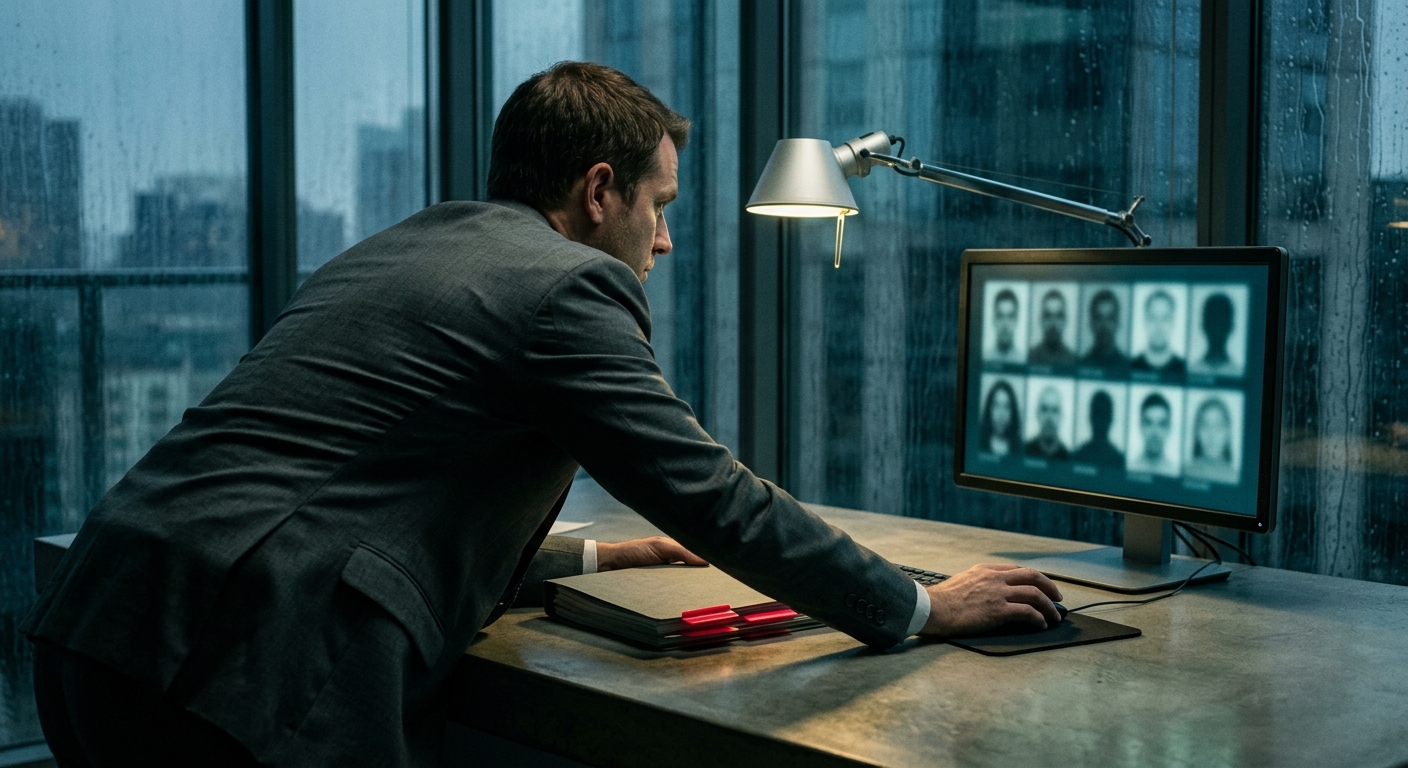
The EU AI Act isn't one rule for all AI, it's a risk-tier system that treats a hiring algorithm very differently from a chatbot. Learn what that means for decis
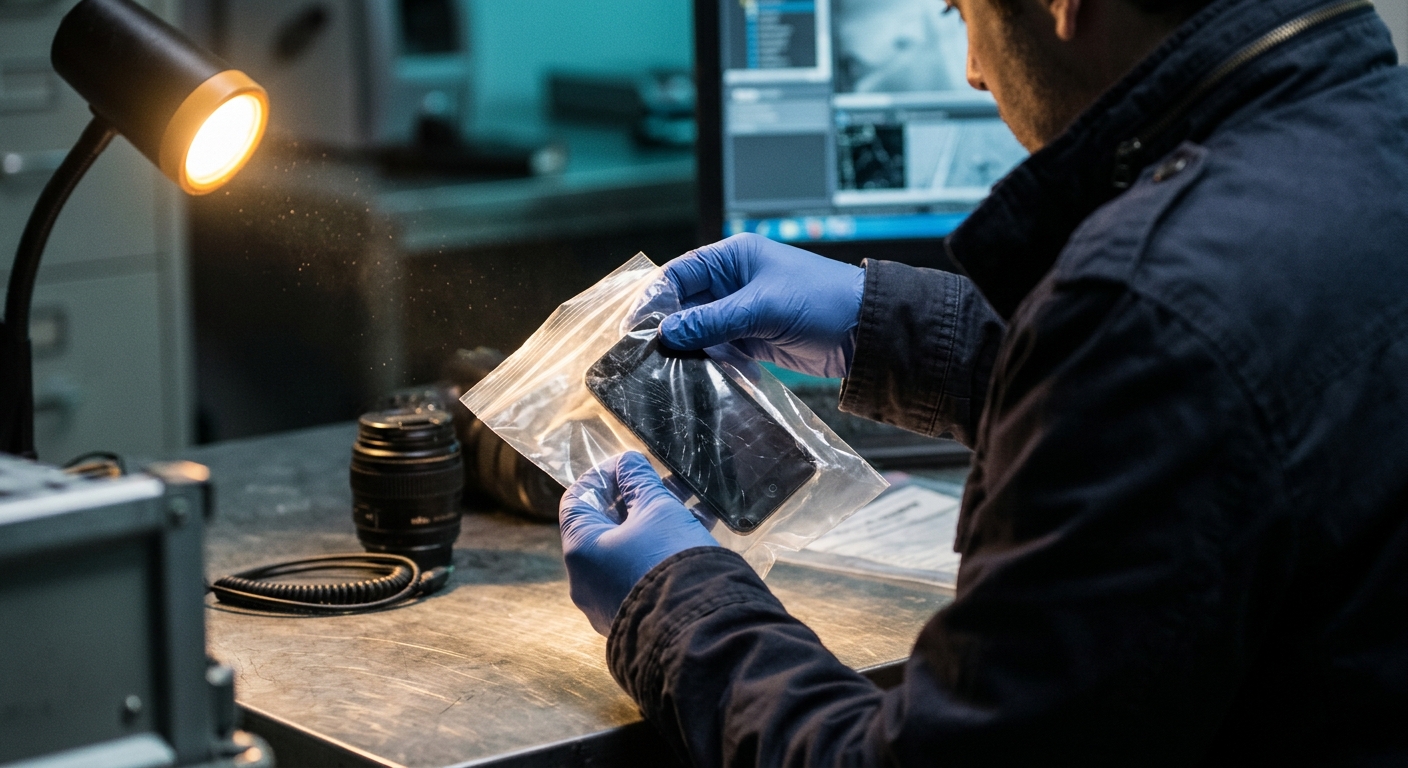
The deepfake conversation has shifted from "can we spot it?" to "what do we do after it's already live?" Learn the three-step response process that gives victim
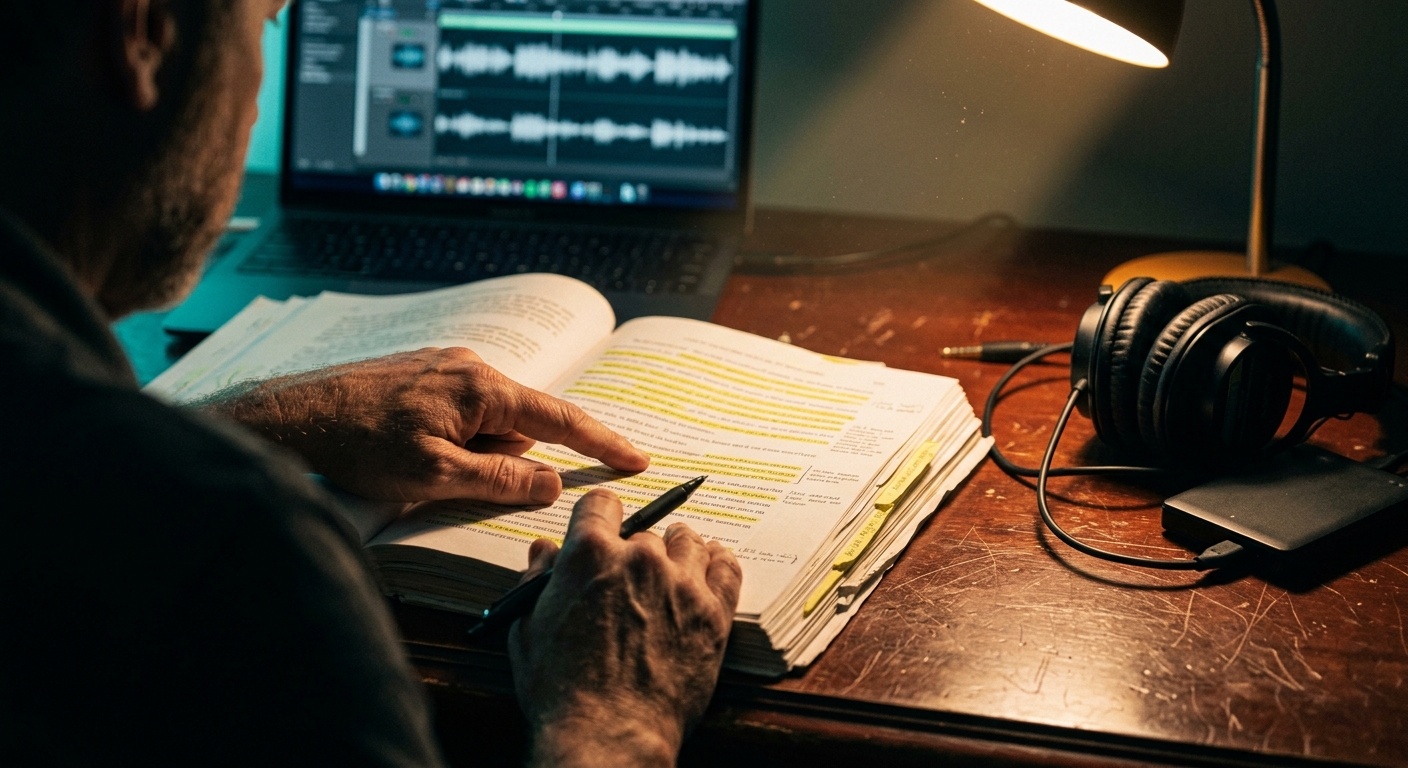
Most people think consent is a yes-or-no thing. AI voice cloning proves it isn't, and the gap between "I agreed" and "I'm protected" is where identity theft liv
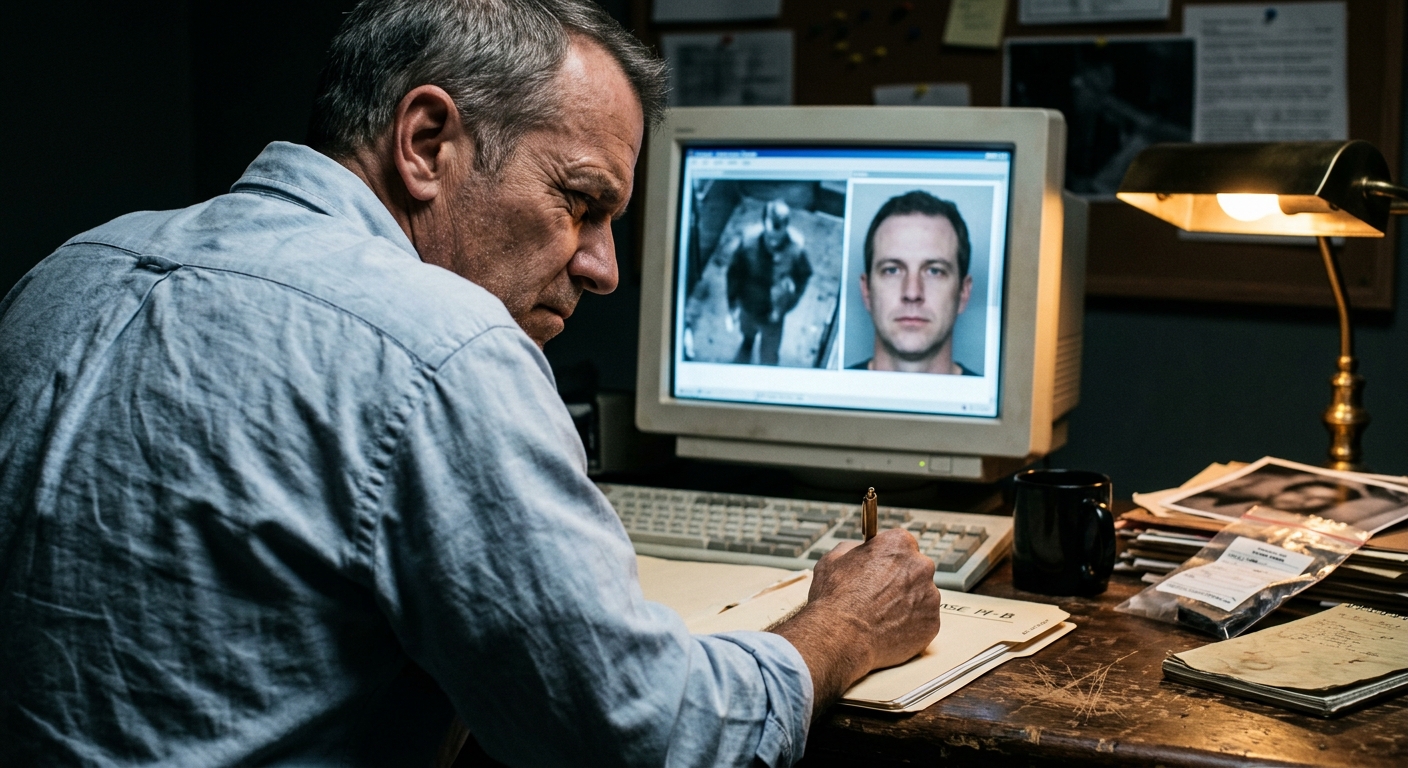
That "94% confident" face-match result sounds definitive. It isn't. Here's why the score itself is almost meaningless without human review, and what that means
