In-depth educational content on facial recognition, biometrics, and AI technology.
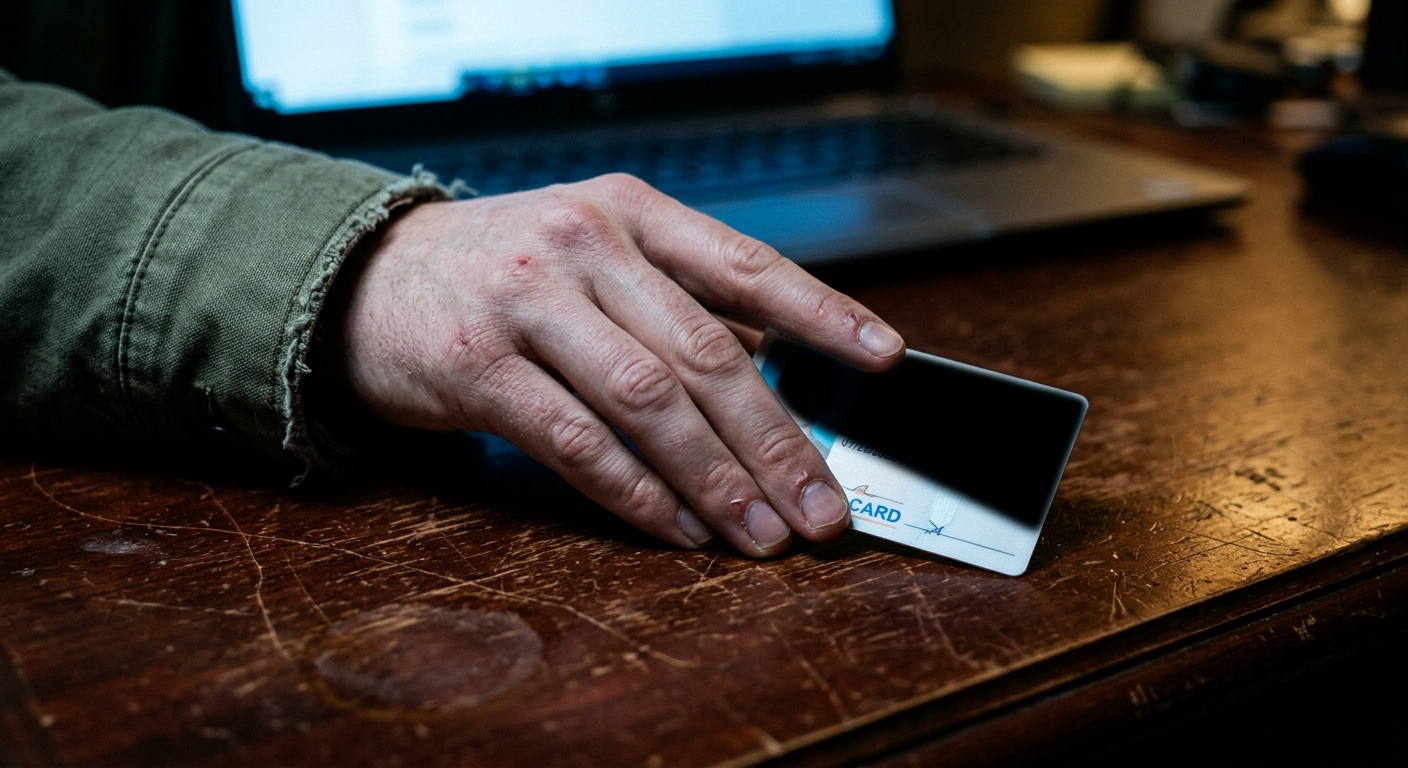
When an app asks you to verify your age, what does it actually keep? Most people assume it's a quick check that disappears. The reality is far more layered, and
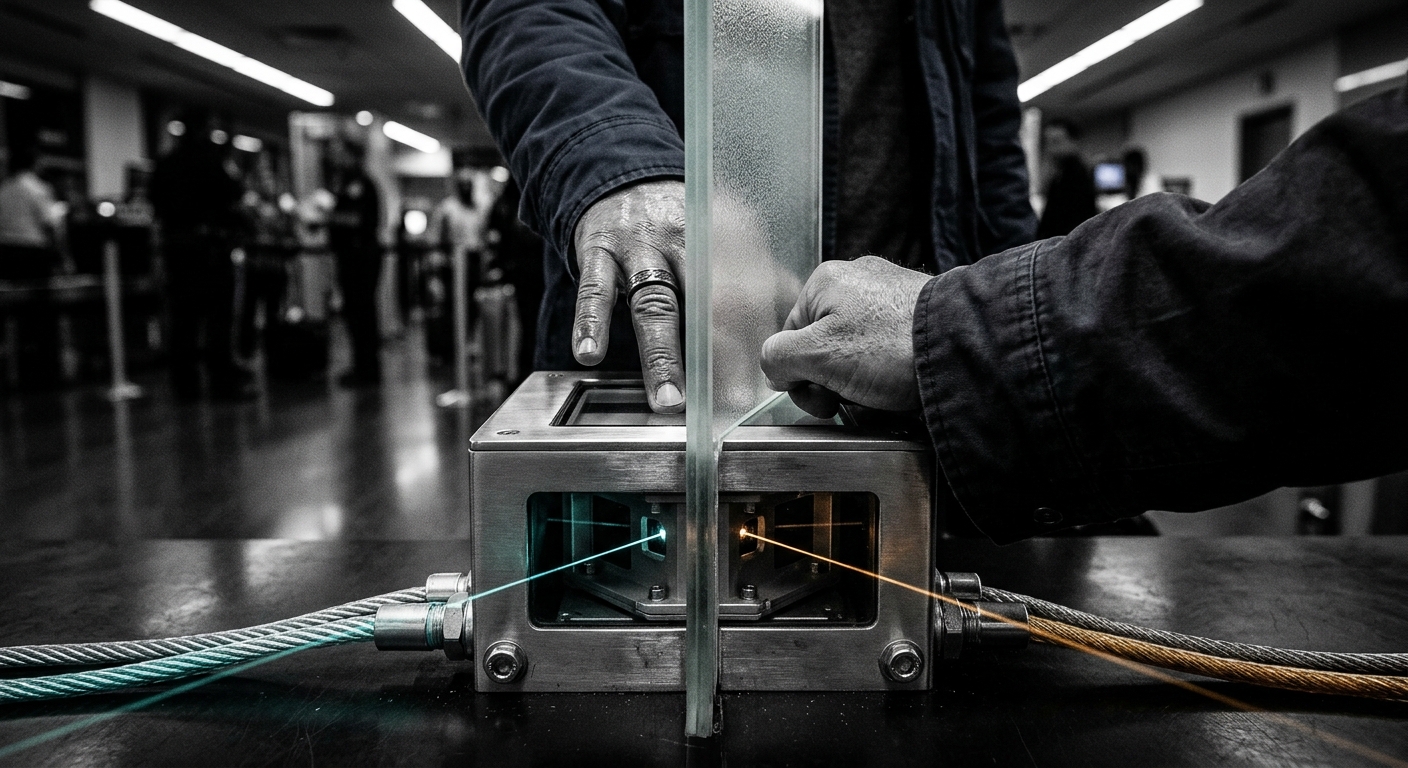
Most people assume a biometric check means someone gets a copy of your face or fingerprint. New quantum-secured research proves that's not how it has to work, a
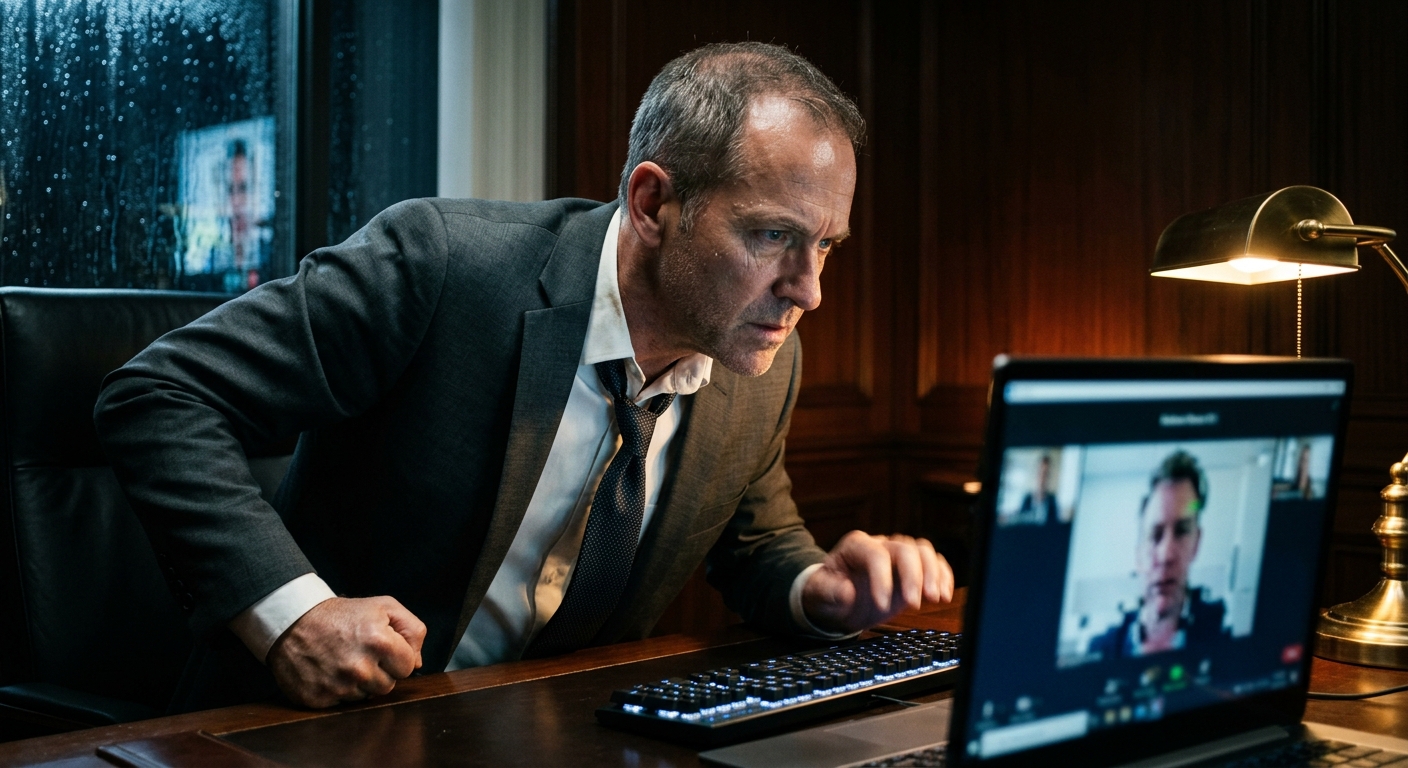
Most people think deepfakes only work if they look flawless. The truth is scarier and simpler: a blurry 10-second clip can cost you $25 million if it makes you
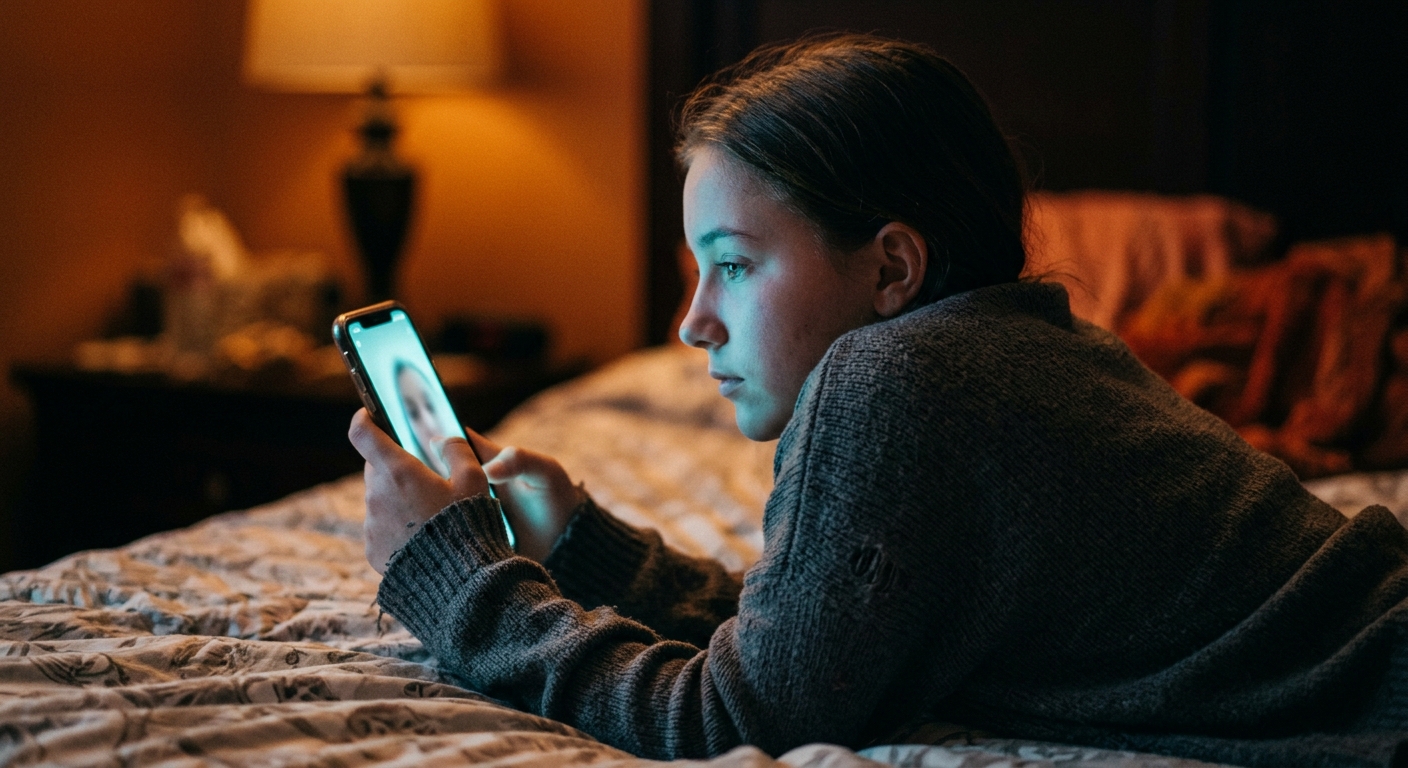
You think spotting a deepfake is about noticing weird eyes or bad hands. It's not. Your brain runs a 3-part credibility check before you consciously see anythin
When an app asks to verify your age, the safest version should confirm "yes or no" and immediately destroy your face scan or ID document. Here's how that actual
Most people picture digital ID as one big database. It's not. There are at least four separate systems that touch your identity before you're ever verified, and
Taking a selfie for your bank app feels like one quick step. But behind the scenes, safer systems are running three separate checks you never see, and understan
Most people think a biometric lock makes their digital ID wallet bulletproof. The real vulnerability isn't the face scan, it's what happens when that scan fails
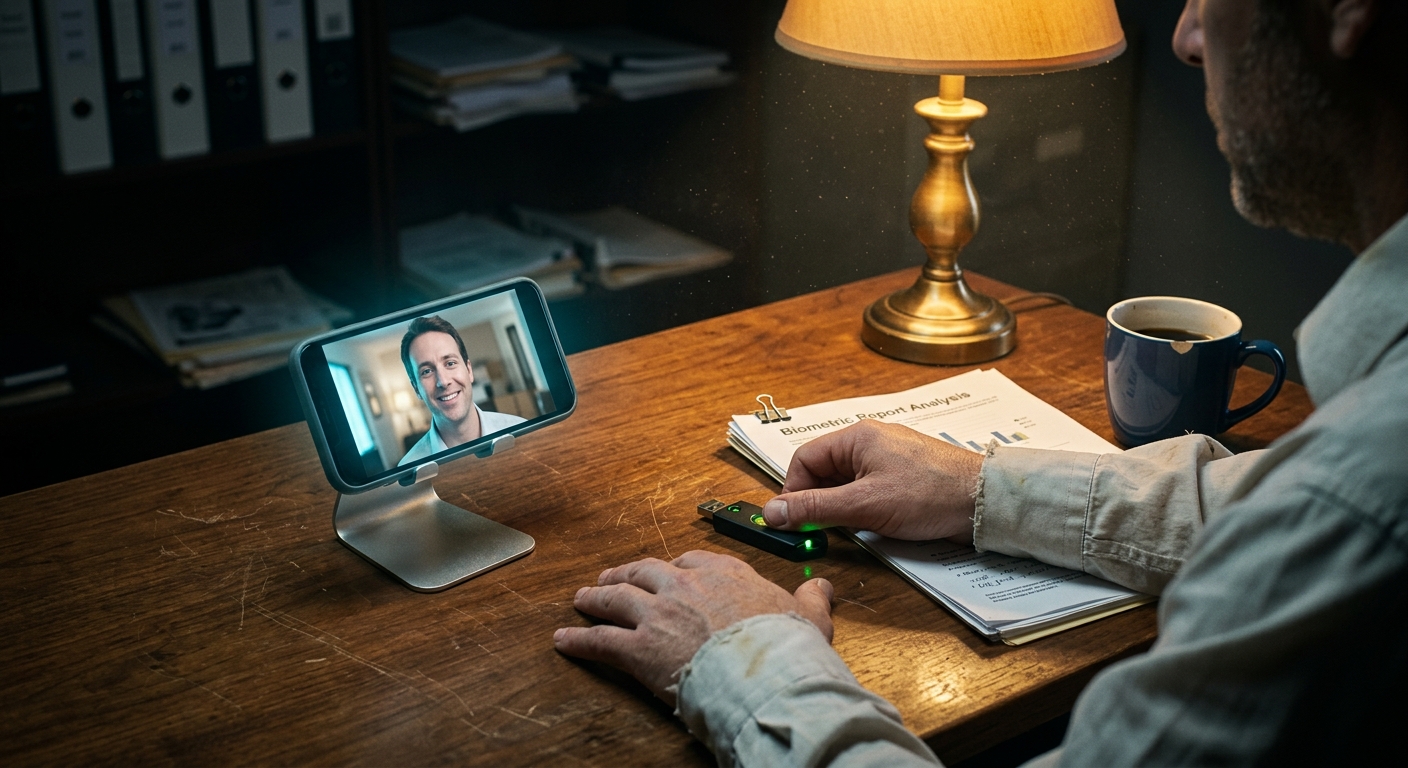
Your eyes are no longer a reliable deepfake detector, and the research proves it. Learn why the new safety habit isn't spotting fakes, it's requiring a second f

After 25 years of deepfake research, the data is blunt: your eyes are basically guessing. Learn why "look for the weird pixels" is bad advice now, and what actu
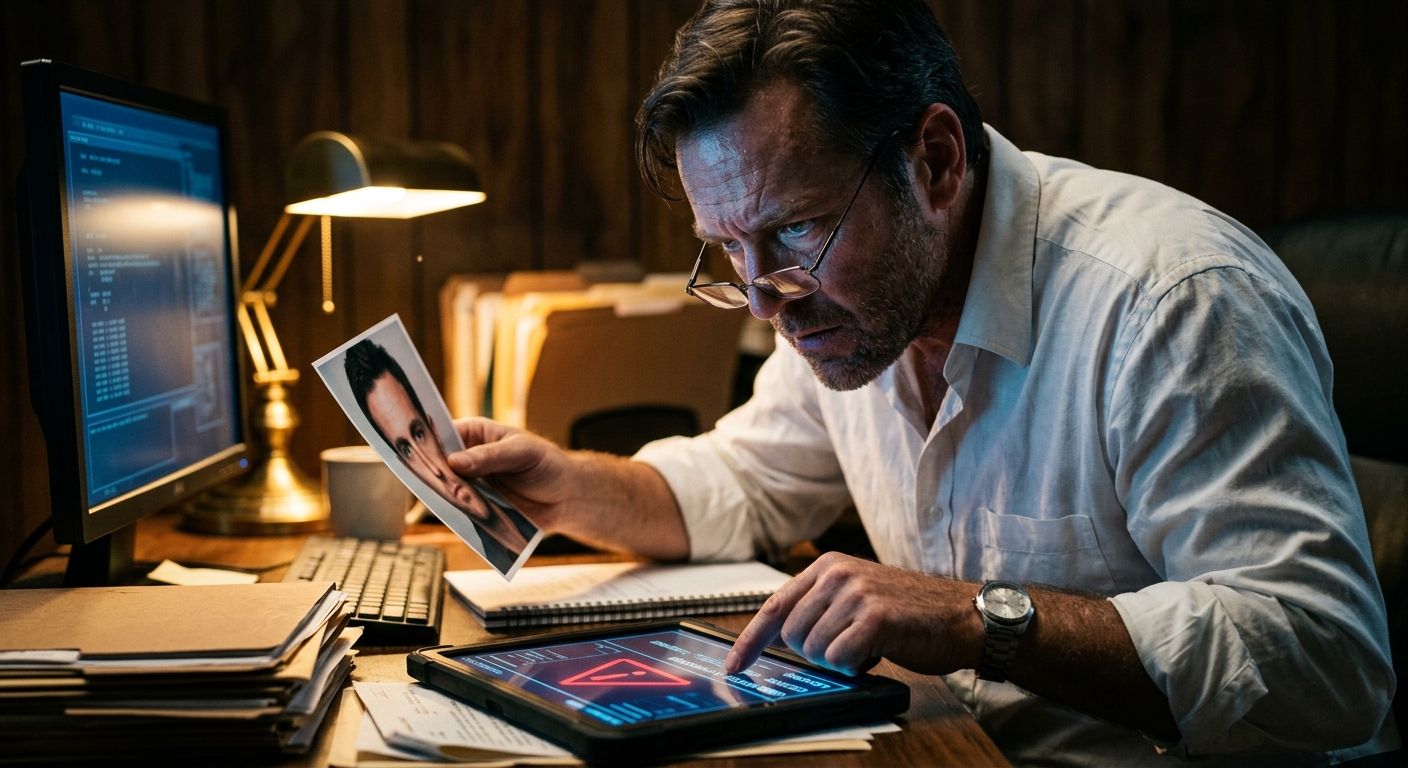
A new EU rule means AI systems will have to raise their hand and say "I was involved", and that one disclosure changes how you should evaluate any decision made
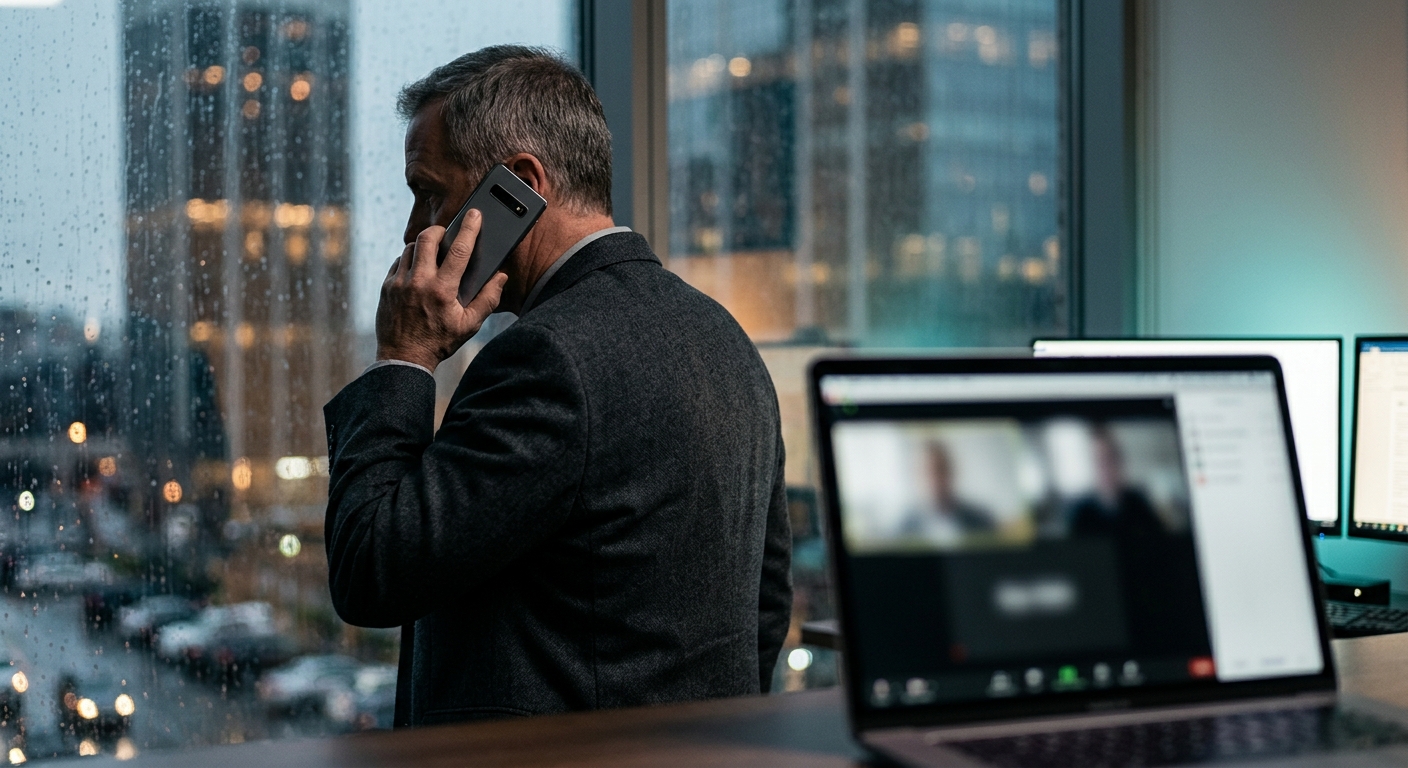
Humans correctly identify deepfake videos only 40% of the time, so "listening harder" is no longer a defense. Learn the one workflow change that stops fake-boss
