In-depth educational content on facial recognition, biometrics, and AI technology.

Most people think AI watermarks are stamps you can see. They're not, and the EU's new law is about to force a complete rethink of how we verify what's real onli

Modern identity systems can now read emotional cues during a verification check, but emotion is a clue, not proof. Learn why that distinction could protect you.
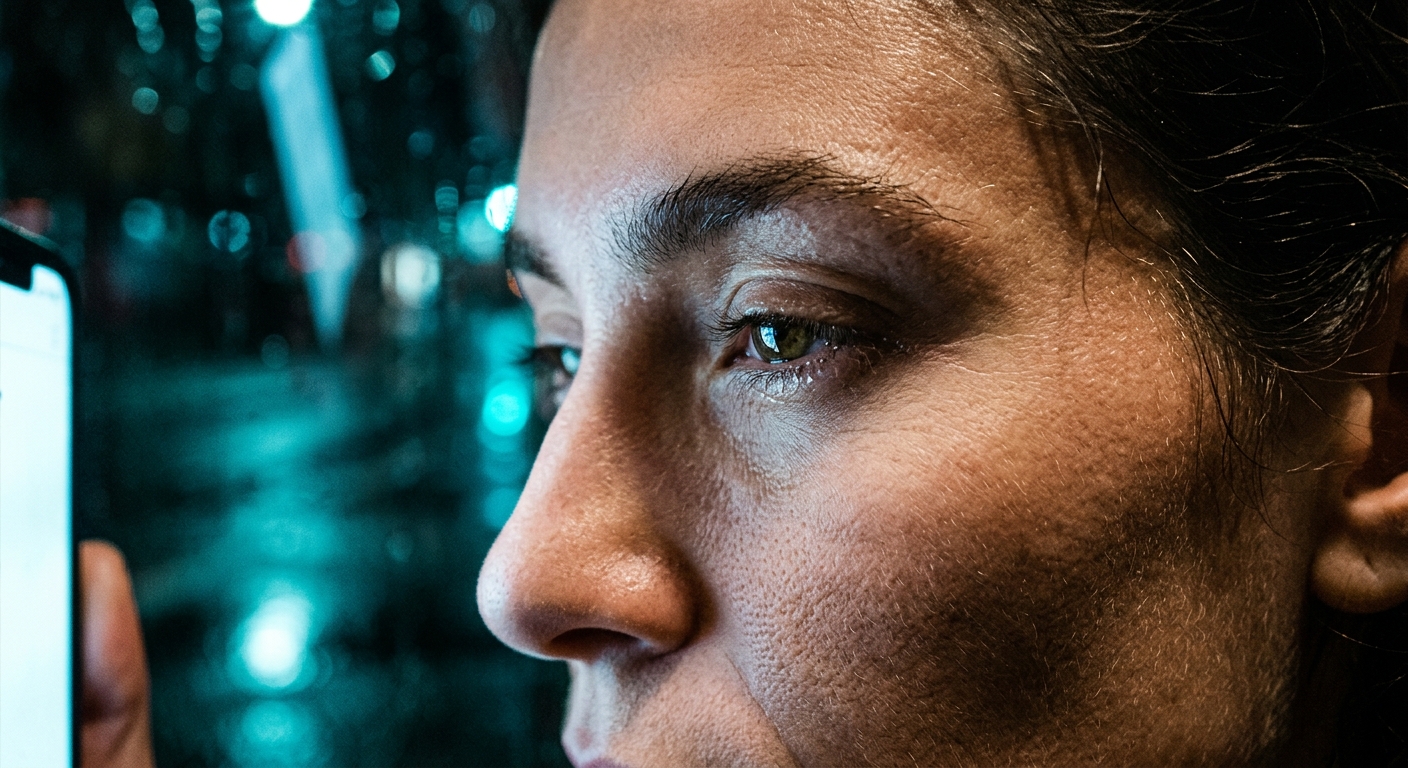
When an app asks you to blink or smile for ID verification, it's not being quirky, it's running a liveness check, a second layer of security that face matching
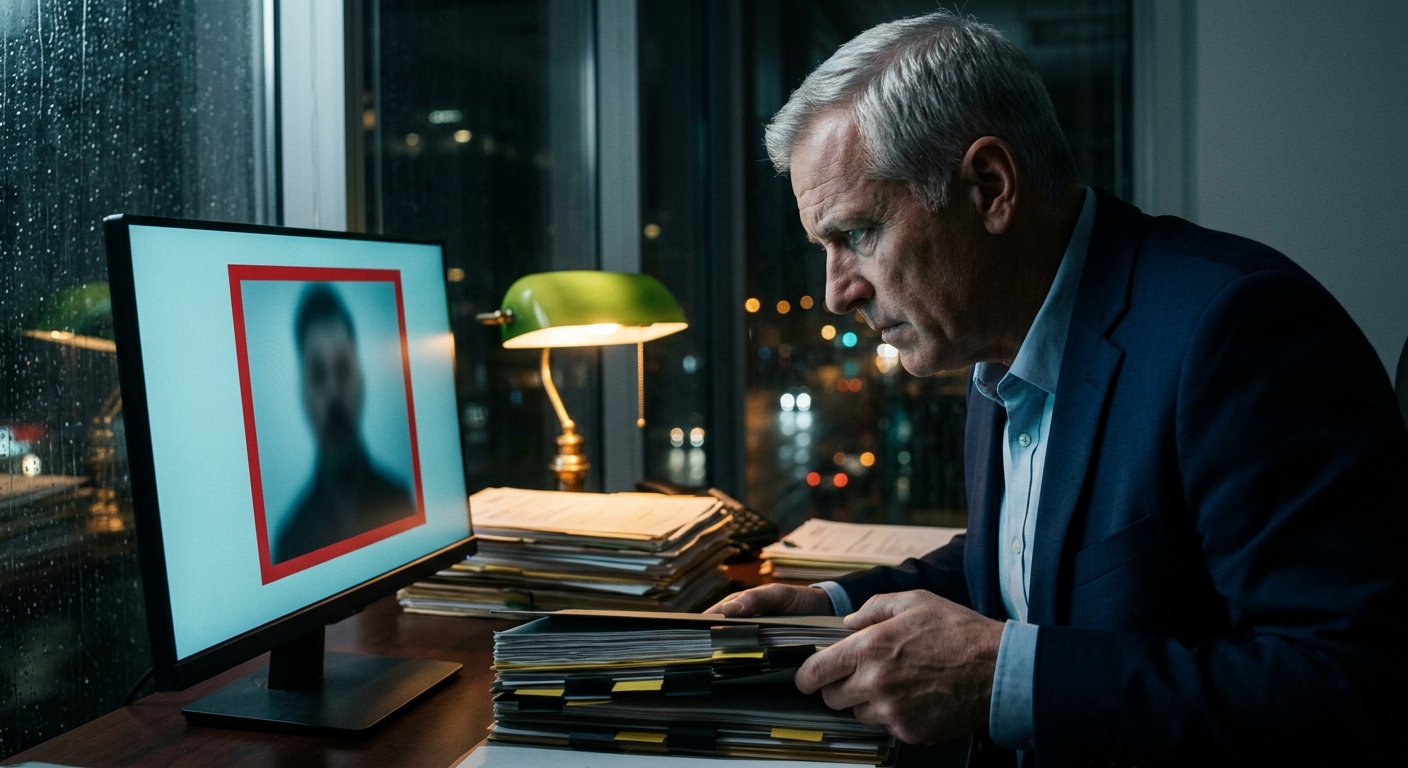
When an AI system wrongly blocks you from an account or service, the real question isn't whether the algorithm made a mistake, it's whether the company can prov
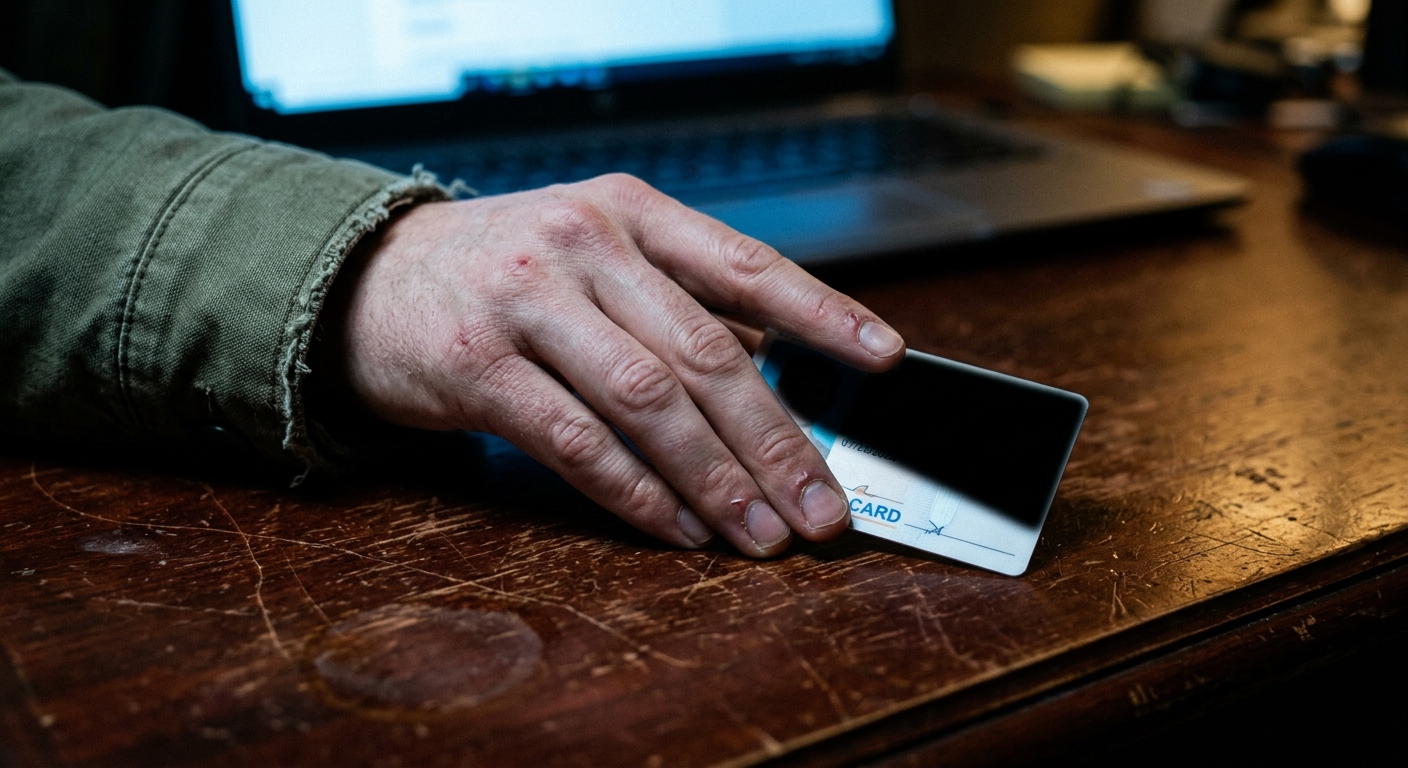
When an app asks you to verify your age, what does it actually keep? Most people assume it's a quick check that disappears. The reality is far more layered, and
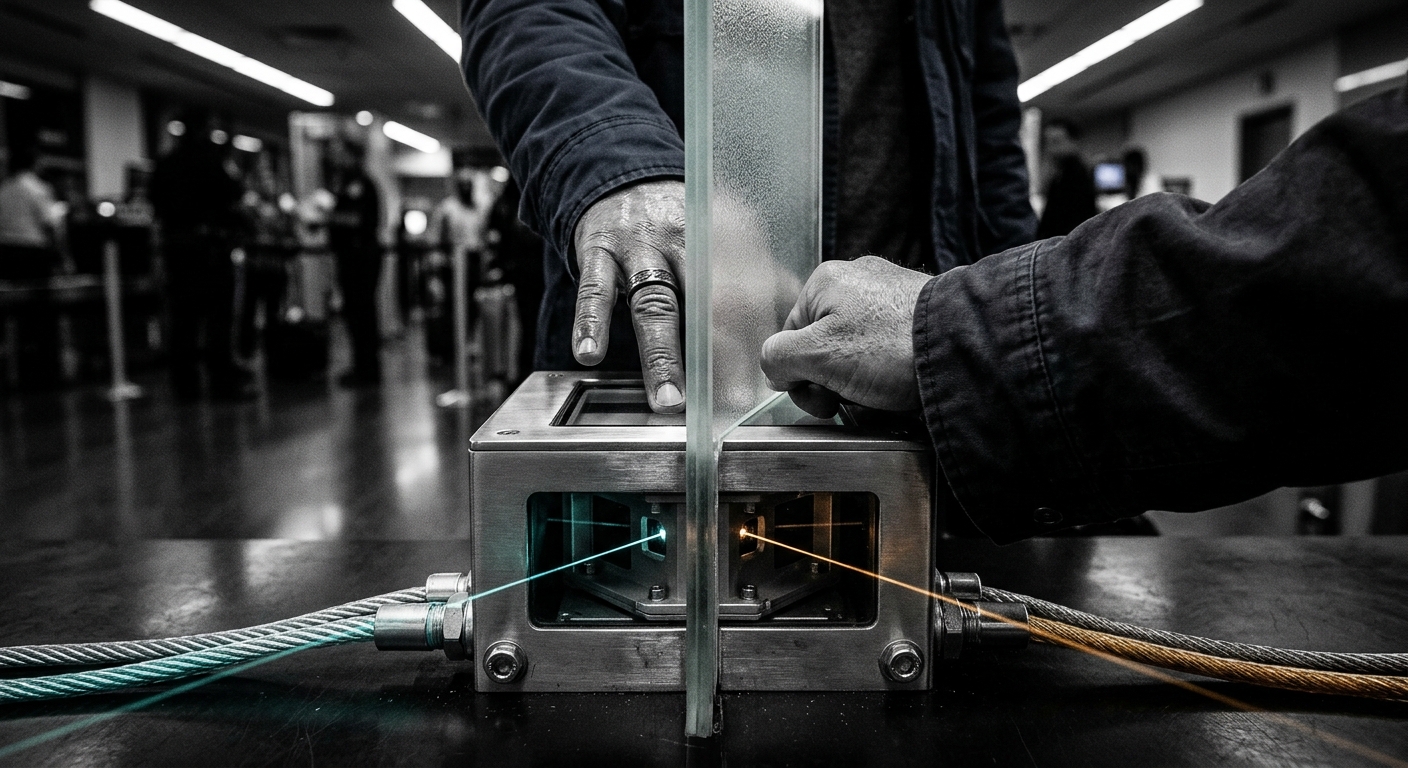
Most people assume a biometric check means someone gets a copy of your face or fingerprint. New quantum-secured research proves that's not how it has to work, a
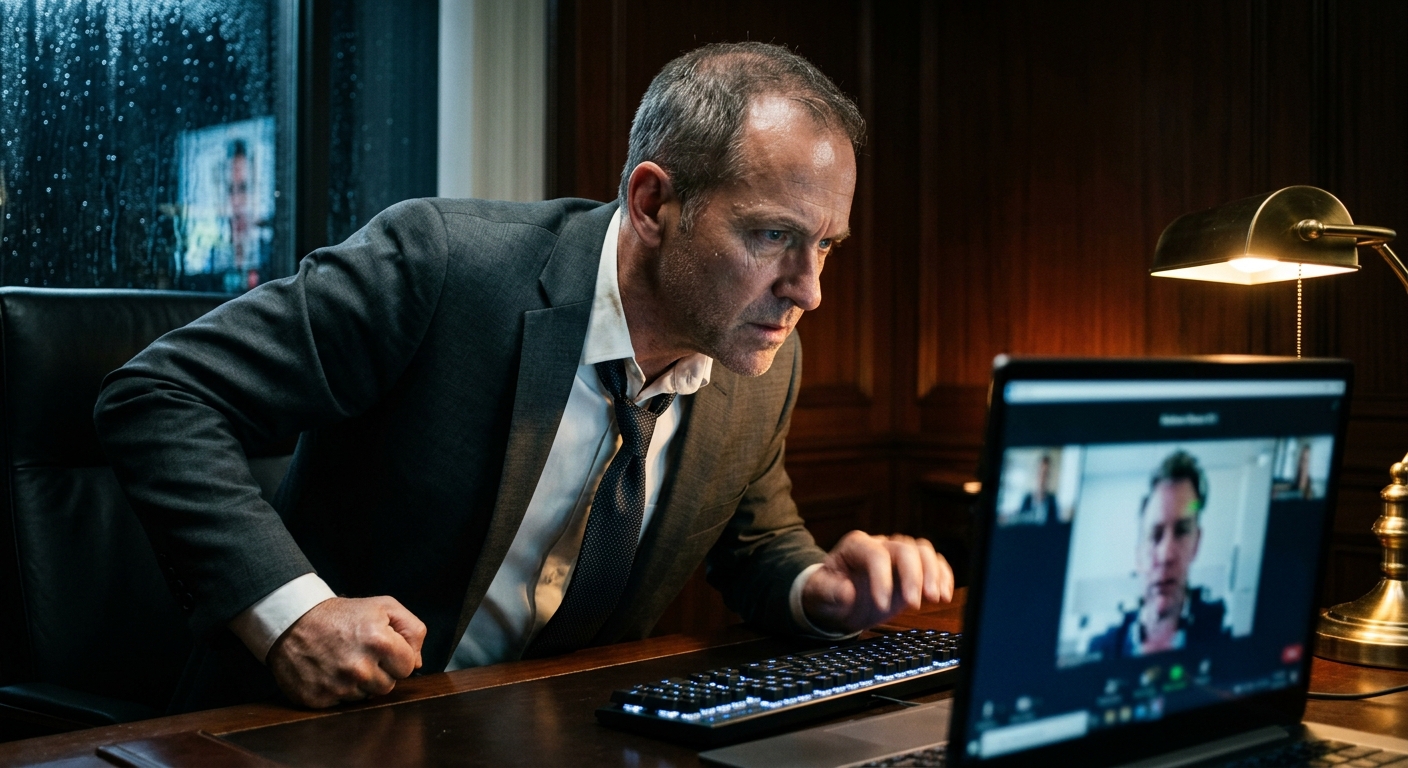
Most people think deepfakes only work if they look flawless. The truth is scarier and simpler: a blurry 10-second clip can cost you $25 million if it makes you
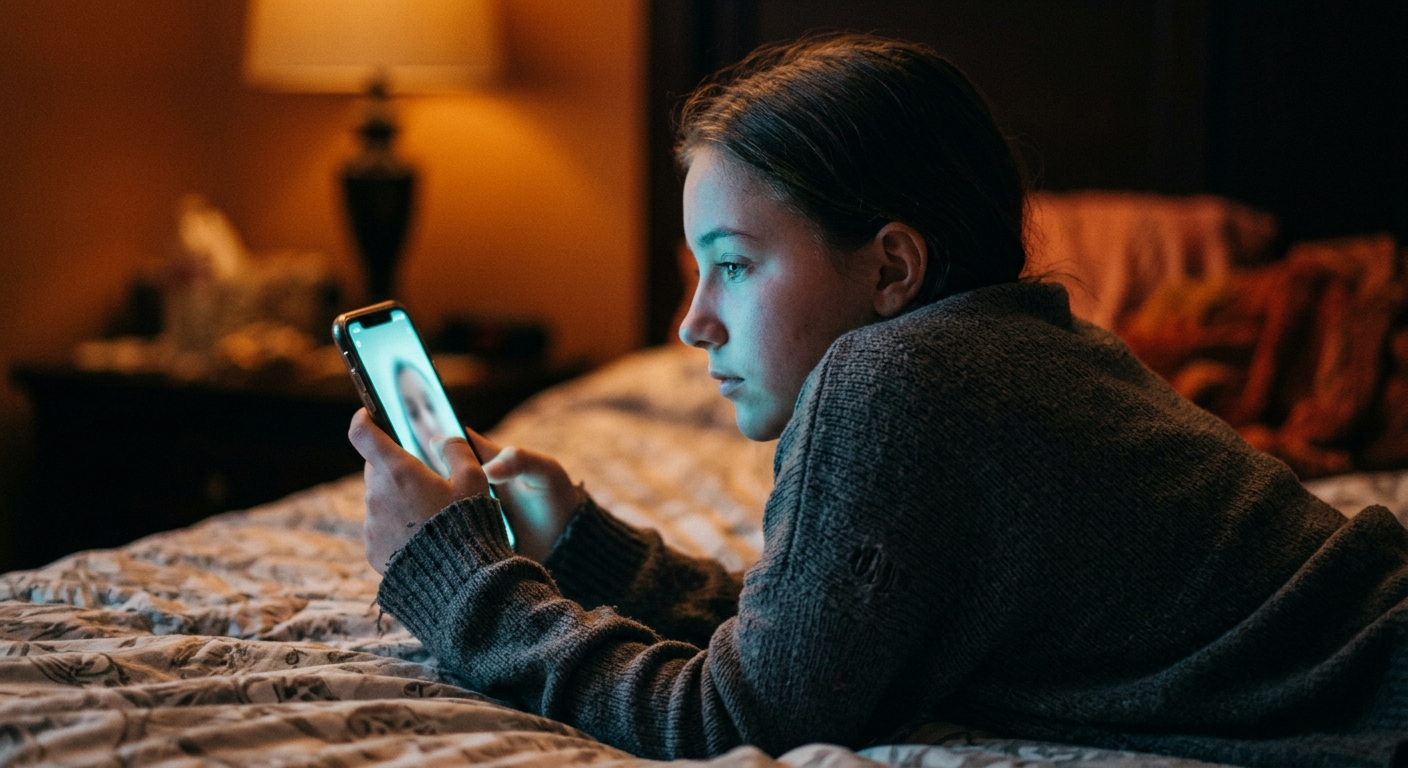
You think spotting a deepfake is about noticing weird eyes or bad hands. It's not. Your brain runs a 3-part credibility check before you consciously see anythin
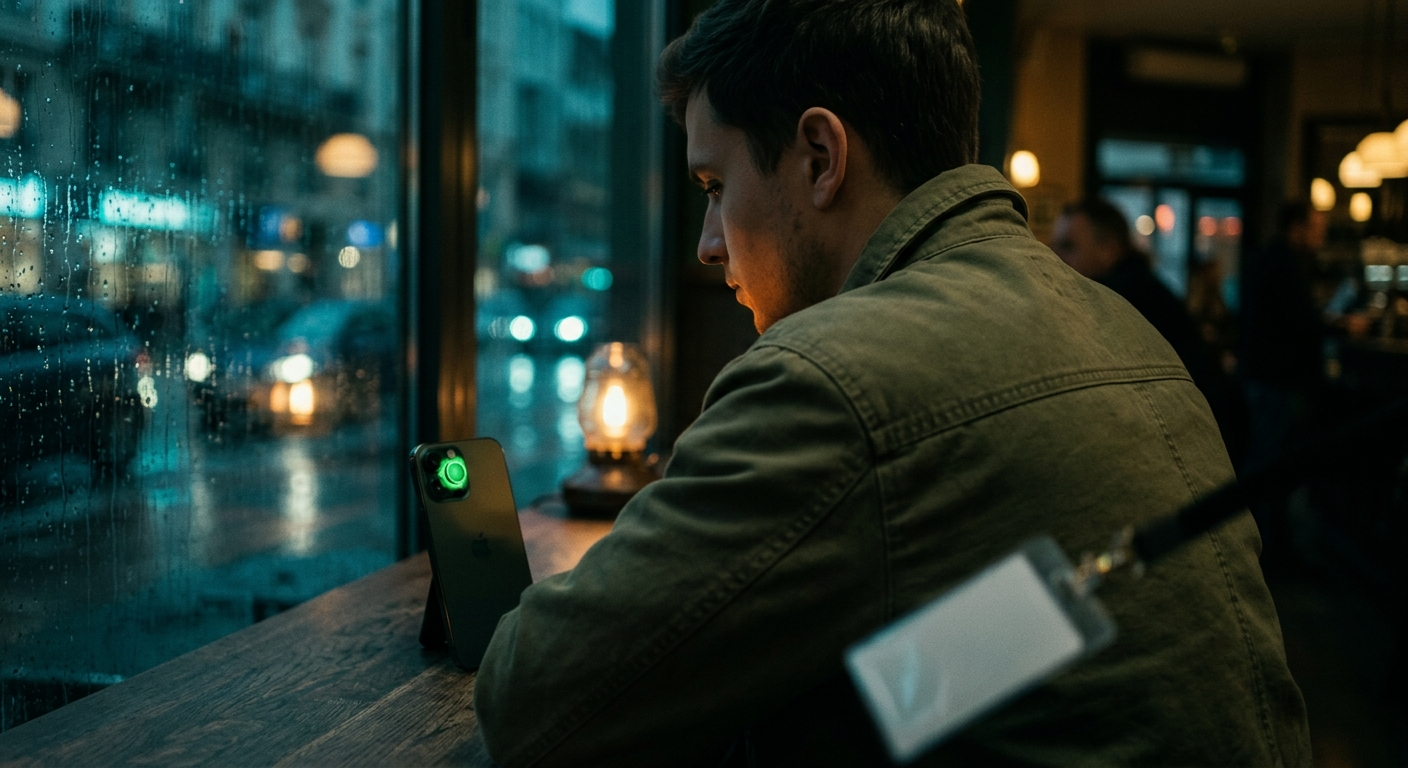
When an app asks to verify your age, the safest version should confirm "yes or no" and immediately destroy your face scan or ID document. Here's how that actual
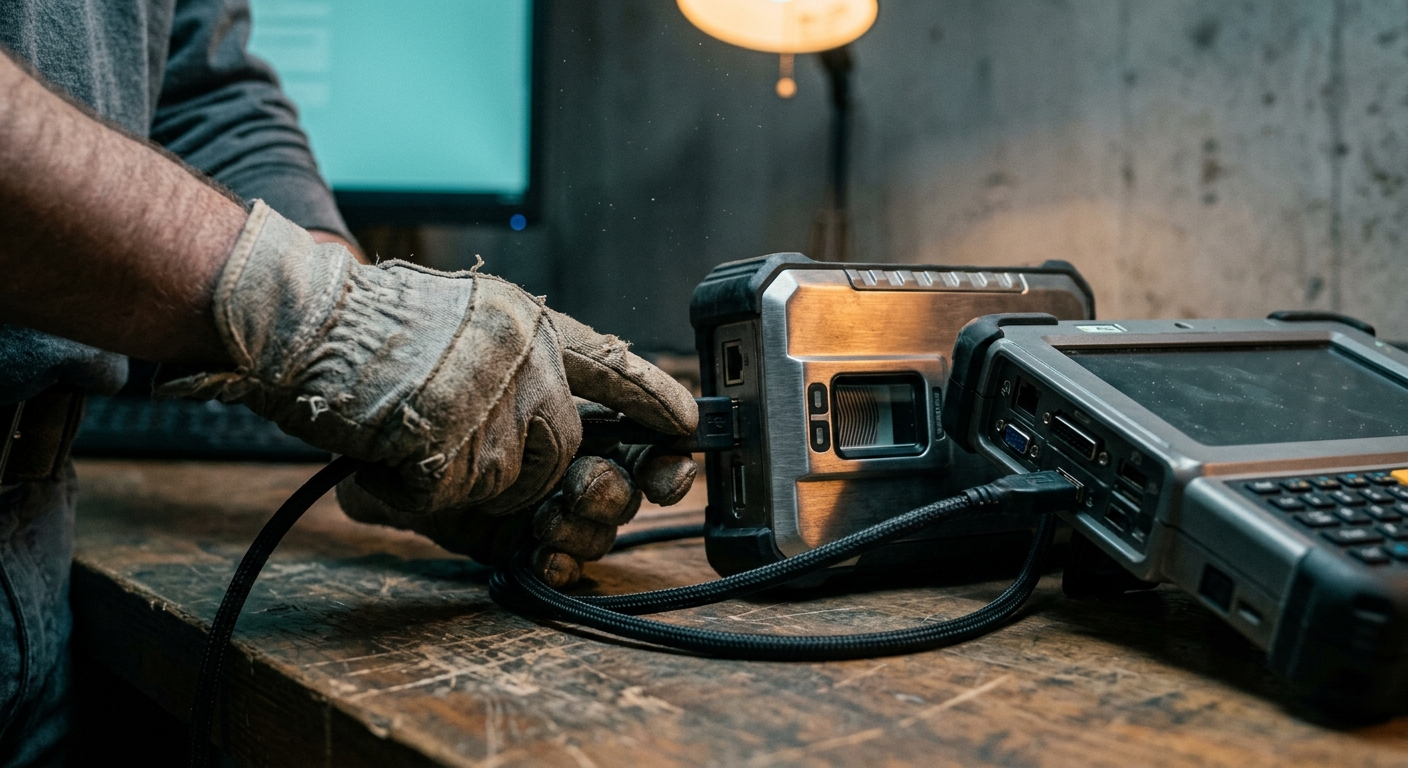
Most people picture digital ID as one big database. It's not. There are at least four separate systems that touch your identity before you're ever verified, and
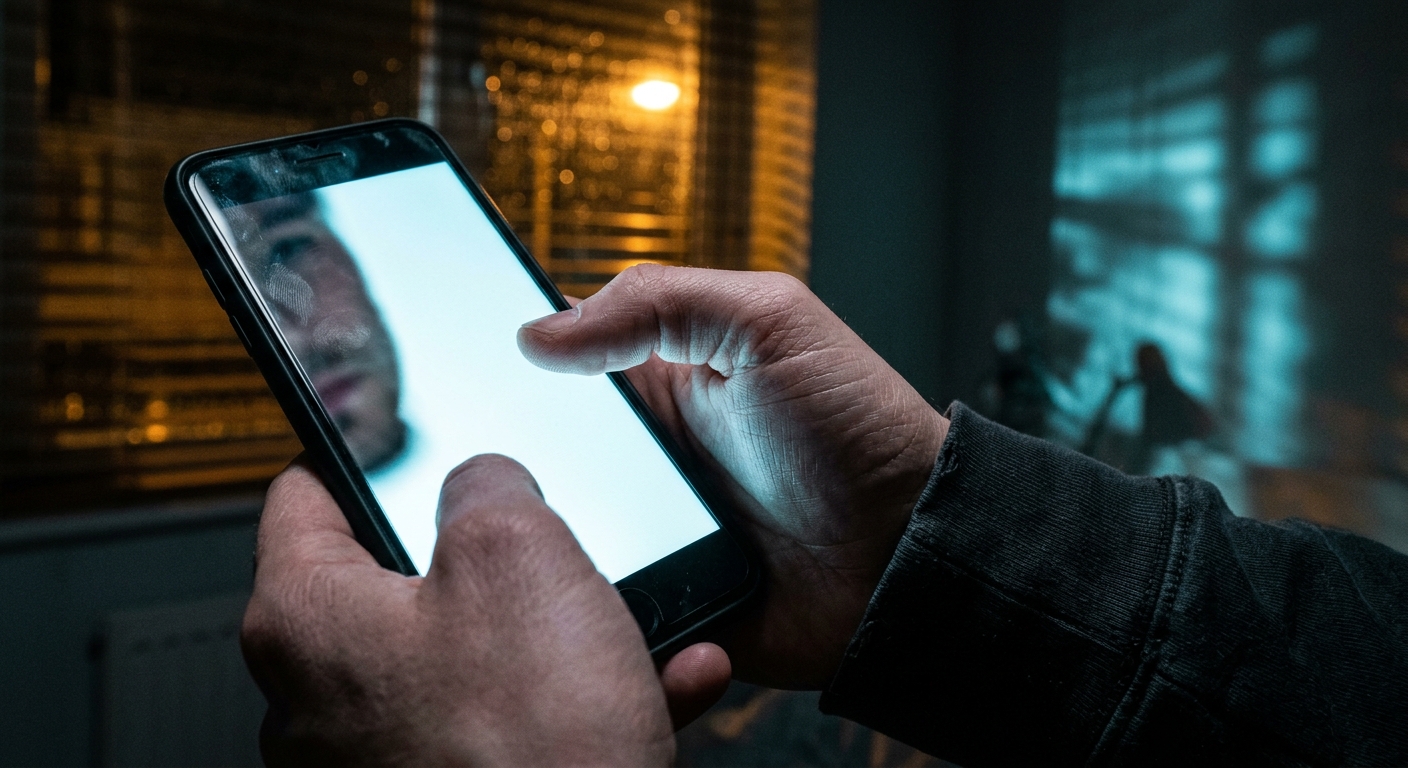
Taking a selfie for your bank app feels like one quick step. But behind the scenes, safer systems are running three separate checks you never see, and understan
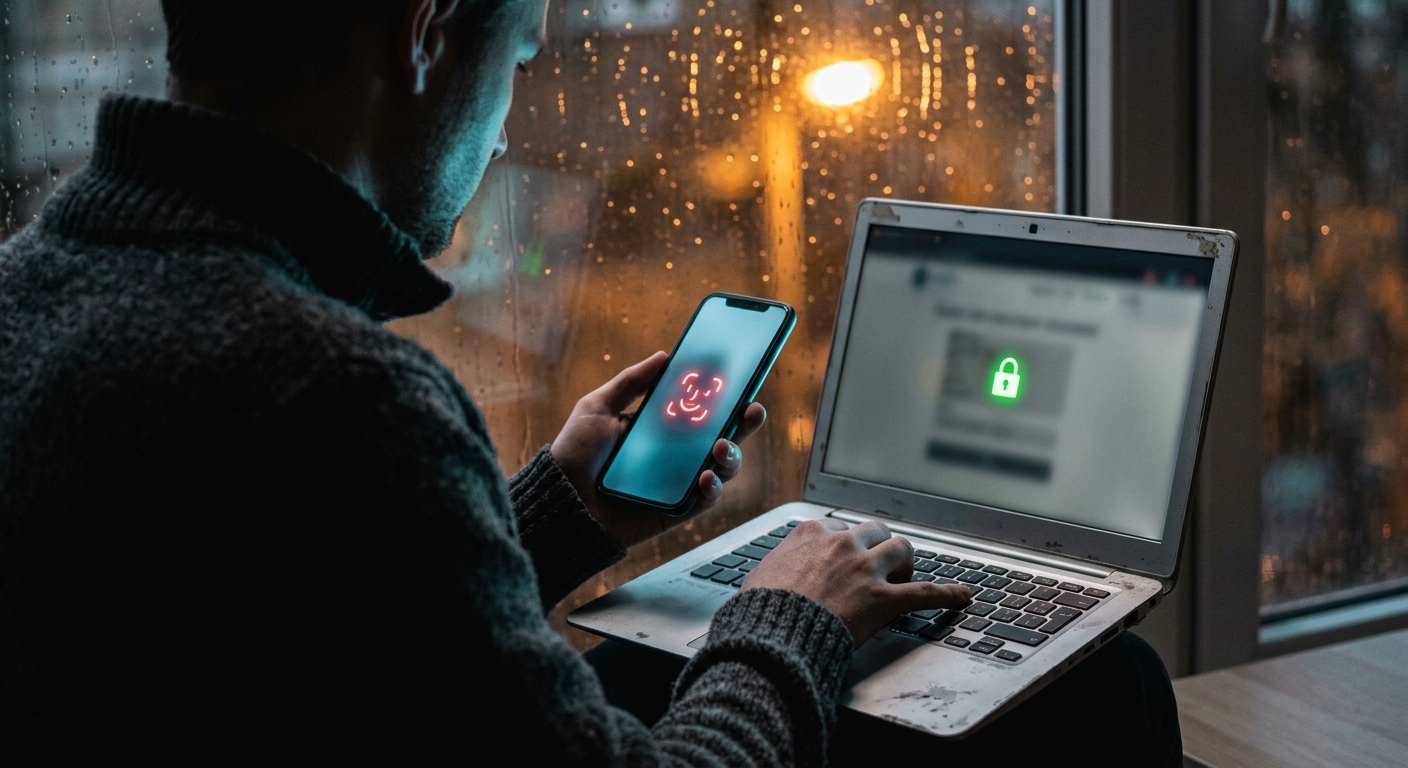
Most people think a biometric lock makes their digital ID wallet bulletproof. The real vulnerability isn't the face scan, it's what happens when that scan fails
