In-depth educational content on facial recognition, biometrics, and AI technology.
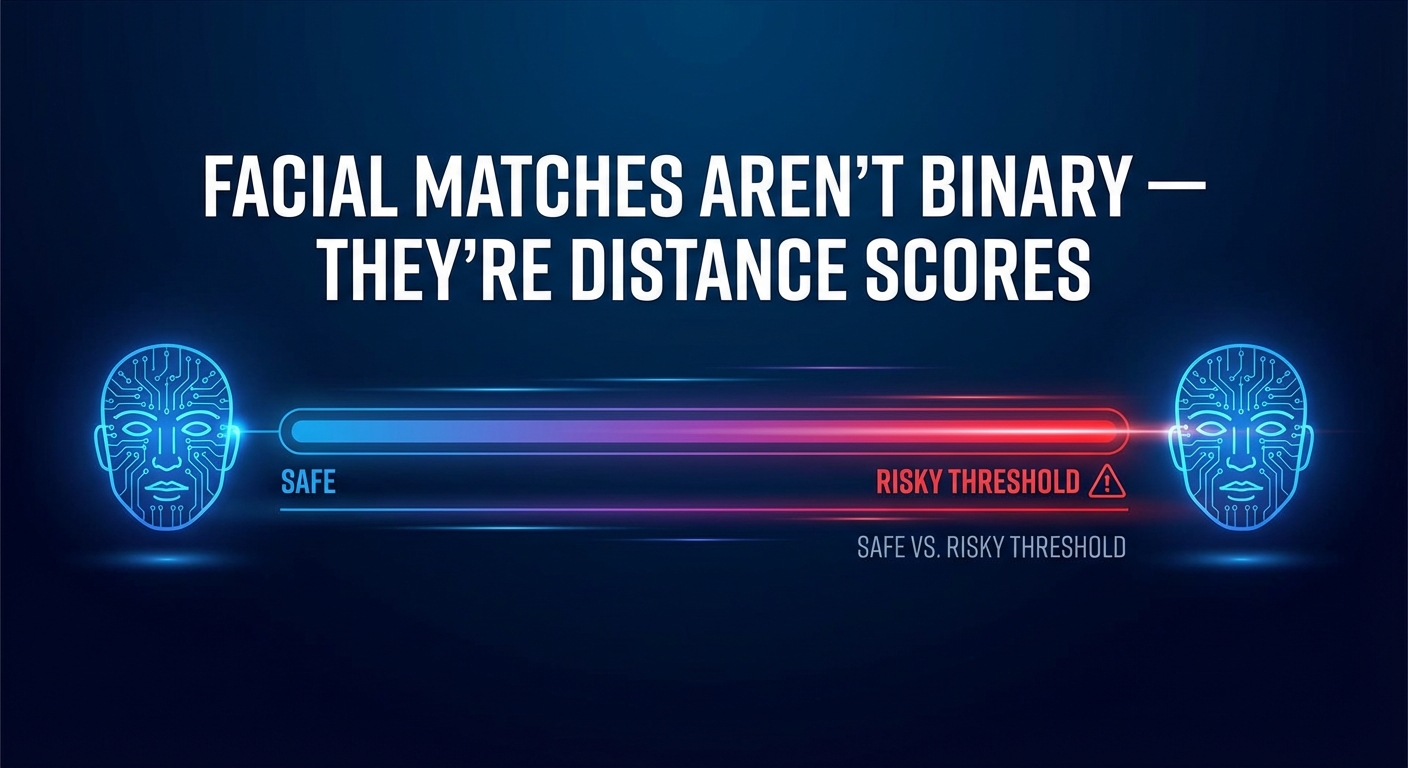
Most people think a facial match is binary. It's not. Behind every "yes" is a hidden distance score, and where you draw the threshold line changes everything. H
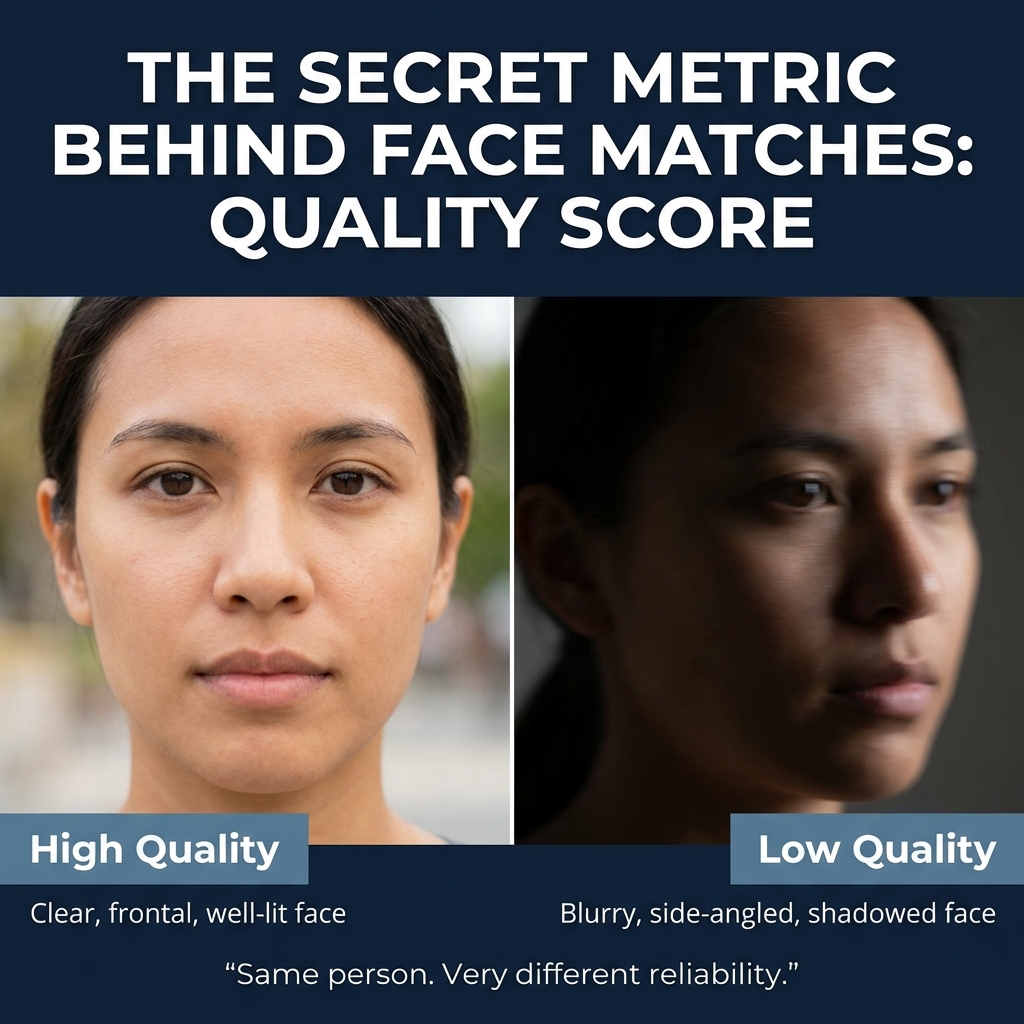
Most investigators blame the algorithm when a face match looks off. The real culprit is something almost no one measures: face quality. Here's what that actuall
You think you're good at matching faces. Science says you're wrong about 4 times out of 10. Here's why the human brain is genuinely terrible at unfamiliar face
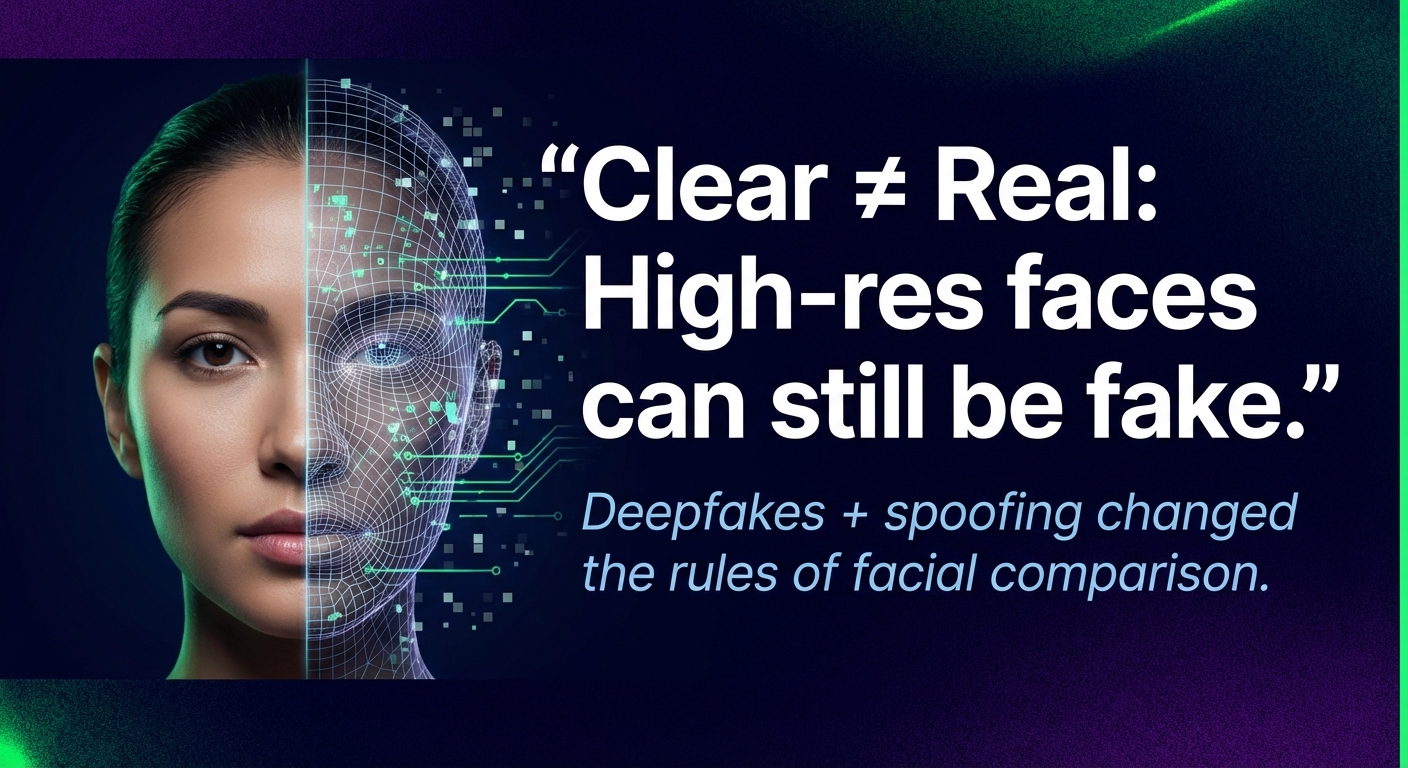
The most dangerous myth in modern facial investigation? That a clear, high-res face is a reliable one. Deepfakes and presentation attacks have completely change
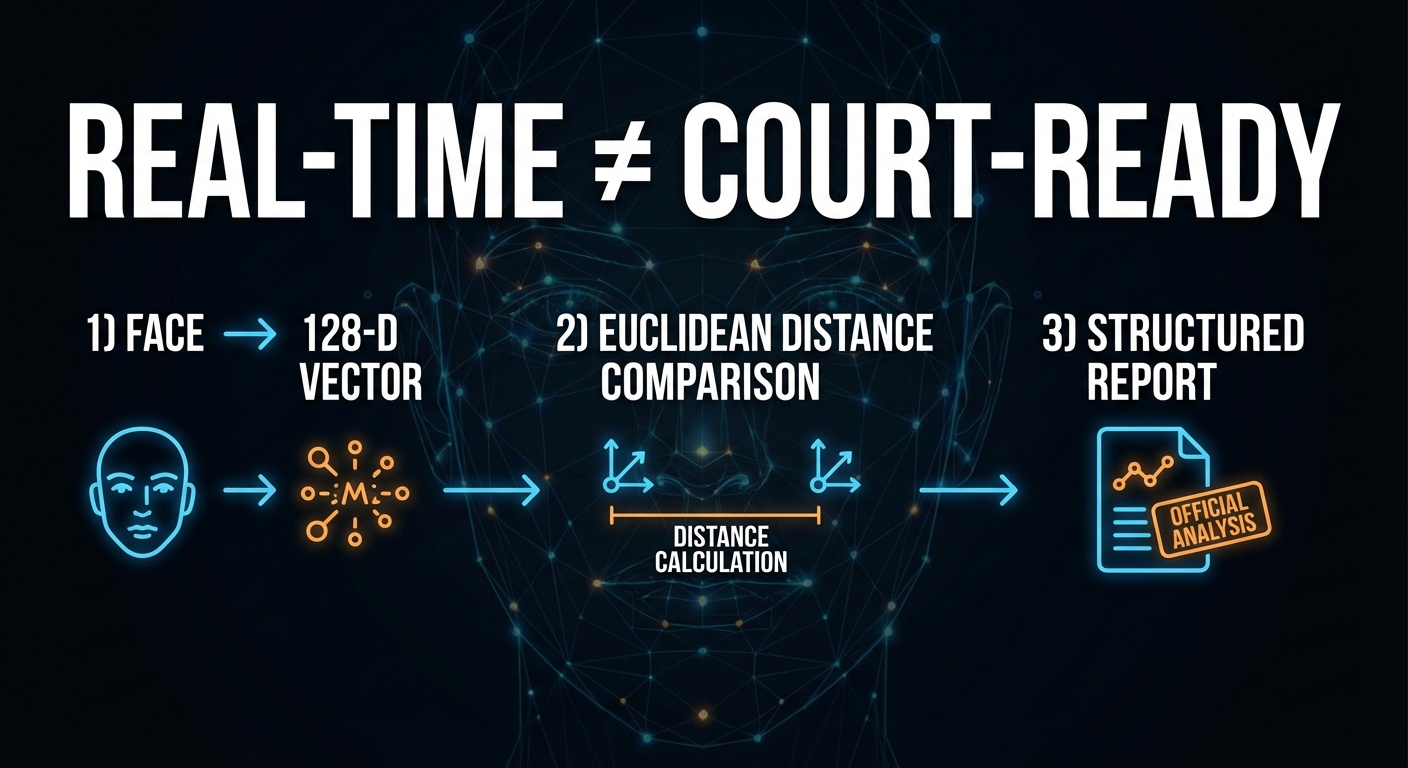
A Raspberry Pi can now run real-time face ID, age estimation, and ethnicity classification simultaneously, but that's nowhere near what court-ready facial compa
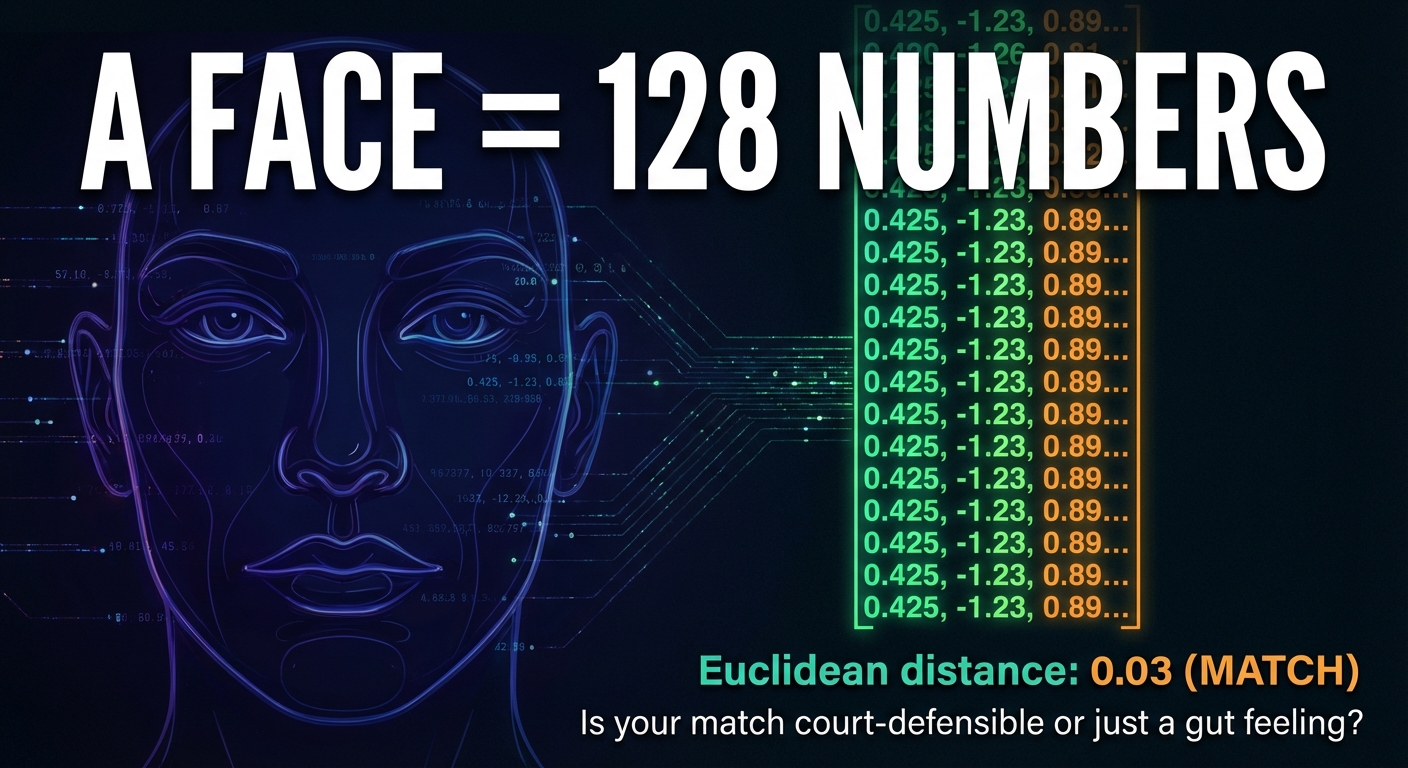
Your brain takes seconds to "feel" if two faces match. A deep neural network does it in under 200ms, by turning your face into 128 numbers and measuring the dis
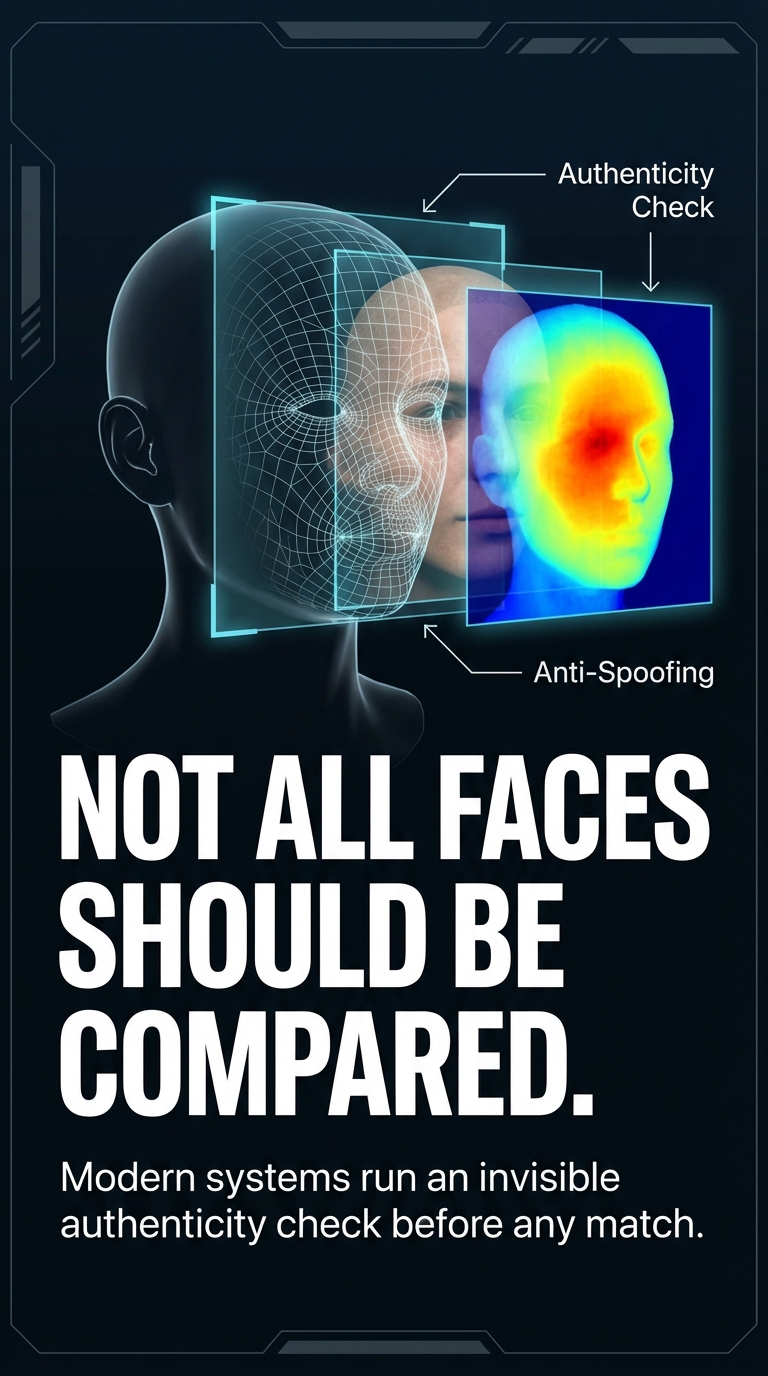
Most people think facial recognition starts when two faces are compared. It doesn't. Before a single feature is measured, a hidden forensic system is already de
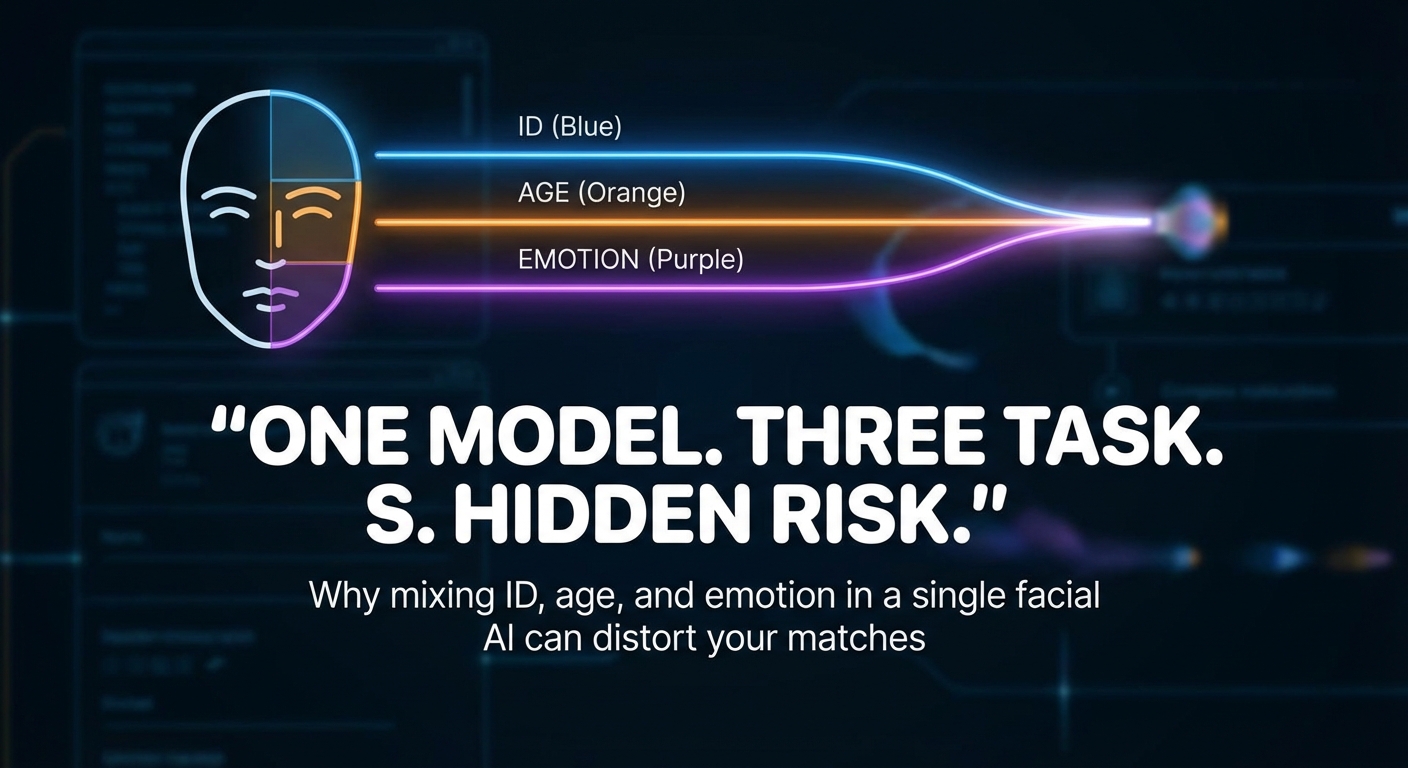
A single neural network can now identify a face, estimate age, and classify emotion in one shot. Here's why that efficiency is quietly dangerous for anyone who
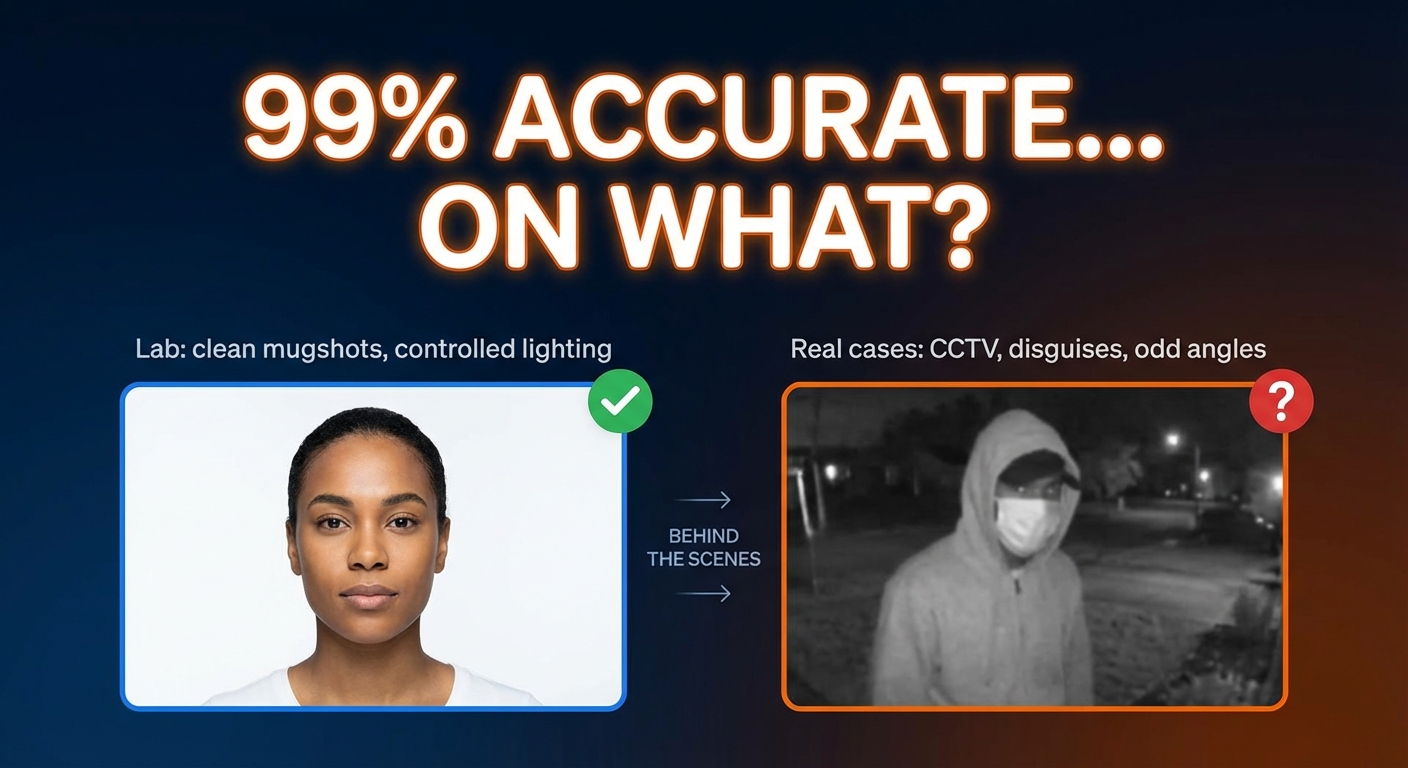
That "#1 accuracy" claim your vendor is making? It was probably earned on passport-quality photos in a controlled lab. Here's what the number actually means, an
Facial recognition vendors love to cite benchmark accuracy scores. But for investigators, those numbers can be dangerously misleading, here's what to ask instea
