Expert commentary on facial recognition, biometrics, and AI technology.
Facial recognition breakthroughs, OSINT strategies, and investigation technology — delivered to your inbox every morning.
No spam. Unsubscribe anytime. We respect your inbox.
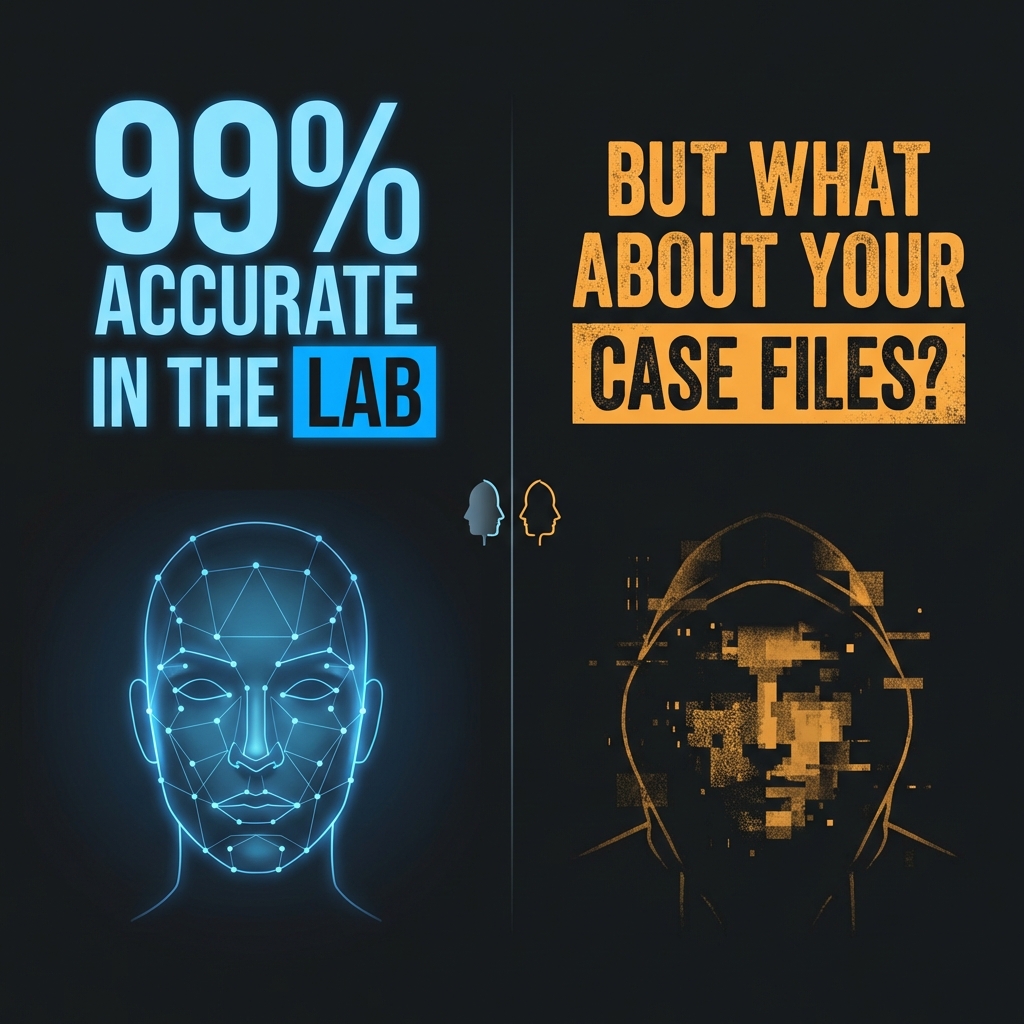
NEC, Regula, and Idemia all had strong NIST benchmark showings this week. Great news, with one very important asterisk that most headlines buried completely.
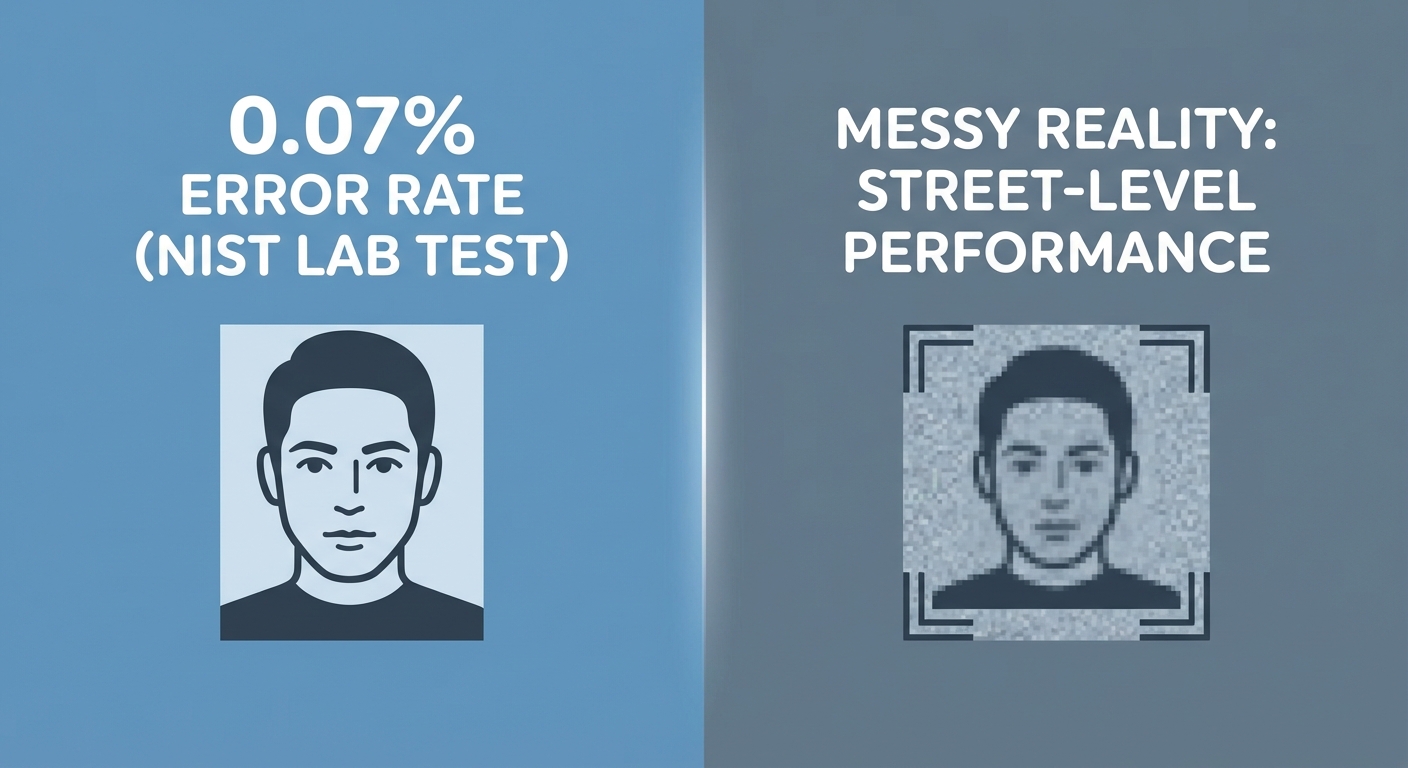
Facial recognition just hit a 0.07% error rate in NIST lab testing. But new academic research shows those same systems stumble the moment conditions get messy.
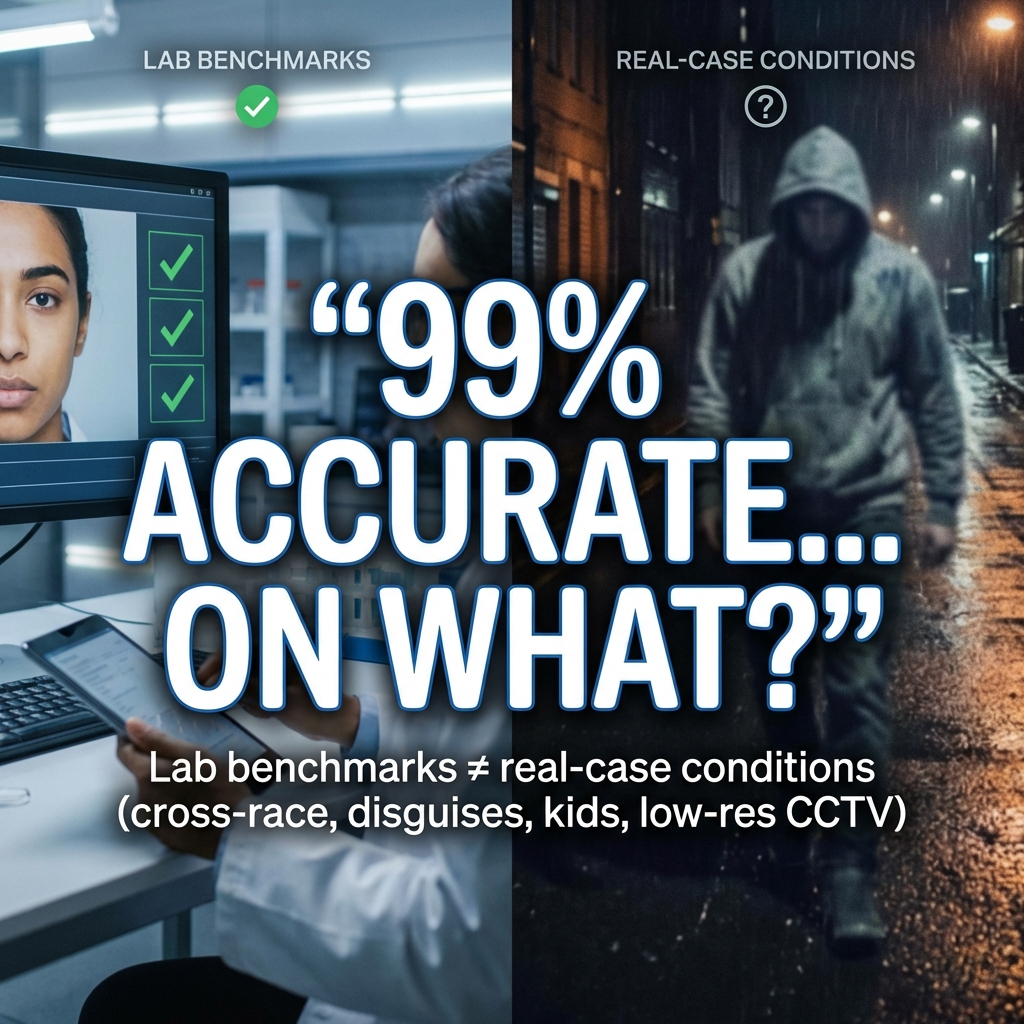
Facial recognition algorithms post stunning lab scores, then stumble on real cases. Here's the gap between benchmark performance and street-level reality that e
Facial recognition can ace NIST lab tests and still fail on real surveillance footage. Understanding the gap between benchmark accuracy and operational accuracy
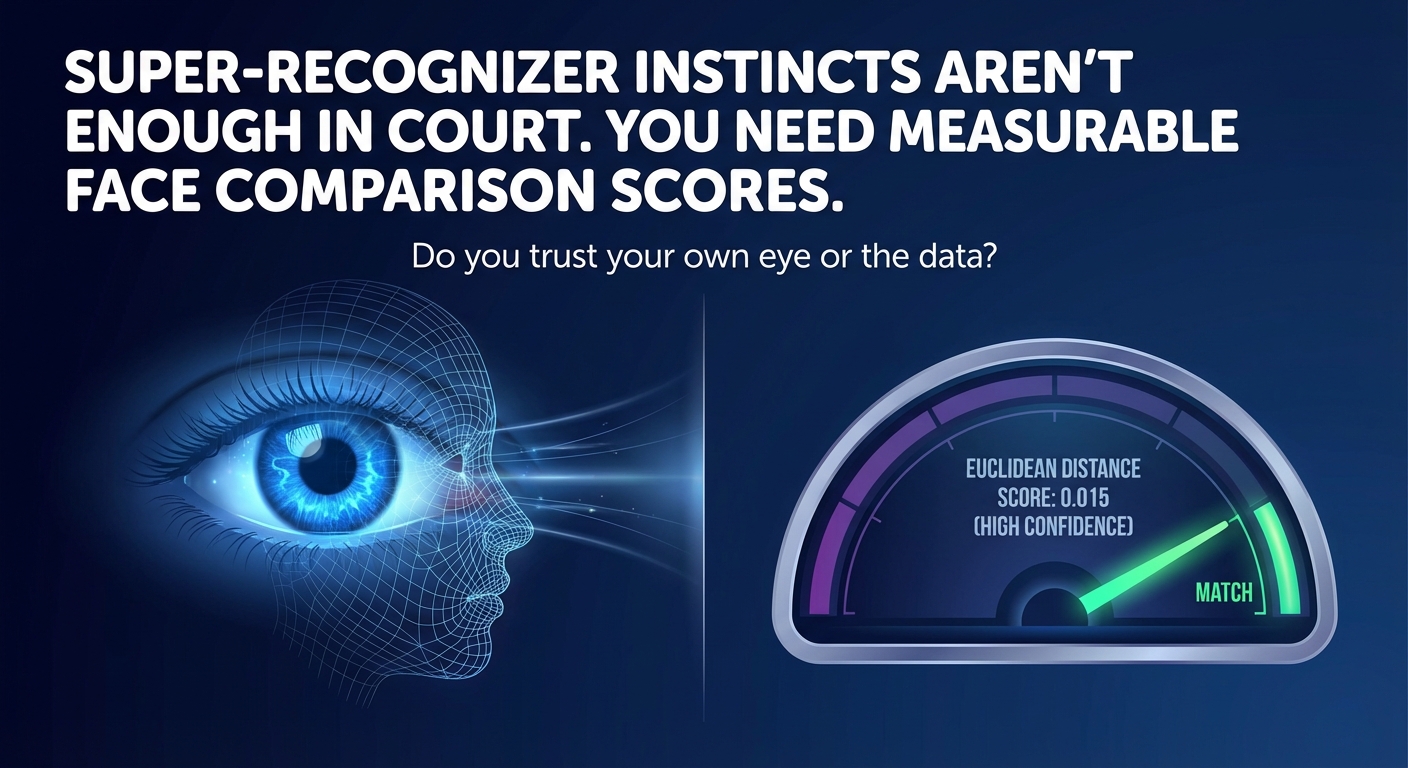
A small percentage of people genuinely see faces better than the rest of us, science now explains why. But in professional casework, instinct without measurable
Your brain wasn't built to match unfamiliar faces, it was built to recognize familiar ones. Those are completely different cognitive tasks, and the difference c
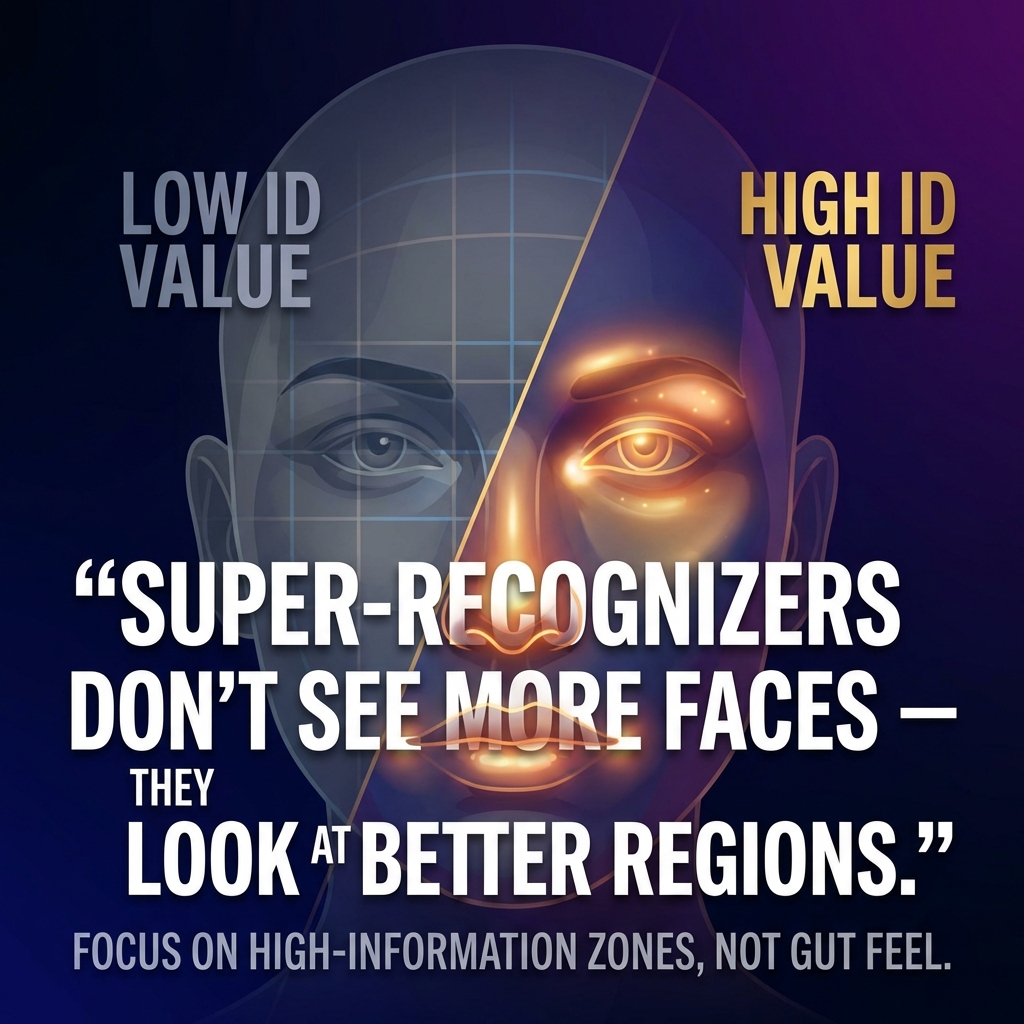
New AI research on super-recognizers reveals they don't see more faces, they look at better regions. Here's what that means for anyone comparing faces professio
Think having a great eye for faces protects you from AI fakes? New research says the opposite is true, and the reason why will change how you approach every ID
Investigators with 20 years on the job are no better at spotting AI-generated faces than rookies. New research reveals the one surprising skill that actually pr
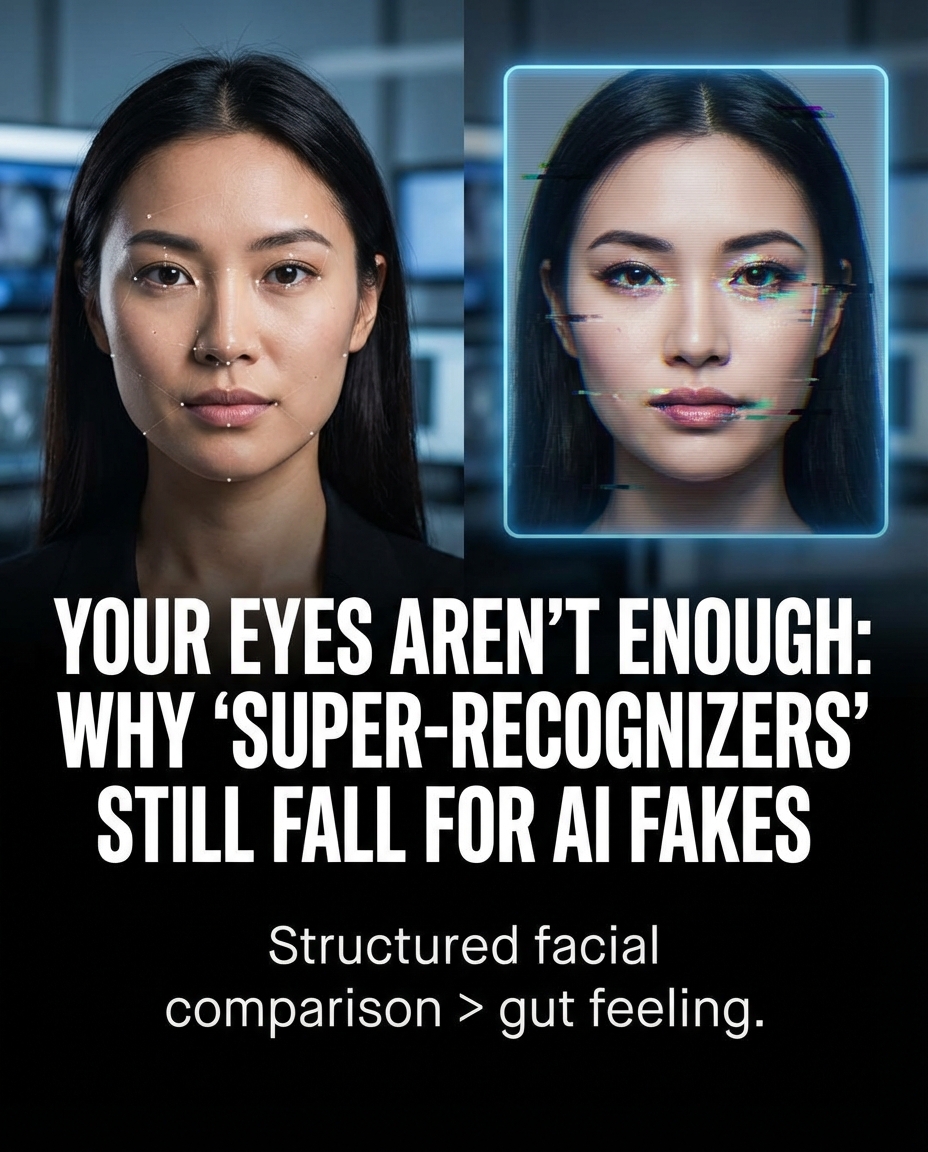
The investigators most confident in their face-matching skills are often the easiest to fool by AI-generated fakes. Here's why structured comparison beats natur
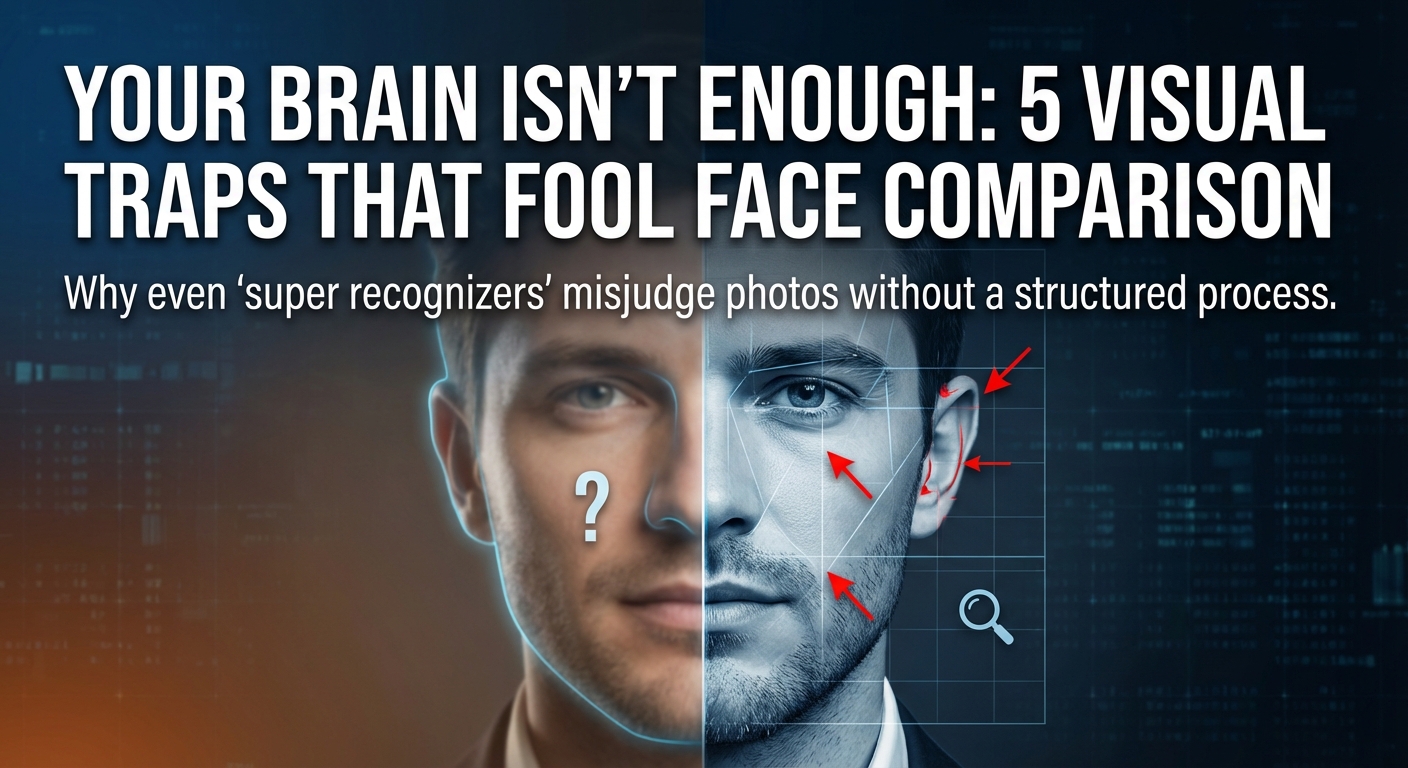
Being exceptional at remembering faces doesn't protect you from misidentifying AI-generated ones. New research reveals why the sharpest investigators fall for v
Airports, employers, and social platforms are all moving to face-based identity. For investigators who work with images every day, that raises a question nobody
