Expert commentary on facial recognition, biometrics, and AI technology.
Facial recognition breakthroughs, OSINT strategies, and investigation technology — delivered to your inbox every morning.
No spam. Unsubscribe anytime. We respect your inbox.
Government facial recognition is expanding fast, airports, borders, rail systems. But the same week TSA pushed further into biometrics, researchers found nearly
From airport face scans to immigration apps that can't verify identities, this week made one thing clear: governments are rolling out facial recognition faster
TSA checkpoints, ICE field apps, Japanese bullet train gates, facial comparison is becoming travel infrastructure. The problem? Internal records show it often c
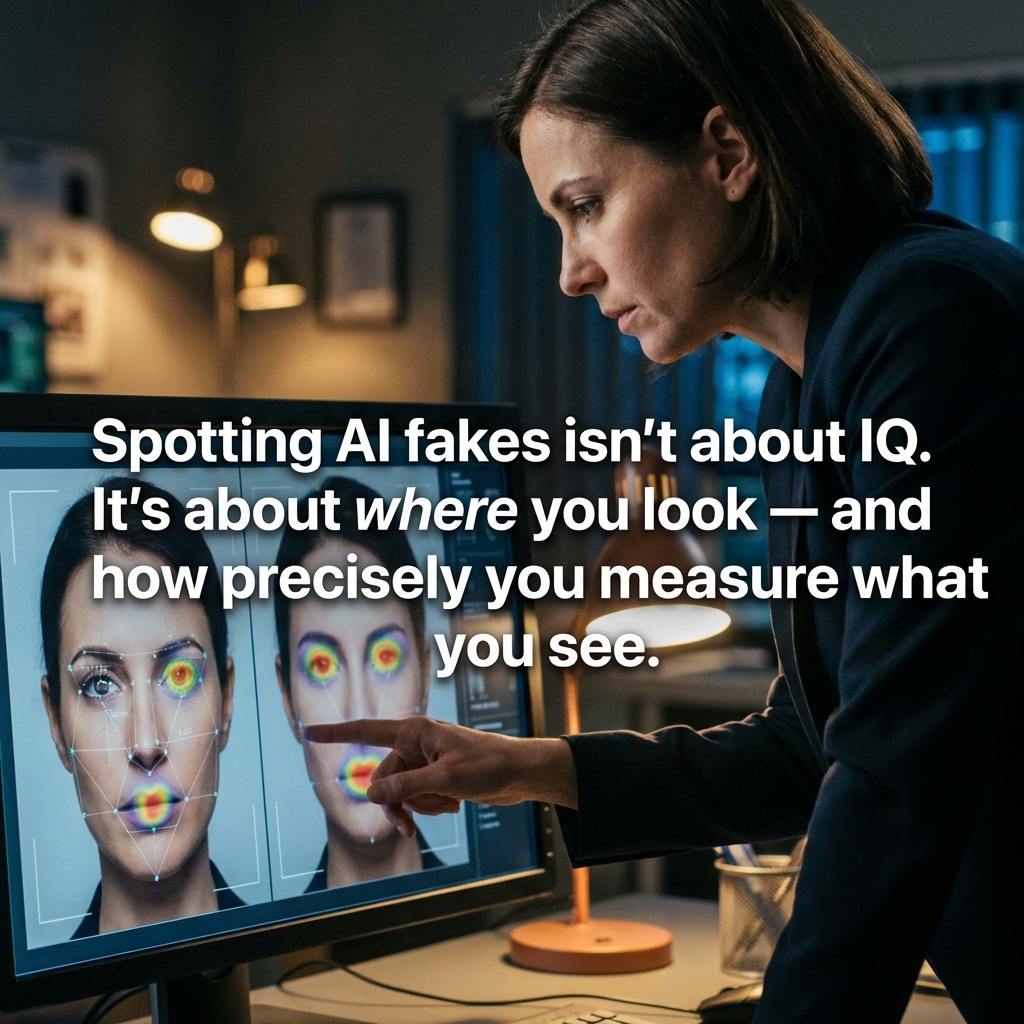
Two investigators look at the same AI-generated face. One spots the fake in seconds. The difference isn't intelligence, it's where they look and how precisely t

From Discord identity checks to TSA lanes to Japanese bullet trains, facial recognition became everyday infrastructure this week. Investigators who aren't payin
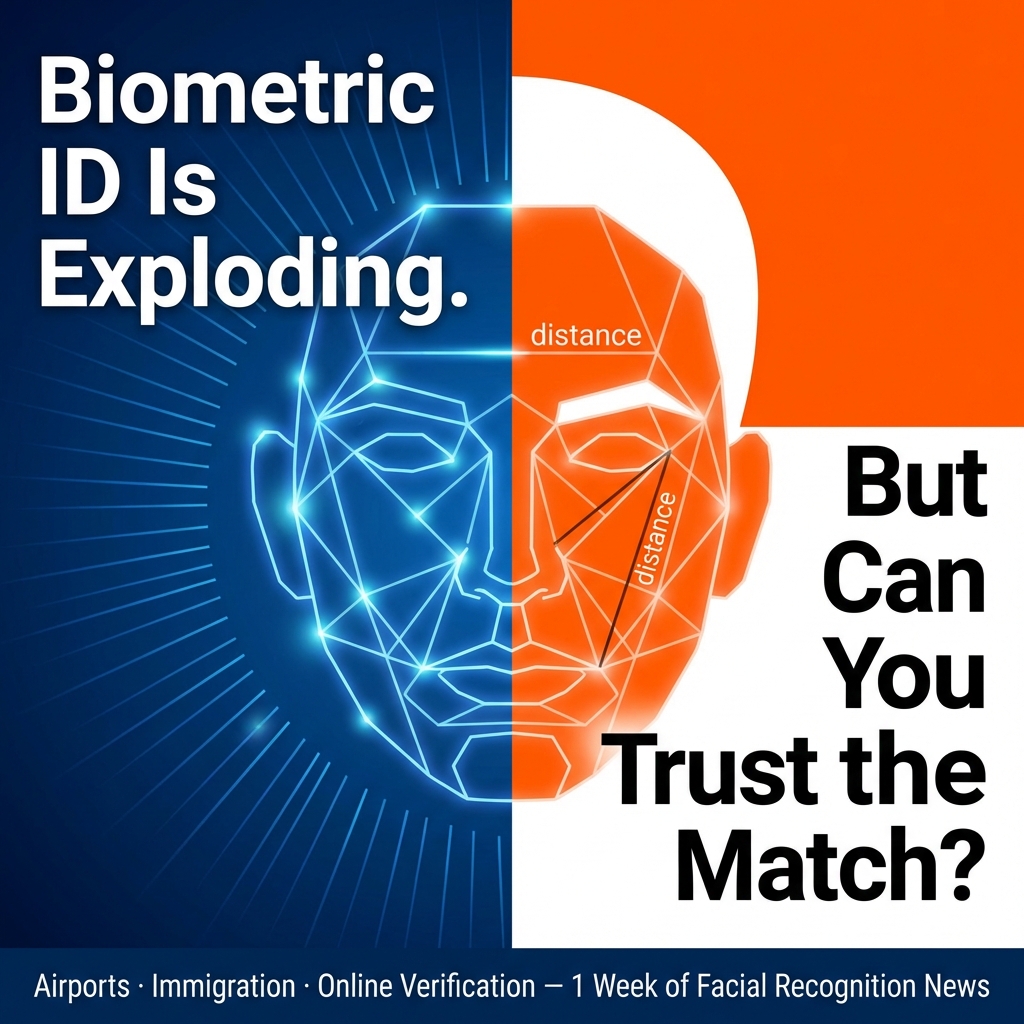
From TSA pilots in Las Vegas to an ICE app that can't actually verify identities, this week's facial recognition news is a masterclass in the gap between deploy
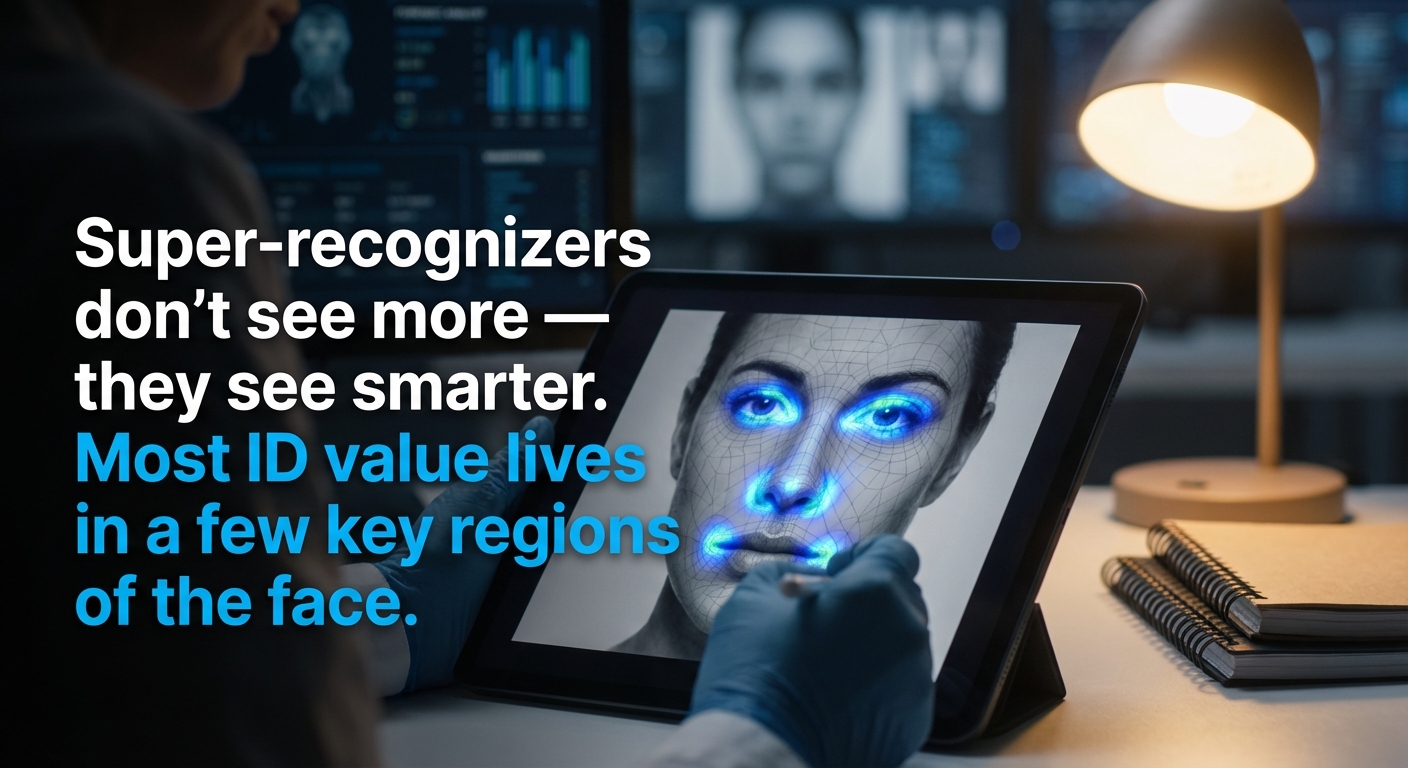
Some investigators can outperform AI at recognizing faces. The secret isn't sharper eyes, it's knowing which 5% of the face actually carries identity. Here's th
It's not intelligence. It's not experience. The one skill that predicts who can reliably spot AI-generated faces will surprise you, and it has serious implicati
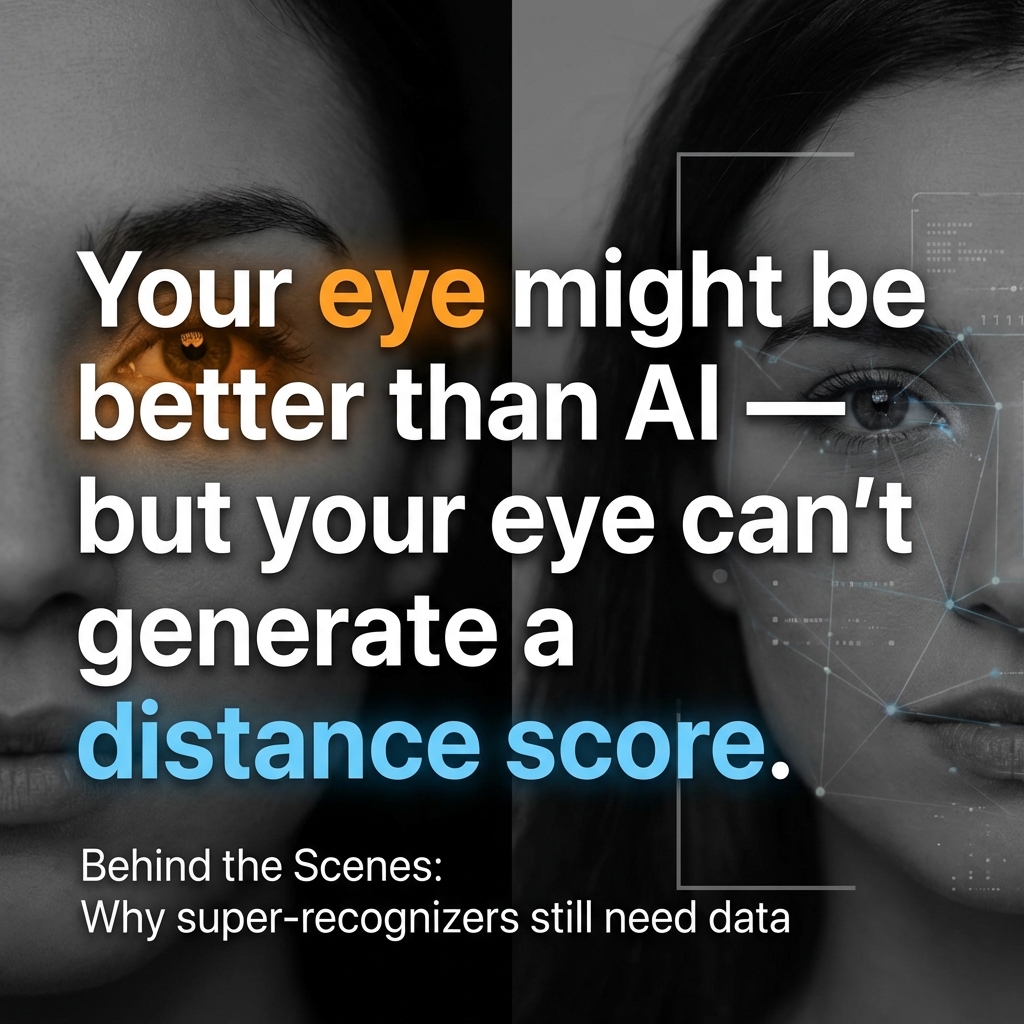
A small percentage of people can identify faces with uncanny accuracy, but their brains can't generate a court-ready report. Here's the science of why human ins
Japan's Shinkansen, TSA's Las Vegas trials, and a leaky U.S. government endpoint all dropped this week. Here's what the headlines missed about the gap between m
From TSA lanes to Shinkansen ticket gates, facial recognition is going mainstream fast, but this week's news shows the deployment is way ahead of the accountabi
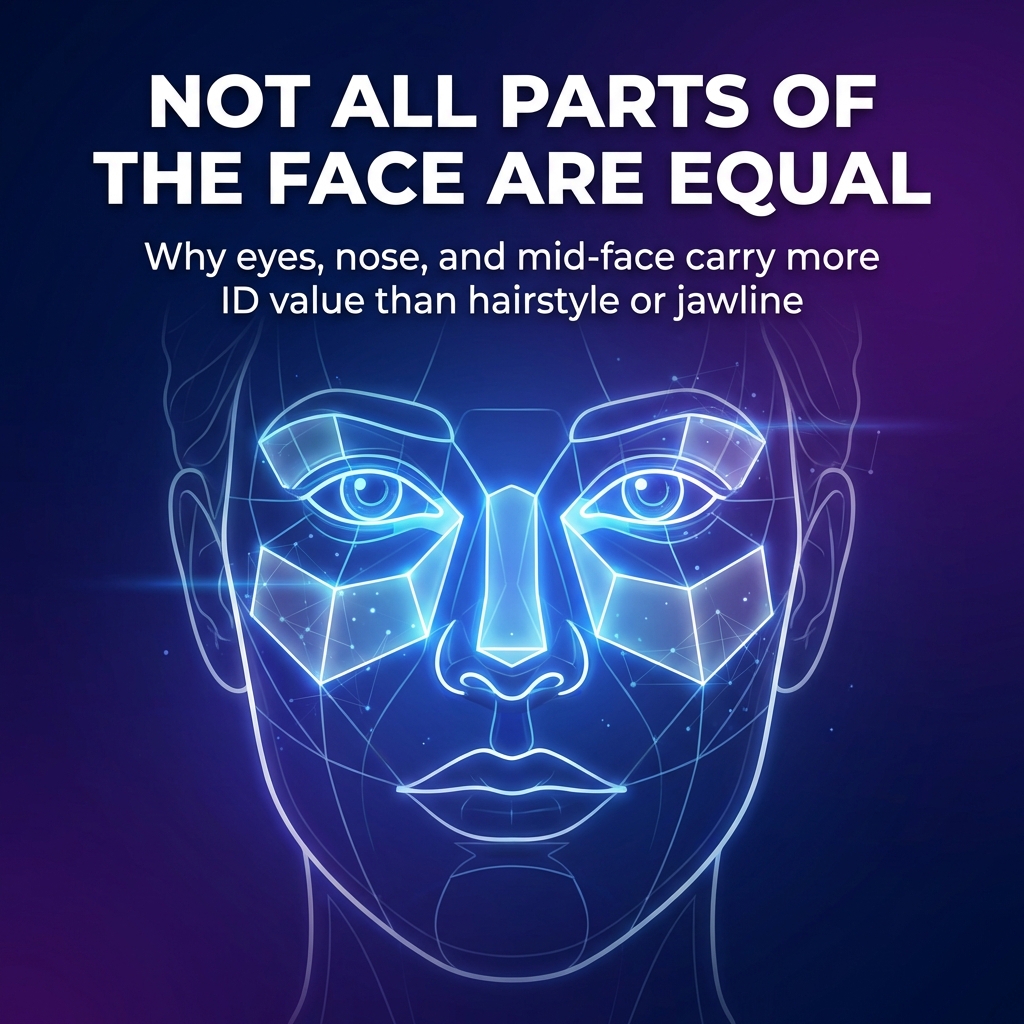
Some humans can spot a face years later in a crowd, and new research reveals they do it the same way good algorithms do. Understanding that overlap changes how