Expert commentary on facial recognition, biometrics, and AI technology.
Facial recognition breakthroughs, OSINT strategies, and investigation technology — delivered to your inbox every morning.
No spam. Unsubscribe anytime. We respect your inbox.
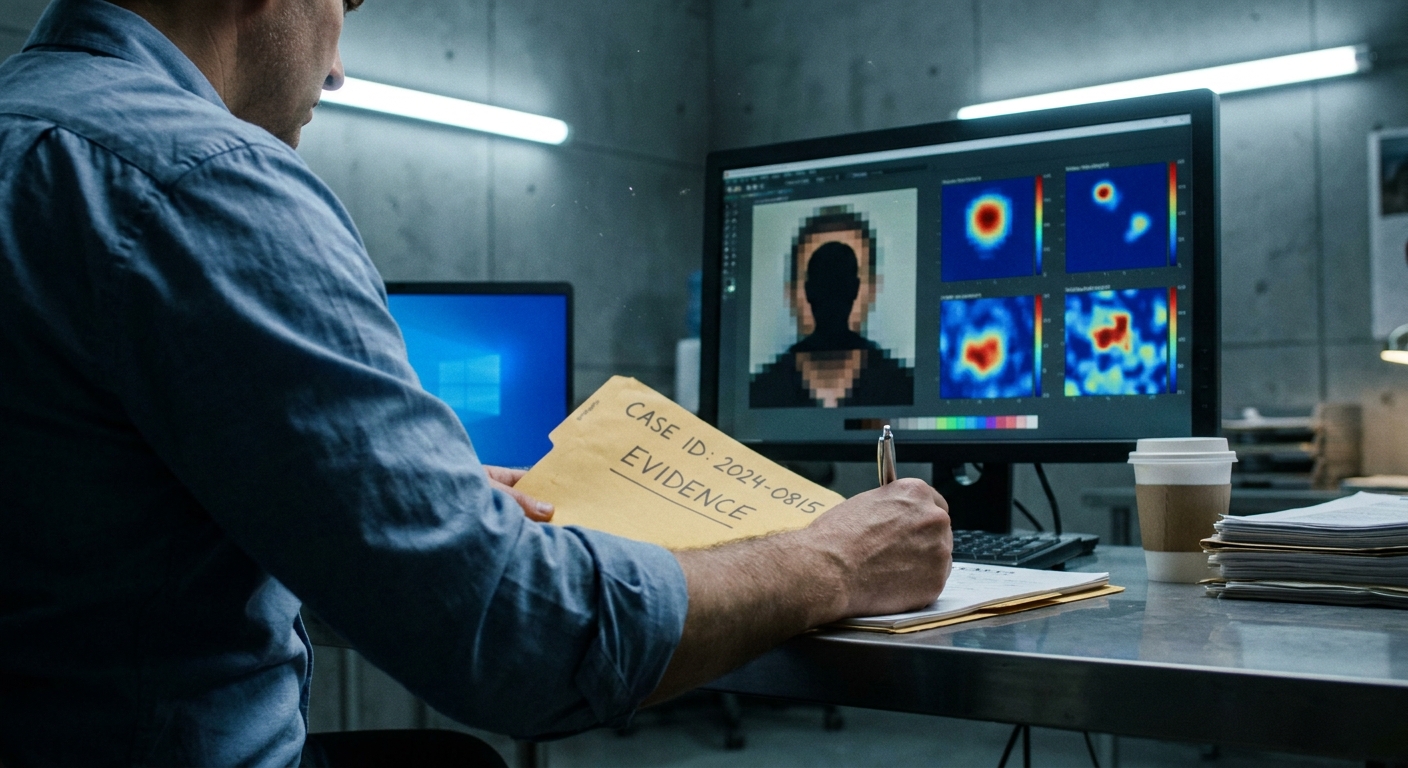
A teen charged with deepfake abuse of classmates, YouTube opening detection tools to Hollywood, and new state laws hardening liability, this week confirmed that

Voice cloning fraud has crossed into operational territory: one in three people who engage with a cloned-voice scam call lose an average of $18,000. If your wor

A New Jersey teen charged with creating AI-generated exploitative images of classmates just made deepfakes an evidence problem, and investigators who skip authe
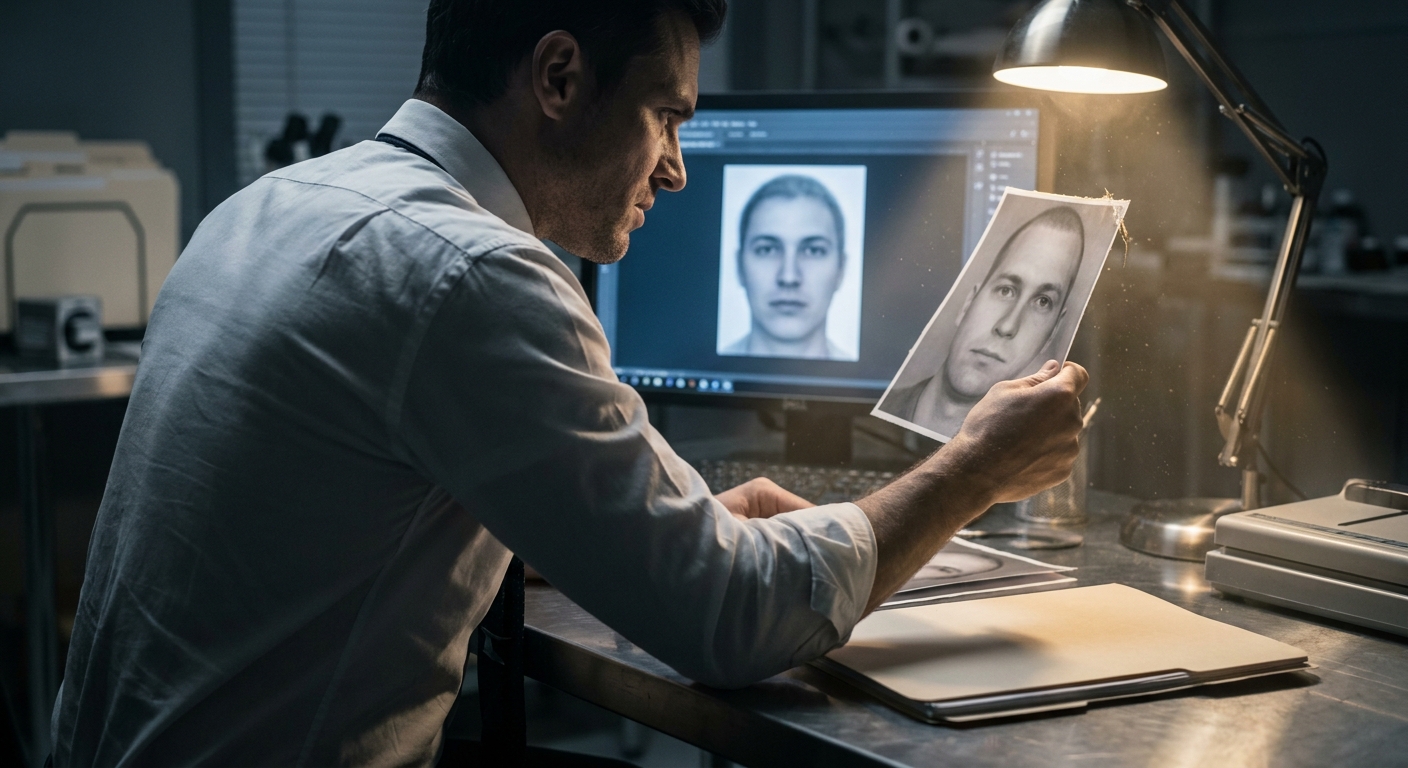
Biometric trust isn't dead, it's context-dependent. This week's headlines show people will accept facial recognition on their own terms, but not when it's impos

AI deepfake fraud hit $1.1 billion in U.S. losses in 2025, and humans correctly identify synthetic video only 24.5% of the time. The verification model is broke

Deepfake fraud has crossed $2.19B in global losses and voice cloning attacks are up 680% year-over-year. The uncomfortable truth: a matching face or familiar vo

When sitting U.S. officials become the most deepfaked identities online, investigators face a new bottleneck, not finding evidence, but deciding what's real eno

China's draft deepfake consent rules aren't just about creative AI, they're a warning shot for every investigator, OSINT team, and fraud professional whose work

China's new draft rules for AI avatars don't just target deepfake technology, they target the absence of a paper trail. Here's why consent documentation is beco
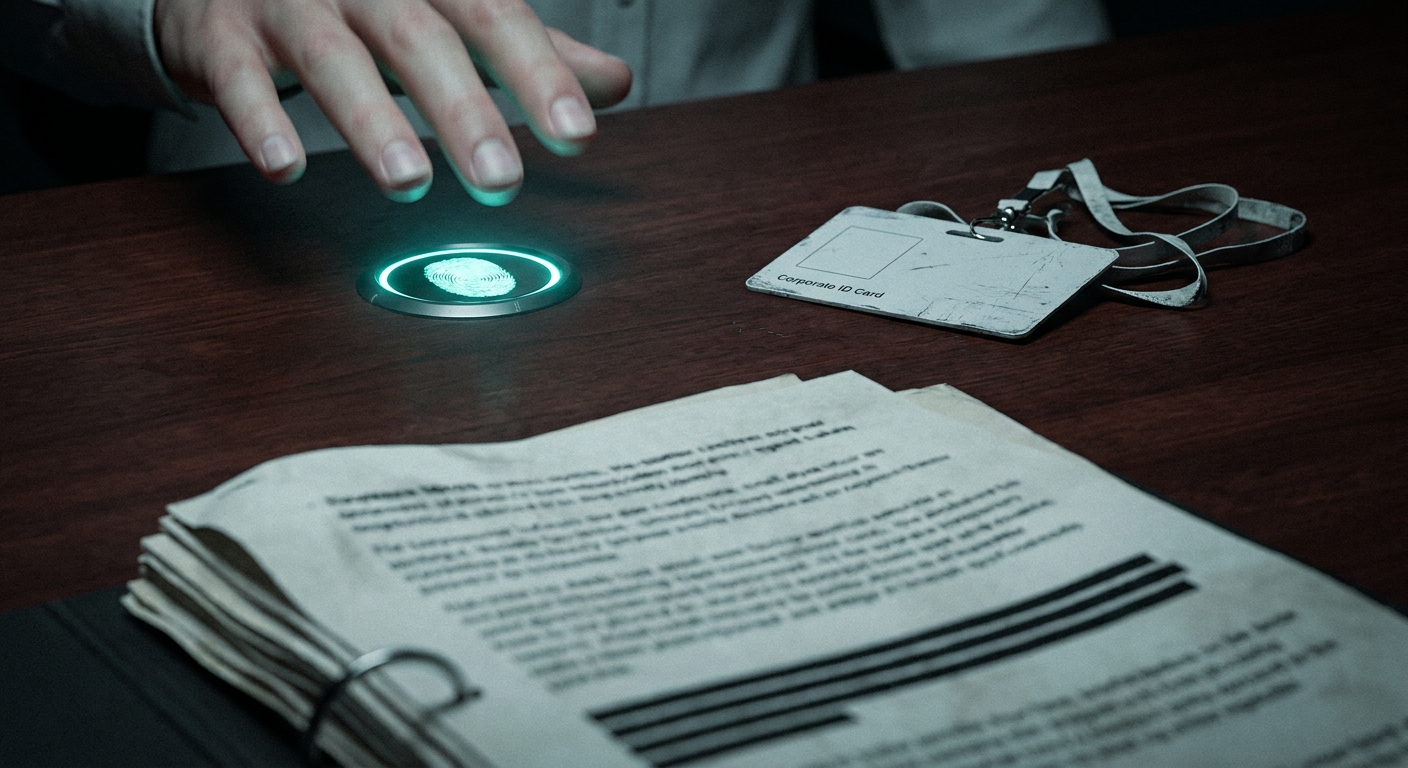
Employee appetite for biometric access control is accelerating fast, but governance, consent policy, and data handling rules are nowhere close to keeping pace.
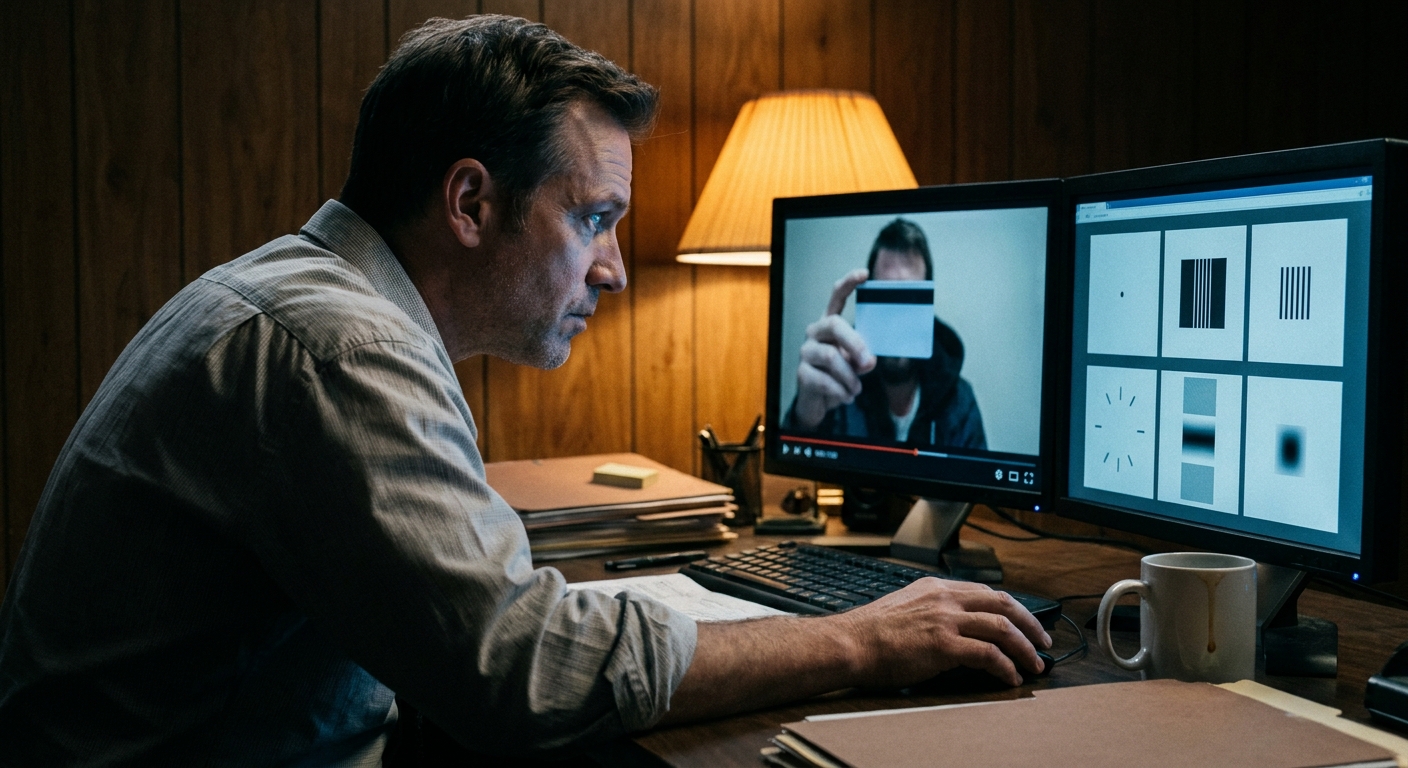
Deepfake detection isn't a media integrity problem anymore, it's a workflow crisis. As synthetic fraud losses top $893M and attacks embed themselves into everyd

Congressional scrutiny of Palantir's surveillance tools at DHS and ICE signals something bigger than one contract dispute: biometric identity checks are moving