Expert commentary on facial recognition, biometrics, and AI technology.
Facial recognition breakthroughs, OSINT strategies, and investigation technology — delivered to your inbox every morning.
No spam. Unsubscribe anytime. We respect your inbox.
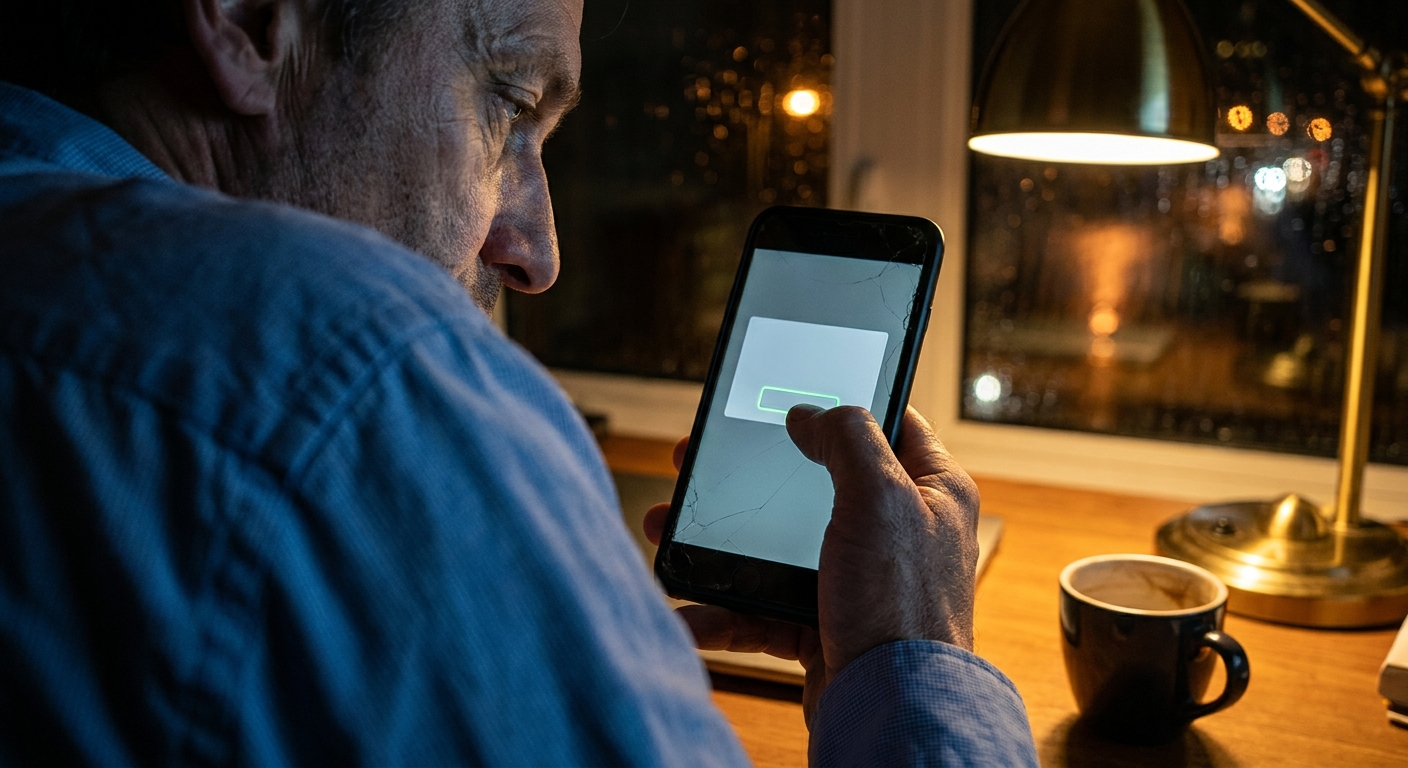
Government agencies are dropping passwords for something stronger, but that shift exposes a sneaky new weak spot that affects every one of us. Here's what's act
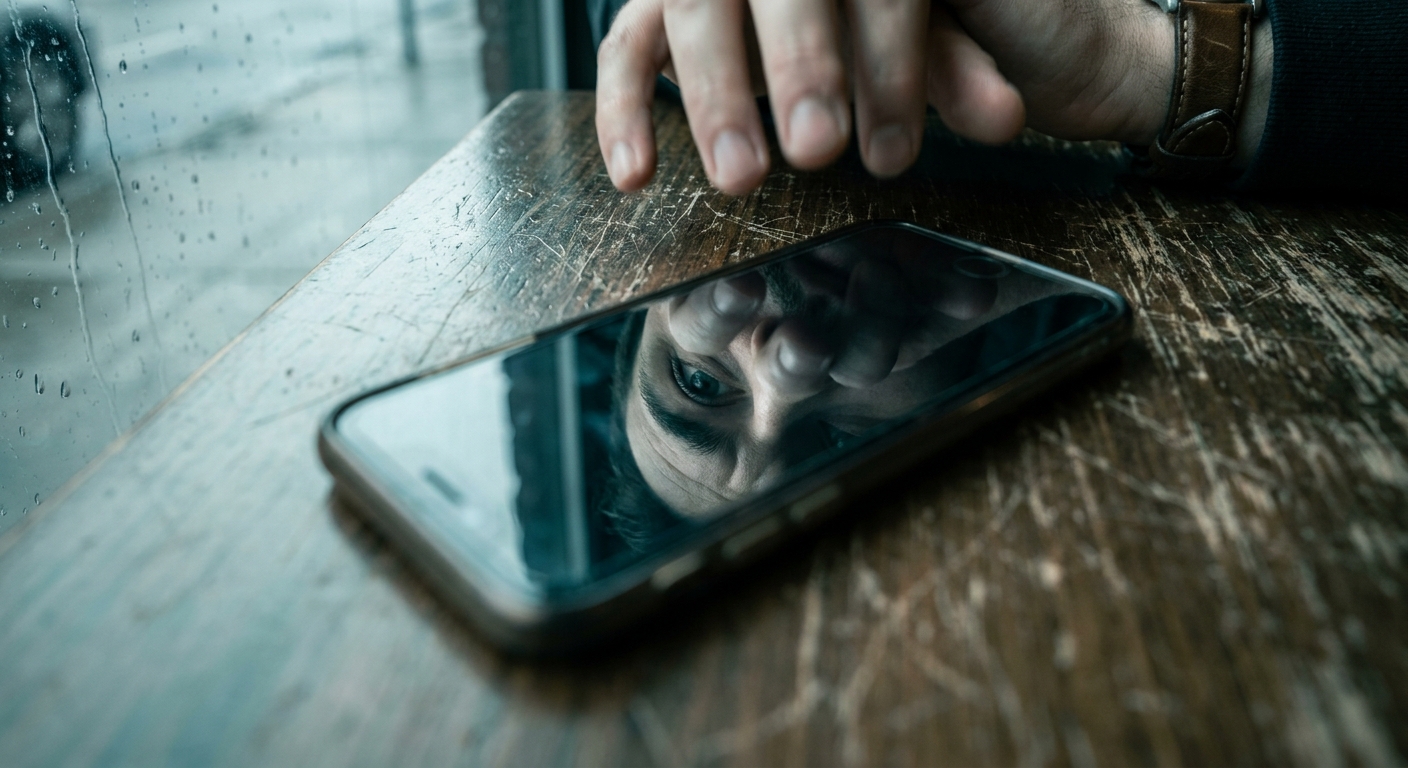
Meta shipped facial recognition code to 50 million phones before most users had any idea. The technology wasn't active, but it was there, waiting. That gap betw
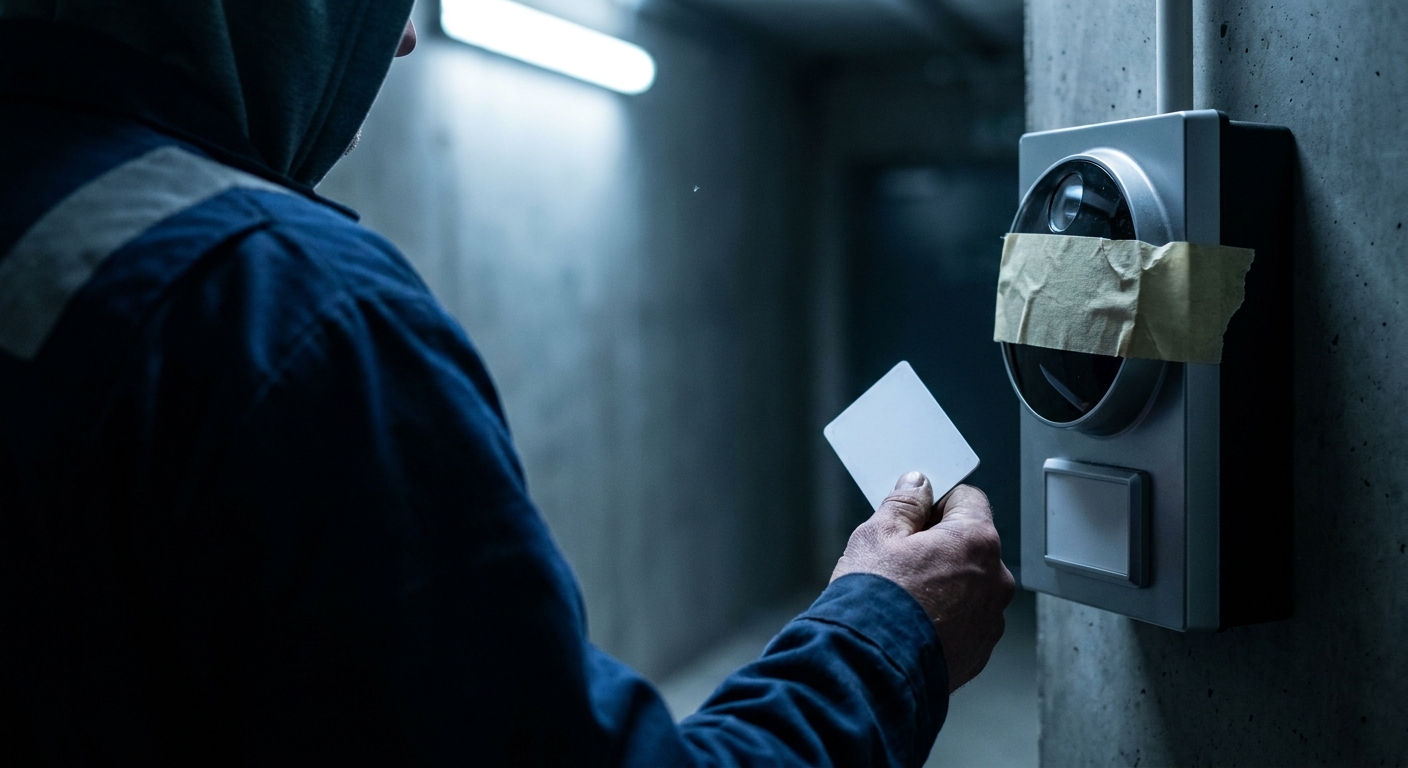
Türkiye just became the first major country to say "consent" isn't enough when your employer wants your face to track attendance. Here's what that means for eve
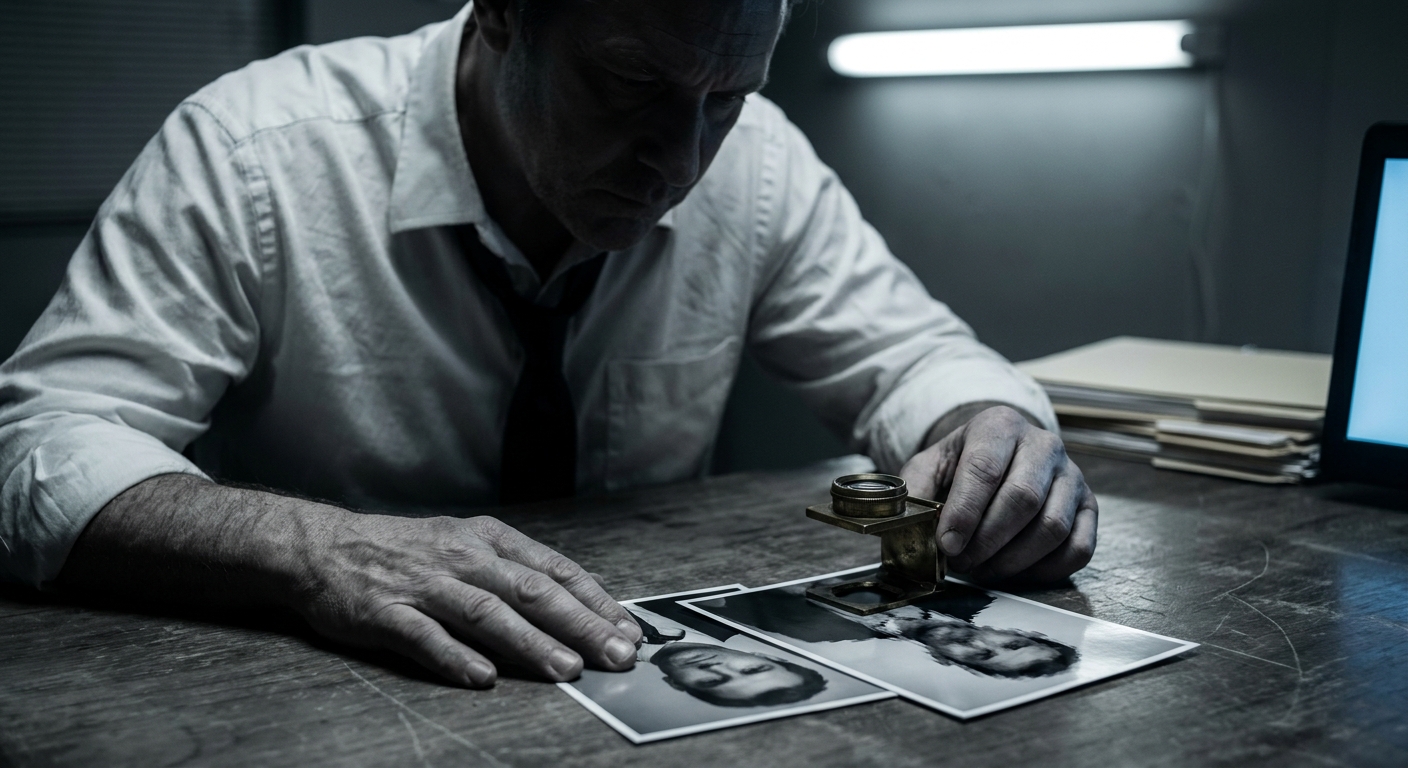
A South Korean court just acquitted a man for possessing deepfake images of underage K-pop idols, because the images were too obviously fake to prosecute. Here'
Nearly everyone supports age checks online. Almost as many say those checks don't actually work. And buried in the fine print is a question nobody's asking out
Your teenager doesn't have to send a single intimate photo for someone to use their face against them. Here's what deepfake sextortion actually is, why it's spr
A Spanish privacy ruling and competing EU rules are quietly threatening the digital ID wallet rollout meant to replace your physical cards by 2026. Here's what
Your AI assistant is about to start buying things for you, and nobody's figured out how to prove it has your actual permission. Here's what's coming and why it
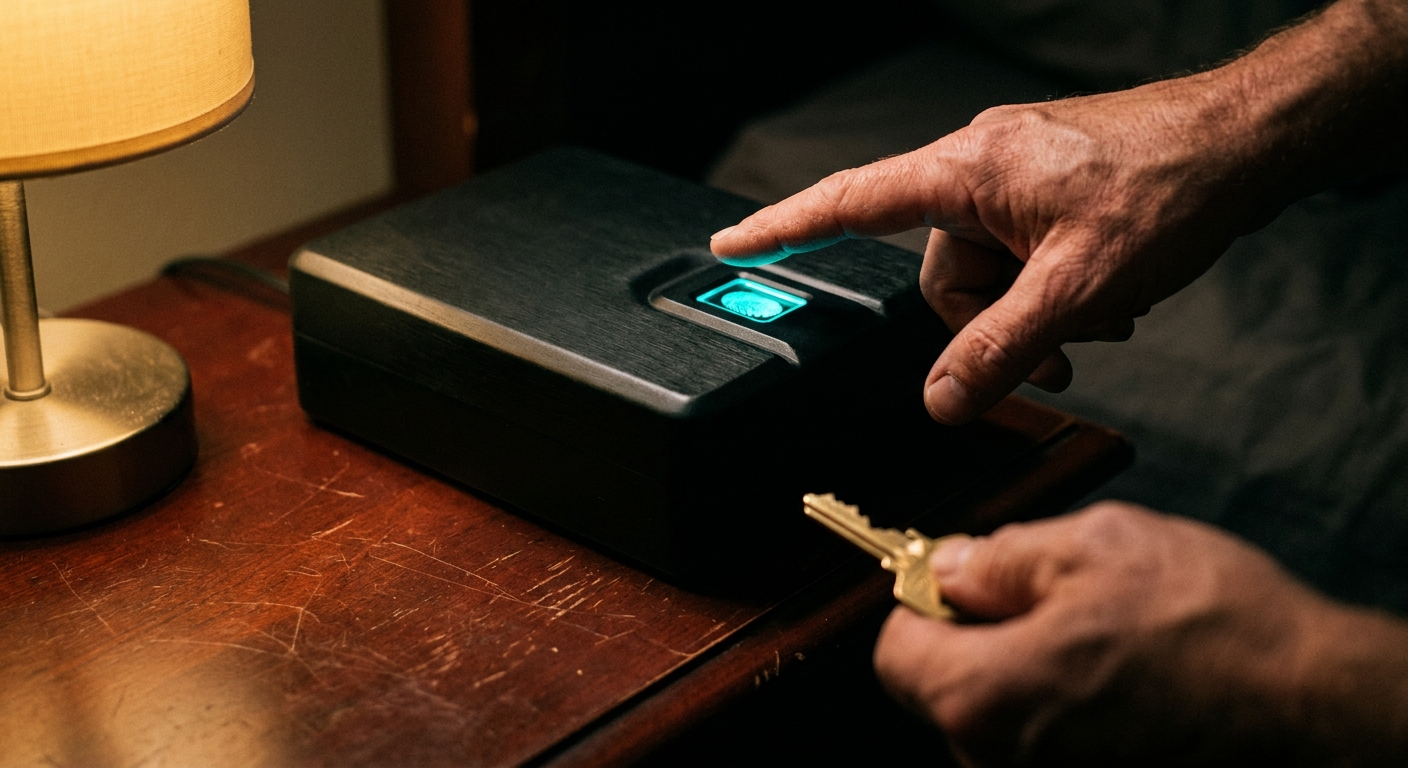
Pierce County is handing out 1,500 free biometric gun lockboxes, and it's a sign of where home safety is heading fast. But before you bring one home, there are
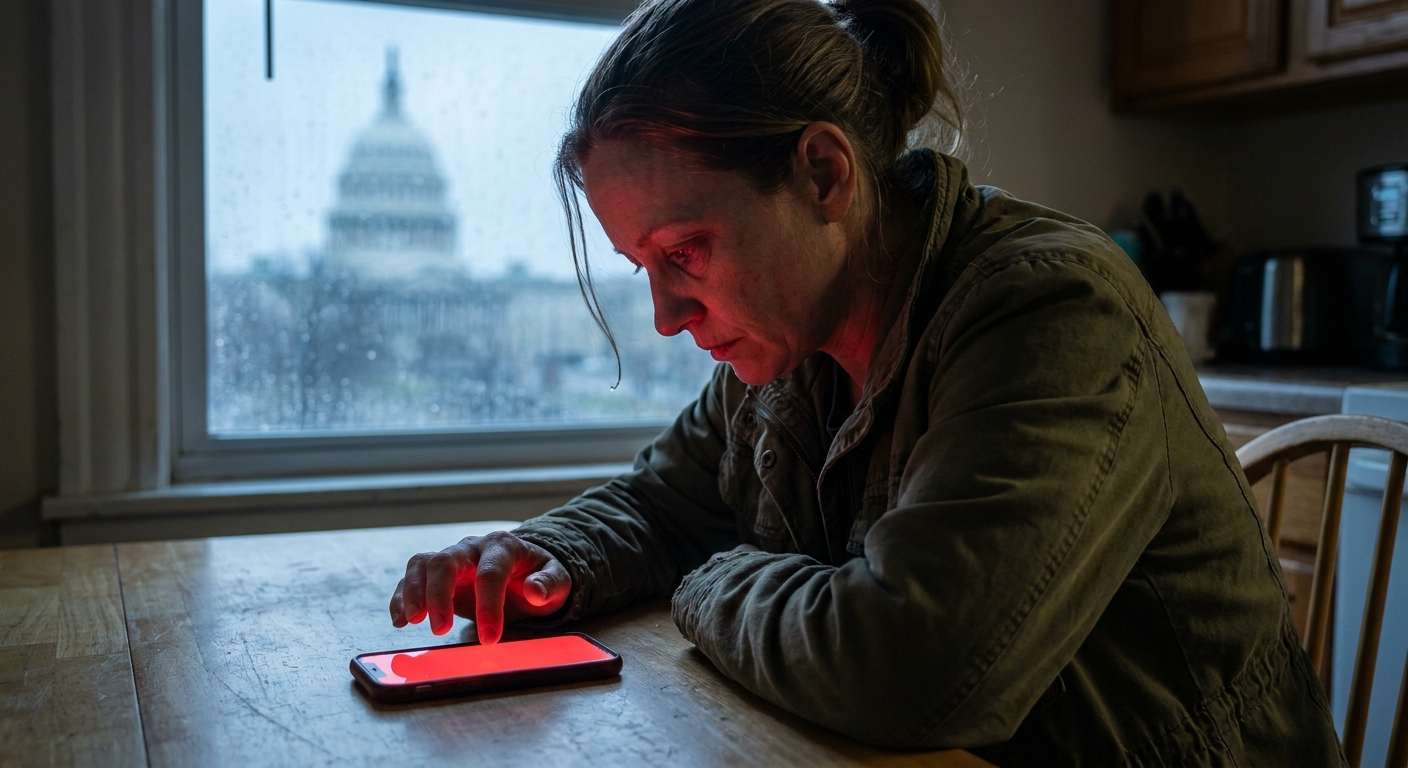
A federal bill could freeze your state's ability to create new AI protections for three years. Here's what that means for your job, your money, and your identit
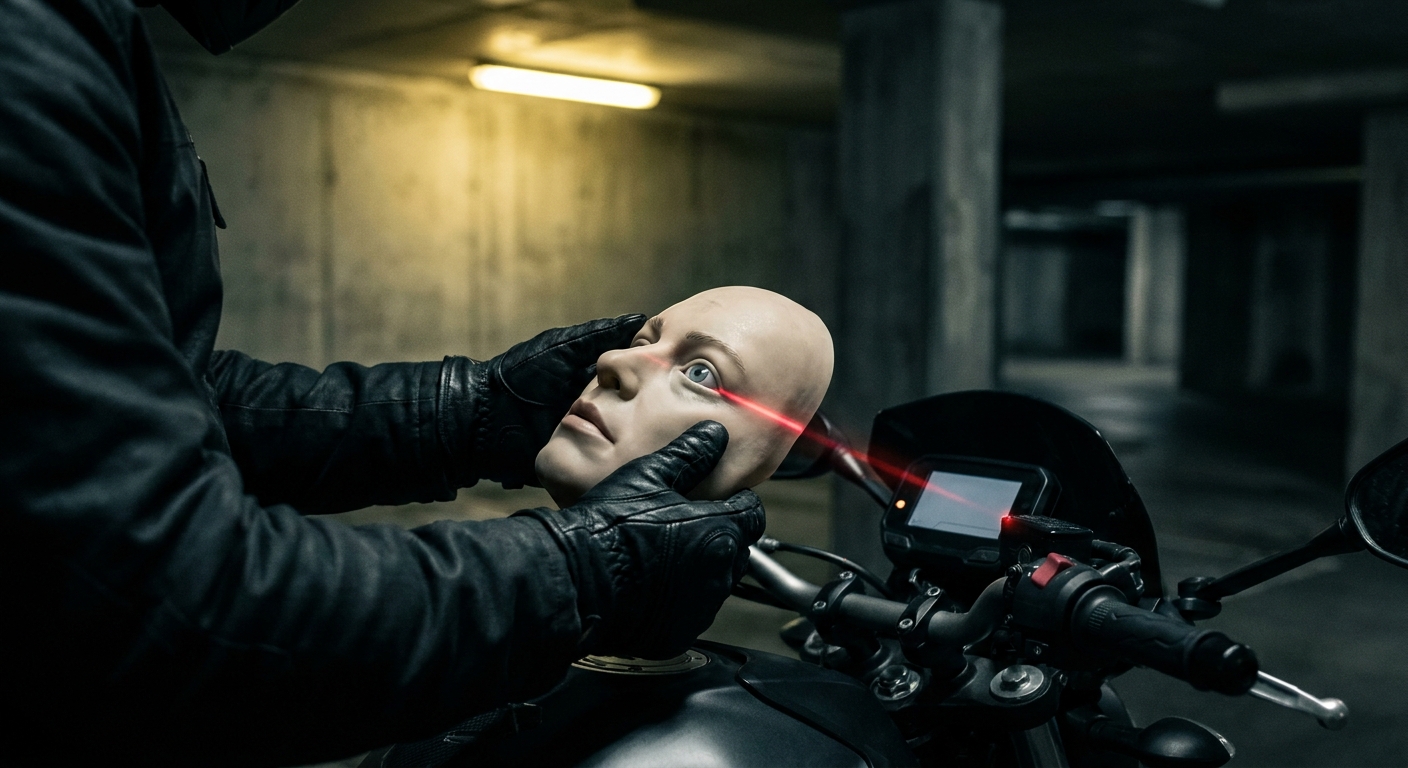
BMW just made your face the ignition key for a motorcycle. It sounds cool, until you ask what happens when that face data gets stolen and you can't change it li
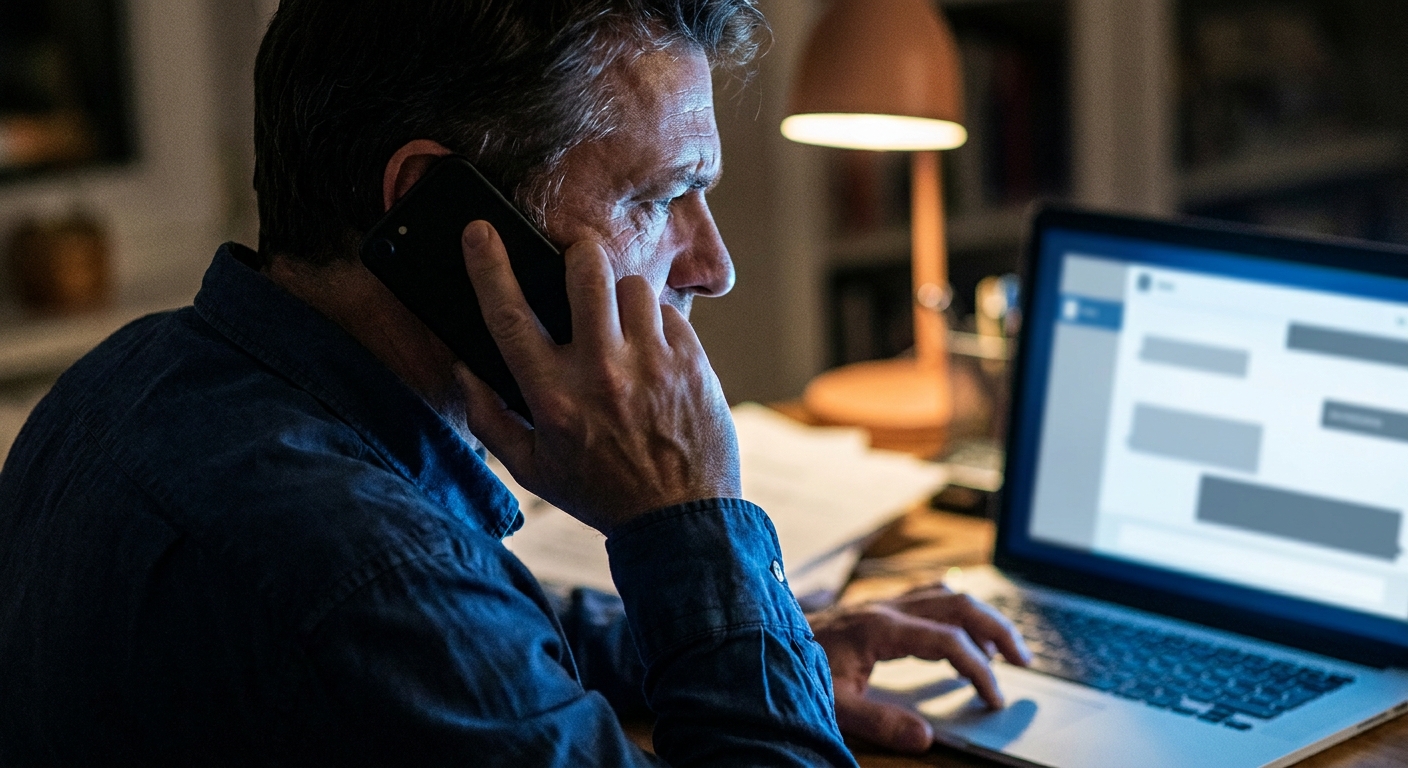
Attackers are combining fake Microsoft Teams messages with AI-cloned voices to trick employees into approving urgent requests. "Just call to confirm" is no long
