
Deepfake Financial Fraud: Cloned Bosses Stole €95 Million
Quick answer
How does deepfake financial fraud work and how do you stop it?
Scammers use AI-made video or voice that copies a trusted person, then add urgency so you pay before doubting. A familiar face is no longer proof. The best defense is to end the contact and call back on a number you already have, before moving any money.
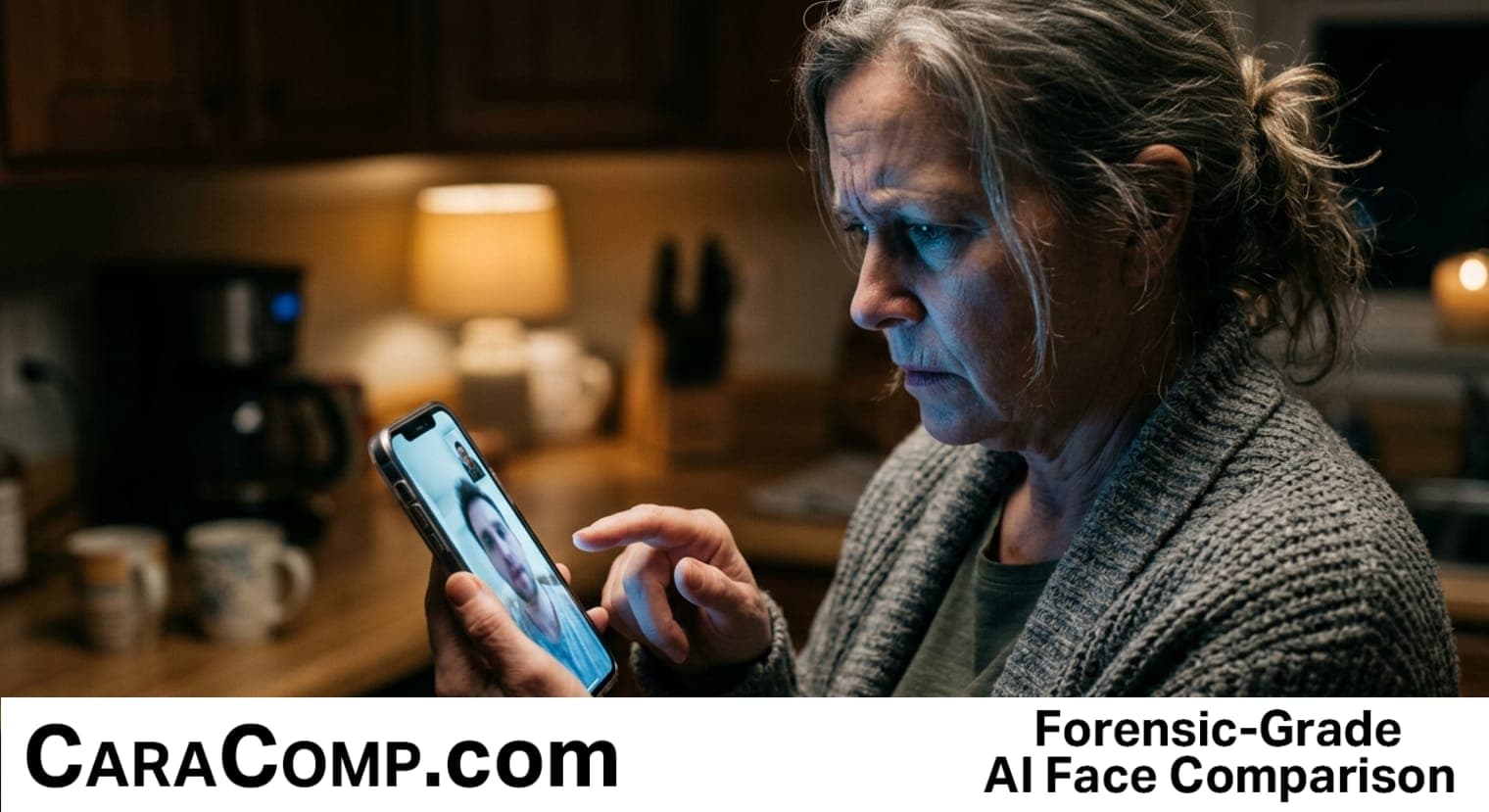
Picture this. Your phone rings at 11pm and your son's face fills the screen. He sounds scared. He needs money moved right now. That scene is no longer a movie plot, because deepfake financial fraud has moved from internet weirdness to real bank losses, and a face on a video call is no longer proof of anything.
Deepfake financial fraud works because the fakes are believable and rushed, so treat any surprise request for money or login help as unverified until you confirm it on a second channel you trust.
Deepfake Financial Fraud Is Now a Money Problem, Not an Internet Oddity
Here is the story that should make you sit up. According to FinanceX Magazine, attackers stole €95 million from Fideuram, part of Intesa Sanpaolo, by impersonating senior executives with fake voice and video. Staff approved transfers because the request seemed to come from people they trusted.
Nobody hacked a firewall. Nobody cracked a password. The attackers just showed up looking and sounding like the boss. That is the whole trick.
€95 million
stolen from a bank by fake executives on voice and video
Source: FinanceX Magazine
Why deepfake fraud no longer looks like bad AI
Remember when fakes had melted ears and robot voices? Forget that. The warning sign today is not a glitch. The dangerous scams are the believable ones: a familiar voice, a convincing face, and a clock ticking on money or account access. This article is part of a series, start with Age Verification Windows 11 Sorts Kids Into 5 Age Boxes.
The FinanceX report says fakes now make up 6.5% of global fraud attempts, up from 0.1% just three years ago. It also projects deepfake fraud to rise 495% in 2026. Even if that projection runs hot, the direction is clear.
Why the Fideuram story sticks in your head
Big numbers feel far away. But once you have read about a bank losing €95 million to a fake boss, every odd call from a relative feels a little different. That is your brain doing its job. Vivid stories make risks feel closer, and in this case, closer is accurate.
What Is Deepfake Fraud and How Does a Voice Clone Scam Actually Work?
A deepfake is a fake video or audio clip made by AI to look and sound like a real person. A voice clone copies someone's speech from a short sample. Scammers pair it with urgency, like "wire this now" or "read me the code," so you act before you think.
That pairing is the real weapon. The AI supplies the trust. The pressure takes away your time to doubt it.
A deepfake capable of bypassing biometric onboarding now costs $5, while banks spend €40 per verified customer.
Cost comparison reported by FinanceX Magazine
Read that again. Five dollars for the attacker. Forty euros for the bank to check one real customer. The math favors the crook, which is why this is not going away on its own.
Can a video call still be trusted?
Not by itself. In the well-known Arup case in Hong Kong, a video call with fake colleagues led to a loss of $25.6 million, according to The Global Statistics. The same source reports a 77% victim loss rate for voice clone attacks, meaning most people who got hit lost money.
Another roundup, from Keepnet Labs, says 41% of organizations faced audio deepfakes paired with social engineering (tricking people with psychology, not code). It also says 35% saw video versions, and 62% faced a deepfake attack within a year. Previously in this series: Airport Biometrics 13 Uk Gates Scan Faces Not Passports.
DORA Deepfake Fraud Rules: What Changes for Banks, and What Does Not Change for You
DORA is a European rule on how financial firms must handle tech risk. FinanceX reports that regulators are now actively checking, with fines up to 10% of a bank's yearly worldwide revenue for serious failures. Critical tech vendors can face daily penalties of 1%.
So banks will get pushed to build better defenses. Good. But here is my take: a rule aimed at banks does not protect your living room. DORA has no say over the call that reaches your phone from your "daughter."
| Protection | What a bank gets | What a regular person gets |
|---|---|---|
| Rules pushing better defenses | DORA, enforced, with big fines | Nothing automatic |
| Liveness checks (is a live person on camera, or a recording?) | Layered systems and monitoring | Your own judgment under stress |
| Second-channel confirmation | Policy staff are trained on | A habit you must build yourself |
| Cost to the attacker | Roughly $5 per fake | Roughly $5 per fake |
Why banks will argue they cannot stop every fake
They have a point. A patient attacker with months of research can fool almost any single check. Every extra step also annoys customers, and some give up. Still, layers like liveness checks, a callback on a separate channel, and alerts for odd behavior can make each attack costly enough to be not worth trying.
That is the banks' job. Your job is smaller and simpler.
Why Deepfake Financial Fraud Matters to Regular Families
- Familiar is not verified: a known face or voice can now be copied cheaply.
- Urgency is the tell: real emergencies can survive a 60-second callback.
- Bank rules lag your risk: new enforcement helps institutions, not your phone calls.
How to Spot an AI Voice Scam Before You Send a Cent
Don't try to spot flaws in the picture. That is a losing game, because the fakes keep improving. Instead, judge the request. Is someone asking for money, a code, or a changed account setting, and rushing you? Then the face and voice are irrelevant until you confirm.
Here is the rule I would tattoo on every refrigerator: hang up and call back on a number you already have. Not the number that just called. Not a link they texted. The contact saved in your phone, or a number from a bill or card.
Two more habits help. Agree on a family code word now, while everyone is calm, and never share it in a text. And let a second person weigh in on any money move you feel pushed to make. Scams hate an audience. Up next: Deepfake Financial Fraud Cloned Bosses Steal 95 Million.
If you have ever wondered whether a photo, a profile, or a face on your screen is really who it claims to be, that is exactly the question face-comparison technology exists to answer, and investigators already use it that way. For you today, though, the useful tool is free: a callback, a code word, and a pause.
Deepfake financial fraud beats the eyes and ears, so a video call is not proof. Treat every unexpected payment or login request as unverified until you confirm it through a second channel.
Think about the Fideuram staff for a second. They were professionals, trained, working inside a real bank. They still said yes to a face they knew. So the question is not whether you would be smarter. It is whether you have decided, in advance, what you will do when the face is perfect and the clock is loud.
Deepfake Financial Fraud: Frequently Asked Questions
What is deepfake financial fraud?
Deepfake financial fraud is when scammers use AI-made video or voice of a real person to trick someone into sending money, sharing a login, or approving a transfer. The fake might be a boss, a relative, or a customer. It works because people trust faces and voices, and the scammer adds urgency so there is no time to double-check the request.
What does DORA mean for deepfake fraud?
DORA is a European rule that makes banks and other financial firms prove they can handle tech threats. According to FinanceX Magazine, regulators are now actively reviewing firms, with fines up to 10% of yearly worldwide revenue for serious breaches. It pressures banks to improve defenses. It does not directly protect individuals from a scam call to their own phone.
How can I verify a family member on a video call asking for money?
End the call and reach them on a number you already trust, such as the contact saved in your phone. Ask a question only they could answer, or use a family code word you set up in advance. Do not send money, share a code, or change account settings until the second channel confirms it is really them.
Is an AI voice scam hard to detect?
Yes, because a modern voice clone can sound right even to close family. The Global Statistics reports a 77% victim loss rate for voice clone attacks. Rather than listening for glitches, watch the situation: a surprise, a demand for secrecy, and a rush to move money. Those signs matter more than how the voice sounds, so confirm independently. That habit is the best defense against deepfake financial fraud.
Ready for forensic-grade facial comparison?
Full forensic reports with detailed similarity scoring. Results in seconds.
Run My First SearchMore News
AI Voice Cloning: 3 Seconds of Audio Can Fake a Loved One
Lithuania wants people to have legal rights over their own voices. That tells us a familiar voice on the phone is no longer proof of who is calling.
ai-regulationDeepfake: Fake Kiss Photo of Georgia Mayor Outran the Law
A fake photo of College Park's mayor spread before anyone was held accountable. Here's why that could happen to anyone, and what to do first.
digital-forensicsJanhvi Kapoor Deepfake: Any Face Online Can Be Faked
Janhvi Kapoor called deepfake abuse "bordering on sexual assault." Her point reaches far past celebrities: anyone with a photo online can be targeted, and a pause could protect you.