
How to Prevent Identity Theft: 4 Kinds, 1 Leads to Jail
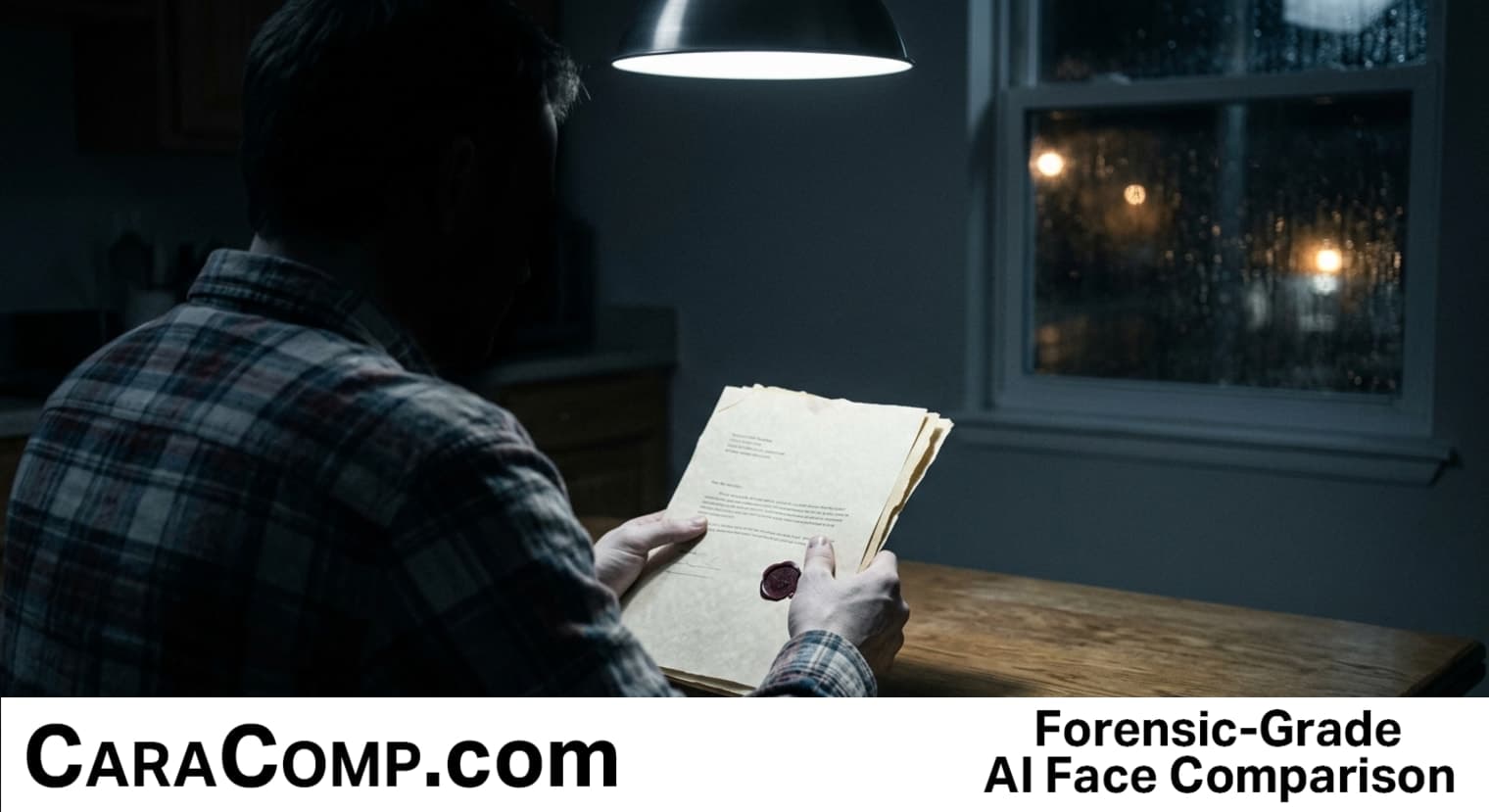
Here's the part nobody tells you: you probably won't find out from your bank. You'll find out from a stranger with a clipboard, or a letter demanding money for a debt you never opened, or worse, from a police officer standing at your door with a warrant that has your name on it and someone else's face behind it. Someone can borrow your identity for a year before you ever notice, and when you finally do, it's rarely a fraud alert. It's a debt collector.
TL;DR: How to prevent identity theft depends on knowing which of the four kinds is happening to you, because financial identity theft costs you money and time, but criminal identity theft can cost you your freedom.
How to prevent identity theft starts with understanding that not all four kinds work the same way, and the one that hides longest is the one that ruins the most lives.
Most people picture identity theft as one thing: a thief with your credit card number, buying a television at 2 a.m. That's real, and it's common. But it's also often detected sooner than the other versions of the crime. There are four distinct kinds, and they don't attack the same target. One goes after your bank account. One goes after your health records. One goes after your tax refund. And one goes after your name itself, the part of you that shows up on a police report. That last one is the one that ruins you.
How to Prevent Identity Theft Starts With Knowing the 4 Kinds That Exist
Think of your personal information as a set of four separate doors into your life. Financial identity theft picks the lock on your credit cards and bank accounts. Medical identity theft picks the lock on your health file. Tax identity theft picks the lock on your social security number and your refund. And criminal identity theft picks the lock on your actual name, the one word that follows you into every courtroom, background check, and police database in the country. Each door needs a different kind of defense, which is exactly why generic advice like "use a strong password" only protects one of the four.
Financial identity theft is the one that makes the news the most, and for good reason: it's the most common, and it's the loudest. A thief opens a new credit card in your name, or takes over an account you already have, and starts spending. According to the Bureau of Justice Statistics, roughly 23.9 million U.S. residents age 16 or older, about 9% of the population, experienced some form of identity theft in the prior twelve months as of 2021 (Bureau of Justice Statistics). That means millions of people dealt with it in a single year.
Medical identity theft works differently. A thief uses your name and insurance details to get treatment, prescriptions, or surgery. The bill lands in your name. But the real damage isn't the bill. It's that the thief's blood type, allergies, and diagnoses now sit inside your medical chart, mixed in with your own. If you show up in an emergency room later and a doctor pulls the wrong history, that mistake could shape a treatment decision made about your actual body. This is one kind of identity theft where the harm isn't financial at all. It's physical. This article is part of a series, start with Character Ai Age Verification A Teens Id In A Database.
Tax identity theft is the quiet one. A thief files a return in your name early in the season, claims a refund, and disappears before the real you ever files. You find out when the IRS rejects your legitimate return, or worse, when they come asking why you owe money on income you never reported. It's a slow burn. You don't see it coming because there's no transaction to notice, no card that gets declined. There's just silence, until the government asks you to explain yourself.
How to Prevent Identity Theft When the Threat Is a New Account, Not a Stolen One
Here's a fact that surprises almost everyone: opening a brand new account in your name is the single most common form of identity misuse reported to the Identity Theft Resource Center, more common than thieves taking over accounts you already have. Criminals don't want to fight your existing security. They want a blank slate. That means the strongest single habit for fraud prevention isn't watching your old accounts closer, it's freezing your credit report so nobody can open a new one at all.
Why Criminal Identity Theft Is the Kind That Actually Ruins You
Now here's where this stops being about money and starts being about your freedom. Criminal identity theft happens when someone gets arrested, hands the officer your name and birth date instead of their own, and walks away. No handcuffs on their record. All the consequences land on you instead, and you won't know it happened until a warrant shows up, or a background check for a job comes back with charges you've never heard of, or a routine traffic stop turns into an arrest because the system says you're wanted.
A judge vacated the conviction of William Woods after he spent 428 days in jail and 147 days in a psychiatric hospital, wrongly convicted of stealing his own identity. The actual thief, Matthew Keirans, had used Woods's name and social security number for over a decade before Woods was finally believed. reported by the Los Angeles Times and CBS News
Read that again. A man went to jail and then to a psychiatric hospital because the system trusted the thief's paperwork over the real man's face. That's the mechanism of criminal identity theft in a single sentence: whoever's name is attached to the crime record becomes the criminal, on paper, regardless of who actually did it. Undoing that isn't a phone call to your bank. It's months, sometimes years, of court dates, fingerprints, and lawyers, proving a negative that the justice system was never designed to easily reverse.
A Fox News report found that complaints to the Consumer Financial Protection Bureau about attempts to collect a debt not owed rose about 115% above their prior two-year average in 2025, with many consumers reporting balances they did not recognize and suspected identity theft (Fox News). Angela Lipps was arrested at gunpoint and jailed for six months after police in Fargo wrongly identified her as a bank fraud suspect. She lost her home and her car before the charges against her were ever dropped. In another case, Angel Marie Thompson was charged in 2025 with a 2007 murder after allegedly stealing the identity of her friend Nicole Alston to collect benefits for years. Even the most extreme version of this crime shows up in real records: a man in Riverside, California was shot and killed in 2016 by someone using his identity in a $600,000 auto loan scheme, and the killer was sentenced to life without parole. These cases show what happens when a name becomes detached from the person who owns it.
Identity Theft vs Criminal Identity Theft: What Is the Real Difference?
Identity theft, in the broad sense, means someone used your personal information without permission. Criminal identity theft is the narrow, dangerous version where that stolen information gets attached to an arrest or conviction. The difference matters because financial identity theft is fixed by disputing charges. Criminal identity theft is fixed by proving your innocence inside the legal system, which can take years and sometimes requires a lawyer.
How to Prevent Identity Theft Across Your Banking, Credit, and Insurance
So what actually works? Fraud prevention isn't one habit, it's four habits stacked on top of each other, because you're defending four different doors. For online banking, turn on transaction alerts for every purchase, no matter how small, so you see the first fraudulent charge within minutes instead of weeks. For credit, freeze your credit report with all three bureaus, which blocks new accounts from opening in your name even if a thief has your social security number in hand. For insurance and medical accounts, review the "explanation of benefits" your insurer sends you, because that document is the earliest warning sign of medical identity theft, long before a collector calls. And for the criminal category, the one most people never plan for at all, keep a personal file with your fingerprints on record at a police department if you can, and know that if you're ever wrongly linked to an arrest, you have the right to request the actual booking photo and fingerprints be compared to yours. Previously in this series: Eu Age Verification Id Scans Replace The Online Checkbox Pod.
This is also where facial identity work becomes relevant in a way most people never expect. At CaraComp, we spend our time explaining how facial matching systems work, the kind police departments and background check companies use to confirm someone's face matches their claimed name. Those same systems can help clear a wrongly accused victim faster by comparing an actual booking photo against the real person's face rather than relying on a name and birthdate that a thief typed into a form. Understanding how that comparison works is part of why we built this education resource in the first place.
| Type of identity theft | How you usually find out | What it takes to fix |
|---|---|---|
| Financial | A charge on your credit card or bank statement you don't recognize | Dispute with the bank, usually resolved in weeks |
| Medical | A bill from a provider you never visited, or wrong entries on your chart | Correct the record with your insurer and provider, can take months |
| Tax | The IRS rejects your return or audits you for income you never earned | File an identity theft affidavit with the IRS, often a year or more |
| Criminal | A warrant, arrest, or failed background check for a job | Court proceedings to clear your record, sometimes years |
What You Just Learned About How to Prevent Identity Theft
- 🧠 Four separate crimes, not onefinancial, medical, tax, and criminal identity theft each attack a different piece of your life and need a different defense
- 🔬 New accounts beat account takeoversthieves prefer opening a fresh account in your name over hacking one you already have, which is why a credit freeze matters more than a stronger password
- 💡 Criminal identity theft is the one that ruins youit can put your name on someone else's arrest record, and clearing it can take years, not weeks
Fraud Prevention Only Works if You Fix the Misconception About Where the Danger Lives
Most people believe the biggest risk to their identity is someone draining their bank account. It's an understandable mistake. Banks spend enormous money advertising fraud alerts and zero-liability guarantees, so financial fraud feels like the whole story, the thing you see in commercials and news segments every week. Criminal identity theft almost never gets that kind of airtime, because it's rarer in raw numbers and because victims, understandably, don't want their name attached to a story about being mistaken for a criminal. That silence makes the threat invisible until it lands on your doorstep, and by then you're not dealing with a bank's fraud department. You're dealing with a courtroom.
The honest fix isn't to panic about criminal identity theft. It's to understand that protecting yourself means covering all four doors, not just the one door that gets advertised the most. A credit freeze, transaction alerts, reviewing your insurance statements, and knowing your rights if you're ever wrongly linked to an arrest, together they cover the whole identity protection picture, not just the loud, visible slice of it.
What Ways Exist to Show Proof You Are Not the Person a Warrant Names?
If you're ever wrongly linked to a crime, you will need to request your own fingerprint and photo comparison from the arresting agency, and you may need a lawyer to formally show proof in court that the charges belong to someone else using your name. Keep copies of your ID, past fingerprints if you have them on file, and any paperwork tied to the moment you first discovered the fraud, since all of it becomes evidence in clearing your record.
How to prevent identity theft isn't one habit, it's four, because financial, medical, tax, and criminal identity theft each attack a different piece of you, and only one of them can put your name on someone else's arrest warrant.
So here's the thought to sit with tonight. A debt collector calling about a bill you don't recognize feels like the worst part of identity theft. It isn't. It's actually the lucky version, the one with a paper trail, a dispute process, and a bank on your side. The version that ruins people doesn't come with a bill at all. It comes with a knock on the door. If someone used your name last year for a crime instead of a credit card, you wouldn't hear from a collector. You'd hear from a judge. And by then, the question isn't whether you can prove your innocence. It's how many months of your life it takes to do it. Up next: Character Ai Age Verification A Teens Id In A Database Podca.
Identity Theft: Frequently Asked Questions
What is identity theft and how does it actually start?
Identity theft happens when someone takes your personal information, your name, social security number, birth date, or account numbers, and uses it without your permission. It can start with something as simple as a stolen wallet, a data breach at a company you trust, or a phishing email that tricks you into typing your details into a fake site. From there, the thief can open credit cards, file taxes, get medical care, or in the worst cases, give your name to police during an arrest.
How to prevent identity theft if I already had a data breach notice?
Start by freezing your credit report with all three bureaus immediately, since that blocks new accounts even if your social security number is already out there. Set up transaction alerts on your credit cards and bank accounts so you catch charges within minutes. Check your credit report for accounts you don't recognize, and consider identity protection monitoring through your bank or existing insurance provider if it's offered as part of your family's coverage.
Can identity theft affect my insurance and credit at the same time?
Yes, and this is one of the least understood parts of identity theft. A thief can use your stolen personal information to file a fraudulent insurance claim while simultaneously opening credit cards in your name, since both rely on the same underlying data, your social security number and birth date. Reviewing both your credit report and your insurance statements regularly is a way to catch both kinds of misuse before they compound into a bigger mess.
Where can I find resources if I think my identity was stolen?
The Federal Trade Commission runs a government site specifically built to help you report identity theft, create a recovery plan, and generate letters to send to debt collectors disputing debt you don't owe. Your bank's fraud department, your local police department, and the three major credit bureaus are your other first calls. Acting fast matters, since the sooner you report it, the sooner a formal record exists proving when you first discovered the fraud.
What should a family do to prevent identity theft together?
Treat it like a household security habit, not an individual one. Freeze credit reports for every adult and consider it for children too, since kids' social security numbers are often stolen and go unused for years before anyone notices. Share warning signs with each other, unexpected bills, denied loans, or strange insurance statements, and agree on one person who checks the family's credit reports every few months so nothing slips through unnoticed.
Is identity theft the same as credit card fraud?
No, credit card fraud is one narrow slice of identity theft. Credit card fraud usually means someone used your existing card number to make a purchase, and your bank can often reverse it in days. Identity theft is the broader umbrella that includes credit card fraud plus opening brand new accounts, filing fake tax returns, receiving medical care under your name, or worse, giving your name to police during a criminal arrest.
Ready for forensic-grade facial comparison?
Full forensic reports with detailed similarity scoring. Results in seconds.
Run My First SearchMore Education
Age Verification Discord Uses: 10-Second Scan Misses Adults
Discord's face scan says it can guess your age in seconds. Learn why that same scan can let a predator through, and what to actually check in your kid's account tonight.
privacyCharacter AI Age Verification: A Teen's ID in a Database
Age checks and identity checks are not the same thing, and mixing them up is exactly how a 14-year-old's death led to a system that could put your teen's driver's license in a stranger's database.
privacyMedical Identity Theft: 210 Hours to Fix a Wrong Chart
Learn how medical identity theft quietly rewrites your medical records, why hospitals rarely catch it, and where to look first if you suspect it's happening to you.