
Biometrics Appointment USCIS: What to Bring and What USCIS Takes
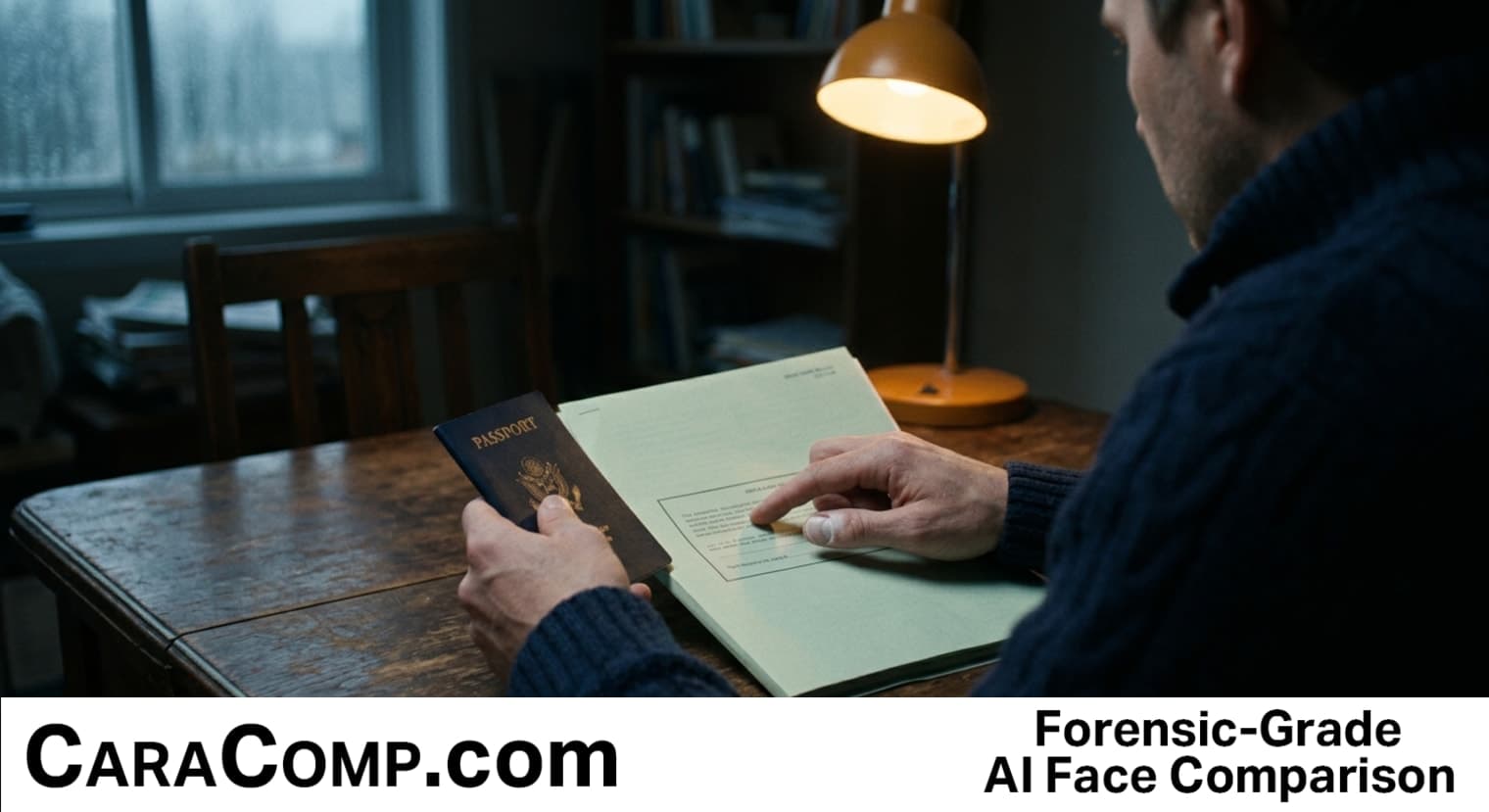
Quick answer
What do I need to bring to a USCIS biometrics appointment?
Bring your original paper appointment notice and a valid photo ID whose name matches the notice. Photos or screenshots of the notice are not accepted. Add other documents only if the notice lists them. At the visit, staff collect fingerprints, a digital photo and a digital signature. Arrive early for security screening.
The biometrics appointment uscis sends you to takes under 30 minutes. The mistakes that wreck it usually happen weeks earlier, at your kitchen table. Bring two things. Know the three they take. Get one of those wrong, and a short visit can turn into months of waiting.
Biometrics appointment uscis in one line: bring your original appointment notice and a valid photo ID, expect fingerprints, a photo and a digital signature, and fix any mistake before the day, because the system is built to be fast, not forgiving.
Biometrics Appointment USCIS for a Green Card: Why the Delay Starts Early
Picture this. You have waited for weeks. The day comes, you drive across town, and the person at the front desk says, "I can't take a phone picture of your notice." That is a real, common way to get turned away. You go home. Your case slips backward.
Here is the idea to hold onto. Biometrics (your fingerprints, your face, your signature, the body stuff that is uniquely you) is how you verify your identity to the agency. Whether your immigration application is for a green card, citizenship or something else, USCIS usually wants this step done before it decides anything. The USCIS biometrics step itself is quick. The paperwork around it is where people stumble.
According to the guides we read, the visit usually happens about 3 to 8 weeks after USCIS receives your filing. Those weeks are the danger zone. Nothing about the biometrics appointment is hard. A missing paper, the wrong ID or a typo on your letter is what causes trouble.
The Biometrics Appointment USCIS Sends: Read the Notice First
The paper that matters most is your appointment notice, a form called the I-797C. Think of it as a concert ticket with your seat printed on it. No ticket, no entry. A photo of the ticket on your phone does not count. And if your name is printed wrong, you cannot just scribble a fix at the door. You have to contact the venue before the show.
When the appointment notice arrives, treat it like a boarding pass. Read it line by line. Check your name, your date of birth and the address of the application support center (ASC, the local office where the collecting happens). Please be sure every letter of your name matches your photo ID. A mismatch between the ID and your file can delay your visit. Unlike a typo on a form you can fix yourself, a notice error means you must contact USCIS to have it corrected.
Why do people skip this check? Because a government letter feels official, so it feels correct. That is authority bias at work: we assume a printed notice from an agency must be right. But these letters are produced at scale, and errors happen. The check takes two minutes. A wasted trip can cost you months.
What to Bring to a Biometrics Appointment USCIS Will Schedule
The list is short. It is only two things, which is exactly why missing one hurts so much. This article is part of a series, start with Deepfake Laws By State 8 States Push Chatgpt Id Checks.
- Your original appointment notice. Paper, the real one, not a copy.
- A valid photo ID. Plain, current and in your name.
That is it. If your appointment notice lists any additional documents, bring those too, but only if the notice says so. Do not stuff a folder with everything you own hoping to cover yourself. The notice tells you what your particular visit needs, and the front desk follows it.
Why an Online Screenshot of the Notice Fails
You can do nearly everything about an immigration case online these days. So it feels odd that the center will not accept a photo of your notice. But the guides we reviewed agree on this point: screenshots and digital copies are not accepted, and the original appointment notice is the single most common reason people are turned away. Print it. Put it in a folder. Set the folder by the door the night before.
Which Forms of ID Get Past the Front Desk?
Most centers want a US state ID, a passport or a federal document. A driver's license from your home country is not accepted, and immigration lawyers flag this as its own category of mistake. If you are unsure whether your ID qualifies, ask before the day. The Ellis guide to the biometrics process walks through document and security requirements in detail.
Also expect security screening at the door. Treat it like a small government building or a courthouse. Leave extras at home, and plan to arrive early. In the concert-ticket analogy, showing up 15 minutes late can cost you your entry entirely.
The Three Things They Take at Your USCIS Biometrics Appointment
You bring two things. They take three. Here is the contrast side by side.
| What you bring | What they take |
|---|---|
| Original appointment notice (the paper one) | Fingerprints, scanned digitally |
| Valid photo ID that matches the name on your biometrics notice | A digital photograph of your face |
| Any additional documents your appointment notice lists (only if listed) | A digital signature |
| Your own patience, since the visit is short | Your biometric information is obtained and checked against databases |
Fingerprints are scanned on a glass pad, not rolled in ink. The photo is a standard digital picture. Then comes the one people shrug off: the digital signature. It is not a formality. By signing, you certify that what is in your application is true, and you do that under penalty of perjury (a legal way of saying lying on it is a crime).
That information does not just sit in a drawer. Your prints go through a background check. According to the research we read, since April 27, 2026 the agency has also run a stronger screening process that re-checks fingerprints on many cases, comparing your data against FBI databases months after it was first collected. So your biometric services visit is the start of a record, not a one-time event.
Why Do Fingerprints Sometimes Need a Second Try?
Worn fingertips, dry skin or a poor scan can make prints hard to read. Immigration Direct covers special circumstances like this in its preparation guide. If it happens, staff may retake them. Arriving with clean, moisturized hands is a small thing, but it helps.
If an applicant fails to call before the scheduled appointment or fails to establish good cause, USCIS may consider the application abandoned and deny it. Beyond Border Global, appointment guide
Can an Applicant Reschedule a Biometrics Appointment USCIS Set?
Yes, but with limits. You can use the USCIS self-service biometric services appointment rescheduling tool (the official online request page) to reschedule, but it blocks requests once the appointment time has passed the 12 hour mark or you have already rescheduled twice. After that, your only path is calling the USCIS Contact Center. Previously in this series: Uk Online Safety Act Ofcoms 3 Age Checks Every Adult Faces.
Let that sink in. Once the window has closed, a machine locks you out, and no amount of politeness changes it. Rescheduling also adds weeks or more to your total processing time. So the best plan is to attend your biometrics appointment on the first date you are given.
When you do need to change it, make your request early. Do not wait until the last day. Have your appointment notice in hand, because the tool and the phone line both ask for details printed on it. Beyond Border Global's guide lays out the 12 hour rule and the two-time limit in plain terms.
The Biggest Misconception: "They Will Just Send Me a New One"
Many people believe that if they miss a biometrics appointment, the agency will automatically book another. It is an easy belief to hold. Government offices feel slow and forgiving, and USCIS does sometimes send a second notice. So people assume a safety net exists.
But do not count on it. If you miss your visit without rescheduling or showing good cause, your case may be treated as abandoned and denied. Waiting for a second notice is passive. The safe move is active: call before your appointment date and time, not after. A missed appointment is not a small slip. It can end the whole filing.
Biometrics Appointment USCIS: What Happens to Your Case Afterward?
Once you leave, the collected data goes into the background-check process. You usually will not feel anything happen. Your file simply moves forward, one step closer to a decision on your application, whether that is a green card or another benefit.
What the Status Page Shows After Fingerprints
People often refresh their online case account right away and panic when nothing changes. That is normal. The biometrics appointment is one box in a longer checklist. USCIS may take time before the next update appears, so give it time before you assume something went wrong. If weeks pass with real silence, calling is reasonable.
A Sober Reminder About Biometric Data
Fingerprint and photo databases are powerful, and they are not perfect. In April 2018, according to public reporting we reviewed, a US citizen named Peter Sean Brown was held in a Florida jail for about three weeks and threatened with deportation to Jamaica after a flawed database match. He was released only when an officer finally looked at his birth certificate. In November 2022, a breach of an ICE website exposed names, birthdates and detention locations for more than 6,000 asylum seekers.
Neither story is about the appointment itself. They are about what happens when systems that match faces and fingerprints get it wrong or leak. At CaraComp, we study how facial matching works, and the lesson holds everywhere: a match is a clue, not a verdict. So keep your own paper trail. Keep a copy of your appointment notice, your receipt and your ID details. Up next: Biometrics Appointment Uscis 2 Things To Bring 3 They Take.
What You Just Learned About Biometrics Appointment USCIS
- Two things to bringthe original paper appointment notice and a valid photo ID.
- Three things they takefingerprints, a photo and a digital signature.
- Notice errorsfixing them requires contacting USCIS before the day.
- The 12 hour ruleafter it, only a phone call can help.
A biometrics appointment uscis schedules is easy if you prepare: check the appointment notice the day it arrives, bring the original notice and a valid photo ID, and if you must reschedule, make your request before the appointment, not after.
So here is the question to carry out the door. The visit takes 30 minutes, and the mistakes take months. If this were happening to you tonight, would you know where to look first? Look at the notice in your hand. Read your own name on it.
Biometrics Appointment USCIS: Frequently Asked Questions
How should I prepare for my biometrics appointment?
To prepare, read your appointment notice the day it arrives and check your name, date of birth and appointment location. Print the original, since screenshots are not accepted. Pack a valid photo ID that matches the name on the notice. Plan to arrive early because of security screening. Do not carry extra items you do not need. The collection itself is quick, usually under 30 minutes, so most of your preparing is paperwork and timing before you leave home.
What is the biometric services appointment rescheduling tool?
The biometric services appointment rescheduling tool is the official online page where an applicant can ask to move a visit. It works only in limited cases. Requests are blocked once the appointment has passed the 12 hour mark or you have already rescheduled twice. If either applies, you must make your request by calling the USCIS Contact Center instead. Have your appointment notice nearby, because it lists the details the agency asks for.
Can I reschedule a biometric appointment by calling?
Yes. You can reschedule biometrics appointments by phone when the online tool will not work, and calling the USCIS contact center is the next option. Please be sure to call before the scheduled visit time passes, and be ready to explain good cause (a real reason, such as illness or an emergency). Waiting until after you miss it is risky, because USCIS may consider the case abandoned and deny it. Rescheduling also adds weeks or more to processing.
What happens if I miss my biometrics appointment?
If you miss your biometrics appointment without rescheduling or showing good cause, USCIS may treat your application as abandoned and deny it. USCIS sometimes sends a second appointment notice, but you should not count on one. The safer path is to call before the original date and time. If you realize you have already missed it, contact USCIS right away and explain what happened.
Can I attend a biometrics appointment with a foreign driver's license?
Usually not. To attend your biometrics appointment, most centers want a US state ID, a passport or a federal document, and a driver's license from your home country is not accepted. Immigration attorneys flag this as a frequent reason for being turned away. If you are unsure whether your ID qualifies, ask before the visit, so a rejected ID does not lead to a reschedule that adds months.
What do I do if my appointment notice has a mistake?
If your appointment notice contains an error, you cannot fix it yourself. Contact USCIS before your visit so the information can be corrected. A name mismatch between your ID and your file is one common problem. Check your biometric appointment details, including the location, the date and any additional documents listed, as soon as the notice arrives. Catching a mistake early saves a wasted trip.
Some people call the visit a fingerprint appointment, and that is a fair nickname. USCIS uses the term biometrics appointment for the same step. Either way, your scheduled appointment is tied to one notice and one local center, so treat the notice as the only source of truth.
Some people call the appointment notice a biometrics letter. It lists the date, time and location of your visit. USCIS mails it to the address on your filing, so keep that address current.
USCIS runs support centers in many cities, so your location may be close to home or a drive away. Check the address on the notice before the day. If the trip is long, plan your route, your parking and your arrival time ahead.
Have your notice ready before you try to schedule appointment changes through the tool or the phone line. Both ask for details printed on the paper. Having them in hand keeps the request short and the delay small.
Think of appointment biometrics as a short checklist: read the notice, pack your ID and arrive early. Each item on the list protects your case. USCIS expects you to attend on the date given, so the checklist is worth finishing the night before.
Biometric services at the center are handled by staff who follow the notice. Biometric services staff collect your prints, photo and signature, and they do not decide your case. Their job is to gather your information, so be polite, follow directions and ask if you are unsure about a step.
Your online case status will not always show the visit right away. Check the status page now and then, not every hour, because a quiet status is normal. Keep each form and paper from USCIS together in one folder so you can compare them against your case status if something looks off.
Biometrics appointments are short, and the appointments run on a tight clock, so arriving early helps. USCIS wants your biometrics collected before it moves your application along. A calm, prepared visit gets that done in one trip.
Ready for forensic-grade facial comparison?
Full forensic reports with detailed similarity scoring. Results in seconds.
Run My First SearchMore Education
Biometric Facial Recognition: 1 Bad Match, 80 Days in Jail
Brochure accuracy numbers come from labs, not streets. Learn how a face match really works, why a "93%" score isn't certainty, and how one bad match can put an innocent person in a cell.
privacyIdentity Theft Affidavit: 3 Mistakes That Sink Victims
A man reported his own identity theft to a bank and was arrested for it. Learn what an identity theft affidavit can and can't do, and the order to file things so you're never left holding only your word.
biometricsBiometric Authentication Meaning: 14 Arrests, Zero Proof
Your phone and a police search can run nearly the same math, yet one is fine and the other has jailed innocent people. Learn the match-versus-proof difference in plain English.