
UK Age Verification: Online Safety Act Face Scans for Users
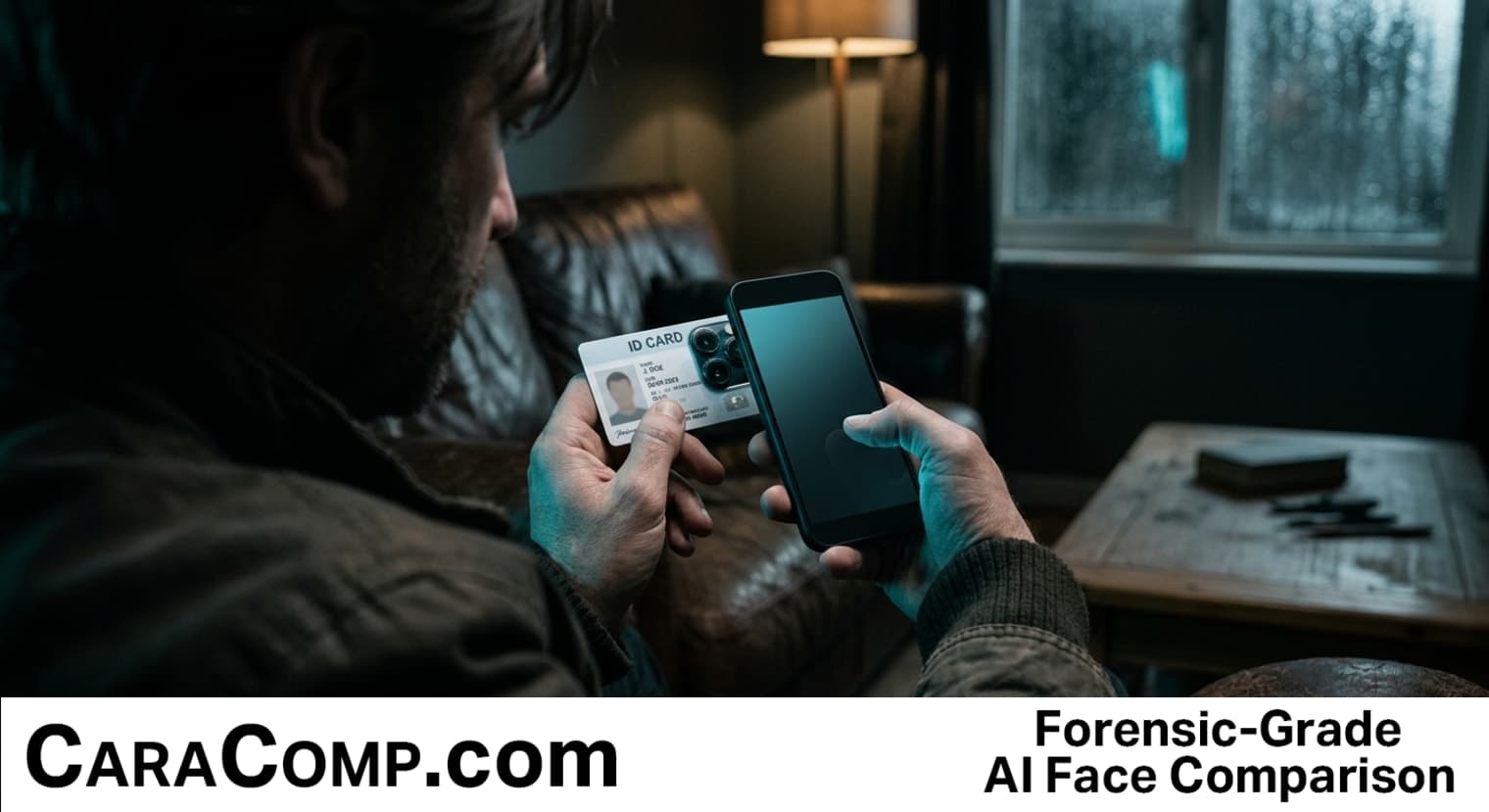
Picture this: you're at the bar, it's loud, the bouncer's bored, and instead of digging out your driver's license, you just hold up your phone and let it scan your face. Two seconds later, you're in. No ID, no eye contact, no awkward "you look younger than that" comment. Sounds great, right? Except somewhere in that two seconds, your face just got measured, matched, and logged by a system you didn't build, can't see inside, and probably didn't read the terms and conditions for.
UK age verification is moving out of your phone and into your local pub, where bars and restaurants have now been cleared to use face scans instead of physical ID to check you're over 18 starting September 15, 2026.
UK age verification is expanding from websites and apps into real-world pubs and bars, where a face scan can now replace a physical ID card to prove you're over 18.
Here's the thing that's easy to miss in all the "convenience" talk: this isn't a phone app quietly checking a box before you scroll TikTok. This is a bouncer's job, done by a camera, at the door of a real building, on a Friday night, when you've had a couple already and just want to get inside. Starting September 15, 2026, pubs, bars, and restaurants across the UK are allowed to use biometric scan technology (that's tech that reads unique physical features, in this case your face, to confirm who you are) as an accepted way to prove you're old enough to drink. It's part of a bigger push around digital ID in the UK, and it's arriving faster than most people clocked. Much of this activity traces back to the Online Safety Act, the safety act that first pushed platforms and venues alike toward stronger age assurance, and it's why safety has become the word attached to almost every age check story this year. Security around how that data gets handled matters just as much as the scan itself.
UK Age Verification, Online Safety, and Age Assurance Move From Screens to Storefronts
For the last few years, "age verification" has mostly meant clicking "yes I'm 18" on a website, or occasionally uploading a selfie to unlock an app. That's already been happening on social platforms under the online safety rules, as covered when AOL UK's reporting on this same rollout laid out. Online safety has become the umbrella term for a wave of verification requirements aimed at both children and adult users, and this new step is different because it's physical. It's happening at the literal door of a building where alcohol is sold, and it changes who's checking your age from a person to a piece of software, with users expected to trust that the underlying age verification process actually works. Platforms and venues alike now share a stake in getting this right for every user affected.
The system works through what's called a DVS, or Digital Verification Service (basically, a government-approved company that checks your ID once, then issues you a reusable digital credential you can flash later). You enroll one time, scanning a real document and your face, which counts as identity verification, and after that, showing your age at the bar is supposed to take about 30 seconds, according to reporting from TechRadar. Thirty seconds sounds fast until you're the third person in line, the lighting's bad, and the app can't quite match your face to your enrollment photo. Then it's not fast at all. It's the world's most awkward queue. This article is part of a series, start with Deepfake Impersonation One Fake Call Cost 25 Million Podcast.
Biometric Age Verification, Age Proof, and the Skin Appear Too Smooth Problem
One quirk worth knowing: facial age estimation tools (software that guesses your age range from your face, without needing your ID at all) can get confused by things that have nothing to do with how old you actually are. Bad bar lighting. A filter. Even skin that looks unusually smooth in a photo, since some systems read very smooth skin as a sign of youth, when really it might just be flattering lighting or makeup. If your skin appear too smooth in the reference photo the system is comparing you to, that alone can throw off the age proof it's trying to confirm and get you flagged for a manual check you didn't expect.
Let that number sit for a second. Eighty three percent accuracy in the exact age range this whole system was built to police. That means roughly one in six people right at the edge, the 17 year olds trying to verify age and sneak in and the 19 year olds who genuinely look 16, are going to get a wrong read from the machine. Not from a bouncer having a bad night. From the software itself. Children in that borderline bracket are exactly the users this whole process is meant to catch, for better or worse.
Why the Verification Process for Users Feels Different Than Showing a Driver's License
Here's where it gets interesting. The government's messaging leans hard on privacy: a face scan just returns a yes-or-no on your age, not your name, your address, or your date of birth splashed across a bouncer's phone the way a physical ID does. That part's true, and it's a fair point. But it skips over where the real exposure happens for users and platforms handling this data, and where security gaps might sit unnoticed.
Big Brother Watch has raised concerns about the policy gap around venues that can now legally require digital verification instead of accepting physical ID, and about where enrollment data ends up in the chain.
as reported by NewsBreak
Think about it this way. With a physical driver's license, you decide when and where to show it, and once the bouncer glances at it, it goes back in your pocket. With a digital ID, you had to enroll first, which meant handing over a scanned document and a face scan to a company you may never think about again. That data doesn't vanish after the 30-second bar check. It lives somewhere, on somebody's server, and the government's privacy pitch is really about the moment of use, not the moment you signed up. That's the swap nobody's shouting about: less exposure at the door, but a whole new pile of biometric data (your face, your fingerprints, the physical stuff that's uniquely you) sitting in a database from the moment you first enrolled, with platforms across the United Kingdom now expected to manage that data responsibly.
Does UK Age Verification at Pubs Replace My ID Completely?
No, not yet. Venues that want to keep taking a physical driver's license or passport can still do that. The catch is that venues are also now allowed to require the digital option instead, which is the piece Big Brother Watch has flagged as a real gap. Nothing forces a bar to accept your old-fashioned card if it decides digital-only is easier for its staff. Previously in this series: Deepfake Scams Singapore Acts As Fraud Attempts Jump 1 300 P.
Why UK Age Verification and Online Safety Act Rules Matter at the Bar
- ⚡ Enrollment is the real exposure pointyour face and ID document get scanned once during setup, and that's the data that sticks around longest, not the quick bar check itself
- 📊 83% accuracy has real edgesroughly one in six people in the 15-30 age bracket could get a wrong read from the system, meaning more manual checks, not fewer
- 🔮 "Optional" could quietly become "expected"nothing stops a venue from making digital ID the only accepted option, even though the law doesn't require it today
- 🌍 This isn't isolated to pubsit's part of a wider wave, including age checks on betting apps, showing biometric verification is spreading fast across everyday life, not just nightlife, and increasingly touching content moderation on platforms children use too
What This Means for You: A Practical Look at Age, Safety, and Verification
So what does this actually mean for you, personally, the next time you're heading out for a drink? It means the request "prove you're over 18" now has two very different paths, and they carry different risks. One path, you show a card, it gets a glance, it goes back in your wallet. The other path, your face gets read by a camera connected to a system that already has a copy of your identity on file from when you enrolled, a system built under the same age assurance push shaping pornography sites and other platforms across the United Kingdom.
| Physical ID check | Biometric age verification | Status |
|---|---|---|
| Data shown at the door | Name, address, date of birth, photo, all visible | Standard practice |
| Data shown at the door | Just a yes or no on age, no personal details displayed | Enacted 2026 |
| Where your data lives | In your wallet, under your control | Standard practice |
| Where your data lives | Enrolled once with a Digital Verification Service, stored elsewhere | Enacted 2026 |
| Accuracy risk | Human judgment, occasional mistakes, no measured error rate | Ongoing |
| Accuracy risk | Around 83% accuracy for 15-30 age range, per facial age estimation research | Under review |
| Security scope | Covers platforms, venues, and children under the safety act | Under review |
This is the CaraComp gut check we always come back to: if you've ever wondered whether a photo or a profile is really who it claims to be, that's the exact question this kind of tech exists to answer, and it's worth caring just as much about the answer when it's your own face on the line. One useful thing you can actually do here, before you tap "scan" at any bar: ask the venue if physical ID is still accepted as a backup, since verification requirements can differ from one venue to the next. If the answer is no, that's a sign the "optional" digital ID conversation has already quietly ended for that pub, and you should know that going in, not find out mid-queue.
UK age verification through biometric scans at pubs is genuinely faster and hides more personal detail at the door, but it shifts the real privacy risk to the moment you first enroll, and with 83% accuracy in the exact age range being checked, the system will get a real number of people wrong before it gets them right.
Biometric Age Verification and the Line Between Optional and Expected
The government keeps calling this optional. Fine, today it is. But technology like this has a track record of starting optional and ending up standard within a few years, once enough venues adopt it because it's cheaper and faster than training staff to spot a fake ID. Watch what happens over the next couple of years, not what's promised now.
So here's the real question nobody's asking loudly enough: if a machine only needs to know one thing about you, whether you've cleared 18, why does getting that single yes-or-no answer require building a permanent record of your face first? The number the bar needs is tiny. The file it's building to get that number isn't. Up next: Deepfake Scams Singapore Acts As Fraud Attempts Jump 1 300.
uk age verification: Frequently Asked Questions
Is UK age verification with a face scan mandatory at every pub now, under the Online Safety Act?
No. As of September 15, 2026, pubs and bars are allowed to use biometric scan technology as one accepted way to verify age, but they're not required under the Online Safety Act to switch away from physical ID entirely. Some venues may choose digital-only setups as part of the wider age assurance push, though, so it's worth asking before you show up expecting your old driver's license to work. Safety remains the stated goal, but the rules leave venues plenty of choice, and platforms serving children face separate obligations too.
Can a bar tell if my ID or my face doesn't match because my skin appear too smooth in a photo?
It's possible. Some facial age estimation tools read very smooth-looking skin, whether from lighting, filters, or makeup, as a sign of youth, which can throw off the age estimate during the verification process and trigger a manual review. This is one of several quirks in the current 83% accuracy range for the 15-30 age bracket, and it's part of why experts say the technology isn't flawless yet, especially when checking age proof for people near the cutoff.
How is biometric age verification different from just showing my driver's license?
A driver's license shows your full name, address, birthdate, and photo to whoever's checking it. Biometric age verification, by contrast, is designed to return only a yes-or-no on whether you're old enough, without displaying your other personal details. The trade-off is that to get that quick answer, you had to complete identity verification once beforehand, submitting a document scan and a face scan to a Digital Verification Service that stores that data separately, a setup increasingly common across the United Kingdom.
What happens to my face scan data after I use it at a pub?
The specific retention rules depend on the Digital Verification Service a venue partners with, and this is exactly the part privacy groups like Big Brother Watch say deserves more scrutiny under the Online Safety Act. The 30-second check at the bar is quick, but your enrollment data, the original document and face scan you submitted when signing up, is stored elsewhere and for an unclear length of time, which is the real long-term exposure point for users and platforms alike, a security question that matters to every user affected.
Do I still need to carry a physical ID if my pub accepts digital age verification?
It depends on the venue. Some bars will keep accepting physical ID as a backup option, while others may lean fully into digital checks once they've adopted the technology under the safety bill framework shaping age assurance nationwide. Since the law allows venues to choose either method, the safest move is to keep a physical ID on you regardless, at least until it's clear how consistently pubs will honor both options going forward, particularly for children approaching the legal drinking age.
Ready for forensic-grade facial comparison?
Full forensic reports with detailed similarity scoring. Results in seconds.
Run My First SearchMore News
Age verification software: court orders birth proof checks
A court in India just told marriage registrars they can't rubber-stamp underage marriages anymore. Here's why that one paperwork rule matters way more than it sounds.
digital-forensicsDeepfake scams: Singapore acts as fraud attempts jump 1,300%
Singapore is rethinking how banks verify identity because deepfake scams have made "I heard my son's voice" useless as proof. The fix starts with a number: zero.
ai-regulationDeepfake impersonation: one fake call cost $25 million
A single deepfake video call convinced real employees to move real money. Singapore is now rethinking how its whole financial system checks identity — here's what it means for the rest of us.