
EU Biometric Border Checks: Entry Exit System Queues Hit 5 Hours
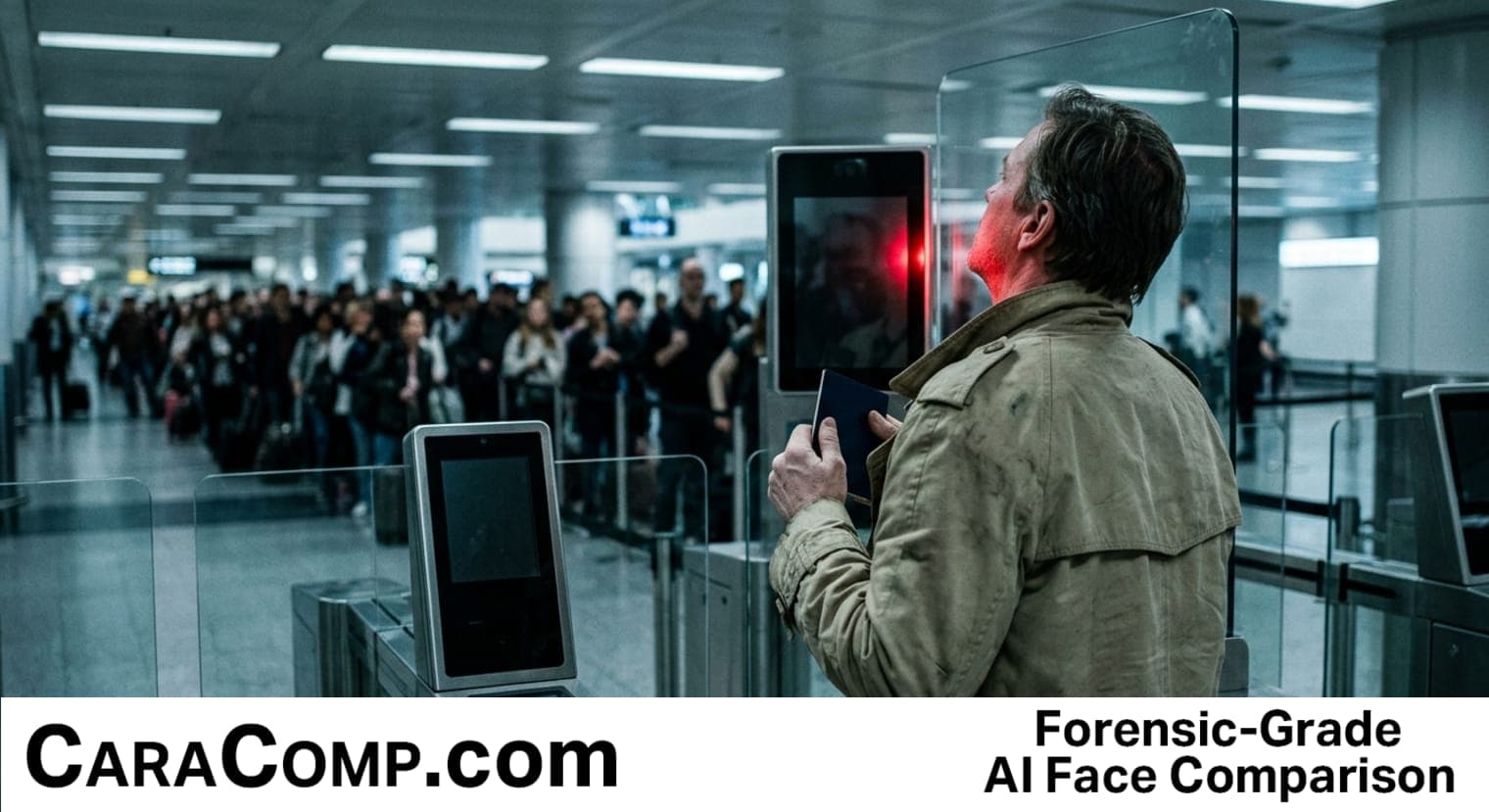
Quick answer
What happens if the face scan fails at EU border checks?
If the face scan fails, an officer should process you by hand, so ask calmly for a manual check. Reported causes include software errors, idle scanners and thin staffing. A bad angle, poor light or an old passport photo can also cause a mismatch. Note the time, and leave extra time before connections.
Picture this. You land in Europe after a long flight, step up to a camera, and the screen refuses to recognize your face. EU biometric border checks were sold as the fast lane. Right now, for a lot of people, they are the slow one.
EU biometric border checks are jamming up at airports, and airlines want a clear human backup so a failed face scan never turns into a missed flight.
Short answer to the question you're probably asking at 11pm: you are not in danger, but your travel day could get messy. And nobody has made it clear who rescues you when the machine says no. That gap is what this story is about.
EU Biometric Border Checks and the EES: What Happens When the Face Scan Fails?
Here is the setup. The Entry Exit System, called the EES system, is the European Union's new digital border. It replaces the old passport stamp with a digital record that tracks non-EU travelers entering and leaving. Under the rules, third-country nationals, meaning non-EU citizens, will provide fingerprints and a facial image (the biometric data that is uniquely you) the first time they cross. After that, the system is supposed to recognize them quickly.
It became fully operational on April 10, 2026. Six months later, according to Biometric Update, airlines and airports are asking for an overhaul. They have put forward six structural changes. Their complaint is simple: lines are long, and the promised speed never showed up.
Biometric Border Checks at the Airport: Where the Line Stalls
Why does a face check back up a whole terminal? Mostly because the pieces behind the camera don't always work. Biometric Update reports that software errors have kept biometric data from being sent correctly. Scanners at airports and ports have sat idle. Border control officers then had to go back to checking people by hand, which is exactly the slow process the machines were meant to replace.
It started rough. ID Tech Wire described launch-day technical failures and 90-minute queues at Prague. Manual processing was the fallback. So the backup plan was real, but it was improvised, and the lines behind you grew while the officers improvised it. This article is part of a series, start with Deepfake Fake Kiss Photo Of Georgia Mayor Outran The Law.
Industry leaders say the delays are "no longer a teething problem."
Airline and airport representatives, as reported by Biometric Update
That phrase matters. "Teething problem" is what you say when you expect it to fix itself. Dropping it means the people who run the gates and fly the planes have stopped waiting.
Why Are EU Biometric Border Checks Failing in Schengen?
Mostly because the machines, software and staffing are not keeping up with the crowd. Reported software errors stopped biometric data from being sent properly, scanners sat idle, and officers fell back to manual processing. Airlines and airports say this is no longer a launch hiccup but a structural problem that needs a fix.
Look, nobody's saying face checks are useless. The matching part can work fine in a calm test. The trouble starts when millions of tired people, old equipment, thin staffing and shaky connections all meet at once. In my view, the real failure isn't the face scan. It's that a failed scan leaves a person standing there with no clear next step.
Which Countries Got Extra Flexibility?
The European Union itself blinked. It let nine Schengen countries delay full EES biometric checks, according to Biometric Update's reporting. The same coverage points to software transmission errors and industry pressure as the backdrop. Meanwhile, IATA, the airline trade group, listed conditions for lifting the temporary safeguards.
There are four. The system should only be fully enforced once there is enough staff, hardware and software that works, self-service kiosks and gates that are really running, and wider pre-registration tools. Inconsistent performance across Schengen area member states has already led to missed flights and passengers being offloaded (taken off a flight). Whatever the European Commission and member states do at the October 2026 reset, travelers will be watching to see if these four basics get fixed.
Why EU Biometric Border Checks Matter to Ordinary Trips
- Missed connections because a queue ate your layover.
- Unclear rescue plan when the camera and your passport photo don't agree.
- Uneven service because each country runs its own rollout at its own pace.
What the Promise Looked Like Next to the Reality
| What was promised | What was reported |
|---|---|
| Fast border crossings at every airport | Queues over two hours, up to five at peak |
| Self-service systems capture biometric data smoothly | Software errors and idle scanners at airports and ports |
| Automation replaces slow manual checks | Officers reverted to manual processing |
| One rule for every Schengen area member | Nine countries allowed to delay full checks |
What Travelers Should Do About EU Biometric Border Checks Before the Line
If you've ever wondered whether a photo or a face is really who it claims to be, that's the exact question this kind of technology exists to answer. It's a fair question at a border too. And it's also why a mismatch isn't always your fault: lighting, a camera angle, an old passport photo or a glitch can all trip it. Previously in this series: Identity Theft Affidavit 3 Mistakes That Sink Victims.
Here's the one thing worth doing. Before you fly, look at your passport photo and ask whether a camera would link it to the face you have today. If it's old, expect a few extra questions. Then, if a scan fails, calmly ask for a manual check by an officer and note the time. A clear record helps if you later need to explain a delay to an airline.
Entry Checks, Passport and Photo: A Quick Prep List
- Passport first: keep it handy, undamaged and easy to open to the photo page.
- Facial image: take off hats and glasses if asked, and look straight at the camera.
- Layover buffer: leave extra time when connecting through a busy European airport.
- Registration: use any pre-registration tool your airport or airline offers.
Who to Ask for Help Inside the Schengen Area
Ask the nearest uniformed border control officer, not another kiosk. Say plainly that the face scan failed and you need a manual check. Be polite, be patient and stay put. Airlines can often help with rebooking afterwards, but the border decision belongs to the officer in front of you.
ETIAS and What Comes Next for EU Biometric Border Checks
Another piece is coming. ETIAS is a separate online travel authorisation (a permission you get before the trip) meant for visa-exempt visitors. It's easy to mix up with the EES, but it's a different tool. The EES system logs entry and exit at the external borders. ETIAS is the advance screening. Together they push more of the checking onto systems and onto you, the traveler, before you reach a human.
That raises the stakes on implementation. Citizens of European countries mostly won't feel any of this. Visitors will. If the EU wants secure biometric checks that people trust, the fix isn't glamorous. It's more staff, steadier software and a posted, human appeal path at every crossing, in every member state, spelled out in plain words. Fast is nice. Fair is the point.
EU biometric border checks only work if a trained person and a quick appeal path are always there when the system gets it wrong. Until then, expect delays, plan extra time and know that the EU's new digital border still needs a clear human backup.
So here's the question I'd put to every border official in Brussels: if a face scan can decide whether a family makes its connection, why does nobody at the gate have a sign saying who to ask? Up next: Deepfake Fake Kiss Photo Of Georgia Mayor Outran The Law.
EU Biometric Border Checks: Frequently Asked Questions
What is the EU's new digital border and who has to use it?
The EU's new digital border is the Entry Exit System, which logs when visitors from outside the European Union arrive and leave. Non-EU citizens will provide biometric data, including a facial image, at their first crossing, and the system then handles registration on later trips. It is aimed at short-stay visitors, not at citizens of EU countries. Reports say it has been fully operational since April 10, 2026, and that rollout has been uneven.
How do self-service systems capture biometric data at the border?
Self-service systems capture biometric data through kiosks and gates, where you will be photographed and may have your fingerprints scanned. Your face is then compared with your passport details and the stored biometric data. When the kiosks or software fail, as has been reported at some airports, officers go back to manual processing. That means a person checks your documents and face directly, which is slower but still gets you through.
Can facial recognition at the border get my face wrong?
Yes. Academic analysis from the Refugee Law Initiative notes that face matching can produce false rejections and false acceptances, and that errors can carry legal and discriminatory consequences. A bad angle, poor light or an old passport photo can all cause a mismatch. That is why secure biometric checks need a human reviewer, since biometrics (body-based identity data) are not perfect and mistakes should be fixable fast.
Is ETIAS the same as the EES?
No. The EES records entry and exit at border crossings, while ETIAS is a separate travel authorisation that visa-exempt visitors would apply for online before traveling. One is a check at the border, the other is a permission before you go. Both affect travelers across European countries, so it helps to know which is which when you read the news.
Why are EU biometric border checks causing long delays?
The reported causes are software errors that stopped biometric data from being transmitted, scanners sitting idle, thin staffing and kiosks or gates not working everywhere. When automation fails, officers process passengers by hand, and queues grow. Biometric Update reports waits often over two hours and up to five at peak times. Industry groups want enough staff, reliable systems, working gates and wider pre-registration before full enforcement.
Could I miss my flight because of EU border checks?
It can happen. Biometric Update reports that inconsistent performance across member states has already caused missed flights and offloaded passengers. Implementation differs by country across the Schengen area, so a smooth airport one week can be a jam the next. Keep your passport ready, leave a generous layover and tell an officer right away if a scan fails. Airlines and airports are pushing for clearer human backup in EU biometric border checks so a glitch doesn't cost you your trip.
Ready for forensic-grade facial comparison?
Full forensic reports with detailed similarity scoring. Results in seconds.
Run My First SearchMore News
Age verification: Google and Bing now check Aussie adults
One site's return to Australia shows age checks now reach every adult, not just kids. Here are the questions worth asking before you prove your age online.
facial-recognitionFace Bank: Wrong Identity Match Jails Grandmother 6 Months
A grandmother says a face-matching system put her in jail for six months over crimes in a state she never visited. Her $10 million lawsuit asks a simple question: who checks the computer?
privacyAge Verification: Supreme Court Eyes Liquor Shop ID Checks
India's Supreme Court wants to know why the government hasn't answered a petition on age checks at liquor shops. The real question is whether a check can say "old enough" and keep nothing else.