
Deepfake Scams: Singapore's Deepfake Fraud Call Prefix Fix
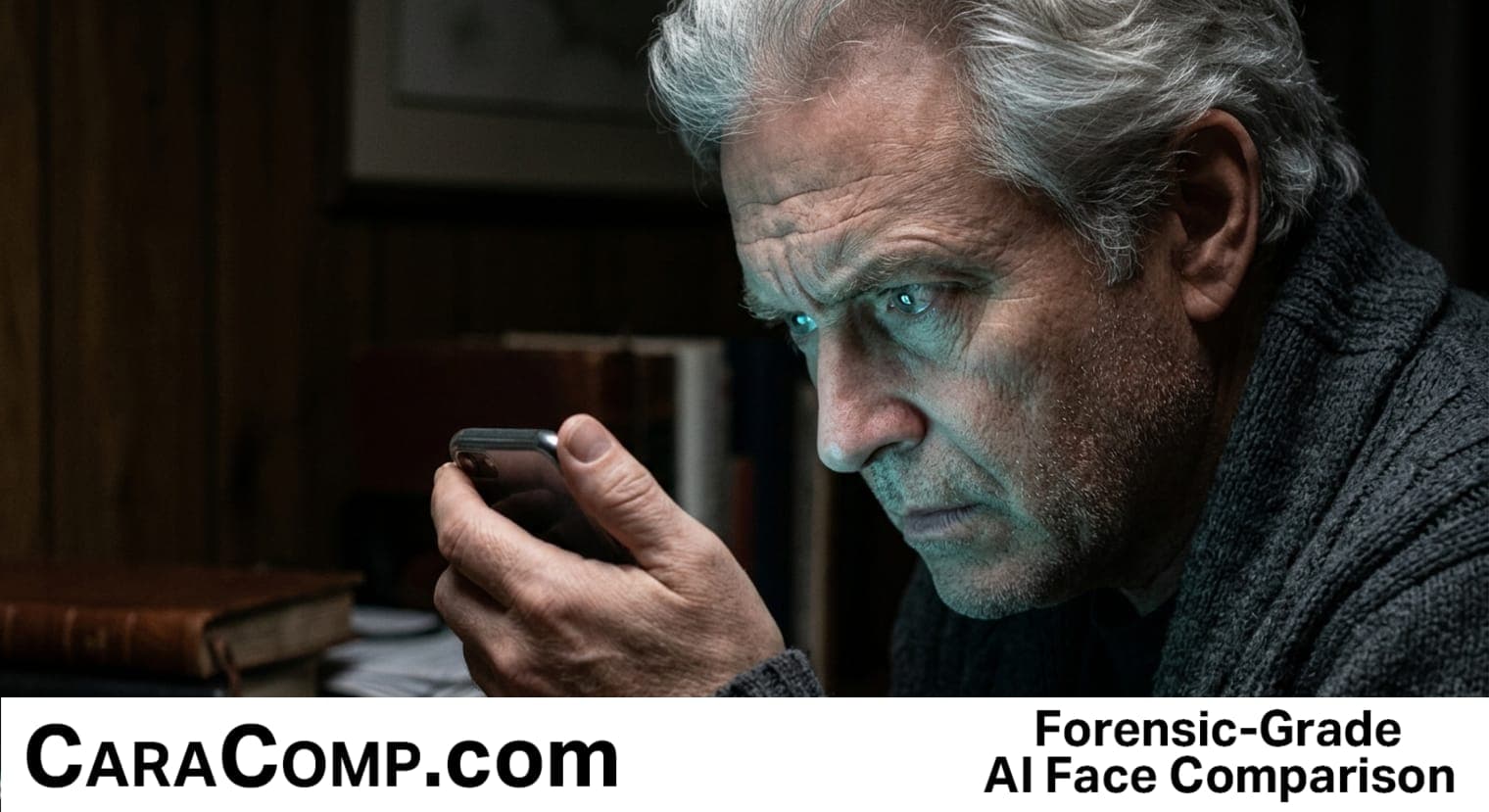
Your phone rings. The caller ID says it's a government office. The voice sounds exactly like the officer you spoke to last month, same tone, same accent, same little pause before he says your name. Except it's not him. It's a machine that learned his voice from a few seconds of audio, and it's about to ask you to move your savings "for safekeeping" as part of a deepfake scam.
Deepfake scams have gotten so convincing that Singapore is no longer telling people to "be careful", it's rebuilding the phone system itself, piloting a common prefix on government calls so a fake voice can't hide behind a fake number.
Deepfake scams pretending to be Singapore government callers doubled in a year, so the government is testing a shared prefix, basically a verified tag, so people can spot a real official call before they ever answer, cutting off this kind of fraud and scam before it starts.
Here's the part that should worry you: this isn't a hypothetical "someday AI could fool us" story. It already happened. A deepfake attack tied to roughly S$5 million in losses is what pushed Singapore's Deputy Chairman of the Monetary Authority, Chee Hong Tat, to bring this up in Parliament. That's not a lab demo. That's someone's retirement money, gone, because a voice on the phone sounded exactly right, the result of a deepfake scam and deepfake fraud that worked exactly as designed.
Why deepfake scams, deepfake fraud, and deepfake phishing turned a phone-system problem into more than a "be smarter" problem
For years, the advice for avoiding scams was basically "trust your gut, hang up if something feels off." That advice assumed you could tell when something was off. Deepfake scams break that assumption completely. A deepfake is a fake video or audio clip made by AI that's trained to copy a real person's face or voice, and current tools need only a few seconds of someone talking to build a clone convincing enough to fool their own family. This kind of voice cloning is at the center of nearly every modern deepfake scam, and it's why deepfakes voice fraud has become such a fast-growing security concern, and why deepfakes as a category now sit at the top of most fraud watchlists. Caller ID, the little name or number that pops up when your phone rings, was never built to survive this. Scammers can spoof it (fake it to show any number they want) with barely any technical skill. So you end up with a real-sounding voice, attached to a real-looking number, and absolutely nothing about the call is real, a setup built specifically for a voice scam or a broader video scam using the same cloned footage, and a pattern investigators now recognize across nearly every reported deepfake fraud case.
That's the gap Singapore is trying to close. According to Fintech News Singapore, the government is piloting a shared prefix, a short code stamped on the front of the caller ID, that will appear on calls from real government agencies. Think of it like a watermark for phone calls. If the prefix isn't there, or it's wrong, that's your signal something's off, even if the voice on the other end is perfect and the fraud attempt feels convincing. This article is part of a series, start with Uk Age Verification 1 400 Vpn Privacy Signup Surge Podcast.
Deepfake scams, deepfake schemes, and the deepfake phone scam problem nobody can out-vigilance their way out of
You cannot train instinct to beat a machine that clones a voice from three seconds of audio. That's the honest, slightly uncomfortable truth here. The people getting hit hardest prove it: the majority of victims in these government impersonation scams were aged 65 and above, according to the research cited in Singapore's reporting. These are not careless people. They're people who grew up trusting that if a voice sounds like your bank manager, it probably is your bank manager. That rule worked for decades against ordinary fraud. It doesn't work anymore against modern deepfake schemes, and no amount of "just be more skeptical, grandma" fixes a problem that's technical at its core.
What Singapore's fix for deepfake scams, deepfake fraud, and voice spoofing actually changes for you
The honest answer to "does this fix everything" is no, but it changes the burden of proof, which matters more than it sounds like. Right now, if you get a call and the voice sounds official, you're expected to somehow prove to yourself it's fake despite convincing voice spoofing. That's backwards. With a common prefix, the system does some of that proving for you, before you even pick up.
Bank controls alone cannot stop scams; Singapore needs safeguards involving financial institutions, online platforms, government agencies, and the public.
Chee Hong Tat, Deputy Chairman, Monetary Authority of Singapore, as reported by Fintech News Singapore
That quote matters because it admits something a lot of institutions don't like admitting: no single company, app, or bank can solve this alone. It takes the phone carriers, the banks, the platforms, and yes, the government itself, all agreeing to build a shared signal that's harder to fake than a voice, and a security layer that works even when a scam deepfake is flawless. According to OpenGov Asia, this call prefix is one piece of a wider set of security safeguards Singapore is rolling out against AI-enabled impersonation, not a standalone gadget, and it works alongside deepfake detection tools banks and platforms are also testing, part of a broader push against fraud that spans agencies, not just phone carriers.
Why deepfake scams and voice scams change how you should answer the phone
- ⚡ Caller ID is not proofa spoofed number and a cloned voice can both look and sound completely legitimate, the same trick behind most modern fraud calls
- 📊 Older adults are targeted hardestmost victims of these impersonation scams in Singapore were 65 or older
- 🔮 Trust now needs a second channela real government office, bank, or school should offer you a way to confirm through a separate, known contact method
- 🧩 Vishing is the new phishingdeepfake vishing (voice phishing using a cloned voice) is designed to feel more personal and more urgent than a text scam ever could
How real government calls will differ from deepfake scams and deepfake phone scam tactics once the prefix rolls out
The table below lays out the practical difference, once this pilot is live, between an authentic government call and one built by a scammer using deepfake tools, whether it's a straightforward voice scam or a more elaborate scam deepfake video.
| What a real government call will show | What deepfake scams typically show instead | Rollout status |
|---|---|---|
| Common prefix attached to caller ID | No prefix, or a spoofed number with no verification tag, a classic sign of fraud | Piloting 2025 |
| Voice may be unfamiliar or generic, but number is verifiable | Voice sounds exactly like a known contact, cloned from seconds of audio using voice cloning tools built for deepfake fraud | Voice cloning flagged as ongoing risk |
| No urgent pressure to move money mid-call | High pressure, secrecy, and urgency, classic deepfake vishing and fraud tactics | Advisory issued by police |
| Backed by a second verification channel across agencies, banks, and platforms | Relies entirely on the call itself sounding convincing in the moment | Expanding safeguards, per OpenGov Asia |
Notice what's missing from that comparison: nothing about "trust your gut." That's deliberate. Deepfake scams are engineered specifically to beat your gut, whether the attack arrives as a voice scam, a video scam, or plain deepfake phishing over text. The fix has to happen at the system level, or it doesn't happen at all. Previously in this series: Illinois Bipa Court Exempts Home Care Fingerprint Scans Podc.
Deepfake phone scam and deepfake attack tactics scammers will try next
A prefix helps, but it's not magic, and it's worth saying plainly: once scammers learn the prefix exists, they'll try to fake that too, or shift tactics entirely toward a fresh deepfake attack, maybe through texts, emails, or platforms the prefix doesn't cover. Singapore's own police have flagged this kind of AI-driven digital manipulation, including advanced voice cloning and evolving fraud tactics, as an ongoing threat, not a solved one, in their joint advisory on scams. The prefix buys real protection today. It's not a permanent finish line, and better deepfake detection will need to keep pace with each new deepfake scam variant, including whatever fraud pattern replaces today's voice cloning tricks.
If you're worried about deepfake scams, scams generally, or fraud targeting your family, here's the one thing worth watching
If you've ever gotten a call, a video, or even a photo and thought "wait, is this actually them," you're not being paranoid, you're asking the exact question this whole field of verification technology and deepfake detection exists to answer. Here's one concrete thing you can do starting tonight, before you buy or download anything: agree on a family password. A simple word or phrase that only your real spouse, kid, or parent would know, that you'd ask for if a call ever felt slightly off, even if the voice sounds perfect. It costs nothing, takes two minutes to set up, and it's the single move that beats a voice clone every time, because the AI can copy a voice, but it can't guess a private code word you never said out loud on any recorded call, which is exactly the kind of low-cost security that stops most fraud attempts, scam calls, and deepfake schemes cold.
Deepfake scams have made a familiar voice worthless as proof of identity, which is exactly why Singapore's government calls pilot skips human judgment entirely and builds verification and security into the phone system itself.
There's also a slower, quieter shift happening underneath this story. As deepfake scams get better and deepfakes spread across more channels, the burden of proof is going to keep moving away from "does this feel real" and toward "can this be verified against something concrete." That's true for phone calls. It's increasingly true for photos and videos too, and it's true for every scam that leans on a cloned voice instead of a real one. If a stranger's profile picture, a supposed dating match, or a video someone sends you feels a little too smooth, a little too perfect, that instinct is worth trusting even if you can't say exactly why. Skin can appear too smooth, lighting can look slightly wrong, blinking patterns can feel off, these are small tells, and they're getting harder to spot by eye alone, which is exactly why infrastructure-level security checks, not individual vigilance, are where this is all heading, especially as deepfakes get folded into ordinary fraud and scam attempts across email, dating apps, and video calls alike.
Singapore government calls prefix pilot, what happens if it works against fraud
If the pilot succeeds, expect other countries to copy it fast, the same way SMS spam filters and email authentication spread once one government proved they worked against fraud and scams. If it fails or gets bypassed, expect a harder conversation about whether phone networks need to rebuild trust and security from the ground up, not patch it.
The uncomfortable question underneath all of this: if a government has to invent a secret handshake just so its own citizens can trust a phone call, what does that say about every other call you answer this week, the one from your bank, your kid's school, your doctor's office, none of which have a prefix yet? Up next: Credit Card Age Verification Steam Skips Age Estimation.
deepfake scams: Frequently Asked Questions
What exactly is Singapore's common prefix for government calls?
It's a short code attached to the caller ID on calls made by real Singapore government agencies. When your phone rings, that prefix appears alongside the number, giving you a quick way to check the call is genuinely from a government office rather than a scammer using deepfake scams, deepfake phishing, deepfake fraud, and spoofed numbers to look official. It's a small piece of security, but it closes a gap that ordinary fraud checks never covered.
Can deepfake scams combine voice spoofing and a deepfake attack at the same time?
Yes. Caller ID spoofing (making a call display any number the caller wants) requires almost no technical skill, and voice cloning tools can copy a real person's voice from just a few seconds of audio. Combined, deepfake scams can produce a call that looks and sounds completely legitimate, which is exactly why Singapore is building security and verification into the phone system instead of relying on people to detect fakes by ear, since fraud built on voice cloning rarely announces itself.
Why are older adults targeted more by deepfake phone scam and voice scams tactics?
According to Singapore's reporting, the majority of victims in government official impersonation scams were aged 65 and above. Scammers deliberately target older adults because they're more likely to trust an official-sounding voice or number without a habit of independently verifying it, and deepfake vishing is specifically designed to feel personal and urgent enough to skip that step, turning ordinary trust into an opening for fraud and scam losses that are hard to reverse.
Does a common prefix mean deepfake scam and deepfake schemes risk is solved?
No. It's one safeguard among several, alongside bank controls, platform rules, and public awareness, and Singapore officials have said explicitly that no single fix stops these scams. Determined scammers can still shift tactics once a prefix becomes widely known, which is why this is described as a pilot against fraud, not a finished solution, and why ai voice cloning tools will keep pushing scam tactics forward even after the rollout.
What should I do if I get a suspicious call claiming to be from a government office or bank?
Hang up and contact the agency or bank directly using a number you already know is real, never one given to you during the call. Agree on a family verification word for personal calls too. Don't rely on how familiar the voice sounds, since deepfake scams and voice cloning are specifically built to defeat that instinct, and verification through a separate trusted channel is the only reliable check against fraud, scam calls, and phishing alike.
Ready for forensic-grade facial comparison?
Full forensic reports with detailed similarity scoring. Results in seconds.
Run My First SearchMore News
Credit card age verification: Steam skips age estimation
Steam now wants Australian gamers to hand over a credit card before they can play mature-rated games they already own. We break down why, and whether there was a gentler way to do it.
privacyUK Age Verification: 1,400% VPN Privacy Signup Surge
The UK wants your phone, not just individual websites, to prove how old you are. That sounds efficient. It also means one privacy mistake follows you everywhere.
digital-forensicsFacial comparison: 150 fake photos, 49% of schools hit
Criminal gangs are blackmailing UK schools with AI-made child sexual-abuse images built from ordinary class photos. Here's what parents and schools actually need to do about it.