In-depth educational content on facial recognition, biometrics, and AI technology.
An insurance fight over face-scan data reveals a myth a lot of businesses believe: that having insurance means you're covered no matter what. Here's the fine-pr
You'll learn why modern face matching turns your face into 512 numbers instead of comparing photos, and why a high similarity score is a clue for investigators,
A password breach is a two-minute fix. A leaked driver's license photo can fuel identity fraud for years. Here's how identity verification actually works, and w
Bangladesh just budgeted $748 million for a national digital identity system, and most of that money isn't going toward face scans. Here's what it's actually bu
You'll learn how a cryptographic "yes/no" proof lets you verify your age online without handing over your birth date, ID, or personal records, and why the tech
An Illinois court just ruled a home care provider exempt from the state's biometric privacy law, and it reveals a fact most people get wrong: handing over your
A single photo ID can't answer three different hiring questions at once. Here's why understanding the difference between identity, authorization, and credential
DHS just committed $440 million to better cameras and scanners, not smarter software. Here's why the quality of the original photo decides whether any facial co
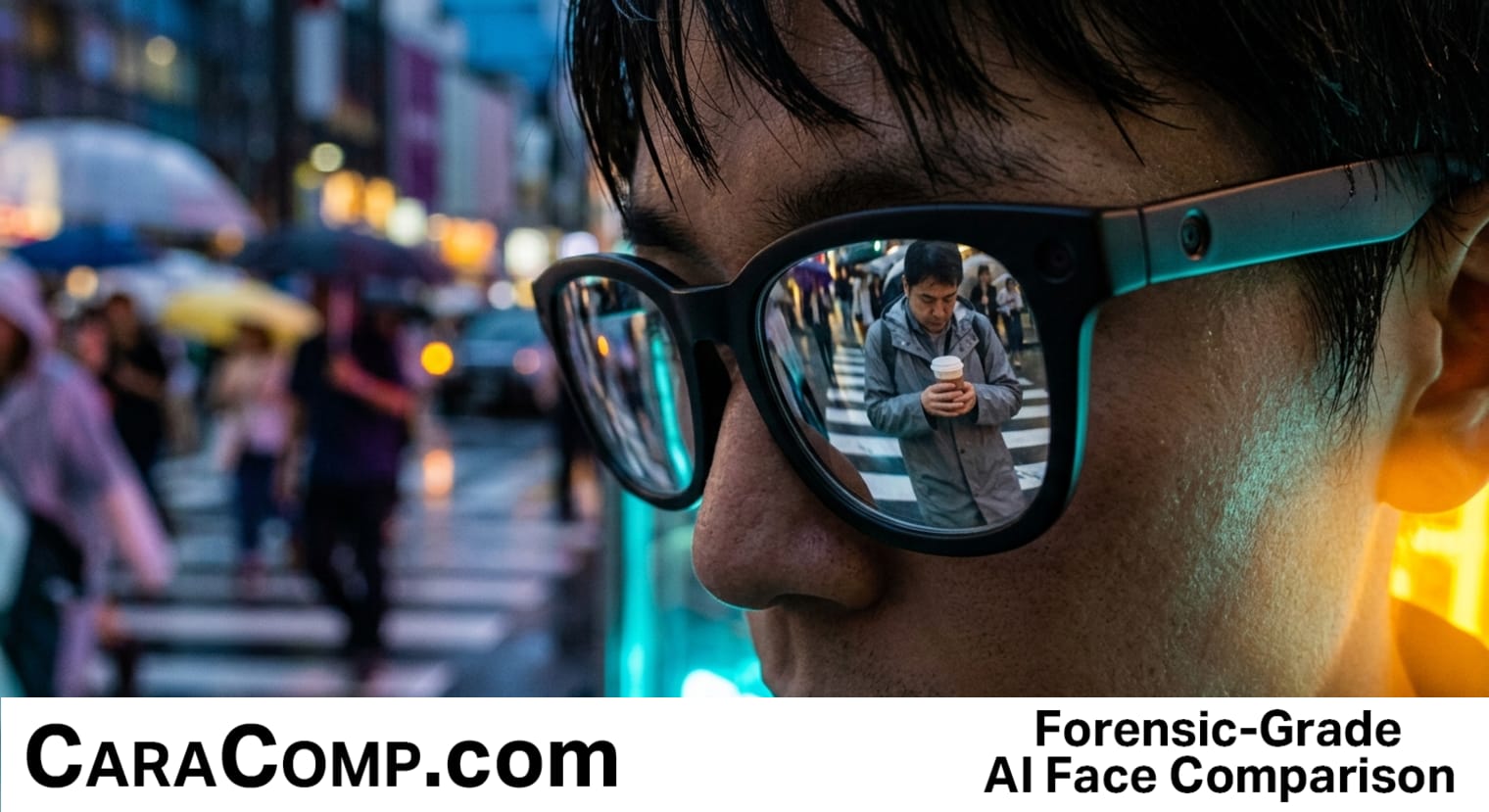
Two Harvard students proved smart glasses could identify strangers on the street in seconds. Here's what that reveals about consent when the camera is invisible
A digital ID on your phone isn't automatically trustworthy just because a government made it. Learn the invisible cryptographic system, called PKI, that actuall
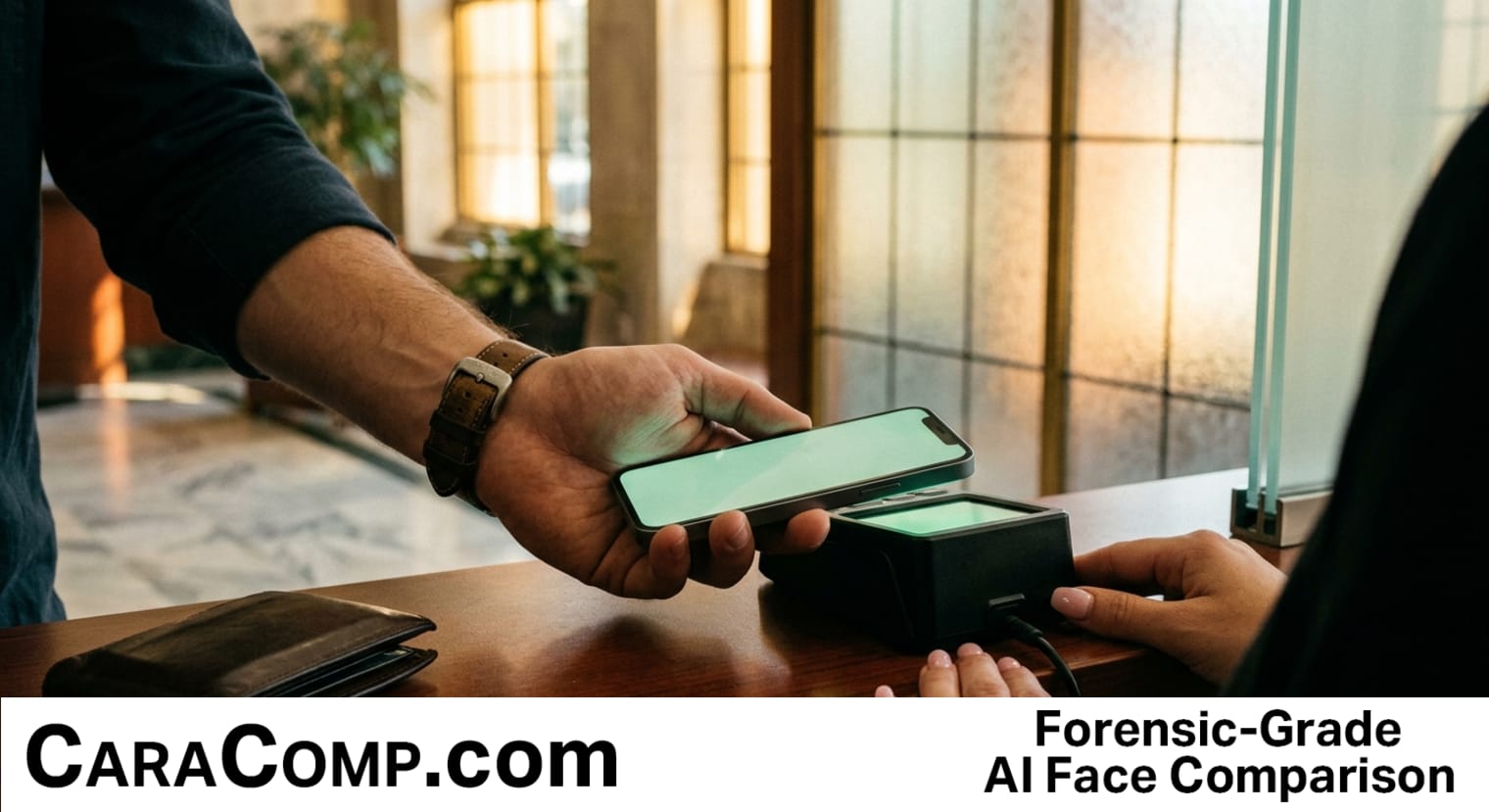
A federal regulator just said banks can accept mobile driver's licenses. Here's the part nobody explained: how a digital ID can prove one fact about you while h
A face scan on a dating app can prove you're not catfishing someone with old photos. It can't prove you're a good person. Here's the exact math behind that gap.
