
Biometrics Security Recognition: 5 Sleep Numbers Map a Cycle
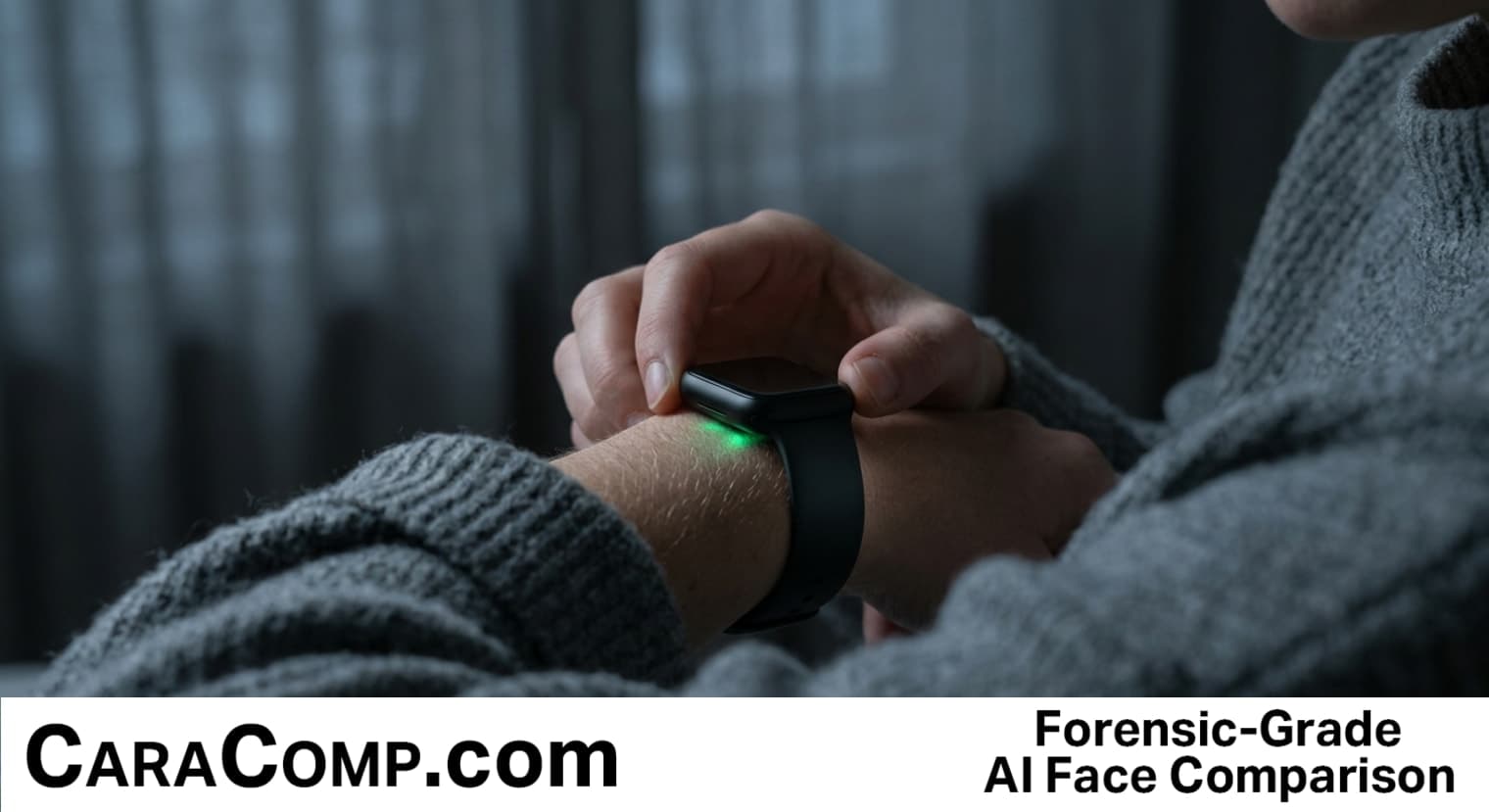
Here's a fact that should stop you mid-scroll: researchers just figured out how to map a woman's entire menstrual cycle, day by day, using nothing but a sleep tracker and five basic biometric numbers. Not a blood test. Not a doctor's exam. Just heart rate, temperature, oxygen levels, breathing rate, and how much you tossed and turned last night. String those five things together over time and you get something that looks a lot like a diary of your body, written without you saying a word.
That's the real story behind a new Stanford-led study on biometrics (the body measurements that make you, biologically, you) and it's a bigger deal than it sounds. Most of us think of biometrics as an identity check: your face unlocks your phone, your fingerprint clears airport security, your voice confirms it's really you on the customer service call. That's authentication. That's security. That's the whole biometric authentication industry as most people understand it. But this research points at something different, and honestly a little more unsettling: what happens when the same numbers used to prove "this is you" get collected again and again, until they start proving something else entirely?
TL;DR
Biometrics used to mean one thing: proving it's you. Now researchers can turn repeated body measurements, like your heart rate and skin temperature over weeks, into a daily map of hidden health patterns, including your menstrual cycle. This is a form of biometric recognition that goes well beyond simple security checks.
What biometrics reveal beyond identification and security, according to Stanford's menstrual cycle study
Let's start with the numbers, because they're wild. Researchers pulled together 1.2 million days of data from 2,596 women who wore biometric devices tracking their sleep. Across those women, the team followed 42,759 separate menstrual cycles. That is not a small pilot study. That is a mountain of data, built one sleeping night at a time, and it let scientists build a day-by-day map of how a woman's body changes across her cycle, using only wearable sensor data. The study appears in npj Digital Medicine, a peer-reviewed research journal published by Nature.
So what were they actually measuring? Five things: resting heart rate, heart rate variability (how much the gap between heartbeats naturally shifts), respiratory rate, skin temperature, and blood oxygen saturation. None of these, on their own, usually reveal cycle timing. Your heart rate right now is just a number. But repeat that number every night for months, alongside four other numbers, and a pattern starts to surface, one that maps onto a biological cycle most wearable companies never designed their devices to track. This is biometric data doing far more work than most people expect from biometric technology.
How biometric authentication differs from biometric identification and pattern inference
Biometric authentication is a single moment: your face, your fingerprint, or your voice compared once against a stored template to confirm identity. This one-to-one check is also sometimes called biometric identification, and it relies on security systems built for a single comparison. Biometric pattern inference is completely different. It happens when the same measurements get collected repeatedly over weeks or months, letting an algorithm find trends the person never volunteered. Authentication answers "is this you?" Inference answers "what is happening inside your body?" One is a lock. The other is a window.
Why repeated biometric data and biometric information create patterns a single scan never could
Here's where it gets genuinely interesting. The Stanford team found that cycle length itself is tied to how much your heart rate and breathing rate wobble across the month. In plain terms: someone with a 28-day cycle shows a different pattern of ups and downs than someone with a 35-day cycle. That means there's no single template that fits everybody. The researchers couldn't just build one universal chart and apply it to every woman. They had to track each individual person over time, because the same five measurements mean different things depending on who's wearing the device. This article is part of a series, start with Deepfake Impersonation One Fake Call Cost 25 Million Podcast.
But wait, it gets more tangled. Sleep duration changed the picture too. Women who slept around six hours a night showed noticeably more variability in their cycle-linked biometric data signals than women sleeping closer to eight hours. Two hours of missing sleep, and the whole signal shifts. That tells you something important: your menstrual cycle isn't a closed loop sitting quietly inside your body, untouched by daily life. It's constantly reacting to what you do, how you sleep, how stressed you are. The biometric device just happens to be recording all of it, whether you meant it to or not.
And here's the part that turns this from "neat science" into something you should actually think about before your next device firmware update: cycle length and cycle irregularity aren't just fertility trivia. Long or irregular cycles have been linked in prior research to cancer, diabetes, cardiovascular disease, bone fracture risk, and even early death. So the same daily biometrics that reveal where someone is in their cycle also brush up against disease risk. Nobody typed "tell my smartwatch about my diabetes risk" into a consent form. But that's roughly what repeated tracking can end up doing anyway. This kind of biometric information sits far outside the usual security conversation.
What You Just Learned
- 🧠 One measurement is limiteda single heart rate reading tells an algorithm little about menstrual-cycle timing
- 🔬 A month of measurements is diagnosticrepeated biometric data forms patterns tied to real physiology
- 💡 Behavior leaks into biologyeven sleep changes the biometric signal, showing how connected these systems are
- 🔐 Identification and inference are different risksone confirms who you are, the other reveals what's happening inside you
Biometrics vs biometric authentication and security: what's actually being protected?
People often ask why this matters if nobody's face or fingerprint gets stolen. Fair question. The answer is that biometric privacy protections were mostly built for one job: stopping someone from faking your identity or stealing an identifier that never changes, like your face or your DNA. They weren't built to handle a device quietly turning your nightly heart rate into a fertility calendar. Many privacy laws define biometric identifiers around identity checks, while wellness biometrics data may be governed under different rules. That's a newer, weirder threat to biometrics security as most people understand it.
This is CaraComp's whole world, honestly. We spend our days thinking through facial recognition risk (how a face gets matched, stored, or misused) and this menstrual-cycle research is basically the same problem wearing a different outfit. Facial recognition takes one photo of your face and checks it against a database. That's a single comparison. But biometric tracking over time, whether it's your face appearing in dozens of security camera captures a day or your heart rate logged every night for a year, builds something closer to a profile than a checkpoint. The math is different. The privacy stakes are different. And most people only think about the first kind.
| One-time biometric check | Repeated biometric tracking | Security status |
|---|---|---|
| Face scan at airport security confirms identification against a passport | Daily heart rate and temperature logs build a health pattern over months | Standard biometric security |
| Fingerprint unlocks a device once per use | Sleep and respiratory rate data reveal menstrual cycle timing across a year | Digital access control |
| Answers "is this the individual it claims to be" | Answers "what is happening inside this individual's body" | Identity versus inference |
| Regulated heavily under biometric privacy and security law (like BIPA) | Often collected by consumer wearables with looser privacy oversight | Uneven security coverage |
Does facial recognition technology raise the same privacy and security concerns as wearable biometrics?
Yes, in principle. Facial recognition technology, like wearable biometric tracking, becomes far more revealing once it's repeated. A single face scan just confirms identification. But facial recognition run continuously, say across a city's cameras, can quietly build a picture of where a person goes and when, similar to how repeated heart rate data builds a picture of someone's health. Both cases rest on biometric data security assumptions that were never designed for constant collection, and both raise digital privacy questions that go beyond a single recognition event.
Cycle length and cycle variability are potential biomarkers for female health; long and irregular menstrual cycles have been associated with cancer, diabetes, cardiovascular disease, fracture incidence, and premature mortality.
findings summarized from the peer-reviewed study, npj Digital Medicine
The misconception most people have about biometrics, security, and health tracking
Most people believe biometric data collection through fitness apps is just about the moment of measurement, checking your heart rate right now, seeing your sleep score this morning. That belief makes total sense. Every app is designed to hand you an instant number and make you feel informed. "Your resting heart rate is 58 bpm." Great, thanks, that feels useful and finite. Previously in this series: Biometric Consent Japan Shields Kids Under 16 By Law Podcast.
But that framing quietly hides the real story. The security risk isn't the individual reading. It's what happens when a device stacks 100 or 300 of those readings on top of each other. A device measuring an individual's biometric data every night for six months isn't handing you 180 separate facts. It's building one long, connected signal, and connected signals are where patterns live. Think of it like a single security camera photo versus a week of continuous footage. One photo says "this is what someone looked like at 3:14pm." A week of footage says where they go, what time they leave for work, who they meet, how their routine shifts on weekends. Same basic digital technology, wildly different amount of exposure, just because the collection kept going instead of stopping.
That's the gap almost nobody sees coming, and it's not because people are careless. It's because tracking apps are designed to feel like a private diary between you and your device. Nobody hands you a warning label that says "after six months, this data forms a diagnostic signal." So you keep wearing the ring, the watch, the tracker, feeling informed, never realizing you crossed from "checking a number" into "building a pattern."
Biometrics become more revealing as they repeat. A single face scan or fingerprint check can verify identity, but wearable devices that collect biometrics patterns over weeks can quietly reveal far more, including health signals the individual never chose to share. This is where biometrics security thinking has to catch up with biometrics reality.
How biometrics, security, and digital recognition are used beyond identification today
It helps to zoom out and see how far biometrics have already spread past the login screen. The National Institute of Standards and Technology, better known as NIST, is the U.S. government's testing ground for biometric accuracy, and it evaluates everything from fingerprint scanners to facial recognition systems used at airports. Passengers already move through biometric checkpoints without a boarding pass in hand, just a face scan confirming who they say they are. That's straightforward biometric identification, one comparison, one answer, done.
Payment systems increasingly rely on biometrics too. Some banking apps now use face or fingerprint as a second factor alongside a password, a setup often called multi-factor authentication, or MFA for short (basically, proving your identity two different ways instead of one, so a stolen password alone isn't enough). That's smart cybersecurity design, and it works well precisely because it's a single check happening at a single moment, backed by solid biometrics security engineering.
What the Stanford research shows is that the technology behind biometrics doesn't stay contained to those tidy, one-time uses. The same sensors capable of confirming an individual's identity are, physically, capable of capturing far more biometrics, if the collection just keeps running. A fingerprint sensor could theoretically log skin temperature over time. A face scan camera could theoretically track subtle changes in someone's face across months. The line between "identification" and "ongoing health surveillance" isn't a hard technical wall. It's mostly a policy choice about how long the device keeps recording and what happens to the biometrics data afterward, and how much security and digital access control gets applied to that storage. Getting this right requires clear information about what biometrics get kept and for how long, plus real limits on who gets access to that stored biometrics data.
What body measurements does biometric authentication and recognition typically use?
Biometric authentication systems typically rely on unique, hard-to-fake physical characteristics: fingerprint ridges, the geometry of a face, iris patterns, or voice frequency. These are considered stable, measurable physical characteristic types because they don't change much day to day. That stability is exactly why they work well for security, and exactly why repeated versions of softer, changing biometrics signals like heart rate reveal so much more over time. Up next: Deepfake Scams Singapore Acts As Fraud Attempts Jump 1 300.
So here's the aha moment worth sitting with. For years, the biometric privacy conversation has been about one question: was my data collected? Face, fingerprint, voice, all treated like a fixed thing you either hand over or don't. But this research quietly rewrites the question. It's not just "was my data collected." It's "what could 300 days of my biometrics eventually spell out?" A single measurement is basically a locked door. A year of biometrics measurements is a diary somebody else is writing about you, in a language you never agreed to speak. These biometrics, gathered night after night, add up to far more than any single security check ever could, and understanding that gap in biometrics security is the whole point of this piece on biometrics.
biometrics: Frequently Asked Questions
What are biometrics used for besides identification?
Biometrics are increasingly used for more than proving identity. Beyond unlocking a device or confirming a passenger at airport security, biometric data such as heart rate, temperature, and sleep patterns can reveal health trends over time, including menstrual cycle timing, as shown in the Stanford-led research published in npj Digital Medicine. This shift means biometrics now serve both security and health-inference purposes, sometimes without users realizing both are happening, which is why biometrics security and biometrics privacy need to be discussed together rather than as separate biometrics topics.
How do biometrics verify identity compared to how they reveal health patterns?
Biometrics verify identity through a single comparison: a face, fingerprint, or voice sample checked against a stored template using calculations related to unique physical characteristics. This confirms a user's identity using their unique biological traits in one moment through biometric recognition. Revealing health patterns works differently. It requires repeated biometrics measurements collected over weeks or months, allowing algorithms to detect trends, like cycle length or sleep disruption, that a single scan could never show, which is a very different kind of biometrics use than routine biometrics security checks.
Can wearable technology automatically identify people's health conditions?
Not directly, but repeated biometric measurements can point toward risk. The Stanford study found that irregular cycle length and variability, both measurable through wearable sensors, have been associated in prior research with conditions like diabetes and cardiovascular disease. Wearables don't diagnose users, but they generate enough biometrics data that patterns tied to health conditions can emerge, which is different from wearables trying to automatically identify people's specific diagnoses using biometrics identification methods built for security rather than medicine.
Is biometric data covered by privacy and security laws like fingerprints?
It depends on the type of biometrics data and where you live, and whether access to that data is restricted. Fingerprints and facial recognition are often covered under specific biometric privacy laws because they're a personal behavioral trait or physical identifier tied directly to identification and biometric identification. Health-adjacent biometrics data from fitness wearables, like heart rate or skin temperature, often falls into a murkier privacy category, since it's collected for wellness tracking rather than security or payment authentication, and security and access rules for that biometrics data remain far less consistent.
Why did researchers use five specific biometric measurements to map menstrual cycles?
Researchers chose resting heart rate, heart rate variability, respiratory rate, skin temperature, and blood oxygen saturation because these are physical, measurable physical characteristic signals, reflecting behavioral human characteristics as well as biological ones, already captured by common sleep-tracking wearables. Combining these biometrics measurements across 1.2 million days of data from 2,596 women let the team see day-by-day changes tied to menstrual cycles without needing separate medical devices, using biometrics tools people already wear to bed each night.
Is TSA using biometric facial recognition the same as this menstrual cycle research?
No. TSA is evaluating biometric solutions mainly for identification and security at airports, where passengers' faces are compared once against ID documents to confirm identity through biometric recognition and iris recognition style checks at some checkpoints. That's a single authentication check using established biometric systems and fingerprints iris scanning tools. The Stanford menstrual cycle research is about pattern inference from repeated biometrics measurements over time, which is a completely different use of biometrics, even though both rely on the same underlying biometrics idea of measuring human characteristics with biometric technology.
Ready for forensic-grade facial comparison?
Full forensic reports with detailed similarity scoring. Results in seconds.
Run My First SearchMore Education
Biometric consent: Japan shields kids under 16 by law
You can agree to a face scan and still get burned. Japan's new privacy rules show that biometric consent is only step one, not the whole safety net, especially for kids.
biometricsBiometric Payment: The Fingerprint Never Leaves the Phone
Your fingerprint doesn't travel to the store when you tap to pay. Here's what actually gets sent, why it's safer than a password text, and how to spot the difference next time an app asks for your face.
biometricsBiometric Data Meaning: A Face Can Never Be Reset
A leaked password gets reset in seconds. A leaked faceprint follows you for life. Here's the actual math behind biometric data and why the rules protecting it look nothing like the rules protecting your Netflix login.