What Is a Biometric Passport?
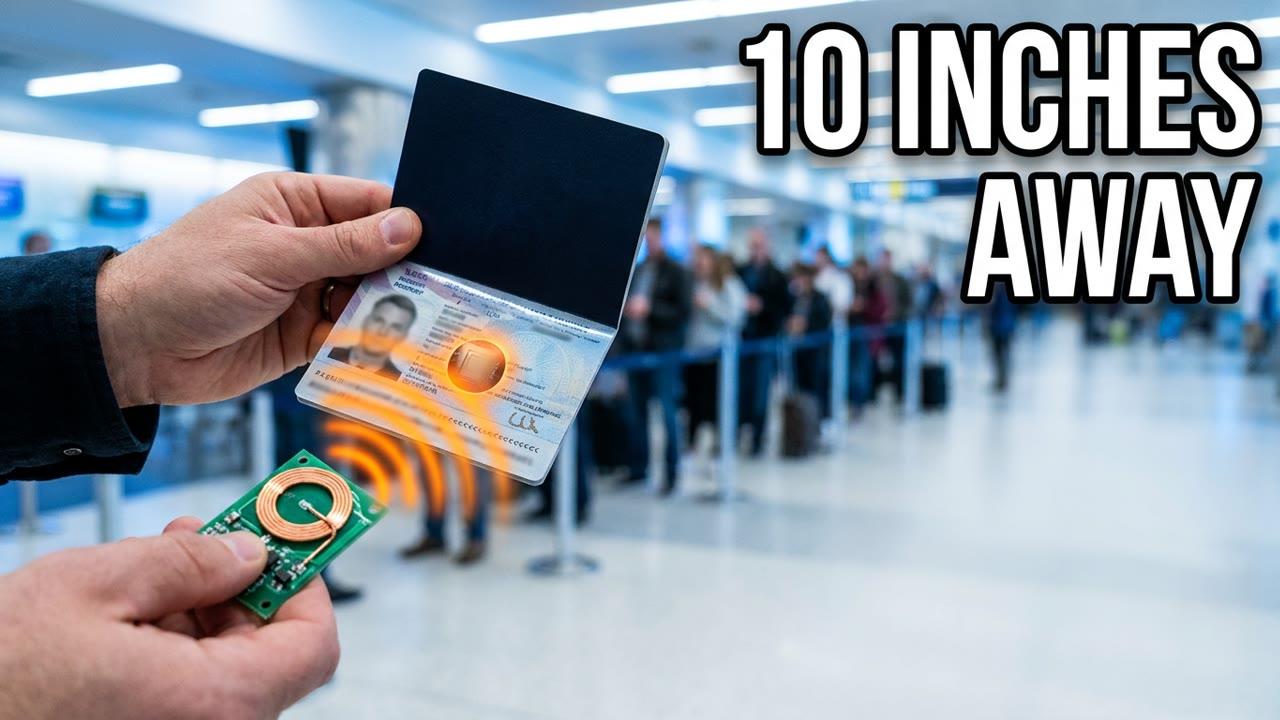
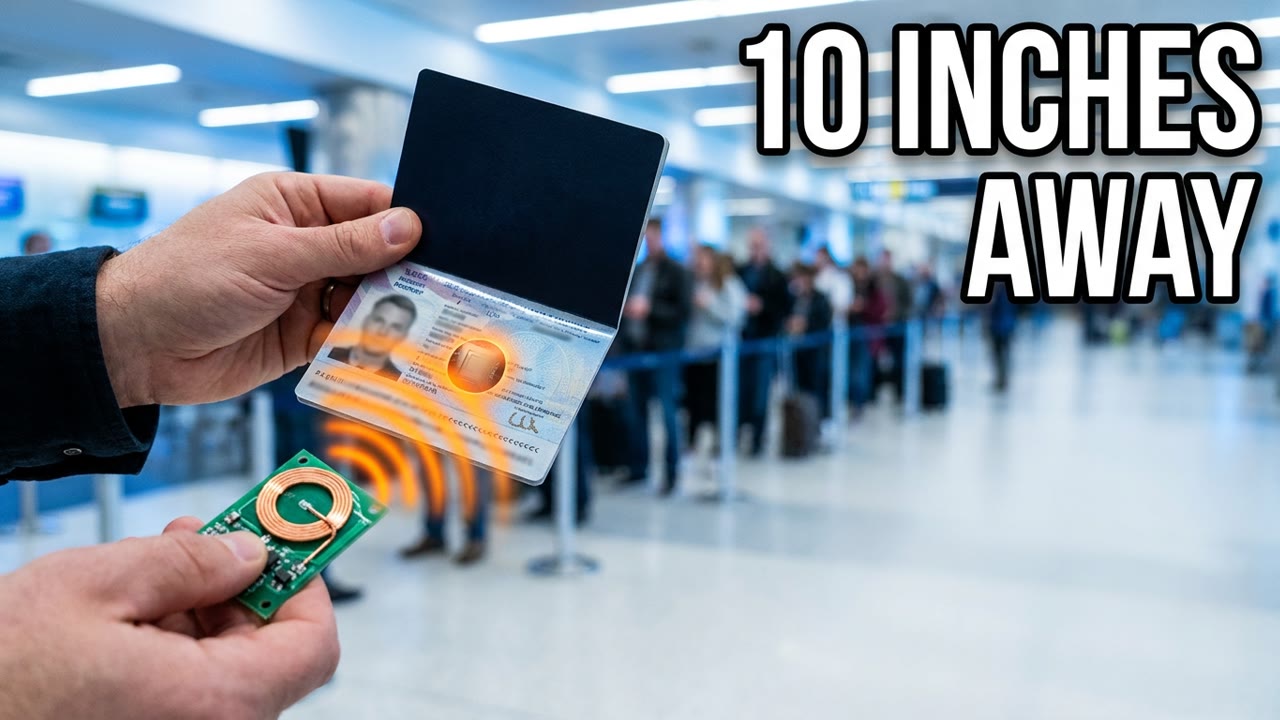
Your passport has a radio chip inside. That chip holds your photo and name. The chip is meant to answer only readers held close. Researchers read a chip like it from about 10 inches. Your own passport carries that chip. Do you know who can read yours? By the end, you'll know how to keep yours closed.
Researchers built a homemade reader as a test. That reader reached a passport-type chip about 10 inches away.
U.S. patent filings describe that test reader. The reader's radio wakes the sleeping chip. Then the chip answers back.
The researchers' reader cost about $100. Your passport needs more than distance to stay private.
Border readers are built to work up close. A homemade reader isn't held to that. Your chip wakes for both kinds.
Now follow your passport to the border desk.
First, the desk reader wakes your chip. Next, the reader checks a digital seal. Last, the officer compares you to the chip photo.
At the desk, 2 questions get answered at once. Was anything changed, and is this really you?
A U.S. chip holds your passport photo. The chip also holds your name and birthday. The 2 coded lines at the bottom are there too.
A U.S. chip holds no fingerprints. Some other countries add fingerprints and eye scans.
If this helps, a like and a subscribe help us keep it coming.
You'd think that digital seal keeps readers out. That seal shows changes but never stops reading.
Another risk is listening in at the desk. Listening in only works while a desk reader talks. In 2004, researchers reportedly listened from about 30 feet. With no official reader talking, there's nothing to hear.
Your chip carries your country's digital seal. Change 1 byte of data, and the seal breaks. Faking a chip gets hard and costly.
Your passport has no battery and isn't broadcasting. What matters is how close a reader gets.
That seal only helps when checked correctly. Not every country gets that part right.
Countries added the chip to stop fakes. ICAO's world passport rulebook requires your photo on it. That anti-fake chip carries your face by radio.
Your chip has a second lock. That lock's key comes from your printed coded lines. An open page puts that key in view. The page proving it's you also unlocks your chip.
Keep your passport closed, in a foil-lined sleeve. Take it out only at the desk.
Look for a rectangle with a circle on your cover. Check your children's passports too. Never post a picture of your photo page.
The digital seal catches any change. The second lock only slows casual reading.
At e-passport gates, software reads your face. The software turns your face into numbers. Your chip photo gets turned into numbers too. Then the software checks if both sets match.
The CaraComp write-up on this goes deeper. That page explains each lock plainly.
A study of U.S. passports gave a warning. Readers built outside the rules may reach farther. Breaking radio laws may push that reach further.
Get a foil-lined sleeve for every passport. Teach your children to keep passports shut. Put your passport away after the desk.
Your chip's key starts with 2 printed lines. Those lines sit at your photo page's bottom. Who has seen your photo page this year?
Your passport is most private shut and sleeved. The worry is real, and now you know the fix.
Tonight, gather every passport in your home. Close each one all the way. Then slide each one into a sleeve that blocks radio.
Your next trip puts a stranger close behind you. Put your passport in its sleeve tonight.
Every day we take one story like this and make it simple. Subscribe and tap the bell. Tomorrow's is free too. See you in today's briefing. If this helps, a like and a subscribe help us keep it coming.