It wasn't a photo swap. It was a targeting database.
Someone you know mentions where you work. Someone else drops who you're dating. A third person shares a photo you never posted.
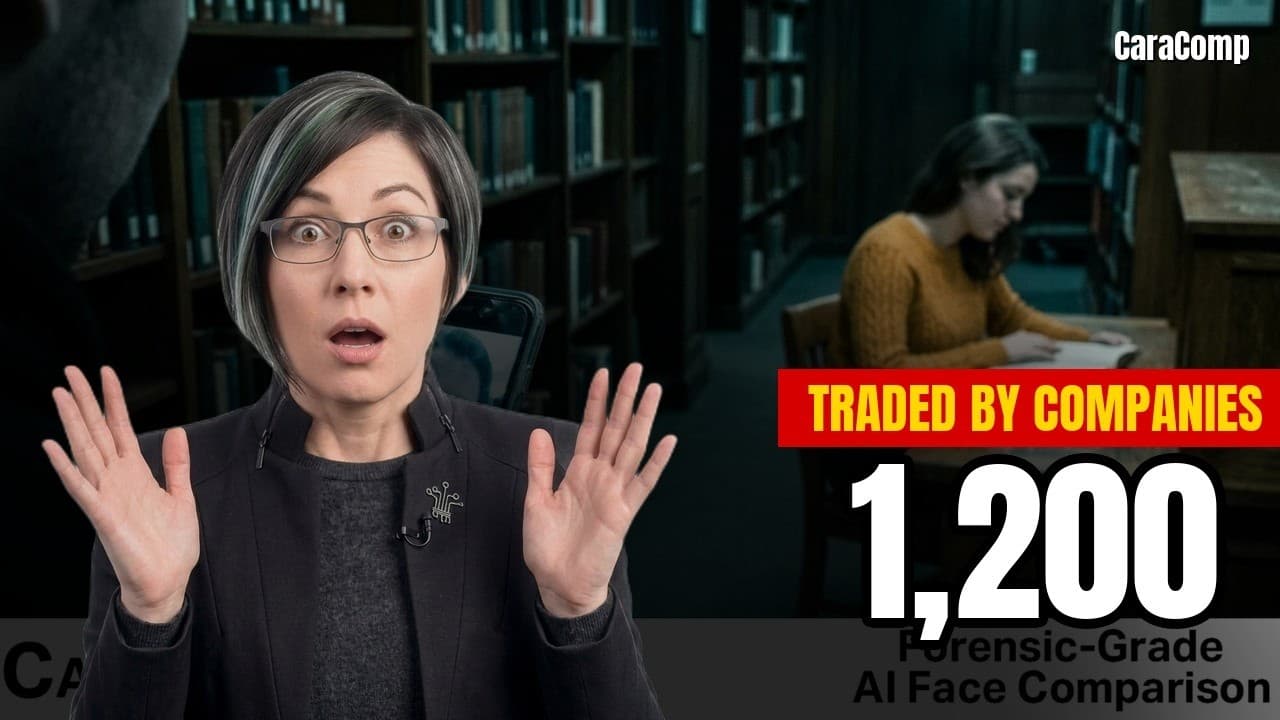
None of that is a crime. But feed it into the right group chat, and it becomes a targeting kit. Police in South Korea found a Telegram room with 1,200 members. They weren't just trading fake photos. They were trading home addresses and student ID numbers too.
It wasn't a photo swap. It was a targeting database.
According to Fortune, that one room paired fake images with real personal details. And teenagers ran these 'exposure rooms' for seven months. They gathered your information first. The fake came second.
The people running these rooms didn't need hackers. They needed chatty friends.
If a stranger can fake your face, who else is borrowing a face they don't own?
It's 11pm. You're scrolling. And there's the president of Ghana, telling you how to double your money in crypto. He looks right. He sounds right. He never said a word of it.
Scammers took a real speech and layered fake A.I. narration on top. Regulators had to step in because the video fooled real people.
A video of a trusted person used to be proof. Not anymore.
According to Modern Ghana, police arrested 11 suspects for these fake videos. Investigators think they're part of a larger network. Same trick, new name, every few months.
If a video of a whole country's president wasn't real, whose face did you assume was safe?
The law is finally catching up. And it just decided your voice counts too.
You've heard it a hundred times. 'This call may be recorded for quality.' You barely listen. But a court just said that beep can mean two very different things.
An Illinois law treats your voiceprint like a face scan. A voiceprint is the pattern in your speech that can point to you.
A company doesn't have to identify you to break the law.
According to BiometricUpdate, a court told Meta it could be sued. Not because it named anyone. Because its system could. The ability alone was enough.
Recording your voice is the photograph. Pulling the pattern out is the fingerprint dusting.
Look at all three tonight. Your details, borrowed by strangers. A trusted face, faked for money. Your voice, quietly measured. Each one turns something ordinary about you into a weapon someone else controls. The tools got cheap. The trust got expensive.
Links to every story and today's podcast deep-dives are in the description. See you next time.