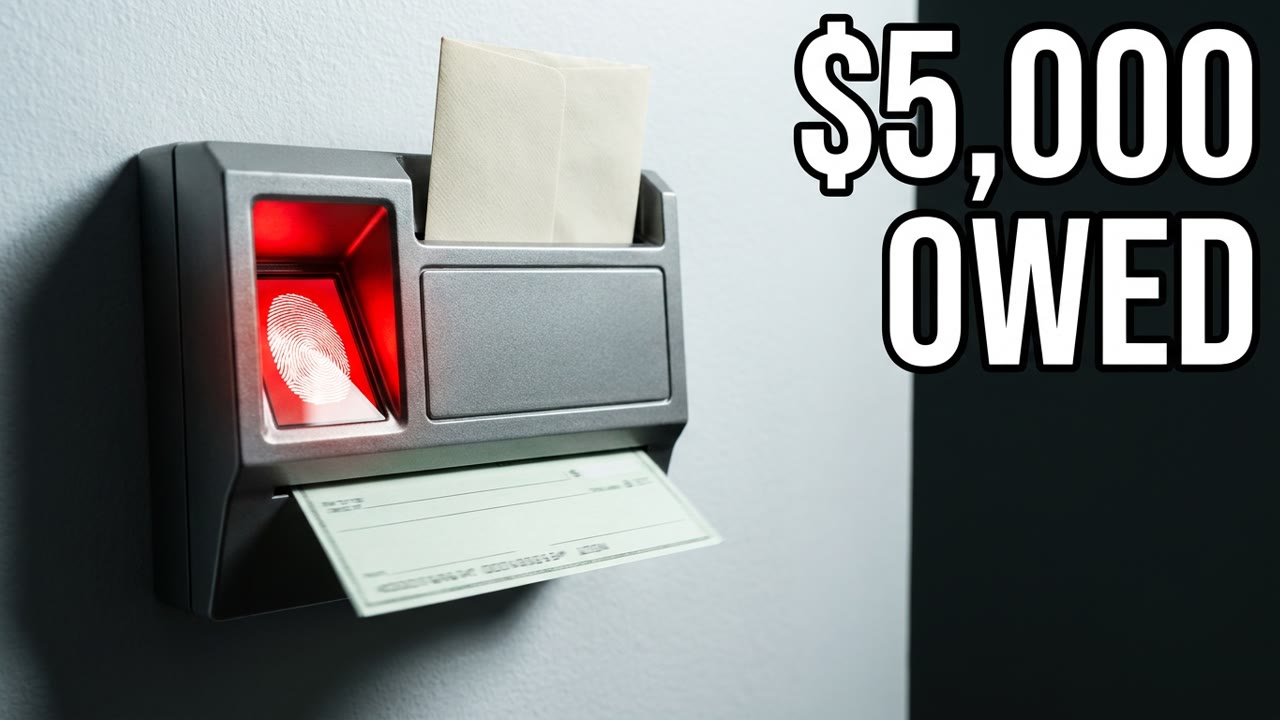
Biometric Time Clocks: Why Biometric
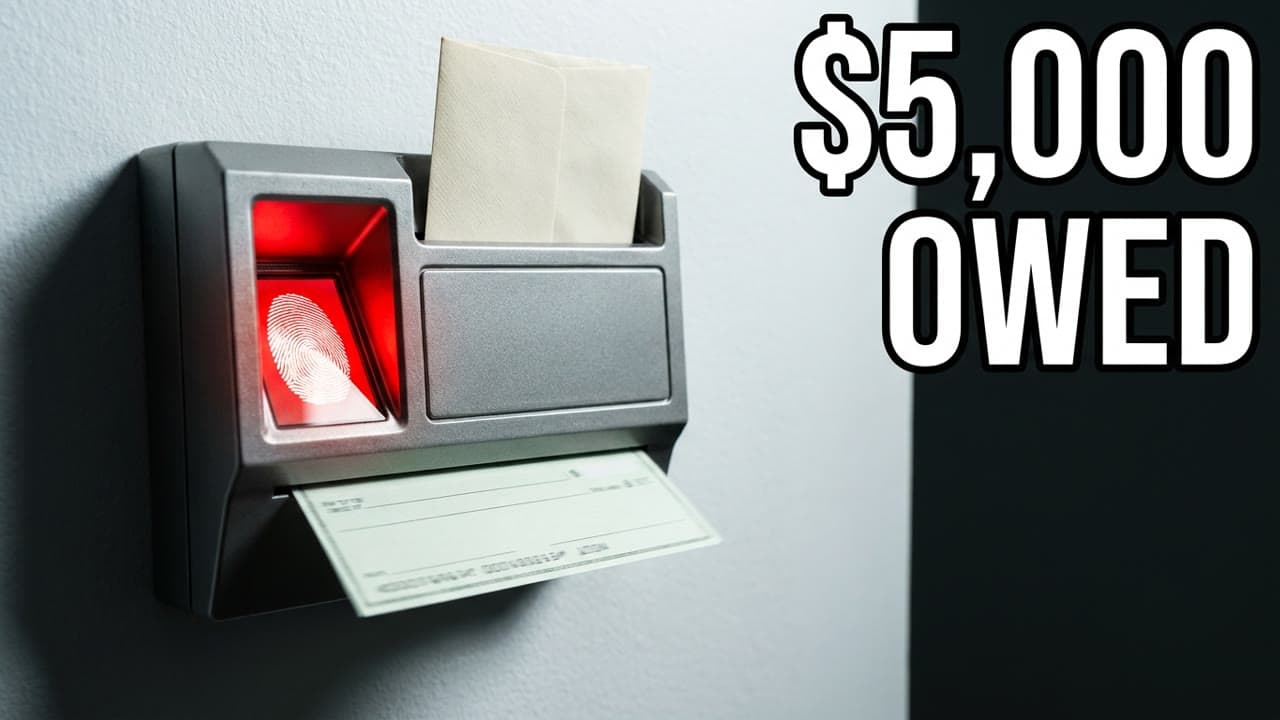
Every morning, your employer scans your fingerprint. Did you ever sign anything in writing saying that's okay? If you didn't, your employer might be breaking the law. Illinois has a really strict law about this. Your fingerprint is yours for your whole life. You can never get a new one. And right now, workers are winning money over this.
Your employer could owe you up to $5,000. Even if you scan in daily, the law now counts that as one violation.
When your boss scans your finger, your fingerprint gets saved as a file on a computer. And that file of your fingerprint doesn't go away when your shift ends. Your fingerprint could end up with other companies.
ID Tech Wire reported on this court fight. You scan your hand in one second, tops.
By the end of this, you'll know your rights. You'll know if your job broke the law. Some employers think the law doesn't apply to them.
Hospital workers in Illinois sued over exactly this.
Every day, they clocked in by scanning their hands. Their hospitals said healthcare rules let them off the hook. But an appeals court brought their lawsuits back.
The court was really blunt with the hospitals. Lawmakers never gave hospitals a blanket pass on this.
It doesn't matter if they scan your fingerprint, your hand, or your face. Under this law, every one of those counts. Your face at the time clock counts too.
One worker can be owed at most $5,000, no matter how often they scanned. Now think about every worker in that hospital.
If this helps, a like and a subscribe help us keep it coming.
Your boss took your fingerprint in a few seconds. You can never take it back.
The law has two price tags. If your boss was careless, you could get up to $1,000. If your boss was reckless, you could get up to $5,000. A court decides which one applies.
Pret A Manger paid $677,000 to settle. About 800 of its workers clocked in with their fingerprints. The lawsuit said those workers never agreed to it.
WorkEasy Software settled for $1.69 million. Accu-Time Systems settled for $1.5 million.
Payouts were set at anywhere from about $100 to $750. But nobody gets a new fingerprint.
Employers love these time clocks because they're so accurate. Crowell & Moring has written about this wave of lawsuits. Your fingerprint never changes, and that's why they're accurate.
Under the law, it doesn't matter where you work. What matters is why your boss scanned you. If they scanned you for patient care, that might be allowed. Scanning you just for payroll may not get that pass.
Email HR and ask for the consent form you signed. If they don't have one, call a lawyer.
Ask them when they'll delete your fingerprint. Ask them where they keep your fingerprint. Keep every answer they send you in writing.
Your first protection is a consent form you signed in writing. Your second is a set date for deleting your fingerprint.
You email HR about your fingerprint. HR sends you the form, or they send you nothing. You save their reply at home. If you need to, a lawyer can read it.
CaraComp goes deeper on this in their write-up. They explain why your boss's reason for scanning decides everything.
Quarles Law Firm looked closely at these cases. Employers now need real proof in writing. Employers can't just say 'we're healthcare' and walk away.
Write down when you first started scanning in. Ask your old employers to delete your fingerprint. Save any class action notice that you get.
In one year at work, you scan in more than 250 times. But since 2024, the law counts all those scans as one violation. How many times have you scanned in?
You can't ever change your fingerprint. But you can demand the paperwork right now.
Write to HR before your next shift. Ask for your consent form and a date they'll delete your fingerprint. Print their reply and keep it.
Tomorrow morning, your boss scans your fingerprint again. Send that email before you clock in.
Every day we take one story like this and make it simple. Subscribe and tap the bell. Tomorrow's is free too. See you in today's briefing. If this helps, a like and a subscribe help us keep it coming.