Picture a plaintiff's attorney in Cook County, Illinois, filing case number one-oh-one this year. She's smiling. Because everyone else thinks biometric lawsuits are dying. A new Third Circuit opinion in the Amazon case suggests courts are pulling back on Illinois' Biometric Information Privacy Act. A 2024 amendment slashed maximum damages from seven-and-a-half million dollars per worker down to five thousand. On paper, that should have ended the gold rush. It didn't.
According to Privacy World's year-end review, more than a hundred new B.I.P.A. class actions were filed in Illinois in 2025 alone. After the cap. The plaintiffs' bar didn't retreat. It recalibrated.
The ceiling dropped. The floor didn't. If you use facial comparison at work, the lawsuit risk didn't shrink, it mutated.
And while American courts argue over damages, another country just showed what happens when the math fails real people.
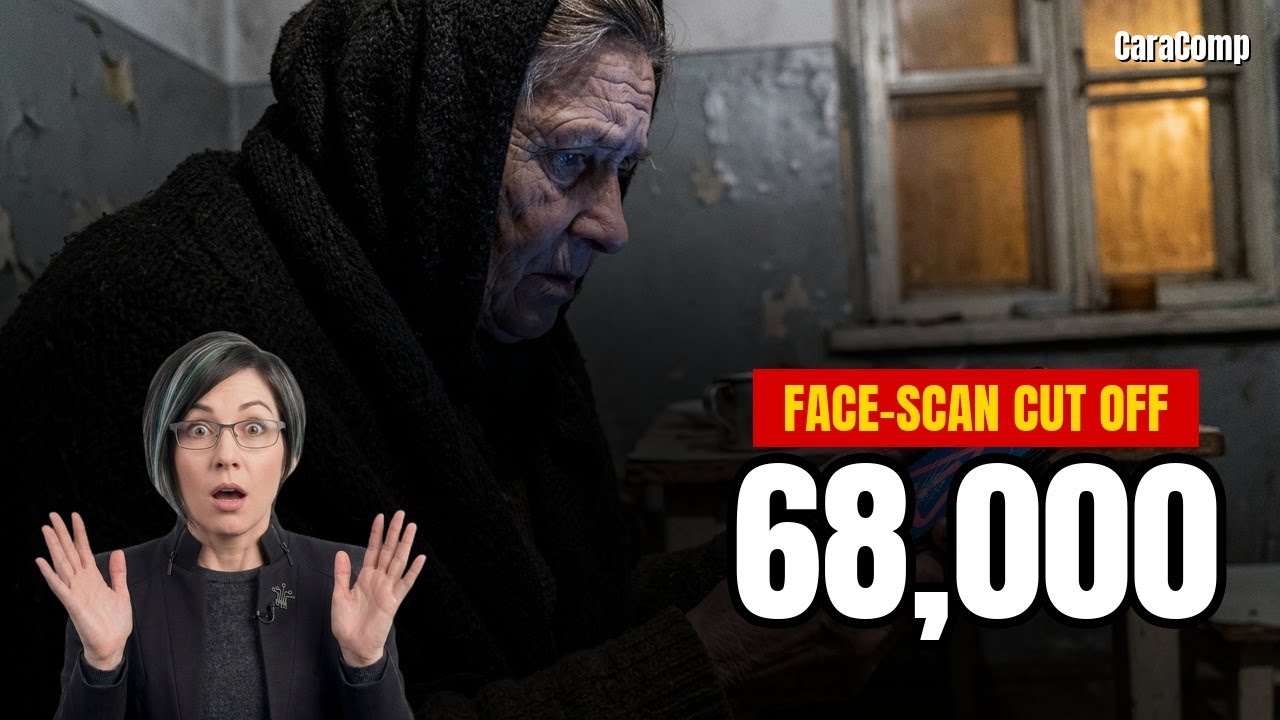
A grandmother in rural South Africa holds her phone up to a government portal. Bad lighting. Spotty signal. The face on screen doesn't quite match the face on file. Her pension stops. She's one of sixty-eight thousand. South Africa's social agency, SASSA, ran facial verification across nearly a million beneficiaries since September. Child support grants made up most of the suspensions. Old age grants and disability grants followed.
According to the Daily Voice, SASSA logged nearly eight thousand complaints tied specifically to the facial system, before Parliament forced the suspensions into public view.
The algorithm caught fraud. It also caught caregivers, pensioners, and the disabled. That's sixty-eight thousand people. Accuracy without a human review gate isn't fraud prevention. It's automated harm at scale.
SASSA's system failed in daylight. The next one targets you in real time, over a phone call.
Imagine your boss calls. Same voice. Same face on video. Urgent wire transfer, market closing in ten minutes. You authorize it. None of it was real. Modern A.I. fraud isn't one trick, it's a stack. Layer one, a cloned voice built from seconds of public audio. Layer two, a deepfake face. Layer three, a phishing pretext that crushes your time to think.
According to McAfee, deepfake fraud incidents surged three thousand percent in 2024. Not thirty. Three thousand.
Here's the weak link. Peer-reviewed research on arXiv shows deepfake faces can't keep facial parts consistent. Smiling lips, frozen eyes. Your brain misses it under pressure. A frame-by-frame comparison doesn't.
Three stories. One pattern. Biometric systems are scaling faster than the safeguards around them. Courts are still drawing lines. Agencies are flagging the wrong people. Attackers are stacking layers your eyes can't separate. The technology isn't the liability. The absence of process around it is.
Links to every story and today's podcast deep-dives are in the description. See you tomorrow.