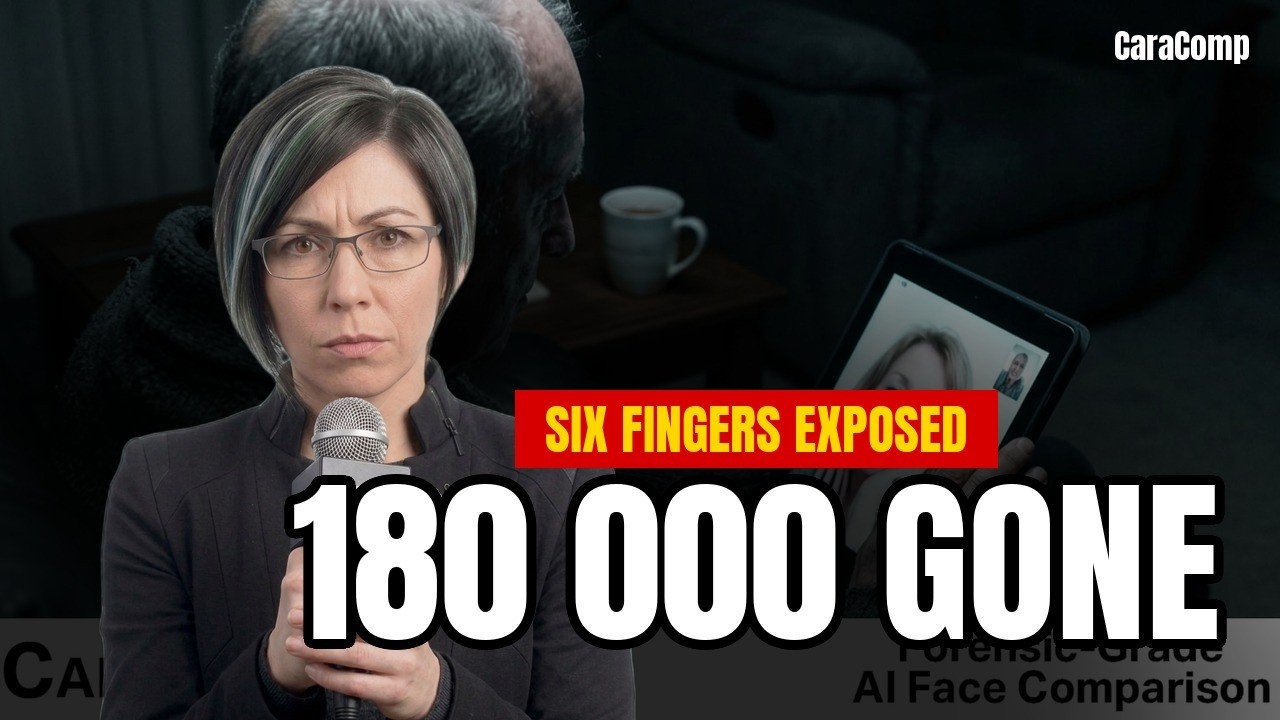
A visible fake fooled a man who studied minds for a living.
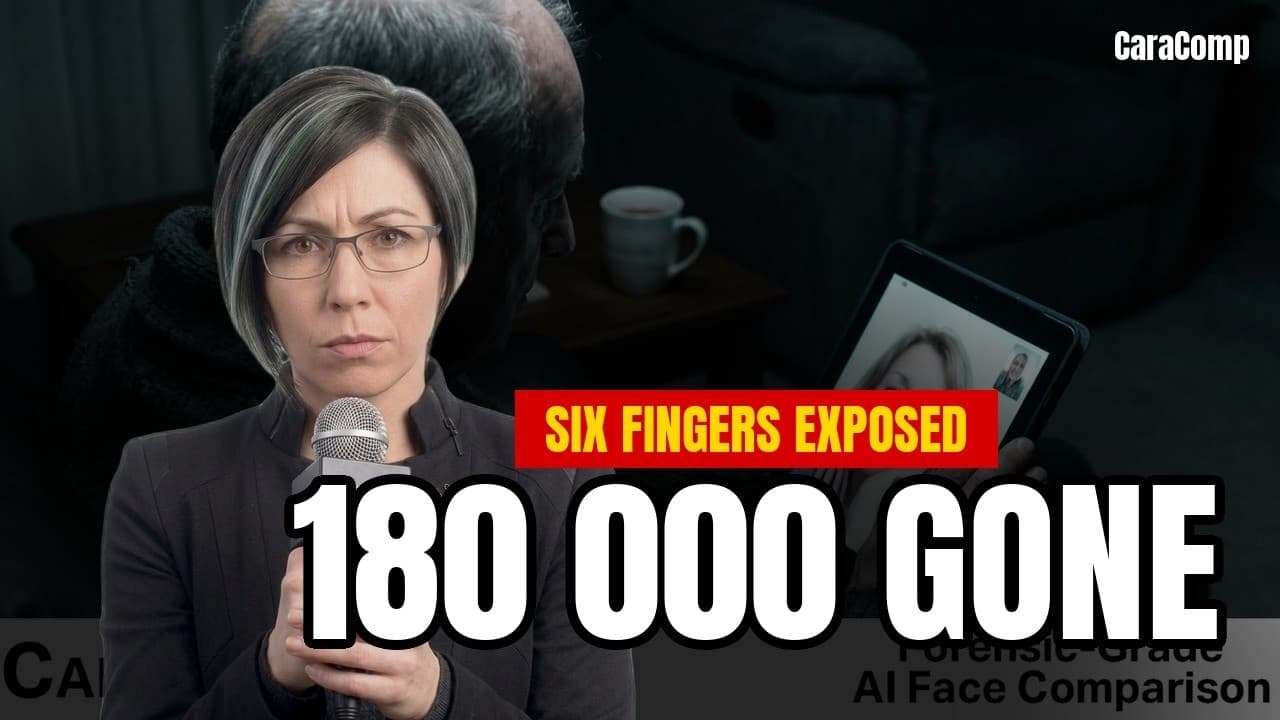
A retired psychologist in Australia fell for a woman named Melanie. She wasn't real. She was made by A.I.
He talked to her for months. He sent her money. Slowly, it added up. He lost about a hundred and eighty thousand dollars.
Here's the part that stops me. Melanie's hand had six fingers on a video call. He never saw it. A trained expert had to point it out later.
A visible fake fooled a man who studied minds for a living.
According to YourLifeChoices, this man spent his whole career reading people. And the glitch still got past him. Why? Because by then, Melanie messaged him daily. She remembered his life. She met his loneliness with warmth.
The scary question isn't whether Melanie had six fingers. It's how many fake partners out there have exactly five.
The fake didn't need to be perfect. But some fakes aren't built for love at all.
A man in Australia is accused of turning kids' school photos into fake nude images. He told police it felt like X-ray vision.
No hack. No stolen phone. Just a normal yearbook photo, fed into an app. He now faces eleven counts of stalking and more.
A boring, wholesome photo is now all a predator needs.
According to ABC News, this isn't one strange case. Over fifty school-related deepfake reports came up in a single year. Almost all of them target girls. Three years ago this took real skill. Now an app does it in seconds.
The old advice was 'don't post risky photos.' That's over. The most ordinary picture is now the raw material.
Fake faces, fake images. But sometimes the thing acting isn't even a person.
Picture Sarah's A.I. helper booking a flight for her. It logs in with her password. To the system, it just looks like Sarah.
That's the problem. When software acts using your login, no one can tell the human from the machine.
Most companies can't tell a person from a bot in their own systems.
According to N.I.S.T. research, about two-thirds of companies can't tell human actions from A.I. actions inside their systems. Their old tools were built for people typing passwords. Not for software pretending to be one.
You make an A.I. helper safer by giving it less of your identity, not more. A narrow pass that says exactly what it can touch, and when it dies.
All three stories are the same trick. A screen shows you something, and you believe it. A face, a photo, a login. We trust the screen first and check second. The fix is always the same. Check who's really there before you act.
Links to every story and today's podcast deep-dives are in the description. See you next time.