Expert commentary on facial recognition, biometrics, and AI technology.
Facial recognition breakthroughs, OSINT strategies, and investigation technology — delivered to your inbox every morning.
No spam. Unsubscribe anytime. We respect your inbox.
The scam call of 2026 doesn't sound like a scam. It sounds like your kid, your recruiter, or the guy fixing your roof after the storm.
A teenager with a cheap app can now put your face into a fake sexual image in minutes. South Korea's deepfake crisis shows why a photo is no longer proof of any
A woman lost €100 to a deepfake video of Cristiano Ronaldo, proof that scammers don't need to trick you anymore, they just need to look like someone you already
Utah's age verification law now punishes sites even when people use a VPN to get around it. That means more "prove your age" popups online, and more chances for
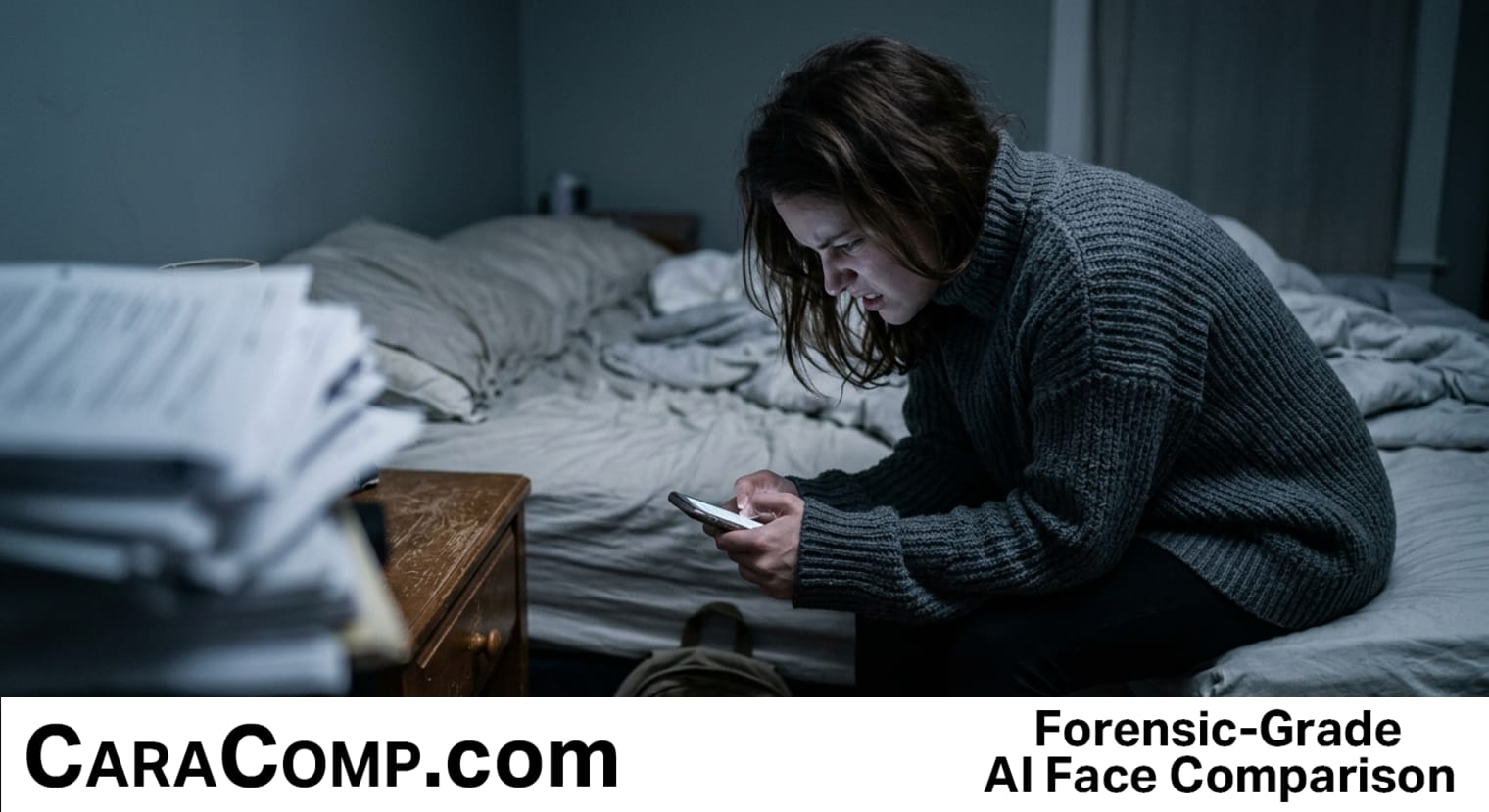
A fake sexual image made with your face can wreck your week before anyone checks if it's real. South Korea's newest data shows why tougher punishment alone isn'
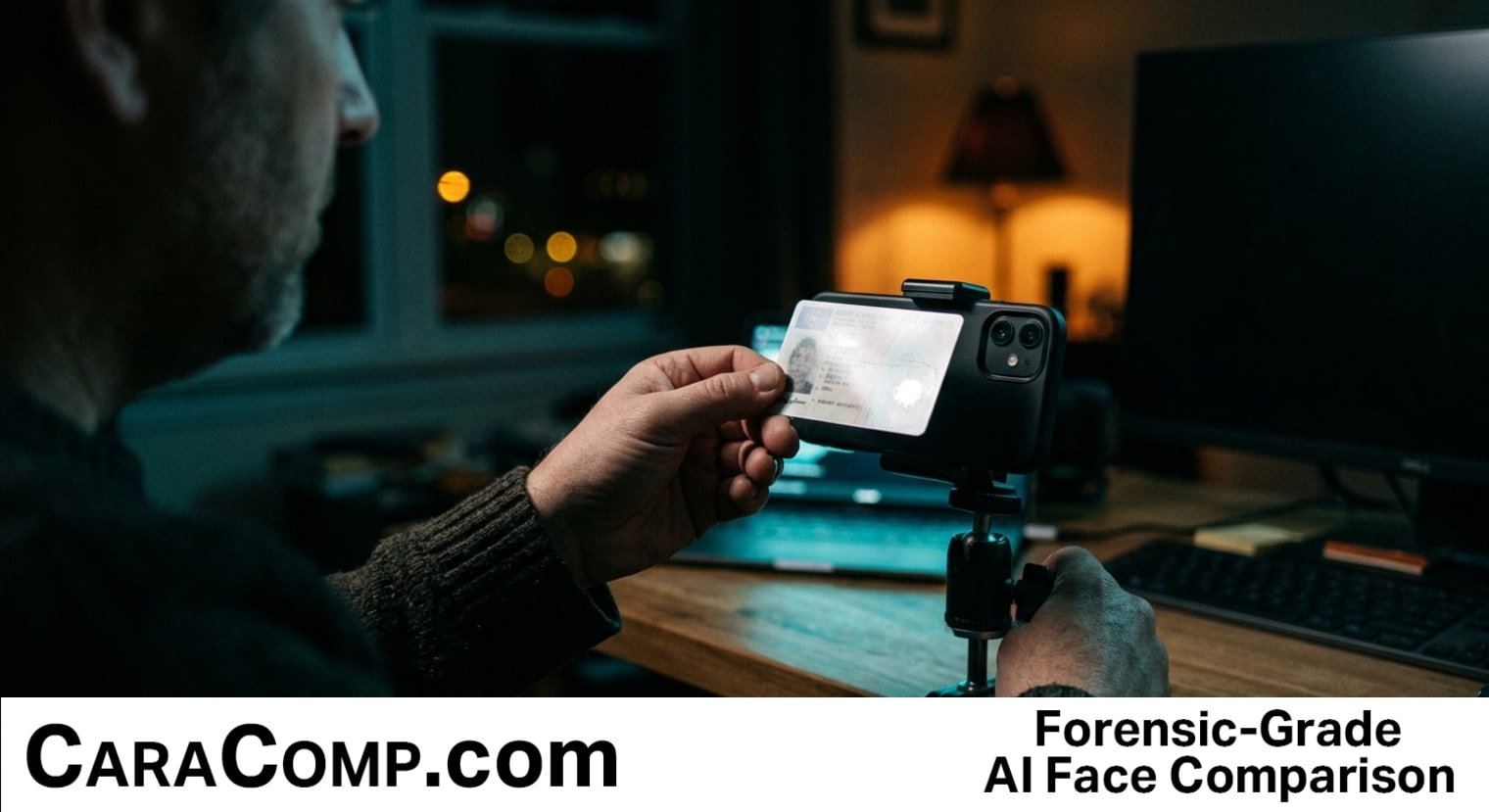
A California bill meant to protect kids online could quietly turn into a system where every adult has to prove who they are with a government ID or a face scan.
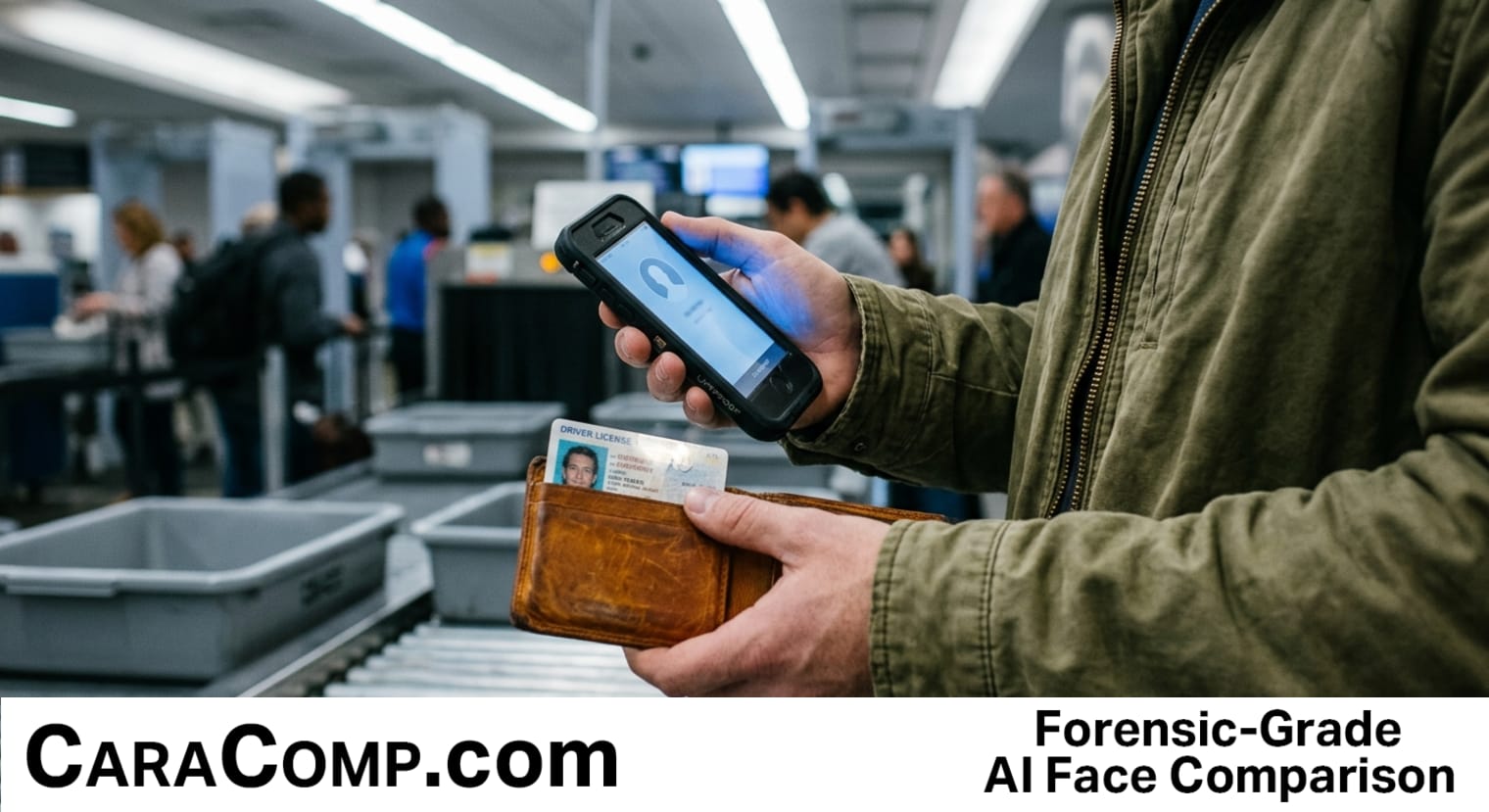
Your driver's license is quietly moving into your phone, and TSA is opening more checkpoints to it. Here's what actually works right now, and why you should sti
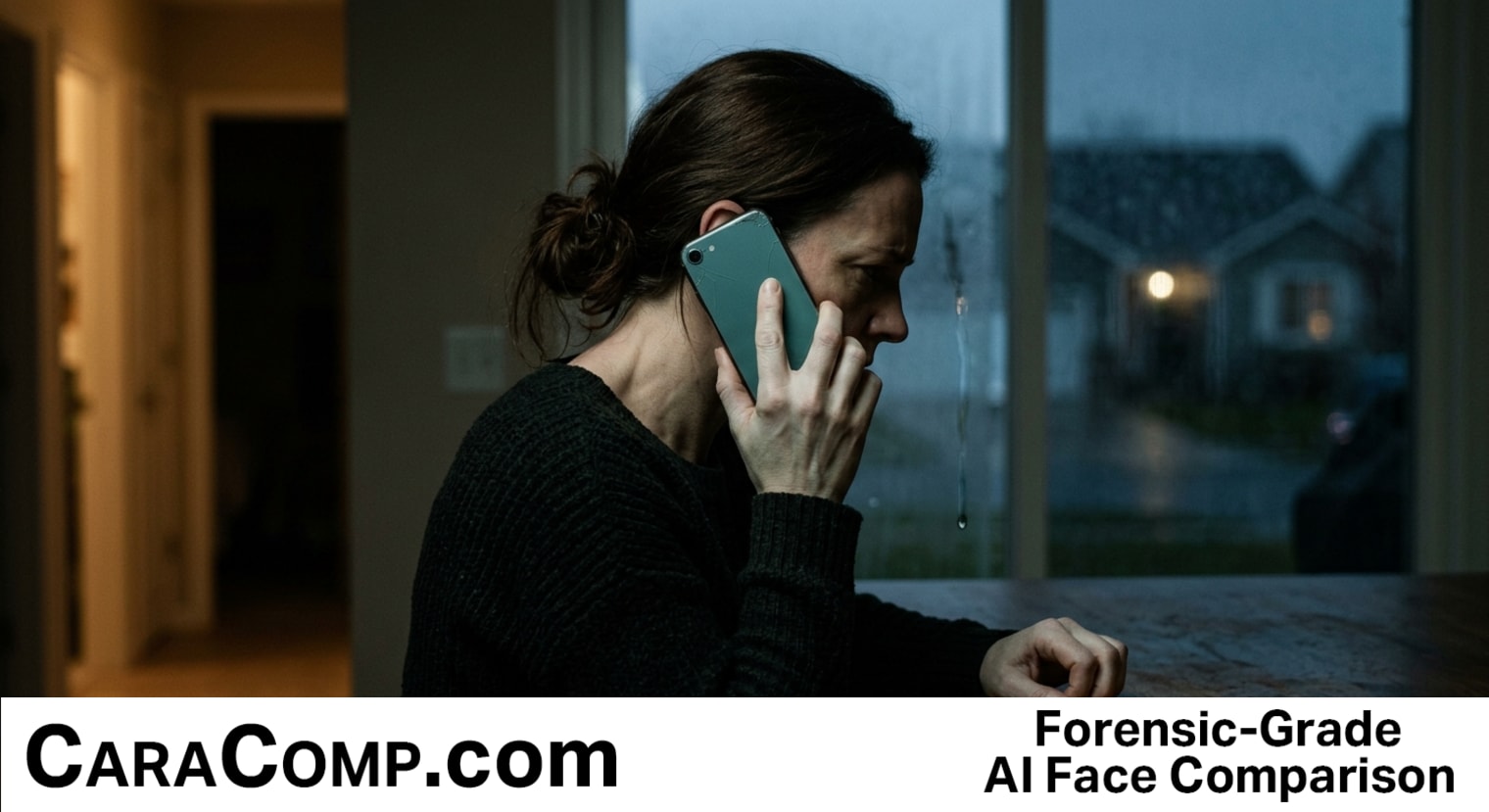
A cloned voice can now sound exactly like your kid, your mom, or you. Here's what the id verification playbook designed for banks and border crossings can teach
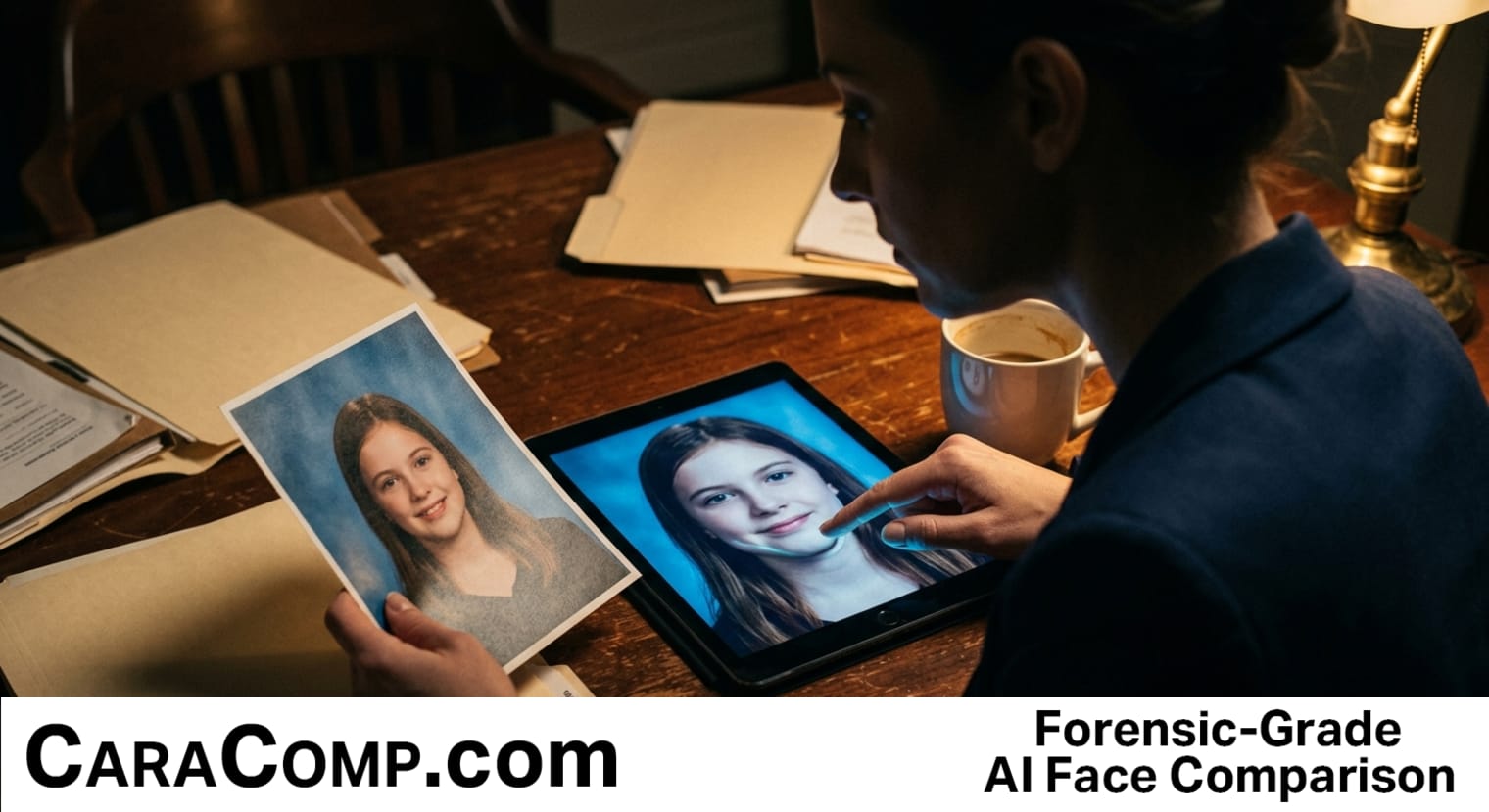
A Queensland mum spoke out after AI-made nude images of her daughter were sent to a school. Here's what that story teaches every parent about facial recognition
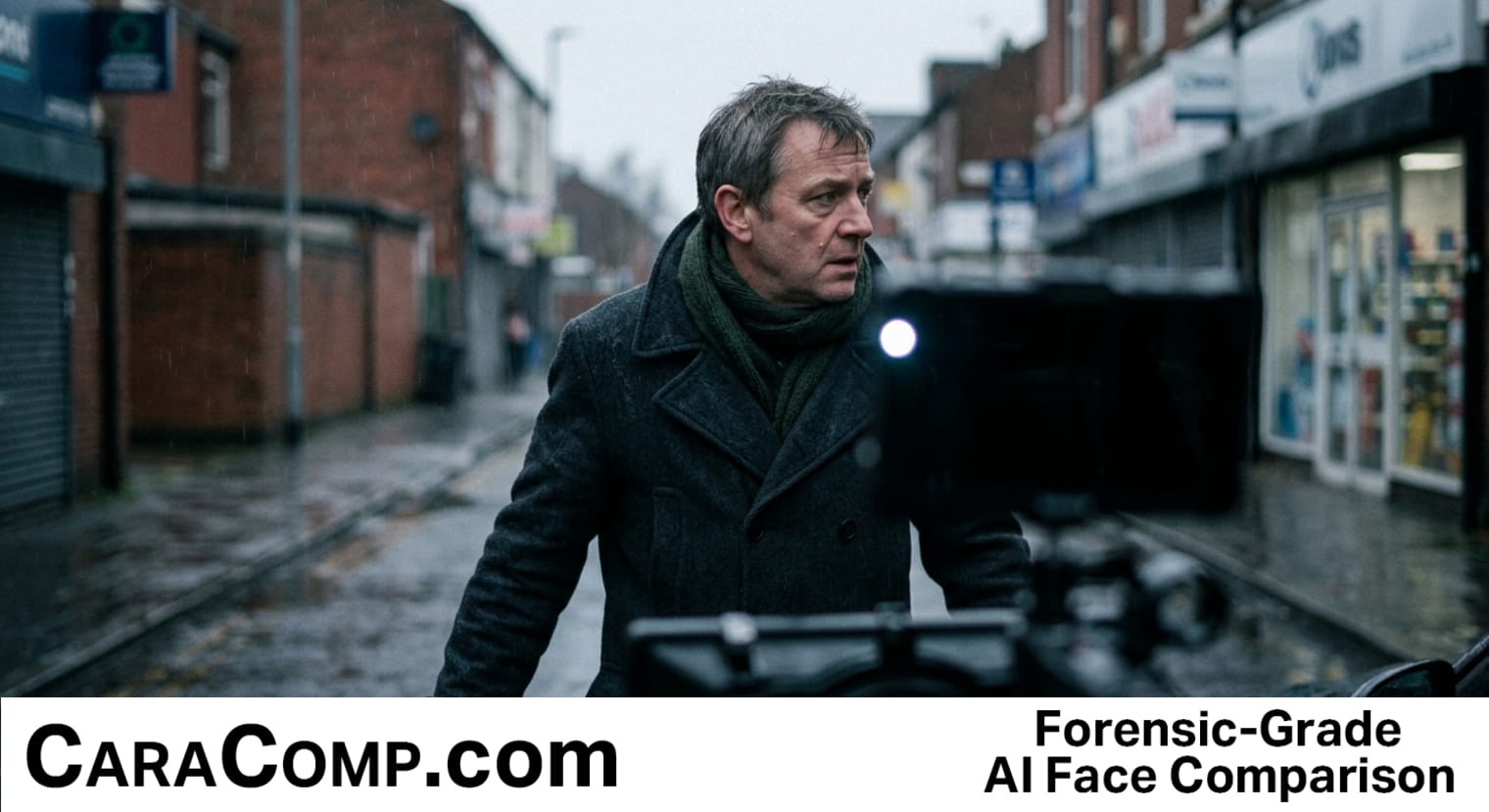
A police van can scan every face on a street in seconds, and one in ten of its real-world alerts is wrong. Here's what that means for your next walk to the shop
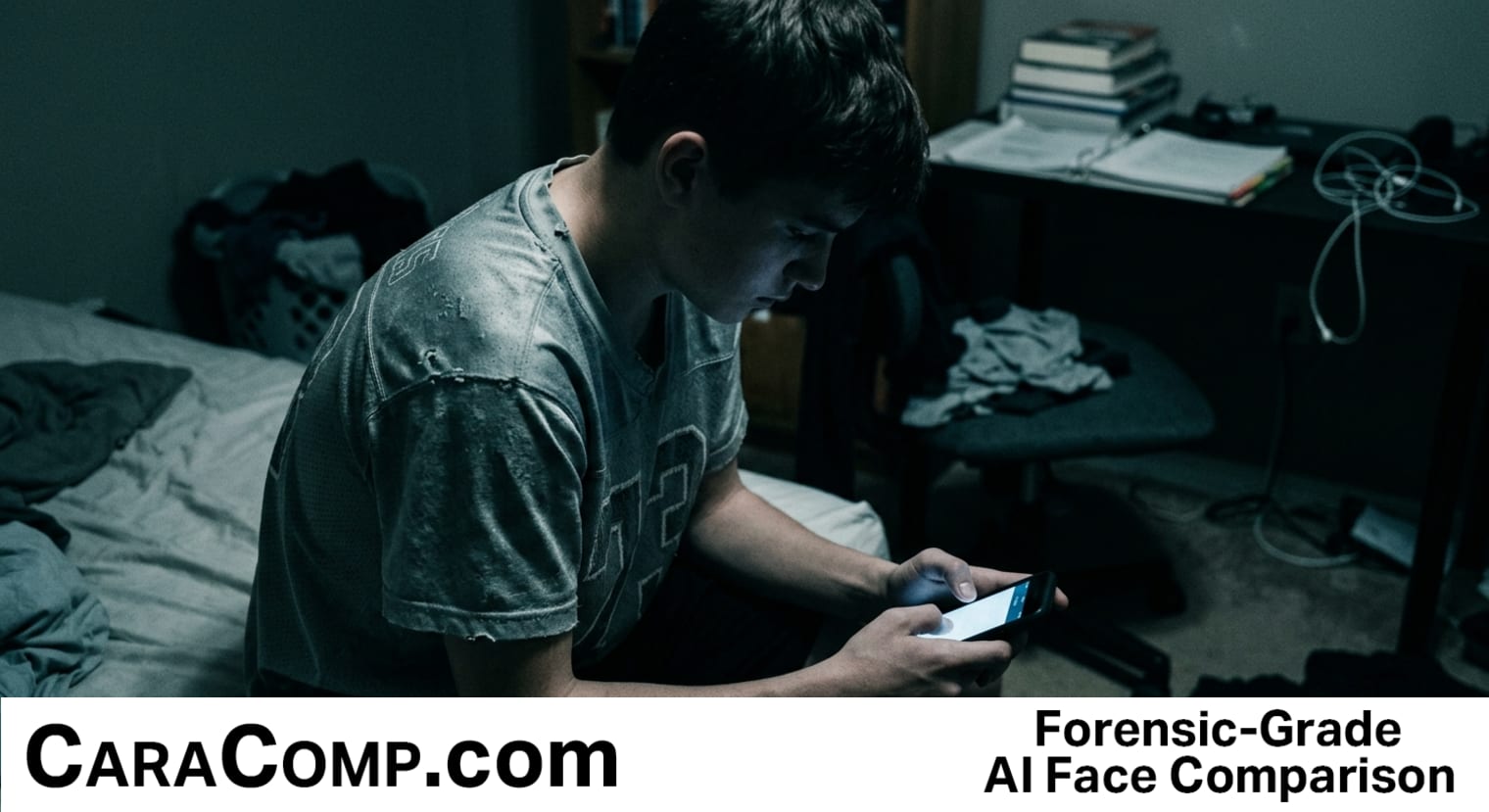
An Ohio teen died by suicide 30 minutes after a sextortion threat. His parents helped push a federal bill forward. Here's the warning sign every parent needs to
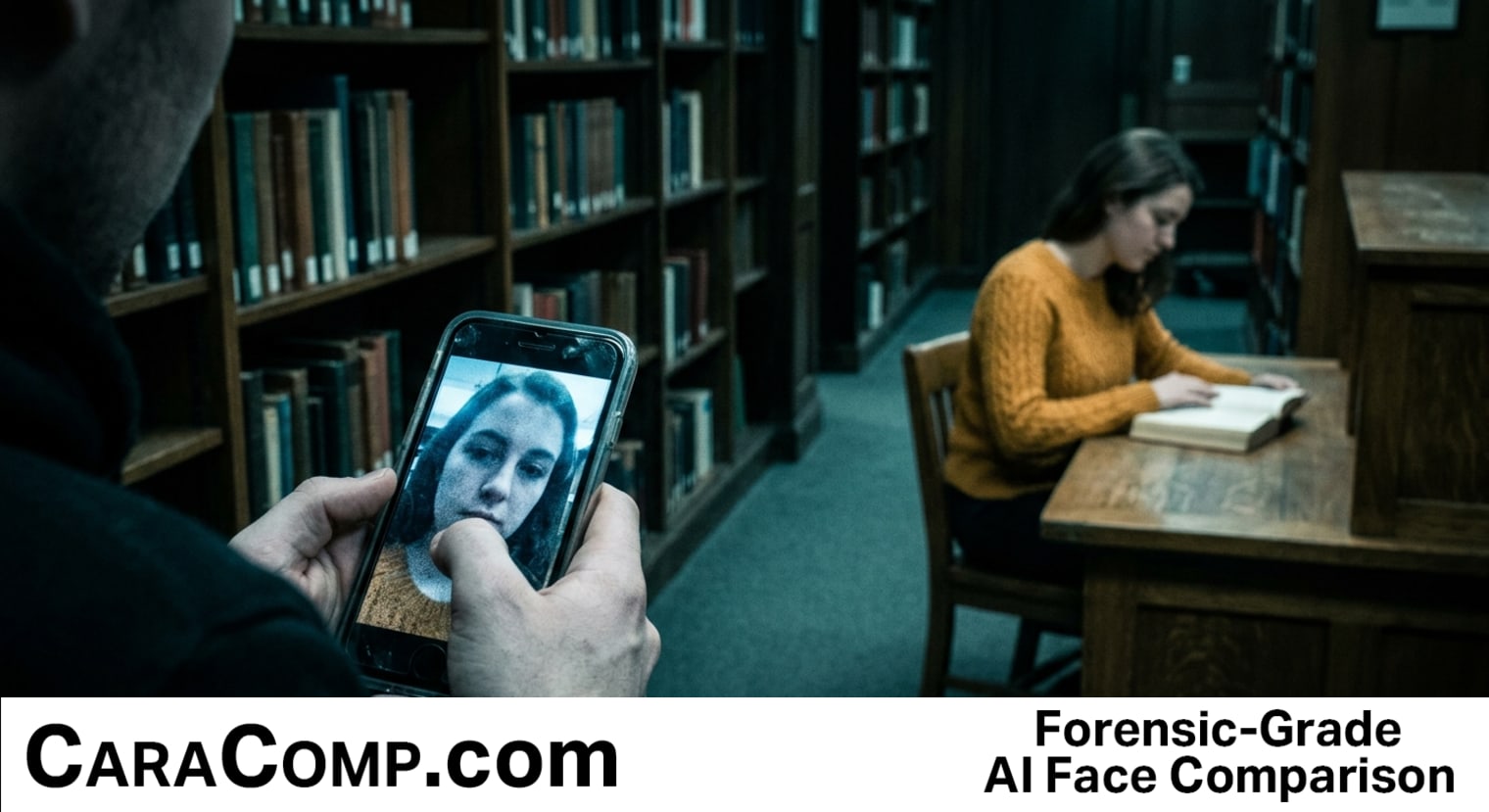
A Telegram "exposure room" shows the real deepfake risk isn't just AI, it's friends, coworkers, and strangers sharing your details without you knowing.
