
Utah age verification law: VPN users now trigger ID checks and parental consent gaps
Quick answer
Does the Utah age verification law still apply if you use a VPN?
Yes. Utah's Senate Bill 73 holds websites responsible for verifying users' ages even when a VPN makes a visitor look like they are outside the state. Critics, including NordVPN and the Electronic Frontier Foundation, say this is close to impossible to enforce, because a VPN hides the location data sites rely on.
Picture this: you're 34, scrolling on your phone at midnight, and a website you've visited a hundred times suddenly wants your driver's license or a selfie before it'll let you in. Your gut says "weird," but your brain says "oh right, there's a law now." That split second of doubt is exactly what scammers are counting on. Utah just gave them a much bigger stage.
The Utah age verification law now holds websites responsible even when someone uses a VPN (a tool that hides your location online) to dodge the check, which means more of these "prove your age" screens are coming, and not all of them will be real.
Utah's age verification law now punishes sites even when users hide behind a VPN, and every new "prove your age" screen this creates is one more place a scammer can plant a fake.
Here's what actually happened. Utah's Senate Bill 73, signed by Governor Spencer Cox on March 19, 2026, went into effect May 6, 2026. It's the first state law in the country to specifically go after people who use a VPN, that's software that makes your phone or computer look like it's in a different state or country, to slip past age checks. Under this law, a website can't just say "well, they told us they were in Nevada, not Utah" and shrug. Utah says: verify anyway. Prove it. Even the VPN doesn't get you out of it.
That sounds tough on paper. In practice, it's a mess. There's no reliable way for a website to tell whether someone's VPN is masking a Utah teenager or a Utah grandmother, and privacy groups have been saying so loudly. According to KUER, critics argue the technical demand simply can't be met, you can't verify a user's age category through a tool built specifically to hide who and where they are. NordVPN called it an "unresolvable compliance paradox," according to TechRadarmeaning companies are stuck between a law they can't fully obey and a lawsuit if they don't try.
Why the Utah age verification law creates more phishing bait, not less
Let's get to the part that actually matters for you at 11pm scrolling your phone. Laws like this one don't stop bad actors, they just multiply the number of legitimate-looking screens asking for your personal stuff. Once "prove your age" becomes a normal thing websites ask, a fake version of that same screen stops looking suspicious. It looks routine. That's the trap.
Starts at 01:00 — this story2:49
Watch this story, in under a minute
A new briefing every weekday — three stories, three minutes.
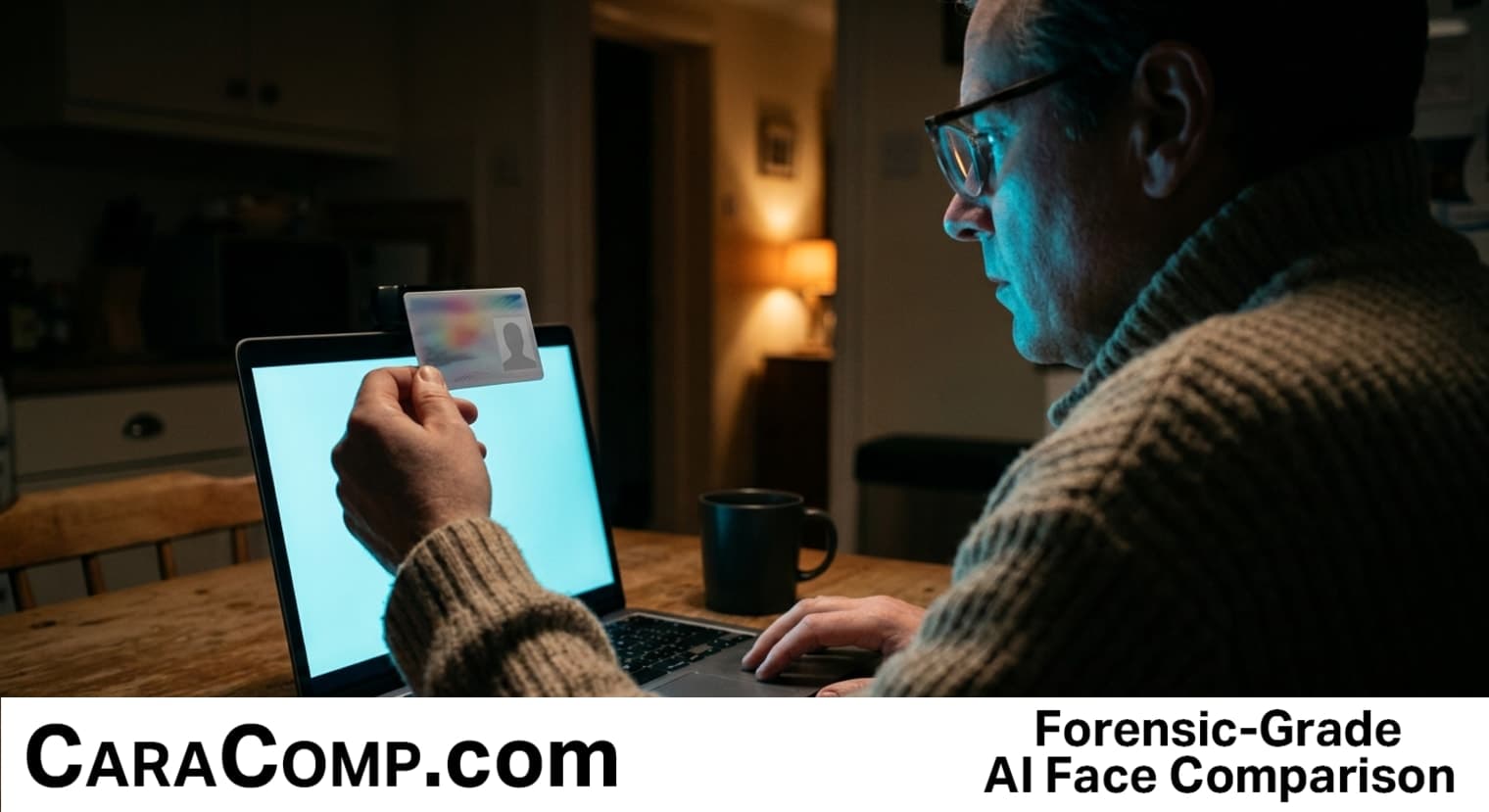
Subscribe on YouTubeThink about how phishing (fake messages designed to trick you into handing over private information) has evolved. It used to be "your bank account is locked, click here." People got wise to that one. The new version, thanks to laws like Utah's, could be "we need to verify your age before you continue", followed by a request for your driver's license photo or a live selfie. Nothing about that screen has to look sketchy. It can use real company logos, real-sounding legal language, even reference the actual Utah age verification law by name to seem legitimate.
How the utah age verification law makes ID theft easier to disguise
The Utah age verification law doesn't just apply to one type of site anymore, it's part of a wave. States including Florida, Missouri, and Texas have passed similar rules, and now Utah, and people are increasingly used to typing their ID number or holding up their face to a webcam just to keep browsing. That habit is exactly what scammers want you to build. This article is part of a series, start with Biometric Entry One Setting Flags 42 Of Real Fans.
1+ year
how long a major identity verification company left login credentials exposed online, giving outsiders access to sensitive user data
Source: Electronic Frontier Foundation
That's not a hypothetical risk. It's a documented one. According to the Electronic Frontier Foundation, an age verification company left credentials exposed for over a year, meaning even a company whose entire job is confirming your identity couldn't keep that identity data locked down. If the "official" verification companies get breached, imagine how easy it is for a scammer to build a convincing fake one from scratch.
Utah has agreed not to enforce the proposed rule until the outcome of a preliminary injunction request blocking the rule, or until Utah finalizes its regulation.
reporting on Utah's enforcement pause with Pornhub's parent company, Deseret News
So even Utah itself has hit pause with one major adult site operator while a court sorts out whether the rule can survive a legal challenge. That tells you something: this law is not settled science. It's a live experiment, and you're one of the test subjects, whether you asked to be or not.
What the utah age verification law actually requires, and who it hits first
The law doesn't just target adult sites. It's part of a much wider push. Bills moving through statehouses and, at the federal level, through the Senate and House now increasingly touch on what happens to minors online, and some versions go further, requiring app store providers, and specifically requiring major app store providers, to confirm a user's age category before letting a download happen at all. That's a different animal than a single website check: it means Apple's or Google's app store itself becomes a checkpoint deciding whether minors can use social media platforms, games, or other apps in the first place. Some of the pending federal bills also include a parental consent requirement, meaning a parent, not just the child, would need to approve certain app downloads or account sign-ups before a minor could act on them.
Utah's law focuses on adult content sites, but the underlying idea, verify first, browse second, is spreading into app stores, health apps, and general online services. Once that becomes normal everywhere, "prove your age" stops being a red flag anywhere. That's the real danger buried in the fine print: normalization. When every single website, app store, and platform is legally allowed (or required) to ask for your ID, you lose your built-in skepticism. And your skepticism was doing a lot of quiet work protecting you. Previously in this series: Id Verification Koreas Qr Scan Shares Just 3 Facts Podcast.
Utah's age verification law compared with what came before
Utah's age verification law stands out because it names VPN use directly, rather than leaving it as a loophole. Older age-check laws in other states mostly assumed people would just enter a birthdate or upload an ID once. Utah went further, saying the responsibility falls on the website even if the user tried to mask their location, a much heavier compliance burden, and one civil liberties advocates say is basically unworkable without mass, invasive tracking.
| Old-style age check | Utah's age verification law (SB 73) | Status |
|---|---|---|
| Self-reported birthdate, no ID required | Requires photo ID or facial age estimate in many implementations | In effect |
| VPN use effectively bypassed the check | Site held liable even when a user's VPN masks their location | In effect |
| Enforcement rarely tested in court | Enforcement paused pending litigation (Aylo/Pornhub case) | Paused |
| Compliance seen as achievable | Called an "unresolvable compliance paradox" by NordVPN | Disputed |
| No parental consent step for minors | Some related bills add a parental consent requirement for app downloads | Pending elsewhere |
Are age verification apps safe to use, and how do you spot a fake one?
No app or website age check is automatically safe just because a law like Utah's exists. A real check comes from a service the platform names openly, doesn't ask for more than it needs, and gives you a way to verify who's asking before you hand anything over. A fake one pressures you, appears out of nowhere mid-browsing session, or asks for your face and ID together with zero explanation of who's storing it.
If you take one thing from this whole mess, let it be this: a law existing does not make every screen that quotes the law legitimate. Anyone can slap "as required by state age verification law" onto a popup. That sentence costs nothing to fake and it works precisely because it sounds official. Before you type your ID number or hold your face up to a camera, stop and ask who actually built this check, the platform, or a random third party you've never heard of? Does the page match the site's actual domain, spelled correctly, with a real privacy policy you can click through? If you can't answer that in ten seconds, don't hand anything over. That single pause, verify the source before you verify yourself, is the one habit that beats every version of this scam, present and future.
Why the utah age verification law matters beyond Utah
- ⚡ Precedent spreads fastonce one state's attorney general defends a VPN-targeting rule in court, other states copy the language almost word for word.
- 📊 Data piles up somewhereevery ID photo or selfie collected for "compliance" has to sit on a server, and servers get breached; the reported exposed-credentials case proves even specialists fail here.
- 🔮 App stores are nextonce app stores verify age category at the download level, that single check becomes a juicier single target for anyone trying to steal identity data in bulk.
- 🧠 Your instincts get worn downthe more "normal" ID-and-selfie requests become, the harder it is to notice the one that's fake.
Here's where it gets genuinely uncomfortable: the people this law is supposed to protect most, children, are also the ones with the cleanest, most exploitable identities. Fraud aimed at teenagers often goes unnoticed for years, simply because teens don't have credit histories yet to flag something wrong. A stolen teen ID, harvested from a fake age check, can sit quietly for a decade before anyone notices the damage. That's a long fuse on a very real problem.
Look, nobody's arguing that protecting kids from harmful content online is a bad goal. It's not. Companies do host content that shouldn't reach minors, and there's a real, defensible case for some kind of check. But good intentions and bad execution can coexist, and that's exactly the situation Utah has built. A law that can't be technically enforced against VPN users, that's already paused in court for one major operator, and that pushes companies to collect more sensitive identity data than they can safely store, that's not child safety. That's a data collection mandate wearing child safety's clothes.
The Utah age verification law widens who can legally ask for your ID online, but it does nothing to guarantee the people asking on any given screen are actually who they say they are, so treat every unexpected "verify your age" popup as guilty until proven innocent.
Utah's fight isn't over, the Pornhub parent company's lawsuit is still working through the courts, and the state has agreed to hold off on full enforcement until a judge rules. That means the version of this law you'll be dealing with in six months might look different from the one on the books today. What won't change is the pattern: more states copying Utah, more app stores getting pulled in, more "prove your age" moments in your daily scroll. Each one is a tiny test of whether you'll pause and check, or just tap through because you're tired and it's midnight and the page looked official enough. Up next: Biometric Entry One Setting Flags 42 Of Real Fans Podcast.
So next time a site you've used for years suddenly wants your face or your ID "because the law requires it," ask yourself the only question that matters: did the law actually reach this website, or did someone just borrow its name?
Utah age verification law: Frequently Asked Questions
Does the Utah age verification law apply if I use a VPN?
Yes, that's the whole twist. Utah's law specifically holds websites responsible for verifying users' ages even when someone uses a VPN to make it look like they're browsing from outside Utah. Critics, including NordVPN and the Electronic Frontier Foundation, say this is nearly impossible to enforce technically, since a VPN is designed to hide exactly the location data a site would use to decide whether the law even applies to that visitor.
What does Utah's age verification law actually require websites to do?
Under Senate Bill 73, certain websites, mainly adult content platforms, must verify a user's age category before granting access, and they can be held liable even if the user tried to bypass that check with a VPN. The law took effect May 6, 2026. Enforcement against at least one major operator, Pornhub's parent company, has since been paused while a court considers a preliminary injunction request.
Could app stores start requiring age verification too?
It's already moving that direction. Some proposed laws focus on requiring app store providers, and specifically requiring major app store providers, to confirm a user's age category before letting an app download happen, shifting the checkpoint from individual websites to the app store itself, sometimes alongside a parental consent step for the download. That would affect how minors can use social media platforms broadly, not just one adult site, since a single app-store-level check could gate access to dozens of apps at once.
Is it safe to upload my ID or a selfie for an age check?
It depends entirely on who's asking. A legitimate check comes from a named, established verification service the platform discloses openly, with a real privacy policy explaining what happens to your data and how long it's kept. A fake one shows up unexpectedly, rushes you, or asks for ID and a live selfie together with no clear explanation. Given that even professional identity verification companies have suffered serious data breaches, treat every request with real caution regardless of how official it looks.
Why are lawmakers in the Senate and House pushing more age verification bills?
Momentum is building at both the state and federal level, with bills moving through the Senate and House that frame age verification as child safety policy. Supporters point to real risks, companies do host adult content and other material minors shouldn't access. Critics counter that requiring broad collection of identity data, health information, and biometric details creates new privacy risks, including phishing and breaches, that may outweigh the intended protection.
What happens if a company doesn't comply with Utah's age verification law?
Companies that don't comply with the age verification law act at their own legal risk, since Utah's attorney general can pursue enforcement action against noncompliant sites. However, Utah itself paused enforcement against Pornhub's parent company pending the outcome of ongoing litigation, showing that even the state recognizes unresolved legal questions about whether the rule, as written, can be enforced as intended.
Ready for forensic-grade facial comparison?
Full forensic reports with detailed similarity scoring. Results in seconds.
Run My First SearchMore News
Age Verification: Adults Flagged as Kids Get Pushed for ID
Australia is taking five big platforms to court over its under-16 ban. The real story is what a broken age check does to everyone else, and where your ID or face scan ends up.
privacyAge Verification: Mexico Gives Apps 30 Days to Check Kids
Mexico just ordered platforms to go beyond "type your birthday" and add real parental controls. Here's what that means for your family's privacy, in plain English.
digital-forensicsDeepfake Video Detection: Blind to a $108M Bank Voice Scam
An Italian bank reportedly lost $108 million to a WhatsApp message and a cloned voice. No fake video was involved, and that's the lesson.