
Deepfake Voice Scam News Today: 1 Verification Rule Stops It
Quick answer
How do you protect your family from a deepfake voice scam?
Agree on a private safe word or secret question with your family before any scary call comes. A cloned voice can sound exactly right, so a familiar voice alone is not reliable evidence. If someone asks for money, hang up and call back on a number you already have saved, and never send money on the first call.
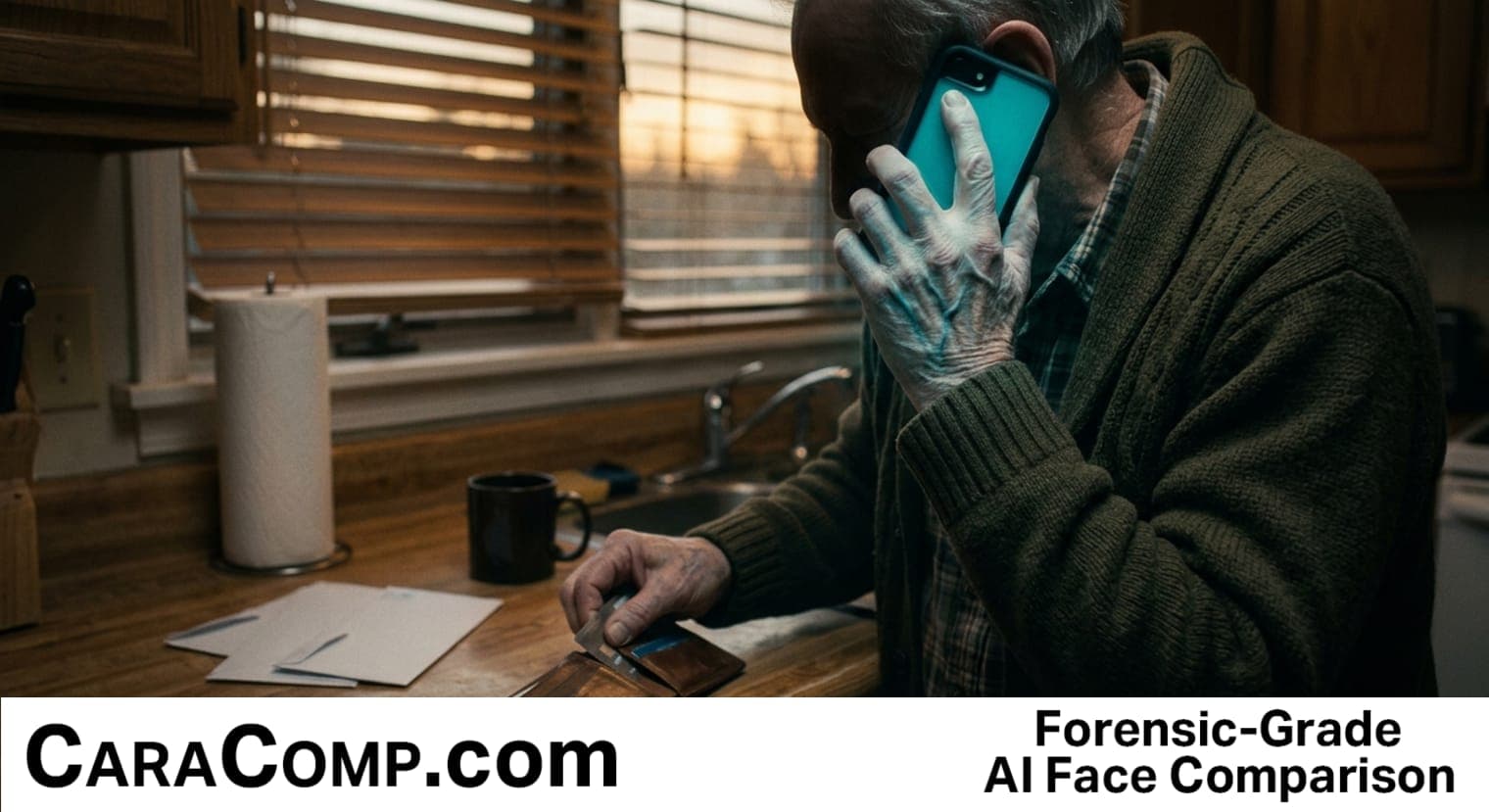
Picture your phone lighting up at 11pm. It is your brother, and he sounds scared. He needs money, right now, and he begs you not to tell anyone. That was the deepfake voice scam news today in miniature, and it is how one founder's grandfather got fooled. The voice on the line was not his brother. It was a computer copy of him.
Deepfake voice scam news today boils down to this: scammers can copy a loved one's voice from a few seconds of audio, so the voice alone proves nothing, and only a pre-agreed family check does.
Short answer to the question you are probably asking: yes, you could be fooled, and so could I. That is not a flaw in you. It is how human brains work under stress. Let's walk through what happened, why it works, and what actually helps.
Deepfake voice scam news today: why a familiar voice is no longer proof
According to TechCrunch, founder Tarini Padmanabhuni's grandfather lost money after hearing what he believed was his brother's voice. It was a fake. She then started a company, DetectifAI, to build a defense.
Here is the part that should stick with you. The scam did not need to be perfect. It only needed to work for about thirty seconds, long enough for love to beat logic.
What stayed with her was not the money. It was that her grandfather had no way of telling.
Summary of Tarini Padmanabhuni's experience, from TechCrunch reporting (paraphrase, not a direct quote)
Voice cloning needs only a few seconds of audio
Voice cloning (software that learns how a person sounds and then speaks new words in that voice) used to need hours of recordings. Not anymore. Current tools can build a convincing copy from three to five seconds of audio, according to the research behind this story. Where do scammers get it? A birthday video on social media. A voicemail greeting. A clip from a school concert.
The ai voice can even copy breathing and the little ways a person speaks, based on reporting from UnboxFuture. Your ear was built to trust voices you know. Now that instinct can be used against you. This article is part of a series, start with Facial St Louis One Number Jailed Wrong Man 17 Months.
Can a deepfake voice scam really fool a real family member?
Yes. A deepfake voice scam can fool a real family member because the copy sounds right and the moment feels urgent. Your brain hears a loved one, fills in the gaps, and skips the checking step. In the founder's story, her grandfather was not foolish. He was caring, and the scam was designed around that.
Why panic beats verification
Verification (proving the person is who they say they are) takes a pause. Panic removes the pause. That is the whole trick. The research notes that these scams use the same old pressure tactics as every other fraud: act now, tell no one, hurry. The cloned voice just makes the pressure feel real.
Psychologists call part of this the availability heuristic (your brain grabs the most vivid, easy-to-picture explanation and runs with it). When you hear your daughter's voice crying, the picture of her in trouble is instantly vivid. The picture of a computer faking her is not. So your mind picks the first one. You did not fail a test. The test was rigged.
That jump matters. A scam that works one time in eight is a nuisance. A scam that works about one time in three is a business. Research summarized in this story also says Americans lost $900 million to AI-driven scams last year, up 24% from 2024. Treat those numbers as estimates, but the direction is hard to argue with.
Deepfakes and cloning: the old scam versus the new one
The old scam came from a stranger with a script. Today's scams come from someone who sounds like your own blood. Here is the difference in plain terms.
| What changed | Old phone scam | Deepfake scam today |
|---|---|---|
| The voice | A stranger posing as a bank or official | A cloned voice that sounds like a family member |
| Why you trust it | Fear of trouble with an institution | Love, plus a voice you know is real |
| The weak spot | Odd accents, bad scripts, odd phone numbers | None you can hear, so verification must happen another way |
| Best security step | Hang up and call the bank | Hang up and call the person back, or ask a secret question |
What deepfake voice scam news today means for a family and its community
The big shift is from "stranger danger" to "trusted voice danger." We spent years teaching older relatives not to trust unknown callers. That advice does not cover a call that sounds exactly like a grandchild. Every family now needs a plan, and so does every community that looks after its older members: churches, neighborhood groups, senior centers.
Why a deepfake voice scam matters to ordinary people
- Your voice is public: a few seconds from social media can be enough for a clone.
- Panic is the weapon: the scam only has to hold up until you send the money.
- Defense is social, not technical: a family habit beats any app you have not installed yet.
Can an email or a call prove it is real?
Not on its own. An email can be faked and so can a call. The same goes for a text that "looks like" it came from your niece. Treat any message that asks for money fast as unproven until you check it a second way. The checking is the point, and it is free. Previously in this series: Social Media Age Restrictions Uae Bars Any Child Under 15.
Does it matter if the phone line is Bell or anything else?
No. The trick lives in the voice, not in the network. Whether your carrier is Bell or another company, a cloned voice sounds the same on the line. The story also points to a gap: detection tools mostly run on remote servers, so phone makers cannot simply build them in. DetectifAI is trying to shrink its detector so it can run inside the phone itself, without the audio leaving the device. That is promising, but it is not on your phone today.
Is a deepfake voice scam a Canada problem?
The story centers on an American family, so nothing here is specific to Canada. But a cloned voice does not check borders. If a phone can ring, this can happen, in Canada or anywhere else. The defense is the same on both sides of the line.
A family plan that works against a deepfake voice scam
The research is clear that the real fix is social. A safe word works because an AI can copy a voice but cannot guess a private memory that was never posted online. Here is a short plan you can set up this weekend:
- Pick a safe word or a secret question only your family knows. Do not post it, text it, or put it in an email.
- Hang up and call back on the number you already have saved. Never use a number the caller gives you.
- Name a designated verifier, one calm person everyone checks with before money moves.
- Never send money on the first call. Make that a family rule, so slowing down feels like following the plan, not doubting a loved one.
- Post less audio of your family where strangers can hear it. It will not make you immune, but it gives scammers less to work with.
If you have ever wondered whether a photo, profile, or voice is really who it claims to be, that is exactly the question identity-checking technology exists to answer. The most useful thing to do is simple and needs no tool at all: agree on your verification step before the scary call comes. Your security plan is only as good as the moment you remember it.
Deepfake voice scam news today shows that a familiar voice is no longer proof. Since voice cloning and deepfakes can copy someone you love, only verification you set up ahead of time, like a safe word and a callback, keeps your family safe.
Think about the founder's grandfather for a second. He did everything a good brother does. He picked up, he listened, and he tried to help. The only thing that would have saved him was a boring agreement made at a kitchen table months earlier. So here is the question to take to your next family dinner: if your own voice called your mother tonight, sounding terrified, what exactly would make her hang up?
deepfake voice scam news today: Frequently Asked Questions
What is a deepfake scam, in plain English?
A deepfake scam uses fake audio, video, or images made by AI to pretend to be someone real. In a voice version, scammers copy a person's voice and call their family asking for money. Because the voice sounds right, people skip the usual checks. That is why the best security habit is to confirm the request a second way, such as calling the person back on a saved number, before sending anything. Up next: Biometric Security A Stolen Face Has No Reset Button.
How do scammers copy voices so easily?
Scammers only need a short clip of someone talking. Research behind this story says three to five seconds of audio can be enough for voice cloning tools to build a convincing copy. Clips often come from social media videos or voicemail greetings. The cloned voice can then say anything, including urgent pleas for money, which is why today's scams feel so personal.
Are today's scams harder to spot than older ones?
Yes, in one important way. Older scams often had clues like bad grammar or a strange accent. Today's scams can sound exactly like someone you love, so you cannot rely on your ear. The better news is that the defense is simple: slow down, use a safe word, and do a callback. Those steps work no matter how good the fake voice is.
Is a deepfake voice scam a Canada problem too?
The story covered here is about an American family, so it does not single out Canada. But voice cloning does not stop at borders, and any phone call, from any carrier, can carry a fake voice. Families in Canada should use the same plan as anyone else: a private safe word, a callback to a saved number, and a rule to never send money on the first call.
Can phone companies like Bell block a deepfake call?
The story does not say that Bell or any carrier blocks these calls. It does explain that most detection tools run on remote servers, which is why phone makers cannot easily build them into a device. One startup wants to run detection inside the phone without the audio leaving it. Until something like that is common, your own verification habits are the real protection.
Should I trust an email or social message asking for urgent help?
Treat it as unproven. An email or a message on social media can be faked, and a scammer can follow it with a cloned voice call to seem more real. Do not click links or send money. Contact the person through a number or channel you already trust, and ask your safe word question. Families and their wider community are safer when everyone agrees to do this.
What is the one thing to do after reading deepfake voice scam news today?
Set up a family safe word or secret question this week, and tell everyone, especially older relatives, never to send money on a first call. Explain that it is not about distrust. It is about protecting each other from scammers who can copy a voice. That single conversation is the strongest defense against a deepfake voice scam, and it costs nothing.
Ready for forensic-grade facial comparison?
Full forensic reports with detailed similarity scoring. Results in seconds.
Run My First SearchMore News
Social media age restrictions: UAE bars any child under 15
The UAE says under-15s are out of social media, and "I'm 18" won't cut it anymore. Here is what the four age checks mean for your family.
privacyAge Verification Discord: App Quietly Guesses Age of 90%
Discord says 90% of users won't need an active age check. That sounds like good news until you ask who decided your age, and how.
privacyOnline Identity Verification Methods: 4 Digital Age Checks
The UAE just banned under-15s from social media and said the "enter your birthday" box is done. Here's what replaces it, and what it may ask of your family.