
Biometric Lock and Fingerprint Locks Flaw in Threema Android
Quick answer
Is an Android biometric lock really safe for private messages?
Not always. A fingerprint prompt only guards the screen unless the app ties it to an encryption key. Many locks simply wait for Android to report success, and that signal can be faked by someone who controls the running app. Updates and a strong phone passcode add real protection.
You tap your thumb, and your private messages open. It feels like a vault. But a recent audit of the Threema messaging app on Android found that its biometric lock (the fingerprint or face check that guards the app) leaned on one fragile signal. A fix is due in December.
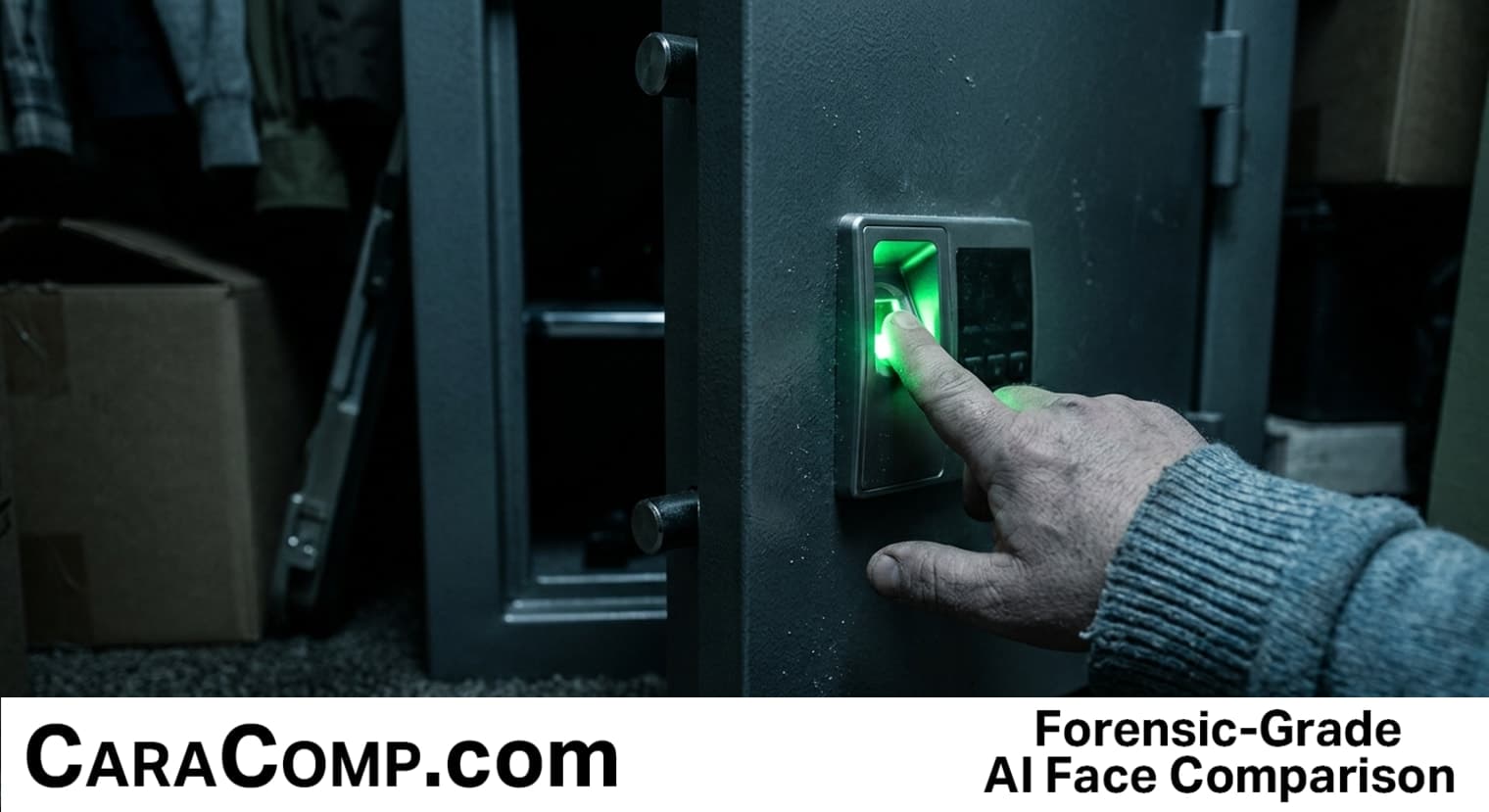
Android biometric lock flaws like this one show that a fingerprint prompt is a door, not a wall, and the audit rated this particular risk low.
Let me say the calming part first. The auditors rated the risk as low. An attacker would already need deep control over the app's running environment on the phone. Most people are not in that spot tonight. But the story still teaches something useful about what stands between a stranger and your messages.
What the Android Biometric Lock Flaw Actually Is
The audit, reported by CyberInsider, covered the Threema app on both Android and iOS. The team at Assured Security Consultants spent 18 person-days on it. They used automated scans, live testing, and manual code review.
Here is the gist. When you scan your finger, Android tells the app "that worked." The app then opens. The problem is that the app trusted that message and nothing more. If someone could tamper with the app while it runs and fake the "that worked" message, the app might open without a real fingerprint ever being checked.
How fingerprint locks can fail the way this one did
Think of a bouncer at a door who lets anyone in who says "the manager approved me." He never checks with the manager. A fingerprint lock flaw of this kind works the same way. The researchers say the safer design ties the fingerprint check to a cryptographic operation using a key protected by the Android Keystore. If that key protects encrypted messages, faking the success signal alone should not make them readable.
Biometric authentication should be tied to a cryptographic operation backed by the Android Keystore. This article is part of a series, start with Tinder Photo Verification Only 1 Of 9 Photos Must Match.
Audit recommendation, as summarized by CyberInsider
Are Biometric Locks and Fingerprint Locks Really Protecting Your Messages?
Short answer: it depends on how the app built it. A biometric lock that only gates the screen is like a curtain over a window. A lock that is tied to encryption (scrambling your data so it is unreadable without a key) is like a steel shutter. Both kinds of locks look the same when you tap your thumb. You cannot tell them apart by using the app.
18
person-days spent auditing the Android and iOS apps
Source: CyberInsider
That number matters. Nobody spots this by tapping around. The audit took trained people, special tools, and 18 person-days of effort. Researchers describe the mistake as common: skipping the step that ties the fingerprint check to a real key, so the check lives only on the surface.
| Design | What the biometric lock does | What happens if the signal is faked |
|---|---|---|
| Event-based locks (the flaw) | Waits for Android to say "success" and opens the app | Tampering with the app can fake the signal, so the lock can be bypassed |
| Key-bound locks (the fix) | Ties biometric verification to an operation using a protected key | A faked signal alone cannot unlock data encrypted with that key |
| Risk rating in this audit | Low | The attacker must already control the app's running environment |
Why an Android biometric lock can look strong and still be weak
An android biometric lock is built by each app's developers. Android supplies the fingerprint check, but the app decides what to do with the answer. That is the gap. It is also why independent audits matter: the in-house team missed this one. Previously in this series: Best Identity Theft Protection Monitors Never Stop A Thief.
What Comes Next for Biometric Locks on Your Phone
Here is my prediction. Expect more people to ask a plain question: if someone gets my phone, what actually stands between them and my messages? Expect security reviewers to start asking the same thing of other messaging apps and their locks. The December fix is one app's repair. The question is bigger than one app: it covers every app that locks your messages behind a fingerprint.
Why the Biometric Lock Question Matters
- Looks are not proofa fingerprint prompt does not tell you whether your data is encrypted behind it.
- Low risk is not no riska small flaw today can become a recipe for tomorrow's attacks.
- Audits are the only X-rayusers cannot see the difference, so outside reviews do the checking for them.
To be fair, the other side has a point. Exploiting this flaw means the attacker already has serious access to your phone, and by then other protections have failed. For most readers the practical danger is small. I still would not shrug it off. When a lock can be faked by a message that says "trust me," the lock was never doing the job you pictured.
One thing to do before December
Update the app when the fix lands. That is the real, concrete step. A smart habit is to turn on automatic updates for your messaging apps so you do not have to remember. Also set a strong screen lock on the phone itself, because that is your first wall.
And here is the gentle CaraComp note. If you have ever wondered whether a photo, a profile, or a person is really who they claim to be, that is the same question underneath this story. Trust a result only when something solid backs it up, not when it merely looks official. A face match works the same way: a score (a number for how alike two faces are) is only worth trusting if the process behind it is sound.
A biometric lock is only as strong as what it is tied to, so a fingerprint prompt on its own does not prove your messages are protected.
Recap: The Android app's fingerprint check trusted one signal, and the auditors rated the risk low. Keep your apps updated and your phone's own lock strong. Up next: Biometric Lock Threema Flaw Could Open Private Messages.
So, would you feel differently about keeping private messages on your phone if the lock had a flaw? Here is the sharper version. If you cannot tell a vault from a curtain by looking, who is checking for you?
Biometric Lock: Frequently Asked Questions
Is my biometric lock safe on Android messaging apps?
It depends on how each app built it. Android provides the fingerprint check, but the app decides what happens next. Strong locks tie the check to a protected key. Weaker locks just wait for a success signal. In this audit, the risk was rated low, since an attacker would need deep control of the running app. Keep apps updated and use a strong screen lock.
What did the audit find in the Threema Android app?
Assured Security Consultants spent 18 person-days testing the app on Android and iOS. They found the biometric lock relied on the operating system's success signal alone. The auditors recommended binding the fingerprint check to a cryptographic operation backed by the Android Keystore. CyberInsider reported that a fix is due in December, and the risk was rated low.
Can someone bypass fingerprint locks without my finger?
In a flawed design, possibly, but only under hard conditions. The attacker would need to tamper with the app while it runs and fake the success message. That is not a casual thief grabbing your phone. Well-built fingerprint locks tie the check to a key, so a faked message alone cannot unlock data encrypted with that key.
What is cryptographic binding in plain English?
It means your fingerprint does not just open a screen. The check is tied to an operation using a protected key, which can be used to unscramble data. If the data is encrypted with that key, faking the success signal alone should not make it readable. That is the difference between a curtain and a steel shutter.
How do I know if an app's biometric lock is strong?
You usually cannot tell from using it, because strong and weak locks look identical on screen. That is why independent security audits matter. What you can do is install updates quickly, favor apps that publish audit results, and protect the phone itself with a strong passcode.
Ready for forensic-grade facial comparison?
Full forensic reports with detailed similarity scoring. Results in seconds.
Run My First SearchMore News
Hong Kong Facial Recognition: 11,000 Cameras, One Wrong Face
Hong Kong has switched on AI facial recognition across its camera network. The real question for ordinary people: what happens if the system gets your face wrong?
facial-recognitionFacial Recognition False Arrest: Woman Sues Fargo for $10M
A Tennessee woman says a computer's guess got her arrested far from home. Here's what the Fargo case shows, and the questions worth asking if a face match ever points at you.
digital-forensicsDeepfake Korea: Faked Familiar Faces Fueled $400M Theft
The DOJ says North Korean hackers used fake video calls to steal over $400 million in crypto. A familiar face or voice is no longer proof, so hang up and call back.