
AI Voice Cloning Scam: 3 Seconds of Audio, $893M Lost, FTC Guidance
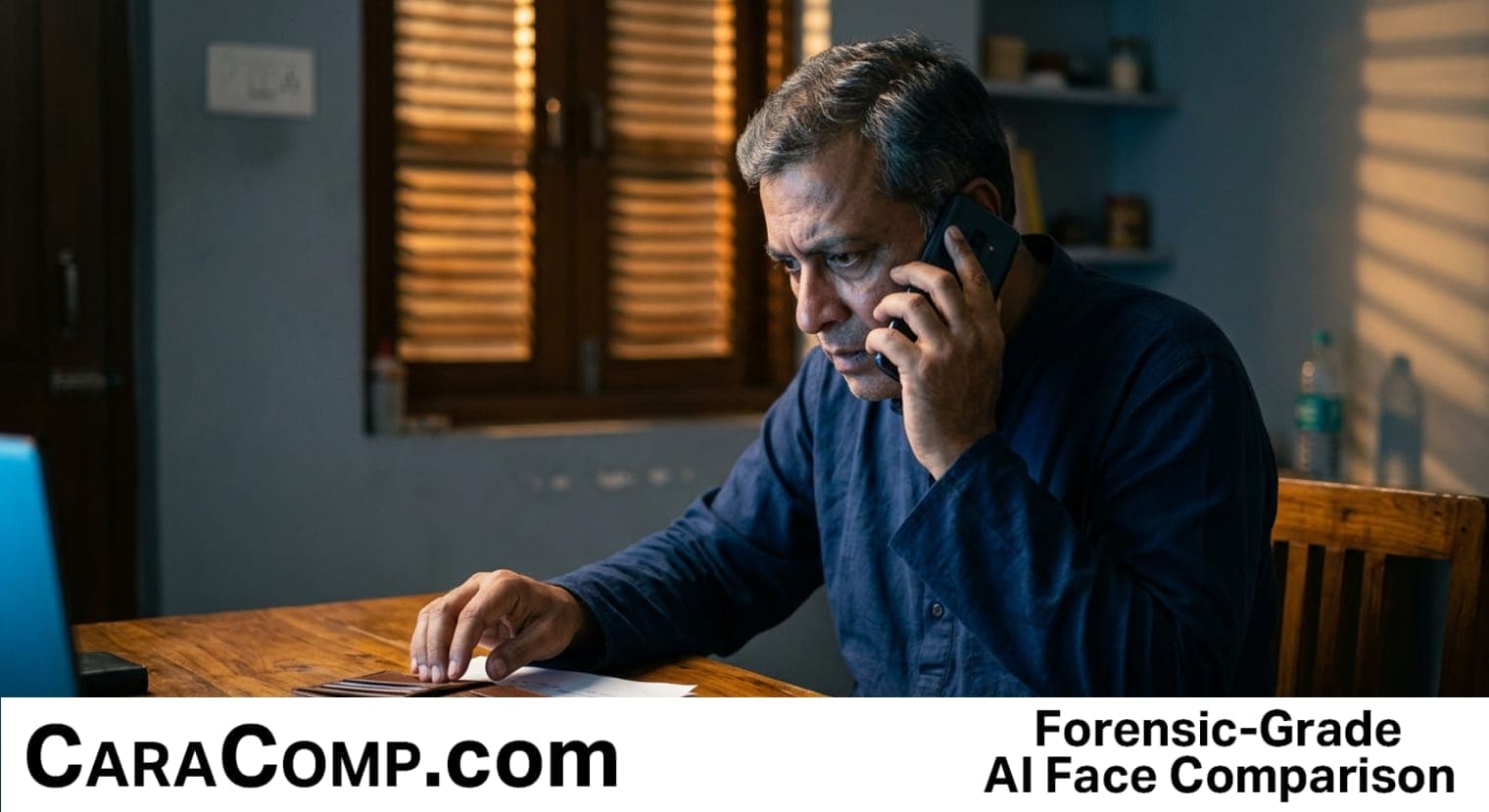
Three seconds. That's how little audio a scammer now needs to build a voice clone good enough to fool a parent at 11pm. Not a minute of your kid rambling about their day. Not even a full sentence. Three seconds, pulled from a TikTok, a voicemail greeting, a graduation speech posted on Facebook. Then a fake, frantic phone call starts, and it sounds exactly like your child.
An ai voice cloning scam works by cloning a real person's voice from a few seconds of public audio, then using that cloned voice to call a family member with an urgent, scary request for money before anyone has time to check if it's real. This information matters because the tactic is spreading fast and most people have never heard the guidance that actually stops it.
An ai voice cloning scam can copy a loved one's voice from three seconds of audio, and the only real defense is refusing to stay on the phone with the "emergency" call.
Here's the part that should genuinely rattle you: this isn't a future threat, some scary hypothetical tech reporters like to dangle in front of you. This is happening right now, to regular people, this year. Axios reported that Senator Maggie Hassan has been pressing AI voice cloning companies directly, after the FBI tallied $893 million in AI-related scam losses in a single year. That's not spread across some abstract "cybercrime" category. A big chunk of it is people wiring money to save a kid who was never actually in trouble.
Fake Voice Calls and Deepfake Voice Scam Guidance: Why It Sounds So Real
An ai voice cloning scam takes a tiny sample of someone's real voice, feeds it into AI software, and spits out a synthetic version that can say anything the scammer types. According to Cautellus, the Better Business Bureau put out a national alert in July 2026 warning that scammers need only three to five seconds of clear audio to pull this off. Your kid's voicemail greeting. A fifteen-second Instagram Reel. A podcast clip. Any of that is enough raw material.
Starts at 00:13 — this story
Watch this story, in under a minute
A new briefing every weekday — three stories, three minutes.
Subscribe on YouTubeAnd no, this isn't a robot voice reading a script badly. It's a match score (a computer's guess at how alike two voices are) so close that even people who've known the "caller" their whole life can't tell the difference by ear alone. That's the whole trick. The scam isn't fooling a machine. It's fooling you, on purpose, at the exact moment you're least equipped to think clearly. Voice detection tools exist, but none are reliable enough yet to catch a fake voice call before the damage is done.
How does a voice phishing call actually reach you?
It usually starts with caller ID spoofing (making a phone display a number that isn't really calling you) so the screen shows your daughter's actual cell number, or something close enough to it. You pick up already half-convinced. Then the cloned voice starts talking, and it's crying, or scared, or both. That combination, a familiar voice plus a familiar number plus real panic, is designed to shut down your skepticism before you've even said hello. This article is part of a series, start with Deepfake Impersonation One Fake Call Cost 25 Million Podcast.
The Family Emergency Scam Playbook Behind Every Voice Scam Call
Once the cloned voice has you hooked, the family emergency scam script kicks in, and it's remarkably consistent. Send money now. Don't tell anyone else in the family. Use a gift card, or wire it, or send crypto. Stay on the line while you do it. Every one of those four demands exists for the same reason: to keep you moving fast and thinking slow.
Research summarized by Cybrvault puts the FTC's 2024 imposter-scam losses at $2.7 billion, with projections that AI-driven versions could triple by the end of 2026. Meanwhile, Saving Advice found that one in four people have already run into an ai voice cloning scam personally or through someone they know, with the average family emergency scam costing victims around $11,000. Some cases climb as high as $15,000. That's not pocket change lost to a phishing email. That's a car payment, a semester of tuition, a chunk of retirement, and for a small business owner it can be a payroll cycle wiped out in one bad call.
Scammers use voice-cloning technology to create highly convincing family emergency scams, exploiting emotional responses and urgency to bypass critical thinking and prompt immediate payment before verification.
research summary, Cybrvault
What strikes me most about that quote isn't the "voice-cloning technology" part. It's the phrase "bypass critical thinking." That's the actual target. Not your ears. Your judgment. The voice is just the delivery mechanism for panic, and that same panic response is being tested against financial guardrails at banks, at businesses, and inside family group chats everywhere.
What red flags separate identity theft attempts from a real emergency call?
Real emergencies don't come with a gag order. If the "caller" begs you not to tell your spouse, not to call anyone else, not to hang up and check, that secrecy demand is the tell. A genuine family member in real trouble wants MORE people helping, not fewer.
Why the AI Voice Cloning Scam Trend Matters Right Now
- ⚡ The audio bar is nearly zerothree seconds of public audio is all it takes, meaning almost anyone with a social media account is a target for cloning
- 📊 The money is real and it's rising fastfrom $2.7 billion in imposter-scam losses in 2024 to a projected tripling by late 2026, per Cybrvault's summary of FTC figures
- 🔮 Caller ID is no longer proof of anythingspoofing lets a scammer display your real family member's real number
- 🕒 Detection tools aren't ready for prime timeno phone-call filter can reliably flag a cloned voice in real time as of 2026
Old Phone Scam vs AI Voice Cloning Scam Call: What Actually Changed
| What you're dealing with | Classic phone scam | AI voice cloning scam | Status |
|---|---|---|---|
| What convinces you | A believable story told by a stranger | A familiar voice, cloned from real audio, telling the story | Escalating |
| Caller ID | Often blocked or clearly wrong | Spoofed to show your loved one's real number | Unreliable |
| Emotional pressure | Urgency, but generic | Urgency plus crying, fear, and personal details pulled from social media | High risk |
| Payment demand | Wire transfer or gift cards | Wire transfer, gift cards, or crypto, often while staying on the line | Irreversible |
| Best defense | Hang up and think | Hang up and call back on a number you already know | Recommended |
FTC Guidance: What AI Voice Cloning Scam Warnings Actually Ask You to Do
So here's the useful part, the thing you can actually act on tonight instead of just feeling vaguely alarmed. If you've ever wondered whether a "family member" calling you in crisis is really who they claim to be, that's the exact question this whole scam exploits, and the fix is boring on purpose: hang up. Not rude, not dramatic, just hang up, and call your kid, spouse, or parent back using the number already saved in your phone from before tonight. If they answer normally, you've lost thirty seconds. If it goes to voicemail, call another family member who'd know where they are. Real emergencies survive a thirty-second pause. Scams do not, because the scammer loses control the second you leave the call. Previously in this series: Age Verification Software Court Orders Birth Proof Checks Po.
RetireHub flags this as the fastest-growing fraud category hitting people over 50, and recommends families set up a private codeword system, a word or phrase only real family members would know, precisely because a cloned voice can say anything except a fact it was never fed. It's low-tech. It's also one of the only defenses that actually works against something this convincing. The same guidance applies whether the target is a retiree, a college student with a small loan payment due, or a business handling a wire request from someone claiming to be an executive.
An ai voice cloning scam doesn't need to fool your ears forever, only for the sixty seconds it takes to panic you into paying, so the family emergency scam only works if you stay on the phone instead of hanging up and calling back.
Look, nobody's saying this is simple to remember in the moment your "kid" is sobbing on the phone. That's exactly why the scammers picked this method. But the fix genuinely doesn't require you to become a tech expert or start analyzing audio quality like some amateur sound engineer. It requires one habit: pressure equals pause. Every single source in this story, from the BBB to the FTC to individual banks and business fraud teams, lands on the same behavioral defense, because the voice itself has stopped being reliable evidence of anything. That consistent guidance, repeated across regulators and researchers alike, is the closest thing to a universal fix this problem has right now.
People also ask: can banks or apps detect an ai voice cloning scam call before money moves?
Not reliably, not yet. Some financial institutions are experimenting with fraud-detection systems, but nothing catches a cloned voice call in real time before you've already sent the money. The defense that works today isn't software. It's a five-minute conversation with your family, right now, about a codeword and an "always hang up and call back" rule, before you ever need it at 11pm.
So the next time your phone rings and it sounds exactly like someone you love, asking for help in a way that feels urgent, secret, and specific about the payment method, remember what you're actually hearing. Not proof. Just audio. And audio, in 2026, is the cheapest thing in the world to fake. For more background information on how these calls are engineered, and further information on reporting them once they happen, the sources linked throughout this piece are a good place to start.
ai voice cloning scam: Frequently Asked Questions
How much audio does a scammer need to clone someone's voice?
As little as three to five seconds of clear audio, according to the Better Business Bureau's July 2026 national alert reported by Cautellus. That's shorter than most voicemail greetings. Scammers pull this audio from public social media videos, podcasts, voicemail greetings, or even old home videos posted online, meaning almost anyone with a public account has enough material floating around to be cloned without ever knowing it happened. Up next: Deepfake Scams Singapore Acts As Fraud Attempts Jump 1 300.
What is a family emergency scam and how is it different from older phone scams?
A family emergency scam is a call, often now using a cloned voice, claiming a relative is in trouble and needs money immediately. It differs from older phone scams because the caller can sound exactly like your actual family member instead of a stranger reading a script. The pressure tactics are the same as always: urgency, secrecy, and a demand for irreversible payment like gift cards or wire transfers, but the voice now defeats the one check people used to trust automatically.
Can caller ID prove who is really calling me?
No. Caller ID spoofing lets scammers display any number they choose, including your real family member's actual saved number, so seeing a familiar name or number on your screen tells you nothing reliable about who is actually calling. Treat caller ID as decoration, not verification, especially if the call involves urgency, fear, or a request for money you weren't expecting.
What should I do if I get a suspicious call from a "family member" asking for money?
Hang up immediately and call that person back using a number already saved in your phone from before the call, not a number the caller gave you. If they don't answer, contact another relative who would know their whereabouts. Never send money, gift cards, or crypto while still on the call with the person claiming to be in crisis. Genuine emergencies survive a short pause for verification; scams rely on you skipping that step entirely.
Is there any technology that can detect an ai voice cloning scam call in real time?
Not reliably as of 2026. Some cybersecurity companies are building AI-detection tools, but none are trustworthy enough yet to serve as a real-time filter on incoming phone calls. Cybersecurity researchers largely agree the strongest defense right now is behavioral rather than technological: family codewords, hanging up and calling back on a known number, and refusing to use irreversible payment methods under pressure. This basic information, shared consistently across every source cited in this news roundup, is what actually protects people.
How much money have people lost to AI voice cloning scams?
The FBI reported $893 million in AI-related scam losses in a single year, according to Axios's reporting on Senator Maggie Hassan's inquiry into AI voice cloning companies. Separately, the FTC recorded $2.7 billion in imposter-scam losses in 2024, with projections that figure could triple by the end of 2026 as cloning tools get easier to access, per research summarized by Cybrvault.
Ready for forensic-grade facial comparison?
Full forensic reports with detailed similarity scoring. Results in seconds.
Run My First SearchMore News
UK Age Verification: Pubs Now Legal to Take Phone ID
UK pubs can now legally accept digital ID instead of your driver's license. The tech can hide your name and address and just say "over 18." Whether it actually will depends on the bartender.
privacyAge Verification Roblox: 31 Lawsuits Test Section 230
A California judge is deciding if Roblox can hide behind an old internet law when its age checks fail. Here's why your family should be paying attention.
privacySocial media age verification laws: Malaysia now IDs children
Malaysia's social media age verification rules went live today, requiring government ID to open an account. Here's what parents and everyday users actually need to know before they hand over their information.