
AI Voice Cloning Scam Uses Speech and Audio to Clone a Voice
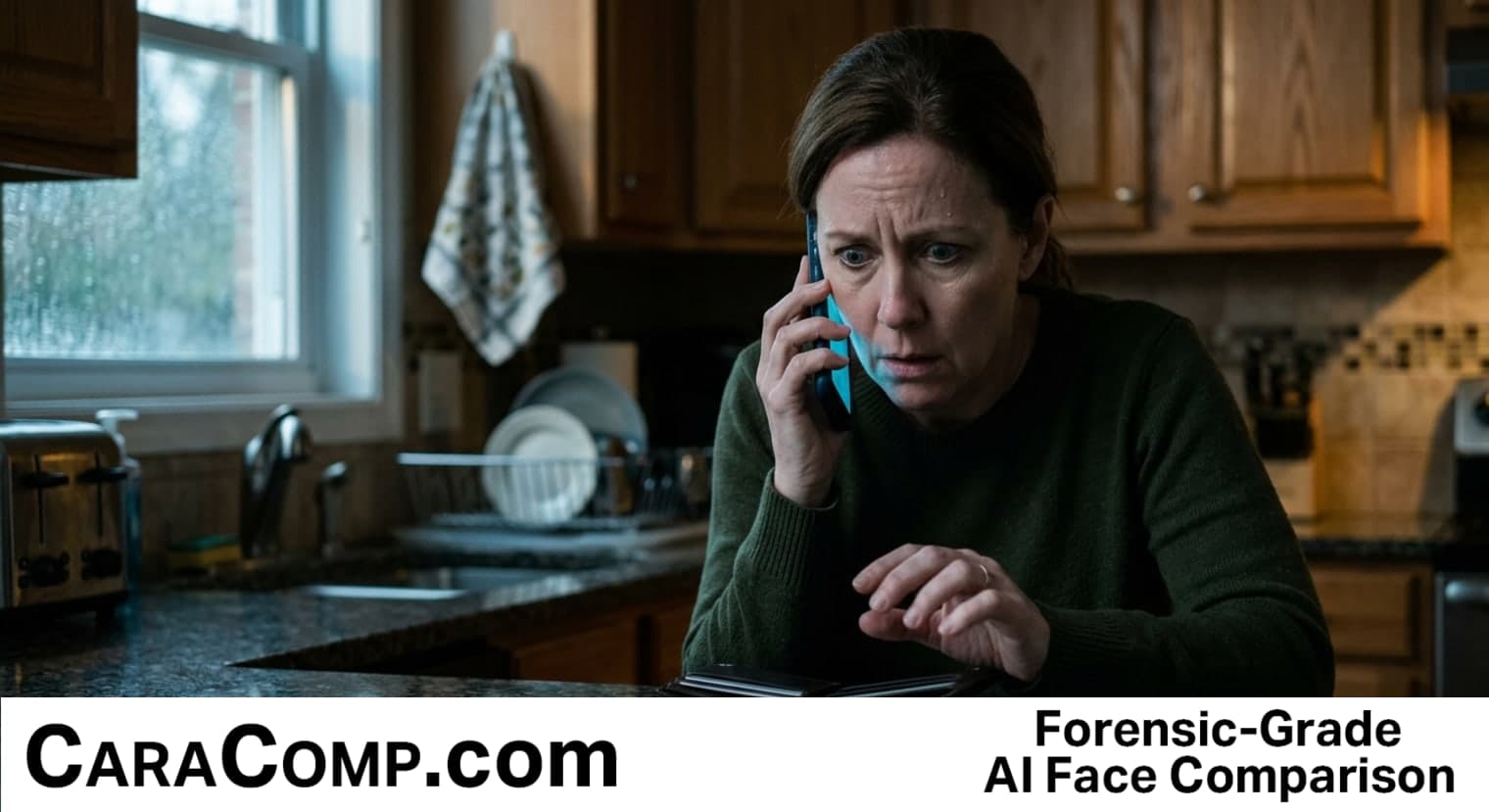
Somewhere in Greece right now, a phone is ringing. On the other end is a voice that sounds exactly like your daughter, your dad, or your husband. It says there's an emergency. It says send money now, don't tell anyone, hurry. And here's the part that should scare you: that voice might not be a person at all. It might be a machine that learned to sound like someone you love from just a few seconds of audio it grabbed off a video you posted online.
Greek police just took down a criminal ring that used ai voice cloning to fake the voices of victims' relatives over the phone, pulling in more than one million euros before they got caught, according to Greek City Times.
What Happened in the Greek AI Voice Cloning, Speech, and Audio Clone Scam
Let's start with the basics, because this one is genuinely wild once you slow down and look at it. Hellenic Police (that's Greece's national police force) dismantled a gang that had been posing as employees of the country's power company, phone companies, and internet providers. That part alone is an old trick, scammers pretending to be "the electric company" is nothing new. But then they added a twist that changes everything: they used ai voice cloning to make it sound like a relative of the victim was actually on the phone, backing up the scam in real time using nothing more than cloned audio, synthetic speech, and a script.
Think about how that lands emotionally. You're not just getting a cold call from a stranger claiming to be from the utility company. You're hearing your own kid, or your own parent, sound scared, sound rushed, sound like them. According to reporting from Tovima.com, the original outlet that broke this story, that combination of fake authority (posing as a company) plus a cloned voice of someone you trust is what made this voice cloning scam so effective it cleared a million euros before police shut it down. Tools like Minimax and other free ai voice cloning online services were never named in this case, but they show how easy it has become for anyone to clone voices using little more than a laptop, an app, and a short recording. The same voice cloning technology used to create audiobooks and dubbing can create this kind of fraud just as easily.
How AI Voice Cloning Scam Tactics Actually Work
Here's the technical detail that should genuinely unsettle you: scammers only need about three seconds of someone's voice to build a convincing clone. Three seconds, a few seconds shorter than it took you to read this sentence. A voicemail greeting, a TikTok, a video from a birthday party, any of it is enough raw material. Voice cloning software can now copy breathing patterns, little verbal habits, even the specific way someone pauses before they say something upsetting. The result isn't a robotic, uncanny-valley voice anymore. It's your person, rebuilt from a few seconds of speech and turned into a weapon against the very people who trust that voice most. Every clone starts the same way: a short sample of real speech becomes the raw audio a cloning tool uses to create fake speech on demand.
Why This Voice Cloning Tool Fools Even Careful People
So why does this work on smart, careful people? It's not because victims are gullible. It's because of something psychologists call the availability heuristic, basically, our brains grab the fastest, most familiar explanation instead of the most accurate one. When you hear a voice that sounds exactly like your daughter, your brain doesn't run a forensic voice analysis of the audio. It just goes "that's my daughter" and moves straight to "how do I help her." Panic skips the line past logic every single time. This article is part of a series, start with Age Verification Roblox 31 Lawsuits Test Section 230.
The numbers back this up in a way that's honestly kind of chilling. Voice scam attempts surged 1,210% in 2025, much of it powered by tools that need only that three-second audio sample to work, the same kind of advanced voice cloning tech that lets people clone voices for legitimate projects like audiobooks or dubbing, right alongside the criminal use of that exact capability. The FBI has reported roughly a 300% jump in voice-cloning fraud cases since 2024, with losses climbing past 2.5 billion dollars worldwide. And when researchers tested whether regular people could tell a cloned voice from a real one using their own ears, accuracy dropped below 30%, and in some high-quality clone tests it fell as low as 24.5%. That's worse than flipping a coin.
Scammers exploited voice-cloning technology to create the impression that a relative or other trusted person of the victim was on the line.
reported by Euronews
Here's where it gets genuinely rough: among people who say they've been targeted by an AI voice scam, more than three out of four actually lost money. Not "considered it." Lost it. That success rate is why this Greek case isn't some fluke, it's a preview of where this kind of fraud is headed everywhere else, including wherever you're reading this from tonight, and it's a reminder that the same speech-generation tech marketed for harmless fun can just as easily create real financial damage using nothing but voice and audio someone already posted publicly.
Why This Voice Cloning and Cloning Technology Growth Matters for Your Family
- ⚡ Speed beats skepticisma scam call is built to hit you in the 30 seconds before your brain catches up, not to survive careful review
- 📊 Detection lags adoptionfewer than one in three companies currently use AI-powered voice fraud detection tools, so the tech to catch this is way behind the tech that enables it
- 🔮 Scale is already herea single ring pulled over a million euros using this method, which means it's profitable enough that copycats are basically guaranteed
- 🧠 Trust in "sounding like them" is brokena familiar voice used to be good enough proof; now it's just one more thing a criminal can fake
Can You Detect a Voice Cloning and Vocal Cloning Scam Before You Send Money
Short answer: probably not by ear alone, and you shouldn't try. Detection accuracy for humans listening to high-quality clones is worse than random guessing. What actually works is refusing to treat a voice, any voice, as proof by itself. If a call demands money, secrecy, or speed, that's your signal to stop, hang up, and call the person back on a number you already had saved, not one the caller gives you.
This is the exact move security teams call a callback workflow, and it's becoming the standard defense in workplaces dealing with this same threat, according to reporting from Digital Journal on Canadian organizations rethinking identity checks. Families can borrow the same idea for free using a free plan or no software at all: agree on a code word nobody would guess from social media, and make "I'll call you right back" a reflex, not an insult. Previously in this series: Ai Child Safety Unicef Counts 1 2 Million Deepfake Victims.
What CaraComp Watches For in AI Voice Cloning, Cloning Tool, and Create Speech Cases
If you've ever wondered whether a photo, a video clip, or even a voice memo making the rounds online is really who it claims to be, that's the exact question this kind of verification work exists to answer. You don't need special software to protect your family tonight. You need one habit: before you act on any urgent voice message, verify it through a second, separate channel you control, a text to a sibling, a call to the workplace, a message to a neighbor who can physically check. Cloned voices are getting scary good, whether the underlying tool is a criminal setup or something as simple as Speechify or another free ai voice cloning online app used for perfectly legal work, the kind people use every day to create speech for podcasts, narration, or customer service bots. Independent verification is still boring, cheap, and it still works every time. Legitimate voice cloning lets creators create speech and audio for entirely lawful projects, which is exactly why the technology itself is not the villain here, the deception around it is.
| Old assumption | Reality with AI voice cloning | Status |
|---|---|---|
| A familiar voice proves who is calling | Voice cloning needs only 3 seconds of audio to fake that same voice | Still exploitable |
| Scam calls sound robotic or "off" | Human detection accuracy falls below 30%, and as low as 24.5% for high-quality clones | Still exploitable |
| Panic calls are rare, isolated incidents | Voice scam attempts rose 1,210% in 2025 alone | Rising |
| Losing money to a voice scam is unlikely | More than 3 in 4 targeted victims report an actual financial loss | High risk |
| Case status: dismantled | Enacted method: still active elsewhere, using cloned voices and cloned speech patterns | Ongoing elsewhere |
What's genuinely striking about the Greek case is the layering. The gang didn't just clone a voice and hope. They built a whole scaffold of legitimacy first, posing as power company and telecom employees, so the victim's guard was already partway down before the "relative" ever got on the line. That's not lazy fraud. That's a script, refined by repetition, run against real families until it generated seven figures using nothing but cloned audio, synthetic speech, a phone line, and patience. Police called it dismantled. The method it used is not.
AI voice cloning has made a familiar voice no longer proof of identity, which means the only real defense against an ai voice cloning scam is verifying urgent calls through a second, separate contact method before you act.
Here's the uncomfortable truth this Greek case leaves behind: the technology didn't need to fool a courtroom, a detective, or a fraud analyst. It only needed to fool one exhausted parent for thirty seconds on a Tuesday night. That's the whole business model. So the next time a "loved one" calls sounding desperate, ask yourself one question before you touch your banking app: would I bet a million euros that this voice can't be faked? Because somewhere in Greece, a criminal ring already bet that you wouldn't ask.
ai voice cloning: Frequently Asked Questions
What is AI voice cloning and how does the scam actually happen?
AI voice cloning is software that studies a short recording of someone's real voice, sometimes just a few seconds, and generates new fake speech, or audio, that sounds like that person saying anything at all, similar in concept to how tools like Minimax create speech from text using voice cloning models trained on real audio. In scams like the Greek case, criminals combine a cloned voice of a relative with a fake claim of being from a power or phone company, then call the victim demanding urgent payment before the person has time to think it through. Up next: Age Verification Roblox 31 Lawsuits Test Section 230 Podcast.
How much audio do scammers need to clone someone's voice?
As little as three seconds of clear audio, according to reporting on the recent surge in voice cloning fraud. That could come from a voicemail greeting, a social media video, or even a quick clip from a phone call. This is part of why security experts increasingly say a voice alone should never be treated as proof of who is actually calling, no matter how convincing the cloning tool or app used to create it, or how it was used to clone voices in the first place.
Can people actually detect a cloned voice by listening carefully?
Not reliably. Studies on human detection of AI-generated voices found accuracy drops below 30%, and for high-quality clones it fell as low as 24.5%, worse than random guessing. Scammers can now replicate breathing patterns, vocal tone, speech rhythm, and emotional pacing in the audio, which is exactly why relying on your ear is not a safe strategy anymore, no matter how careful or skeptical you consider yourself.
What made the Greek AI voice cloning scam so successful?
The gang layered two tricks together: posing as employees of Greece's power company and telecom providers to establish fake legitimacy, then using AI voice cloning to make it sound like the victim's own relative was on the phone backing up the request. That combination of institutional trust and emotional trust, built entirely from cloned voices, synthetic speech, and borrowed text scripts, generated over one million euros before Hellenic Police dismantled the ring, according to Greek City Times.
Is voice cloning fraud detection technology keeping up with the threat?
Not yet, at scale. Real-time detection tools can cut fraud success rates by over 45% when organizations actually use them, and some biometric systems can spot cloned voices with 85 to 92% accuracy by analyzing audio patterns in real speech. The problem is adoption: fewer than a third of companies currently deploy AI-powered voice fraud detection, meaning the defensive tools lag well behind how fast people can create and clone voices using widely available software and voice cloning apps.
What should I do if I get a scared, urgent call from a family member's voice?
Hang up and call that person back using a phone number you already had saved, never one given to you during the call. Agree on a family code word in advance that would not appear on social media. Treat any request for money, secrecy, or immediate action as unverified until you confirm it independently, the same callback approach businesses now use to defend against ai voice cloning scam attempts using cloned speech and audio.
Ready for forensic-grade facial comparison?
Full forensic reports with detailed similarity scoring. Results in seconds.
Run My First SearchMore News
AI Child Safety: UNICEF Counts 1.2 Million Deepfake Victims
Australia just told tech giants that parents can't out-smart AI alone. Here's the one family habit that actually works against voice clones and deepfakes.
privacyBiometric login: fake IT calls hand scammers a work account
A new scam skips the password and asks you to set up "safer" biometric login instead. If you fall for it, you've just handed a stranger the keys to your work account.
digital-forensicsDeepfake video detection: 60 faked, one security sign
A 74-year-old retiree in the Netherlands allegedly made deepfake sex videos of 60 well-known people. Here's what it means for the rest of us, and one thing you can actually do about it.