
Medical Identity Theft: 210 Hours to Fix Your Chart
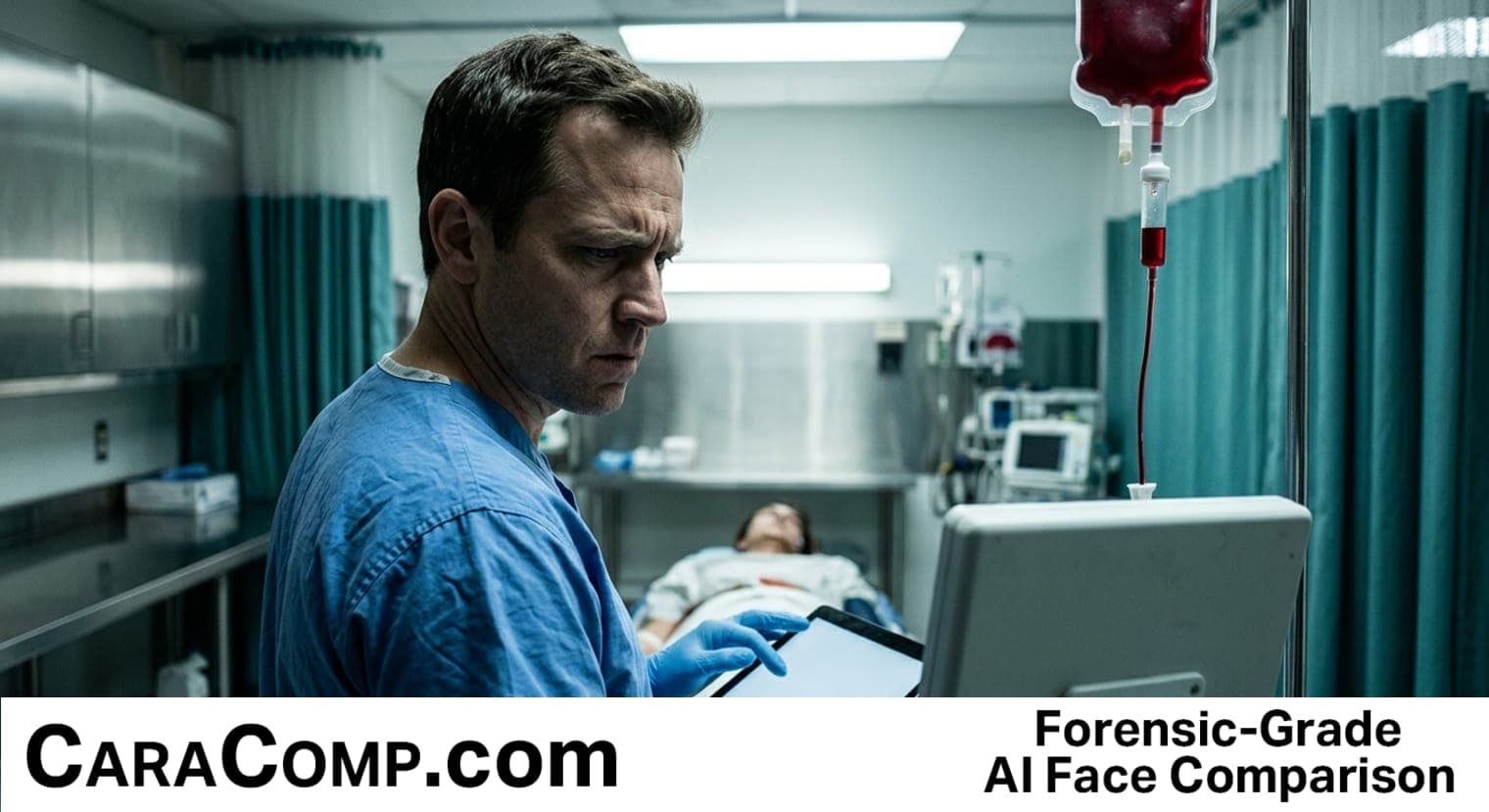
Here's a sentence that should scare you a little: a hospital will believe your file before it believes you. If your chart says you're diabetic and you're not, or it lists a blood type that isn't yours, the doctor treating you in an emergency room at 2 a.m. isn't going to argue with the screen. They're going to trust it. That's the entire design of the system, and it's exactly what makes medical identity theft so dangerous.
Medical identity theft occurs when someone steals your personal information, uses it to get medical care under your name, and leaves behind a corrupted record that a hospital will trust more than you.
Medical identity theft happens when someone steals your personal information to get medical care, and the wrong details left behind in your chart can outlast the crime itself by years.
Let's sit with that scenario for a second, because it's the whole reason this topic deserves your attention tonight instead of tomorrow. You're in a car accident. You need blood, fast. If the blood type sitting in your chart belongs to a stranger who once used your name and your health insurance information to get treated somewhere, the transfusion team has no way of knowing that. They read the file. They trust the file. That single wrong data point, quietly planted months or years earlier, can be the difference between a routine transfusion and a fatal one.
Medical Identity Theft Explained: Why It's Not Like Credit Card Fraud
Most people hear "identity theft" and picture someone buying a TV with your stolen credit card. Annoying, sure, but fixable with one phone call. Medical identity theft is a different animal entirely. It happens when someone steals your identity, specifically your name, your date of birth, your insurance ID, and uses it to get medical care, prescriptions, or equipment billed to your account. The theft itself is only step one. What comes after is the part nobody warns you about: their treatment history, their allergies, their diagnoses, all of it gets folded into your actual medical record. Not a copy. Not a decoy file. Yours.
Financial fraud gets caught fast because banks are obsessively motivated to protect trust in the credit system. You get a text the second something looks off. Medical fraud doesn't work that way. It doesn't show up on your credit file the way a card charge does. There's no fraud alert app pinging your phone. It shows up, if it shows up at all, as a confusing line item on an Explanation of Benefits statement weeks or months later, something you'd have to actually sit down and read carefully to even notice.
How Someone Uses Your Personal Information Without Ever Touching a Computer
Here's the part that surprises people most: this crime barely requires any tech skill. Someone steals personal information the old-fashioned way, a lost wallet, a health insurance card left on a counter, medical paperwork tossed in the trash instead of shredded. A family member or friend uses your insurance to get care they can't afford or don't qualify for, and that's medical identity theft too, even when it feels like a favor between people who love each other. No hacking required. Just an insurance card and a front desk willing to take it at face value.
How Medical Identity Theft Slips Past Health Care Registration and Compliance Checks
Traditionally, verifying a patient happened at the front desk. Someone hands over a driver's license and an insurance card, a staff member glances at the photo, matches the name and address, and types it into the electronic health record. That's it. That's the whole registration process at most facilities. It creates two soft spots: a rushed staffer who doesn't look closely enough, and a forged or borrowed ID that looks close enough to pass. Once that first onboarding moment is trusted, most systems don't re-verify identity on every visit after that. They just match a name or a medical record number. According to Ondato, this reliance on visual ID comparison plus manual entry, without ongoing re-authentication, is exactly the weak point fraudsters exploit at both new patient onboarding and returning patient visits. This article is part of a series, start with Age Verification Roblox 31 Lawsuits Test Section 230.
Think about what that means practically. A thief with your stolen insurance card sees a doctor once under your name. That single visit gets filed. From that point forward, in the eyes of that clinic's system, their treatment history is your treatment history. No blinking red light. No compliance review flags it automatically, because as far as the software is concerned, a legitimate patient just came in for a legitimate visit. This is why health care fraud can be committed by someone with zero technical skill and a five-minute window at a check-in desk.
210
average hours a victim spends untangling medical identity theft from their own real records
Source: NEAMB
Two hundred and ten hours. That's not a typo, and it's not a one-time phone call like disputing a card charge. According to NEAMB, that's roughly six weeks of full-time work spent proving to hospitals, insurers, and sometimes government agencies that the diagnoses, prescriptions, and procedures sitting in your file are not actually yours. The average victim also spends about $13,500 resolving it, compared to a median loss of around $500 for typical financial identity theft. This isn't the same category of problem wearing a different name. It's a completely different, much slower, much more personal kind of damage.
Why Medicare and Older Patients Get Targeted So Often
Medicare cards used to double as a goldmine for thieves because they carried a Social Security number right on the front (that's been phased out, but the underlying appeal hasn't gone anywhere). Medicare numbers, once stolen, unlock billing access to a massive insurance program with relatively loose day-to-day identity checks at the point of care. A stolen Medicare number can be used to bill for equipment, home visits, or procedures that never happened, and the actual patient often has no idea until a strange statement arrives.
Reporting Medical Identity Theft to the FBI, HHS, or Equifax
Yes, and you generally want to report it in more than one place. The FBI handles health care fraud as a federal crime, HHS oversees the privacy and correction rules for your actual medical records under HIPAA, and Equifax and the other credit bureaus matter because medical debt collection can eventually bleed into your credit file even though the original crime never touched your credit file directly. Reporting to all three isn't redundant, it's covering three completely different kinds of damage the same crime causes at once.
Here's where it gets frustrating, though. Once you catch it, a provider or health plan generally has up to sixty days to act on your request to amend a medical record, sometimes with a thirty day extension tacked on. That sounds reasonable until you realize what's happening behind that clock: the provider may actually refuse to hand over records that now contain a stranger's information, citing that stranger's own privacy rights. The very rules built to protect confidentiality, the rules HIPAA compliance exists to enforce, can end up protecting the thief's privacy at your expense while you're stuck trying to prove which parts of the file are actually you. Previously in this series: Identity Verification Process 128 Numbers Stored With An Id .
| Financial identity theft | Medical identity theft | Status |
|---|---|---|
| Flagged by your bank within hours or days | Often invisible for weeks, discovered by chance on a billing statement | Ongoing risk |
| Median loss around $500 | Average cost to resolve around $13,500 | Ongoing risk |
| Fixed with a card cancellation and a dispute form | Requires 210 hours untangling contaminated medical records across providers | Ongoing risk |
| Reversible almost immediately once reported | Corrupted records can stay wrong unless manually corrected, sometimes permanently | Ongoing risk |
| Shows up on your credit report right away | Doesn't appear on a credit report until unpaid medical debt hits collections | Ongoing risk |
The Aha Moment Behind Medical Identity Theft: Your Chart Isn't Verified, It's Just Trusted
This is the piece that finally makes the whole thing click. Banks practice something close to constant identity checking. Every swipe, every login, every large transfer gets a fresh look. Hospitals don't really do that. Once you're in the system, you're in the system, and the software mostly just checks that the name on today's visit matches the name already on file, not that today's actual human being matches the person who originally registered. It's less like a security checkpoint and more like a guest list at a party where the bouncer only checked ID once, at the very first party, years ago.
There's actually a name emerging for the fix: some in the health care industry call it Know Your Patient, echoing the Know Your Customer, or KYC, checks banks already run. According to Ondato, the goal of a real Know Your Patient process is stopping what amounts to "healthy laundering," meaning making sure a patient's medical history stays accurate and doesn't get contaminated by someone else's treatment. Facial verification at check-in, matching the live person standing at the counter against a government ID photo in real time, is one way to close that gap, because it replaces a rushed human glance with a consistent, repeatable check every single visit, not just the first one.
This is where identity verification work and facial recognition research meet the everyday world: confirming that the face at the counter belongs to the name on the file. CaraComp's work in this space focuses on that question: how do you confirm a face belongs to the name on the file, every time, without turning every doctor's visit into an interrogation? Many clinics still rely on visual checks and manual entry rather than re-verifying patients at each visit.
What You Just Learned About Medical Identity Theft
- 🧠 Contamination, not just theftsomeone steals your identity and their treatment history gets mixed permanently into your real chart
- 🔬 No early warning systemit never triggers a credit alert, it usually surfaces on a confusing insurance statement
- 💡 Verification happens once, not every visitmost clinics check your identity at registration, then just trust the file forever after
- ⚖️ Privacy rules can trap youa provider can withhold your own corrupted file citing the thief's privacy rights
"Unlike credit card fraud, which triggers immediate alerts, medical fraud typically isn't discovered until a patient reviews their Explanation of Benefits statements, weeks or months after the crime."
reporting via Komando.com
Where to Look First If You Suspect Someone Stole Your Medical Identity
Start with the Explanation of Benefits statements your insurance sends you, even the ones you usually toss without reading. Look for a provider name, service, or date you don't recognize. Then request your full medical records from every provider you've seen, since discrepancies often hide there, not on any single bill. Contact your insurer's fraud department directly, and separately contact the provider listed on the suspicious claim. Finally, request a credit report, because unpaid medical debt from a thief's care can eventually land there even though the original crime never touched a credit file at all.
So why do so many people assume this is basically an online hacking problem, something that only happens after a big data breach makes headlines? It's an easy misconception to fall into, honestly, because every other kind of identity theft we hear about does trace back to some server getting breached. But the truth is messier and, in a way, more personal. A lot of medical identity theft starts with paper. A discarded prescription label. A wallet on a bus. Someone steals your identity not with a keyboard but by literally holding your insurance card in their hand at a check-in counter, and no firewall in the world stops that.
Medical identity theft occurs quietly, without any credit alert, and someone uses your personal information just once to permanently blend a stranger's medical history into your real chart, which is why checking your own records regularly matters more than watching your credit report. Up next: Age Verification Roblox 31 Lawsuits Test Section 230 Podcast.
So here's the real aha moment, the one worth remembering the next time you're handing your insurance card across a counter without a second thought. Your medical chart isn't a locked vault that gets checked every time someone tries to open it. It's a guest list, checked once at the door, and everyone who gets on it after that is simply taken at their word. That's not a flaw hiding in some rare edge case. That's the everyday default for most clinics in the country right now. Your file says you are diabetic. You are not. And a hospital, in the moment that matters most, will believe the file before it believes you.
medical identity theft: Frequently Asked Questions
What is the fastest way to tell if someone stole personal information and used it to get medical care under my name?
Read every Explanation of Benefits statement your insurer sends, even the boring ones. Look for a provider, service, or medical equipment charge you don't recognize, then request full copies of your health care records from any provider listed. Someone steals your identity quietly, so the paperwork is usually the only early signal you'll get, since medical fraud almost never shows up on a credit report right away.
Can medical identity theft be reported to the FBI and HHS separately?
Yes. The FBI investigates health care fraud as a federal crime, while HHS oversees your rights to access and correct your own medical records under HIPAA. Filing with both covers different damage: the FBI addresses the criminal fraud itself, and HHS addresses your ability to actually fix the corrupted patient file sitting in a provider's system. Most consumer advocates recommend reporting to both, plus your insurer's fraud department.
Does medical identity theft show up on my credit report or affect my Equifax score?
Not immediately. The crime itself, someone using your health insurance information to get treated, doesn't get reported to Equifax or other bureaus. But if the fraudulent care goes unpaid and gets sent to collections under your name, that debt can eventually appear on your credit report and affect your score, sometimes long after the original medical identity theft happened.
How does healthcare fraud actually get committed without any hacking involved?
Health care fraud can be committed with nothing more than a stolen insurance card or discarded medical paperwork. Someone steals personal information physically, a lost wallet, a card left on a counter, mail pulled from a trash bin, then walks into a clinic and uses your personal information to register as a patient. No computer skills needed, just a front desk willing to accept the documents at face value.
What should I do if a family member uses my health insurance without permission?
It still counts as medical identity theft, even when it happens inside a family. A family member or friend uses your insurance to get care they can't afford or don't qualify for, and their treatment gets folded into your actual medical record either way. Contact your insurer and the provider to flag the specific visit, and consider requesting a corrected file, since your chart can't tell the difference between a stranger and a relative.
Is medical identity theft covered under HIPAA compliance rules?
HIPAA compliance gives you the right to request corrections to inaccurate information in your medical records, and providers generally must respond within sixty days, sometimes with a thirty day extension. But compliance can cut both ways: a provider may also cite HIPAA to withhold parts of your file that now contain a stranger's private medical information, which can slow down fixing your own contaminated file.
Ready for forensic-grade facial comparison?
Full forensic reports with detailed similarity scoring. Results in seconds.
Run My First SearchMore Education
Identity Verification Process: 128 Numbers Stored With an ID
You take a selfie, hold up your ID, and get verified in two seconds. But behind that flash is a math problem, three hidden checks, and a data risk almost nobody talks about.
privacyGoogle Age Verification: 14 Days Before Accounts Vanish
Google age verification doesn't check your birthdate, it profiles your searches. Learn the common mistakes that lock adult users out of their own accounts.
biometricsBiometric Verification: 326 Fake IDs Scanned Just Fine
A scannable ID doesn't mean identity is confirmed. Here's why biometric verification needs three separate steps, and what Malaysia's new MyKad reveals about the gap.