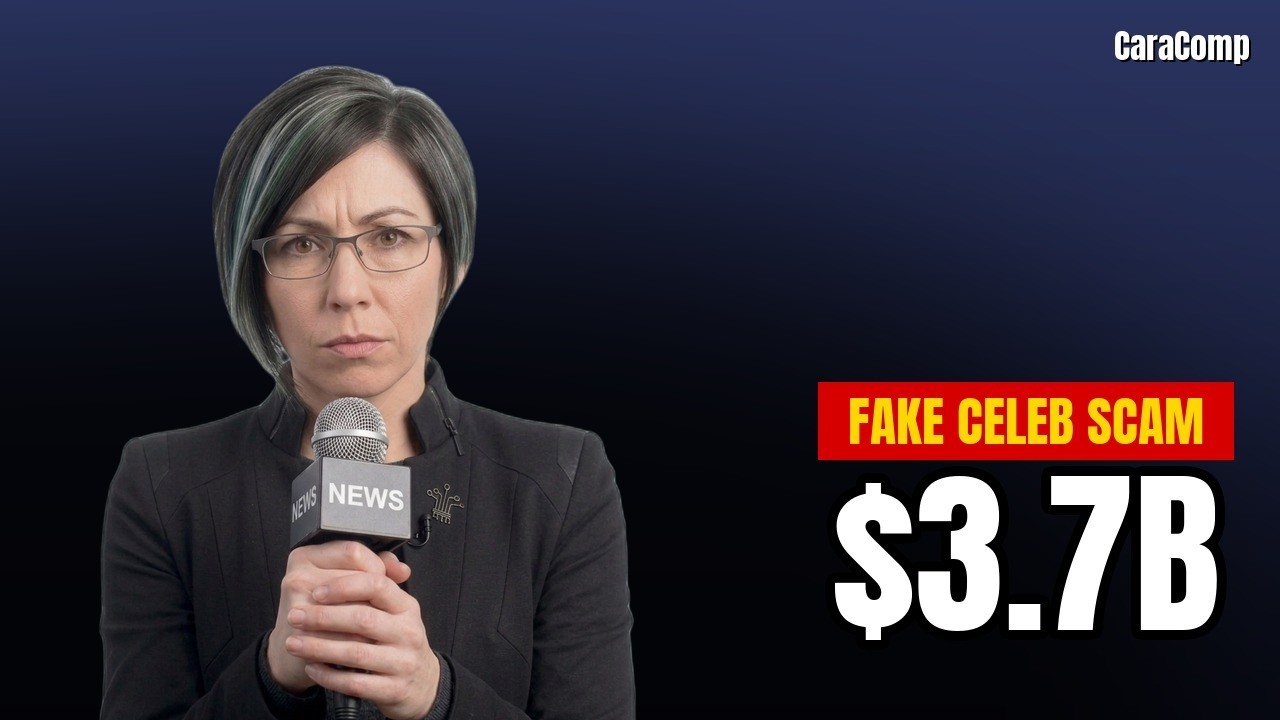
Your phone buzzes tonight. It's a video from your kid. Their face, their voice, scared, asking for money. That video might not be real. Fake videos, voices, and faces made by A.I. are exploding this year. And the target isn't just celebrities. It's you, your parents, your coworkers. The warning sign isn't a glitchy face anymore. It's a message that makes you feel rushed, scared, or ashamed.
According to Cybersecurity Insiders, deepfake attacks are on track to rise nearly five times over by the end of 2026. And most businesses surveyed have already lost money to synthetic fakes. This isn't a coming threat. It arrived.
The scam doesn't win because the fake is perfect. It wins because you're real. Call the person back on a number you already have. Thirty seconds of friction beats a scam that took hours to build.
Fakes are multiplying. So are the laws meant to stop them. But are those laws actually protecting anyone?
Picture a teenager whose face gets pasted into an explicit fake image posted online tonight. Now ask yourself. Would that family know who to call first? The platform? The police? A lawyer? Most people have no idea. States passed dozens of new deepfake laws this year. On paper, that looks like protection finally arriving. In practice, every state wrote its own rules, its own definitions, its own remedies.
According to Ballotpedia, forty-eight states now have laws targeting sexually explicit deepfakes. But in California you can sue the creator. In some states, all you can do is beg the platform to take it down.
Same harm. Completely different justice, depending on your zip code. One rule applies everywhere. Federal law now forces platforms to remove fake intimate images within forty-eight hours of your report. Know that number.
Every one of these fights comes back to one question. How much of yourself do you have to hand over to prove anything?
Someone uploads their driver's license just to watch a movie. The site only needed one answer. Are you old enough? Instead it grabbed your name, your birthdate, your address, even your face. All that data has to live somewhere. And wherever data lives, it can leak. Western Australia is testing something radically simpler. A system that returns one answer, yes or no, and learns nothing else about you.
According to the Australian Government's online safety guidance, age checks should use the minimum information necessary. New cryptography can prove you're over eighteen without ever revealing your actual birthdate.
A bouncer needs to see your face. A website asking your age doesn't. When a service takes more than the job requires, that's not a security badge. It's a data grab wearing one.
Three stories, one thread. A.I. can now fake your face, and the law is scrambling to catch up. Meanwhile, the systems verifying you still hoard far more than they need. In 2026, the smartest defense is asking one question. What do you actually need to know about me?
Links to every story and today's podcast deep-dives are in the description. See you next time.