Remote Identity Proofing: Identity

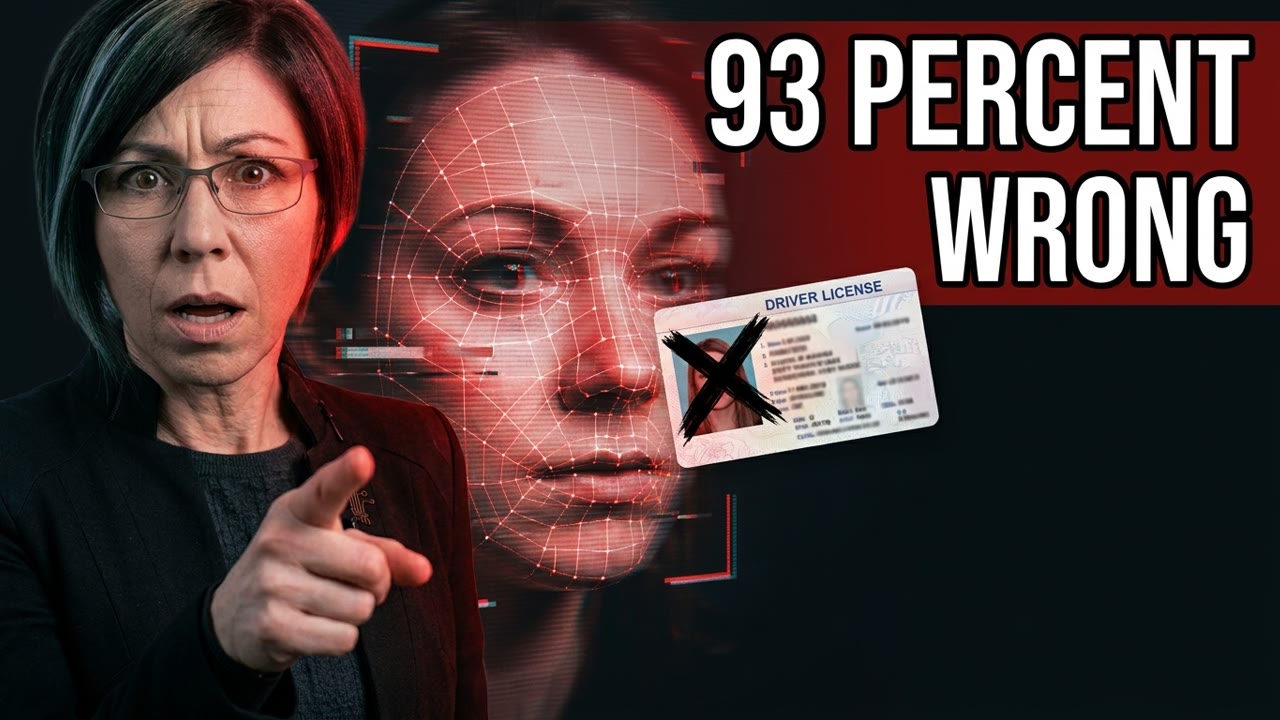
Back in August 2024, the police showed up and took Robert Dillon right out of his home in Fort Myers, Florida. A computer said his face was a 93 percent match to some guy who tried to lure a child in Jacksonville Beach, which is 300 miles away. He was stuck in that case for months before they finally dropped the charges. One face match, and suddenly a stranger's crime had his name all over it. By the time we're done here, you'll know how to make sure a machine can never do that to you or your kid.
The system was 93 percent sure it had the right guy. That number was enough for them to arrest a man. And it was also just plain wrong. Keep that number in the back of your head.
The police in Jacksonville Beach had a picture of their suspect. They ran that picture through a face comparison system. And the machine pointed right at Robert Dillon. Nobody bothered to check the stuff the machine couldn't see.
In the end, they did drop the charges. But Dillon had already lived through months of being prosecuted first. He's now suing the agencies that were involved. One check said yes, and nothing ever said stop.
A face match only tells you that two pictures look alike. It doesn't tell you who you actually are. And it doesn't tell you where you were. That gap right there is how a stranger's crime landed on Robert Dillon's name.
You run into the same kind of check at your own bank. You scan your license, and then you take a selfie. It feels like you're just doing the same look twice. But it really isn't.
On April 7, 2026, the European Commission passed a rule. Every member country has to have a working digital wallet up and running by the end of 2026. And services have to accept it by late 2027. The clock is already ticking on this.
Fraud researchers dug up something pretty ugly. Fake faces made by AI can actually blink and move. And the old tests for spotting a real person miss them completely.
Biometric Update spelled out the whole sequence for how this works. First it collects your details. Then it checks your document. Then it makes sure there's a live person actually there. Then it matches the face. And after all that, it ties everything to one record.
There are 5 steps in that whole framework. Each step blocks a different kind of cheat. Skip one, and you've basically left a door unlocked.
If this helps, a like and a subscribe help us keep it coming.
A machine matched a face, and a man lost months of his life to a courtroom. Here's the part nobody ever explains to you. A face match was never meant to prove who you are. At least not the way you think it does.
A single selfie only answers one question. It asks whether a live face was in front of the camera. The full check answers three questions. It checks for a real document, a matching face, and a live person. And one question just isn't three.
Fraud research points to 2 attacks as the hardest ones to catch. One plays a fake video right at the camera. The other feeds a fake video straight into the software. And the camera never sees a thing.
Picture a hotel clerk holding your passport. She tilts it up to the light to catch the hologram. Then she looks up at your face. And then she watches you move and hand over a card. A photocopy sitting on the counter couldn't do any of that.
Over in Washington state, more than 90,000 unemployment claims got frozen over identity checks. People waited months for money they had already earned. And rent doesn't wait around for a verification queue.
The screen always tells you that this is keeping you safe. And yet a woman in Tennessee sat in a cell after a face system linked her to a fake ID. Her charges got dropped, and now she's suing for $5 million. Safety was the word on her screen too.
Here's the turn. All 3 of those checks protect the company from getting defrauded. But not one of them protects you from ending up as the wrong name in a search. The same face system that guards their door can put your name on a stranger's crime.
Here's what to do when a machine names the wrong person. Treat every face match as just a guess until something else backs it up. A score is a suggestion, and never a verdict.
Tonight, do this whenever an app asks for your face. Read whether it also checks your document, not just your face. Look for a prompt asking you to blink or turn your head. And stop if the app only wants a still photo of you.
A forged passport with your real face fails the document check. And a stolen real passport fails the face check. Different cheats need different locks. That's exactly why the checks were never just one check.
Run the whole order through your head. The document has to be real. A living person has to actually be there. The face has to match that document. And only then does a name actually mean anything.
The CaraComp write up walks you through all 5 stages. It shows you what each stage blocks. Give it a read if you want the whole sequence.
The standard sets a really high bar for the strongest level. It's supposed to be as good as showing your ID to a real employee. You know, in person, right across a desk.
This week, build the thing a machine can't argue with. Hang onto receipts and card records that show where you were. Save any texts and photos that have dates on them. And talk to a lawyer before you say anything if a face match ever names you.
That woman in Tennessee is suing for $10 million after a false match put her behind bars. New York had its own wrongful arrest from a face error back in 2026. These just aren't rare stories anymore.
You came in here trusting that selfie screen. You're leaving knowing it only proves someone was breathing. The fear is fair, because machines really do name the wrong people. But now you know which questions were never even asked.
Is the document real? Is a person actually here? Does that face match that document? Three answers, or no answer at all.
Whose crime could end up carrying your name tonight? Robert Dillon never went to Jacksonville Beach, and a number said he did. Keep your own record of where you were. A score can point at you, but it can't answer for you.
Every day we take one story like this and make it simple. Subscribe and tap the bell. Tomorrow's is free too. See you in today's briefing. If this helps, a like and a subscribe help us keep it coming.