Passport Photo Guidelines and Photo
Your passport photo could get turned down tonight. About 1 in 4 photos get sent back. A lot of the time, no person looks at your photo first. And nobody tells you what went wrong. Most of the people who get turned down did nothing a person would notice. Will your photo be the one that gets rejected? By the end, you won't have to guess anymore.
That means about 1 in 4 photos get sent back. And each time, you have to send a new one.
Kubus Photo looked into why passport photos get rejected. The write-up wrote about it on October 14. Mostly, people make small mistakes they can fix.
More than 20 percent of the photos that get rejected have glasses in them. But nobody tells you it was your glasses.
You can get turned down for almost nothing. It has nothing to do with how you look. One measurement on your photo was just outside what's allowed.
First, let's look at what gets measured in your photo.
You upload your photo, and it gets checked by a computer program first. After that, real people look at it. Years later, your face gets checked against it at the border.
The write-up says your photo gets checked in layers. Only people catch the small, subtle problems.
First, the gap between your eyes gets measured. Then your nose, your mouth, and your chin get measured too. Each of those points on your face becomes a number.
Your photo either passes or fails, and that's all. Did anyone ever tell you why yours failed?
If this helps, a like and a subscribe help us keep it coming.
You'd think a nicer photo would help you. But smoothing your skin or smiling gets your photo rejected.
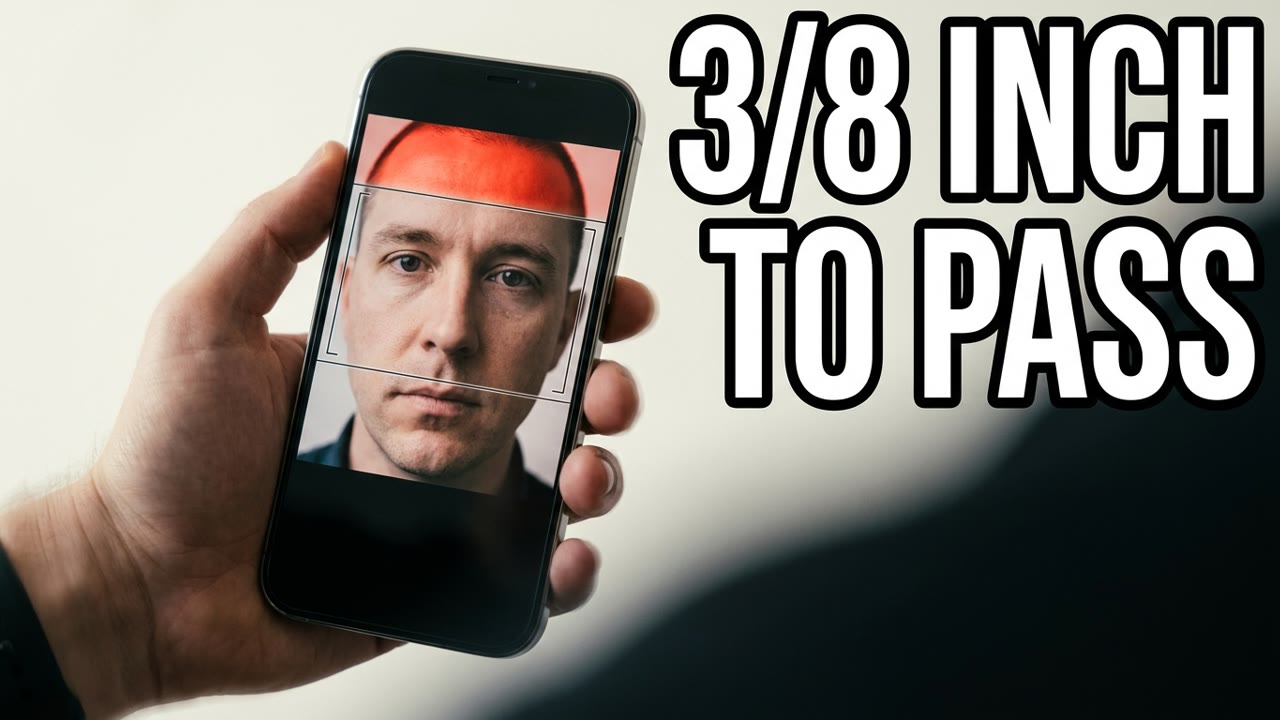
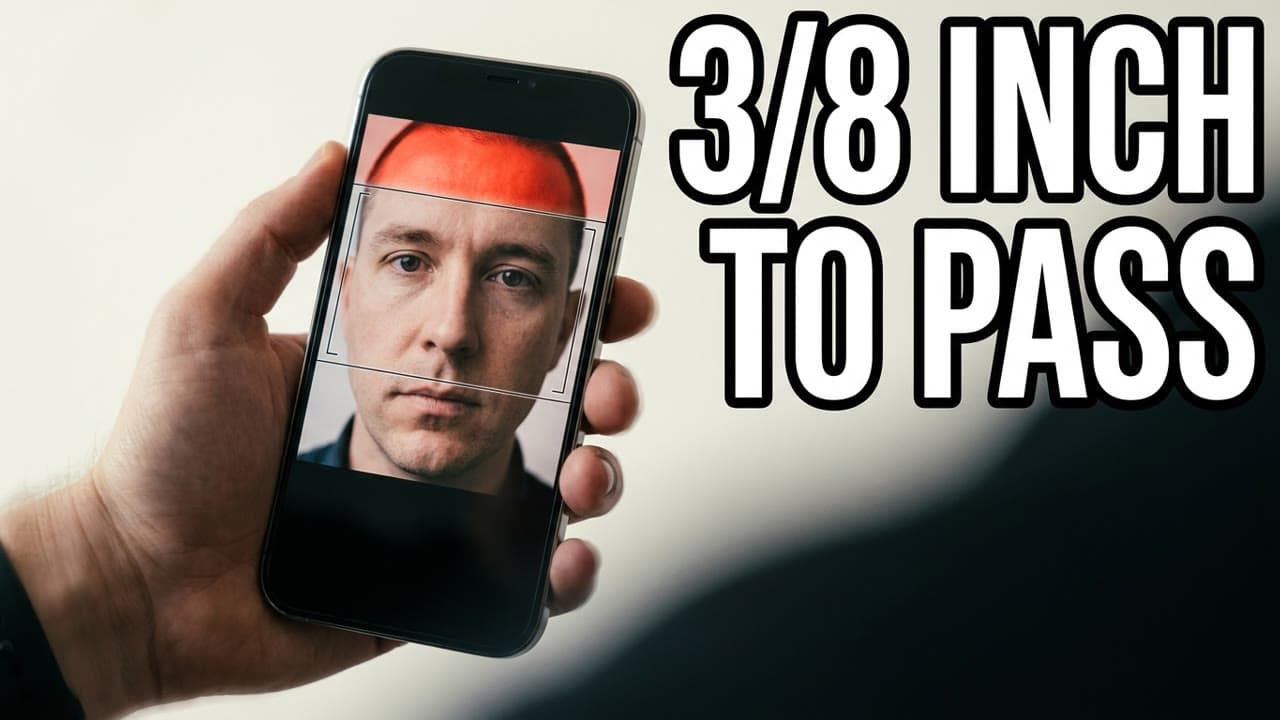
Your head has to be at least 1 inch tall in the photo. And your head can't be more than 1.375 inches. You measure from your chin to the top of your head. You can't judge that just by looking.
That gives you only 3 eighths of an inch to work with. If you're off by a few pixels either way, that can matter. If you crop too tight, you get rejected.
Your eyes tell you a cream wall is white. But in your photo, that wall comes out pale yellow.
Most people blame their own face instead. The write-up says that mistake costs people weeks.
The State Department's photo rules sound friendly. But your photo gets checked against every rule word for word. Who tells you which rule you missed?
The State Department has real people look at your photo after it's been through the computer program. But you hear the computer's no first. And you don't get a reason with that first no. That's why you use the checklist to find the reason.
Check your photo against every rule yourself before you upload it. Then you catch the mistake before anyone else does.
Take off your glasses, and don't smile. Stand in front of a plain white wall with even light. Turn off every filter and every beauty mode on your phone.
To you, a soft shadow might look artistic. But that shadow still gets your photo rejected for lighting.
Stand facing a window during the day. Have a friend take the picture at your eye level. Look for shadows behind your ears. If you see one, step closer to the light.
CaraComp goes into this in more detail in its write-up. CaraComp has a table that lists each mistake plainly.
Researchers studied scanned passport photos. They found that security marks can distort how your face looks. So keep everything you can control clean.
Crop your photo gently, and keep it square. Say no to any enhance button. Check your photo's pixel size and its file type.
Nearly every rejected photo comes down to one of 5 mistakes. PhotoGov lists those same 5 again and again. Which one of the 5 is yours?
Your photo can get rejected without any reason given. But now you know every rule yourself.
Open the photo you're planning to send. Check that photo against every rule. If it fails even one, retake it tonight.
If your photo gets rejected, nobody will tell you why. So you fix it before you upload.
Every day we take one story like this and make it simple. Subscribe and tap the bell. Tomorrow's is free too. See you in today's briefing. If this helps, a like and a subscribe help us keep it coming.